
Embarking on a premed journey at Boston College as a freshman is a defining lifestyle choice, setting the trajectory for a demanding yet ultimately rewarding future in medicine. Your course selections during this pivotal first year are not merely academic requirements; they are foundational elements shaping your intellectual habits, time management, and overall student lifestyle. Navigating the diverse curriculum while building a robust premed profile requires strategic planning, ensuring you not only meet prerequisites but also cultivate the critical thinking, empathy, and resilience essential for a successful medical career. This guide explores the lifestyle implications of your freshman year course choices, balancing academic rigor with personal development.

Cultivating a Purposeful Academic Lifestyle
The core of a premed student’s lifestyle at Boston College is an unwavering commitment to academic excellence, particularly in the sciences. Your freshman year is about laying a solid scientific groundwork while adapting to university-level expectations. These courses are designed to challenge and prepare you for the intellectual demands of medical school.
The Scientific Foundation: Non-Negotiable Prereqs
The initial courses you select will largely comprise the essential building blocks for your premed track. These are the bedrock upon which all future scientific understanding will rest.
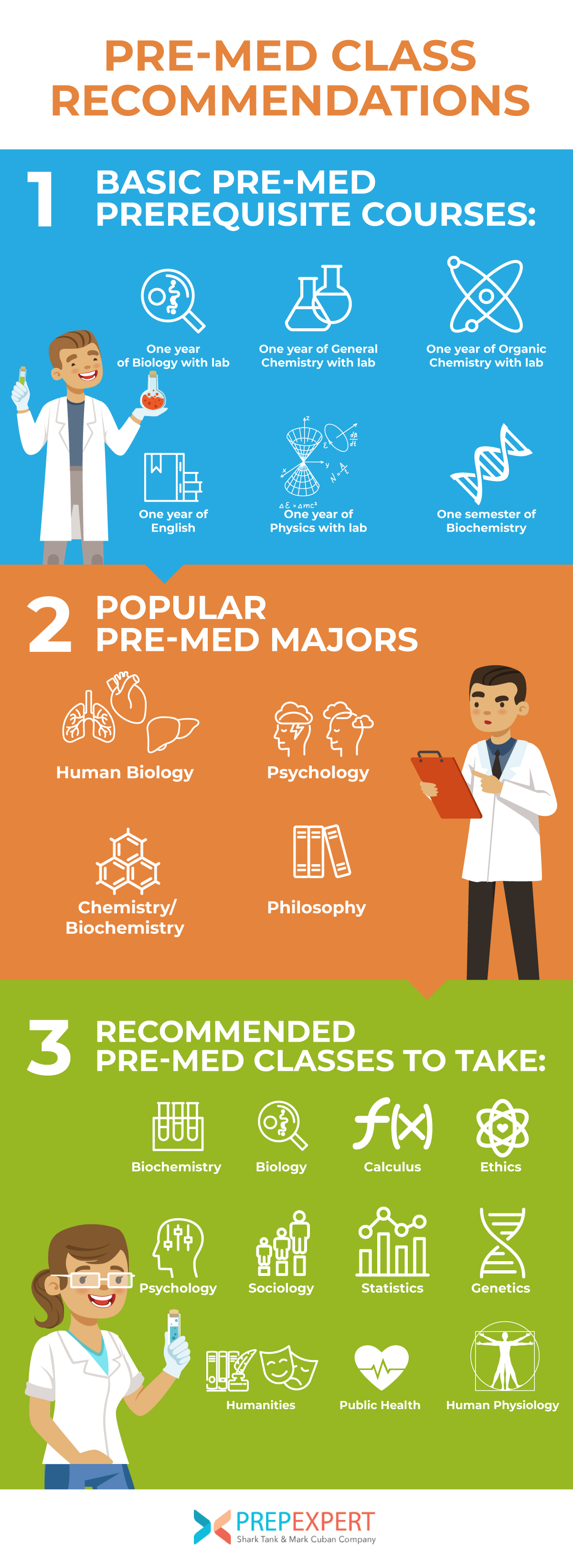
- General Chemistry I & II with Lab: Often considered the gateway to the sciences, these courses are mandatory for virtually all medical school programs. Taking them in your freshman year establishes a strong scientific routine. The labs, in particular, hone your practical skills and analytical thinking—key aspects of a scientific lifestyle. Expect a significant time commitment, teaching you early on the discipline required for your chosen path.
- General Biology I & II with Lab: Alongside chemistry, biology forms the second pillar of your science curriculum. These courses introduce fundamental concepts from molecular biology to ecology, crucial for understanding human physiology and disease. Engaging deeply with these subjects from the outset fosters a scientific mindset and familiarity with experimental design, vital for a research-oriented lifestyle.
- Calculus I (or higher): While not every medical school explicitly requires calculus, a strong quantitative background is invaluable. Many premeds opt for Calculus I during freshman year, especially if their high school background is strong. This course sharpens your problem-solving skills, which are transferable to complex medical scenarios and the analytical challenges of the MCAT.
Choosing these courses early defines an academic lifestyle rooted in scientific inquiry and rigorous study. It’s a deliberate commitment that shapes your daily routine, study groups, and extracurricular engagements.
Embracing the Jesuit, Liberal Arts Lifestyle
Boston College’s commitment to a Jesuit, liberal arts education means your academic lifestyle extends far beyond the lab and lecture hall. Aspiring physicians, though deeply entrenched in science, benefit immensely from a broad intellectual foundation. This holistic approach is crucial for developing the well-rounded qualities sought by [medical school](https://lifeoutofthebox.com/medical school) admissions committees and, ultimately, for compassionate patient care.
Core Curriculum: Beyond the Sciences
Your freshman year is also when you begin fulfilling Boston College’s extensive core curriculum, which nurtures a comprehensive intellectual lifestyle. These courses enhance your critical thinking, communication, and ethical reasoning—skills vital for any physician.
- English (Writing & Literature): Strong communication skills are paramount in medicine. A demanding English course improves your ability to articulate complex ideas clearly, both in writing and verbally. This is not just about essays; it’s about developing the narrative capacity to understand patients’ stories and effectively convey diagnoses. It’s a key component of a professional lifestyle in medicine.
- Philosophy and Theology (First Year Experience): Consistent with Boston College’s Jesuit tradition, these courses prompt deep reflection on ethics, human nature, and societal values. For a future physician, grappling with existential questions and moral dilemmas is not just an academic exercise but a preparation for the ethical challenges of medicine. It instills a reflective and compassionate lifestyle.
- Social Sciences (Psychology, Sociology, etc.): While not always primary freshman year core requirements, considering an introductory social science course, particularly Psychology or Sociology, can be highly beneficial. The MCAT now includes a significant section on the psychological, social, and biological foundations of behavior. Integrating these subjects early broadens your understanding of human health within its social context, promoting a more empathetic and culturally aware lifestyle.
Balancing these liberal arts requirements with your science courses demands effective time management and a genuine interest in diverse subjects. It’s about cultivating a sophisticated intellectual lifestyle that values both scientific precision and humanistic understanding.
Designing a Balanced Premed Lifestyle
One of the greatest challenges for a premed freshman is avoiding burnout while excelling academically. Your course load directly impacts your ability to maintain a balanced, healthy lifestyle, which includes extracurriculars, social engagement, and personal well-being.
Strategic Course Load and Electives
Overloading with too many demanding science courses in your first semester can be detrimental. It’s often wiser to start with a manageable load and adjust as you acclimate to university life.
- Moderation is Key: Aim for a course load that challenges you but leaves room for adjustment. Typically, 15-17 credits (4-5 courses, including labs) is standard. For a premed freshman, this might look like: General Chemistry I with lab, General Biology I with lab, a core English course, and a philosophy or theology requirement.
- Utilize Electives Wisely: Elective slots, if available, can be used strategically. Consider courses that fulfill core requirements, explore new interests, or complement your premed journey. For instance, an introductory computer science course can develop analytical skills, or a foreign language can enhance cultural competence—both valuable facets of a global professional lifestyle. Some students opt for a “lighter” elective to balance demanding science courses, allowing more time for study or extracurriculars.
- Physical Education & Wellness: Don’t overlook the importance of physical activity and wellness in your freshman lifestyle. Boston College offers various physical education courses and recreational opportunities. Maintaining physical health is paramount for mental clarity and stress management, essential for sustaining the rigor of a premed path.
A balanced course load ensures you have time for important extracurricular activities—volunteering, research, shadowing—which are critical components of the premed lifestyle and highly valued by medical school admissions.
Planning for the Long Haul: Future Lifestyle Considerations
Your freshman course choices are the first steps in a multi-year journey. Thinking ahead about how these initial decisions impact your future academic and professional lifestyle is crucial.

Sequencing and Future Prerequisites
Many advanced science courses have prerequisites that must be met in your freshman year. Proper sequencing ensures you stay on track.
- Organic Chemistry and Physics: Typically, these rigorous courses are taken in sophomore or junior year. However, they build directly on freshman General Chemistry and require a strong calculus foundation. Ensuring you perform well in your introductory sciences is essential for success in these later courses.
- MCAT Preparation: The content covered in your freshman science courses forms a significant portion of the MCAT exam. Excelling in these early classes not only builds knowledge but also develops effective study habits that will be invaluable when you begin dedicated MCAT preparation, typically in your junior year. This early foundation contributes to a less stressful and more effective preparation lifestyle later on.
Your freshman year at Boston College is more than just an academic sprint; it’s the beginning of constructing a professional lifestyle rooted in intellectual curiosity, ethical responsibility, and humanistic values. By strategically choosing your courses, embracing the full breadth of a liberal arts education, and prioritizing a balanced lifestyle, you’ll lay a robust foundation for success as a future physician. Engage with your advisors, connect with upperclassmen, and actively explore all the resources Boston College offers to shape this challenging yet incredibly fulfilling journey.
LifeOutOfTheBox is a participant in the Amazon Services LLC Associates Program, an affiliate advertising program designed to provide a means for sites to earn advertising fees by advertising and linking to Amazon.com. Amazon, the Amazon logo, AmazonSupply, and the AmazonSupply logo are trademarks of Amazon.com, Inc. or its affiliates. As an Amazon Associate we earn affiliate commissions from qualifying purchases.