
The Boston Cream Cake, a name that conjures images of sweet indulgence, is far more than just a dessert; it is a culinary emblem deeply woven into the fabric of Boston’s rich history and local culture. Often referred to as a “pie” despite its “cake” nomenclature, this iconic creation holds a unique place in American gastronomy, offering a delightful blend of textures and flavors that captivate residents and visitors alike. Understanding what truly defines a Boston Cream Cake involves delving into its historical origins, dissecting its distinctive components, and exploring its enduring legacy as a must-try experience for anyone exploring the vibrant culinary landscape of New England.

The Sweet History of a Boston Icon
The story of the Boston Cream Cake begins in the mid-19th century, a period when American culinary traditions were beginning to carve out their own identity, distinct from European influences. It’s a tale of innovation born out of practicality, evolving from simpler desserts to the sophisticated classic known today.
From Pudding Pie to Official Dessert
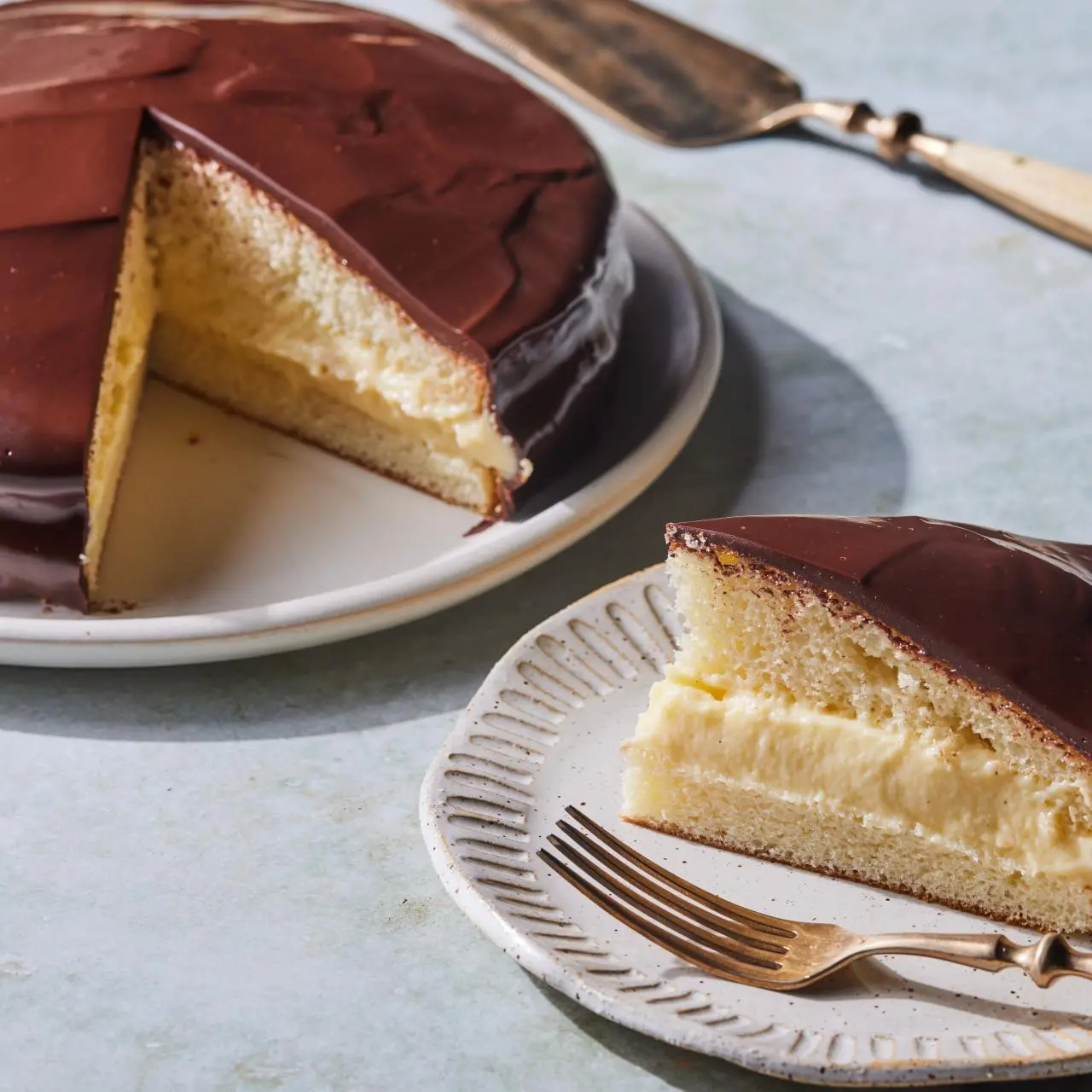
The true genesis of the Boston Cream Cake can be traced back to 1856, at the renowned Parker House Hotel in Boston. Initially, it was conceived as a “chocolate cream pie” or “pudding pie.” At the time, cake pans were not as common as pie tins, leading to the use of a pie tin for baking what was essentially a sponge cake. The dessert’s original chef, identified as M. Sanzian, is credited with its creation. The concept was revolutionary for its era: two layers of delicate sponge cake, separated by a rich, creamy custard, and topped with a glistening layer of chocolate ganache.
The nomenclature itself is a fascinating historical quirk. In the 19th century, cakes and pies were often used interchangeably, particularly for baked goods that had a filling. Given its pie-like structure with a filling, the dessert was dubbed a “pie.” However, the soft, airy texture of the sponge layers certainly aligned it more with what we now understand as a cake. Regardless of its name, its immediate popularity solidified its place in Boston’s culinary scene. In 1996, the Boston Cream Pie (as it is officially recognized) was even declared the official state dessert of Massachusetts, cementing its status as a true American classic.
The Parker House Hotel’s Legacy
The Parker House Hotel, now known as the Omni Parker House, holds an indelible mark on American culinary history, not only for the Boston Cream Cake but also for its famous Parker House rolls. Located in the heart of Boston, this historic establishment played a pivotal role in the development and popularization of the dessert. Its kitchen was a hotbed of culinary innovation, attracting skilled chefs who pushed the boundaries of traditional American fare.
The hotel’s upscale dining rooms provided the perfect stage for the introduction of such an elegant dessert. Guests, including notable figures and politicians, would have been among the first to savor this delightful creation, contributing to its rapid spread and eventual iconic status. The original recipe, carefully preserved and still used by the Omni Parker House today, stands as a testament to its enduring quality and the hotel’s commitment to culinary excellence. Visiting the Omni Parker House isn’t just about tasting a dessert; it’s about experiencing a piece of living history, a direct connection to the origins of this celebrated treat.
Deconstructing the Boston Cream Cake
At its core, the Boston Cream Cake is a masterpiece of balance, with each component playing a crucial role in creating its signature flavor and texture profile. It’s the harmonious interplay of these elements that elevates it beyond a simple dessert to a truly unforgettable experience.
The Golden Sponge
The foundation of the Boston Cream Cake is its distinctive sponge cake. Unlike heavier butter cakes, the sponge is traditionally light, airy, and incredibly moist. This delicate texture is achieved through careful whipping of eggs, often separated and folded in, to incorporate maximum air, resulting in a cake that practically melts in your mouth. The golden hue is characteristic, contributing to its appetizing appearance. The slight sweetness of the sponge provides a perfect counterpoint to the richer filling and glaze, ensuring that the overall dessert is never overwhelmingly sweet. This component is crucial because it must be sturdy enough to hold the generous custard filling without becoming soggy, yet tender enough to offer a delicate bite.
Velvety Custard Filling
The heart of the Boston Cream Cake is its rich, velvety pastry cream filling. This is not just any custard; it’s a thick, creamy, and intensely flavored vanilla custard made from egg yolks, sugar, milk, and cornstarch (or flour). The process of making a truly exceptional pastry cream requires patience and precision, involving tempering eggs and careful whisking to achieve a smooth, lump-free consistency. Once cooled, it sets into a luscious, pudding-like texture that provides a cool, creamy contrast to the sponge cake. The quality of this custard is paramount, as it imparts the signature “cream” to the dessert’s name and delivers the primary burst of flavor that many associate with the Boston Cream Cake.
The Glossy Chocolate Glaze
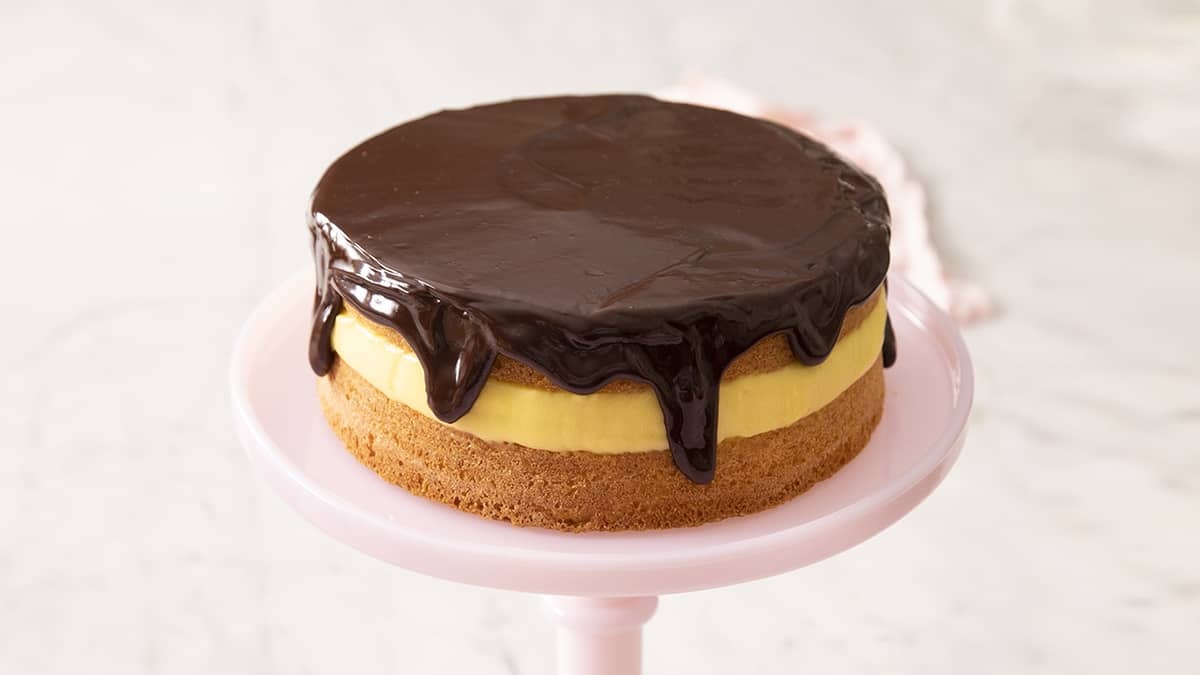
Crowning this magnificent creation is its iconic chocolate glaze. This is typically a simple ganache or a thin, pourable chocolate icing, designed to add a layer of deep cocoa flavor and a beautiful sheen. The glaze should be smooth, glossy, and just firm enough to set without being brittle. It often has a slight bitterness that perfectly cuts through the sweetness of the custard and cake, providing a sophisticated finish. Traditional recipes might use a relatively thin glaze, allowing the cake’s layers to remain the stars, while modern interpretations might opt for a thicker, more decadent chocolate layer. The distinctive crack when cutting into a perfectly glazed Boston Cream Cake is a sensory delight, signaling the start of a wonderful culinary journey.
Where to Experience Authentic Boston Cream Cake
For those visiting Boston and eager to taste this historical treat, several establishments offer exceptional versions, ranging from the original birthplace to modern bakeries putting their own spin on the classic.
The Birthplace: Omni Parker House
No visit to Boston for a Boston Cream Cake pilgrimage is complete without a stop at the Omni Parker House. Here, you can taste the original recipe, meticulously prepared and served in a setting steeped in history. Enjoying a slice in their opulent dining room or a more casual cafe setting allows you to connect directly with the dessert’s legacy. It’s an experience that transcends mere consumption, offering a genuine taste of Boston’s culinary heritage. The hotel’s bakers continue to uphold the exacting standards set over a century and a half ago, ensuring an authentic and unparalleled experience.
Renowned Boston Bakeries
Beyond its birthplace, numerous bakeries throughout Boston and the wider New England region craft their own beloved versions of the Boston Cream Cake. Establishments like Mike’s Pastry or Modern Pastry, while famous for their cannolis, also offer excellent traditional American baked goods, and sometimes feature their own interpretations. Smaller, local bakeries often pride themselves on using fresh, high-quality ingredients to recreate this classic, each adding a subtle personal touch. Exploring these local spots not only yields delicious discoveries but also supports small businesses and provides a deeper insight into Boston’s vibrant local food scene. Asking locals for their favorite spot can often lead to hidden gems serving truly exceptional slices.
Modern Interpretations and Variations
While the classic Boston Cream Cake remains supreme, its popularity has inspired countless variations and modern interpretations. You might find miniature Boston Cream cupcakes, éclairs filled with Boston Cream custard, or even Boston Cream-flavored donuts. Some high-end restaurants incorporate the flavors into more avant-garde desserts, deconstructing the classic components and reassembling them in innovative ways. These variations pay homage to the original while appealing to contemporary palates, demonstrating the enduring versatility and appeal of the Boston Cream Cake’s core flavor profile. Trying these modern takes can be a fun way to experience the tradition through a fresh lens, though purists will always gravitate towards the classic.
More Than Just Dessert: A Culinary Symbol
The Boston Cream Cake transcends its identity as a mere sweet treat; it is a tangible piece of local culture, a testament to American culinary ingenuity, and a must-experience for any visitor to Boston. Its continuous presence on menus and in bakeries across the region speaks volumes about its deeply rooted significance.
A Taste of New England Culture
For many, the Boston Cream Cake represents a taste of authentic New England culture. It’s a dessert that evokes nostalgia, family gatherings, and local pride. Its unpretentious elegance and comforting familiarity make it a staple at celebrations and an everyday indulgence. It embodies a particular regional sensibility—a blend of historical reverence, quiet sophistication, and wholesome deliciousness. Experiencing this dessert is akin to partaking in a culinary ritual that connects you to generations of Bostonians who have cherished this beloved sweet.
Boston’s Culinary Scene
The Boston Cream Cake is an integral part of Boston’s broader culinary narrative. While the city is celebrated for its seafood, particularly lobster and clam chowder, its historical contributions to American baking and confectionery are equally significant. The cake stands as a delicious reminder of Boston’s role as a hub of innovation, where European culinary techniques were adapted and reinvented to create uniquely American flavors. It underscores the city’s commitment to preserving its heritage while simultaneously fostering a dynamic and evolving food scene.
Home Baking and Boston Cream Pie
Beyond professional kitchens, the Boston Cream Pie has long been a favorite for home bakers. Countless cookbooks and family recipes feature variations of the classic, allowing enthusiasts to recreate this iconic dessert in their own kitchens. The accessibility of its ingredients and the relatively straightforward preparation make it a rewarding project for aspiring bakers. This tradition of home baking further solidifies its status as a cultural staple, passed down through generations and enjoyed in countless homes, reinforcing its place not just in public establishments but in the private lives of families across New England and beyond. The joy of sharing a homemade Boston Cream Pie is a testament to its enduring appeal and comforting familiarity.
LifeOutOfTheBox is a participant in the Amazon Services LLC Associates Program, an affiliate advertising program designed to provide a means for sites to earn advertising fees by advertising and linking to Amazon.com. Amazon, the Amazon logo, AmazonSupply, and the AmazonSupply logo are trademarks of Amazon.com, Inc. or its affiliates. As an Amazon Associate we earn affiliate commissions from qualifying purchases.