
Understanding the population of a city like Boston is far more than just knowing a number; it’s about grasping the very essence of its local culture, the rhythm of its daily life, and the dynamic array of experiences it offers to visitors. For those planning a trip to this historic Massachusetts hub, delving into its demographics provides invaluable insights into what makes Boston tick, from its bustling streets and diverse culinary scene to its unique neighborhood characters and the practicalities of navigating its charming, yet sometimes crowded, thoroughfares.
The Numbers Game: Understanding Boston’s Core Demographics
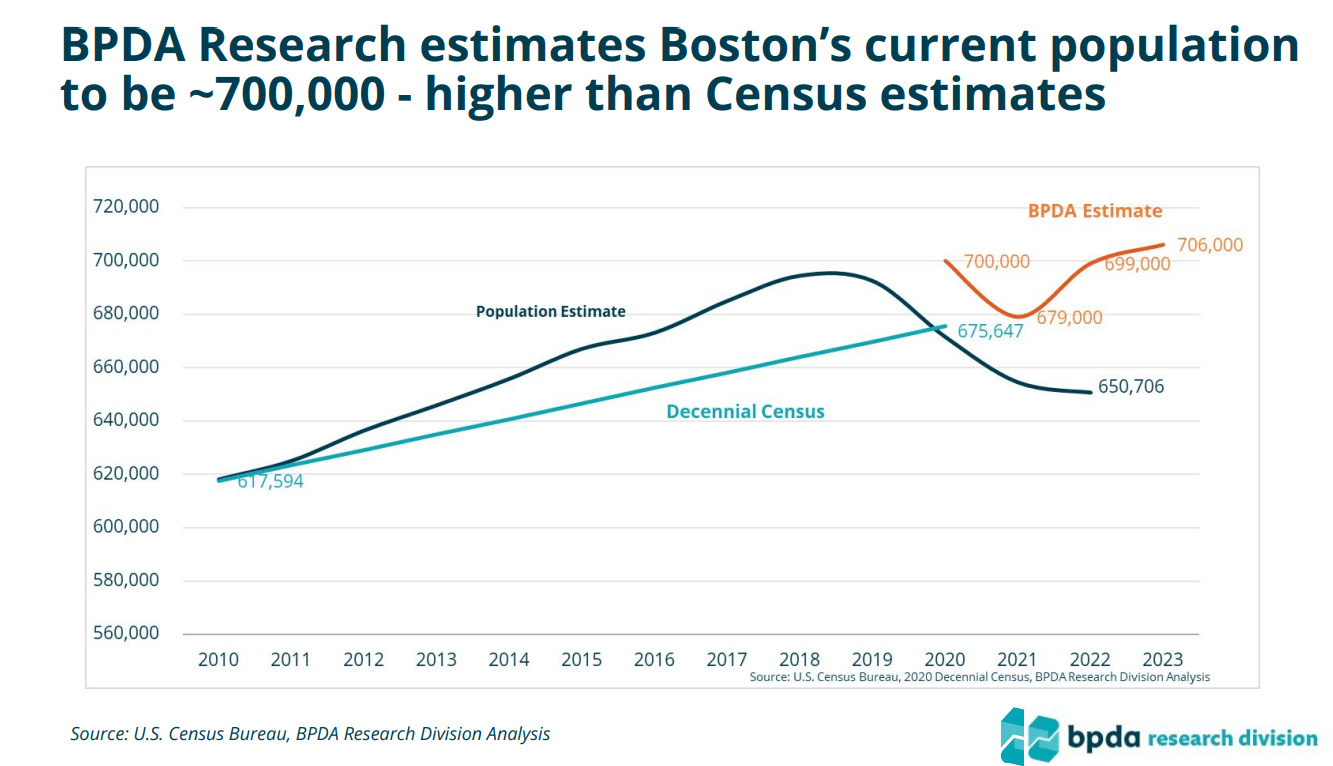
At its heart, Boston’s population story is one of concentrated vibrancy within a relatively compact urban footprint. While specific figures fluctuate with census data and annual estimates, the city proper typically hovers around 670,000 to 690,000 residents. This figure, however, only tells part of the tale. The true magnetic pull of Boston extends far beyond its municipal boundaries, encompassing a sprawling metropolitan area that dramatically inflates its population influence.
Metropolitan vs. City Proper: What’s the Difference for Tourists?
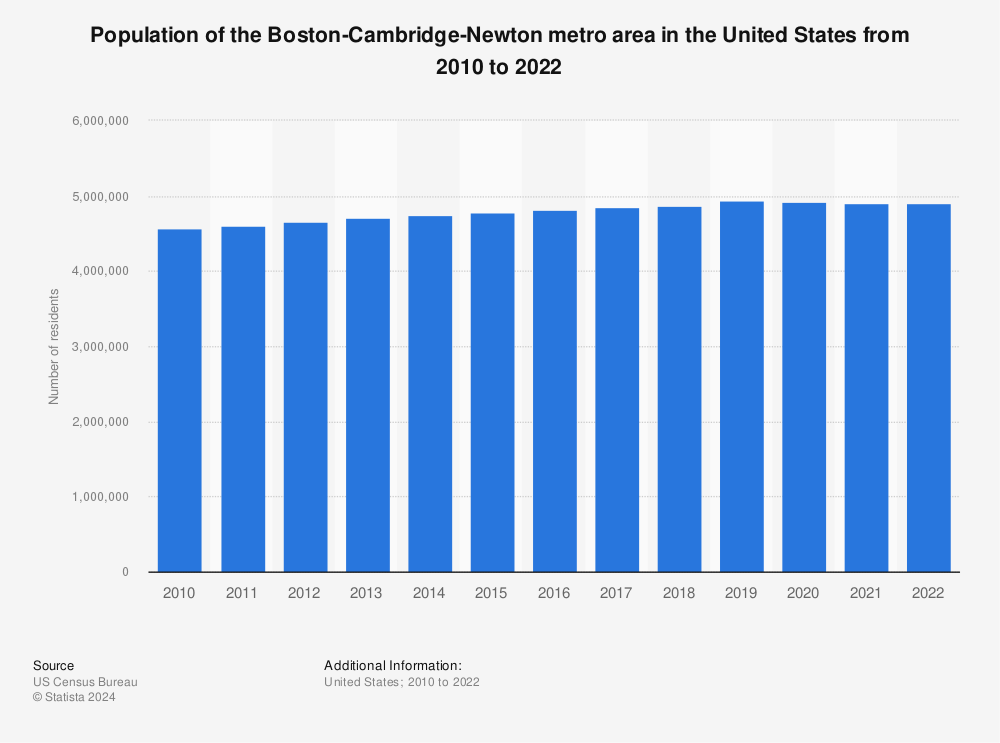
When discussing Boston’s population, it’s crucial to distinguish between the city of Boston itself and the wider Boston-Cambridge-Newton, MA–NH Metropolitan Statistical Area (MSA). The MSA, which includes surrounding cities like Cambridge, Somerville, Quincy, and extending into southern New Hampshire, boasts a population of well over 4.9 million people. For a tourist, this distinction is paramount. While the historic core of Boston might feel manageable, the constant influx of commuters, students, and residents from the wider metropolitan area means that public transport, popular attractions like the Freedom Trail and Faneuil Hall Marketplace, and even local eateries often experience a much higher volume of people than the city proper’s population might suggest. This expanded population base fuels a richer, more diverse ecosystem of restaurants, cultural institutions, and entertainment venues that are easily accessible from downtown Boston.
Population Density: Navigating a Compact City
With nearly 700,000 people living within just under 50 square miles of land area, Boston is one of the most densely populated major cities in the United States. This high density has several implications for visitors. Firstly, it contributes to the city’s vibrant, walkable nature. Many of Boston’s most iconic neighborhoods, such as the North End, Beacon Hill, and Back Bay, are best explored on foot, where you can truly soak in the atmosphere. Secondly, it means that public transportation, particularly the MBTA (known as “the T”), is a highly utilized and efficient way to get around, often essential for navigating beyond the immediate downtown area. However, high density also translates to busier streets, especially during peak tourist seasons and commuter rush hours. This necessitates planning and patience, particularly when trying to get reservations at popular restaurants or visiting top attractions.
How Boston’s Population Shapes Its Unique Culture
The composition of Boston’s population is a critical factor in understanding its distinctive cultural fabric. It’s a city with deep historical roots, yet it consistently reinvents itself through the contributions of its diverse residents, from generations of immigrant communities to a thriving academic and tech scene. This blend creates a fascinating interplay of old-world charm and cutting-edge innovation.
A Mosaic of Communities: Influence on Food and Festivals
Historically, Boston has been a gateway for immigrants, and this legacy is vividly reflected in its neighborhoods and culinary landscape. The strong Irish, Italian, and more recently, various Asian, Hispanic, and African communities have each left an indelible mark. The North End, for instance, is famously Boston’s’s “Little Italy,” a neighborhood where the aroma of garlic and espresso fills the air, and traditional Italian bakeries and restaurants thrive, hosting vibrant street festivals throughout the summer. Similarly, Chinatown offers an authentic taste of East Asian culture with its myriad of restaurants, bakeries, and shops. The South End is known for its diverse culinary offerings and art galleries, reflecting a more contemporary blend of residents. These cultural enclaves provide tourists with an incredible opportunity to experience global cultures without leaving the city, offering a rich tapestry of food, music, and traditions that are direct results of Boston’s’s multi-ethnic population.
Student Life and Innovation: Youthful Vibrancy
Another significant demographic influencer is Boston’s’s massive student population. Home to world-renowned institutions like Harvard University in Cambridge, Massachusetts Institute of Technology (MIT), Boston University, Northeastern University, and dozens of other colleges and universities, the area attracts hundreds of thousands of students annually. This youthful influx injects an incredible amount of energy, innovation, and diverse perspectives into the city. For tourists, this means a lively atmosphere, particularly around university campuses, with abundant coffee shops, bookstores, live music venues, and affordable eateries catering to student budgets. The academic presence also fuels Boston’s status as a global hub for science, technology, medicine, and entrepreneurship, contributing to a forward-thinking vibe that coexists with its colonial heritage. This creates a dynamic environment where historic tours can be followed by visits to cutting-edge museums or innovative culinary experiences.
Population Dynamics and the Visitor Experience
The changing dynamics of Boston’s population, including seasonal shifts and ongoing urban development, profoundly impact the visitor experience, from planning your travel dates to navigating the city’s infrastructure.
Seasonal Fluctuations: Planning Your Trip
Boston’s population isn’t static; it swells and contracts with the seasons, heavily influencing tourism. During the academic year (September to May), the return of students significantly boosts the city’s population, leading to busier public transport and more crowded local spots, but also a palpable energy. The summer months (June to August) are peak tourist season, drawing visitors from around the globe to enjoy Boston’s’s pleasant weather and outdoor attractions. During these times, popular areas like the Boston Common, Public Garden, and the Charles River Esplanade are bustling. Fall foliage season, particularly in October, sees another surge in visitors, attracted by the stunning autumn colors and historic ambiance. Conversely, the winter months, while colder, offer a more subdued experience with fewer crowds, making it an ideal time for those who prefer a quieter exploration of museums and indoor attractions, often with better deals on hotels and flights. Understanding these seasonal population shifts allows tourists to strategically plan their visit based on their preferences for crowds and activities.
Urban Development and Accessibility
The city’s growing population has spurred continuous urban development and infrastructure improvements aimed at enhancing accessibility and quality of life for residents and visitors alike. Investments in the MBTA system, new pedestrian-friendly zones, and the revitalization of public spaces like the Rose Kennedy Greenway are testament to this. These developments directly benefit tourists by making the city more walkable, improving transit efficiency, and creating new attractions. However, development also means ongoing construction in some areas, which can sometimes lead to temporary disruptions. Keeping abreast of current urban projects can help visitors navigate the city more smoothly. The compact nature of Boston, combined with its dense population, means that every square foot is valuable, leading to creative uses of space and an emphasis on public parks and waterfront access.
Practical Tips for Tourists: Adapting to Boston’s Populace
Navigating Boston effectively as a tourist often comes down to understanding and adapting to its population dynamics. With a little planning, you can make the most of its bustling energy while still finding moments of tranquility.
Navigating Public Transport and Pedestrian Zones
Given the high population density, particularly in downtown and historic areas, mastering Boston’s public transport, the MBTA, is key. Purchase a CharlieCard or CharlieTicket for easy tap-and-go access to subways and buses. During peak commuter hours (7-9 AM and 4-6 PM on weekdays), trains and buses can be very crowded, so consider scheduling your travel outside these times if possible. Furthermore, embrace walking. Many of Boston’s’s most charming streets, especially in areas like Beacon Hill and the North End, are best experienced on foot. Be mindful of pedestrian etiquette, especially in busy crosswalks and intersections. Cycling is also a popular option, with numerous bike lanes and rental stations available.

Finding Authentic Local Experiences
To truly experience Boston beyond the main tourist trails, seek out neighborhoods slightly off the beaten path that reflect the city’s diverse population. Explore the local shops and cafes in Jamaica Plain or Roslindale for a more residential feel. Visit public markets beyond Faneuil Hall, such as the Boston Public Market, to mingle with locals and sample regional specialties. Attending a Boston Red Sox game at Fenway Park is an iconic local experience, but be prepared for large crowds and lively energy. Engage with local shopkeepers, baristas, and residents; their insights can lead you to hidden gems and provide a deeper understanding of Boston’s’s multifaceted character, shaped by the millions who call this dynamic metropolitan area home.
LifeOutOfTheBox is a participant in the Amazon Services LLC Associates Program, an affiliate advertising program designed to provide a means for sites to earn advertising fees by advertising and linking to Amazon.com. Amazon, the Amazon logo, AmazonSupply, and the AmazonSupply logo are trademarks of Amazon.com, Inc. or its affiliates. As an Amazon Associate we earn affiliate commissions from qualifying purchases.