
For tourists planning a visit to Boston during the electrifying weekend of the Boston Marathon, understanding the intricate schedule of the race is paramount. Far from a singular mass start, the Boston Marathon employs a carefully staggered wave system, designed to manage the immense number of participants and enhance both runner safety and spectator experience. This historic race, a pinnacle event in global athletics, transforms Boston into a vibrant spectacle, drawing visitors from across the globe. Knowing the precise start times for the various divisions and waves is essential for orchestrating your spectating strategy, navigating the city, and fully immersing yourself in the race day atmosphere on Patriots’ Day.
Navigating the Boston Marathon Start Times: A Tourist’s Guide
The Boston Marathon kicks off from the quaint town of Hopkinton, Massachusetts, approximately 26.2 miles west of Boston. The start times are meticulously planned to separate different participant categories, ensuring a smoother flow from the start line to the iconic finish on Boylston Street. As a tourist, this staggered approach means that the excitement builds progressively throughout the morning, offering multiple opportunities to catch the action.
The Elite Wheelchair Division
The first athletes to embark on the challenging course are typically the elite wheelchair division. Their race usually begins just after 9:00 AM EST. These athletes demonstrate incredible strength and endurance, often setting a blistering pace that makes for a thrilling watch. For early bird spectators, catching their start in Hopkinton or their rapid progression through the early towns like Ashland and Framingham can be an inspiring experience.
Handcycle & Duo Participants
Following closely, usually around 9:05 AM, are the handcycle and duo participants. This category showcases remarkable teamwork and determination, adding another layer of human spirit to the marathon’s tapestry. Their participation further underscores the inclusive nature of the event, providing unique perspectives for spectators.
Elite Women
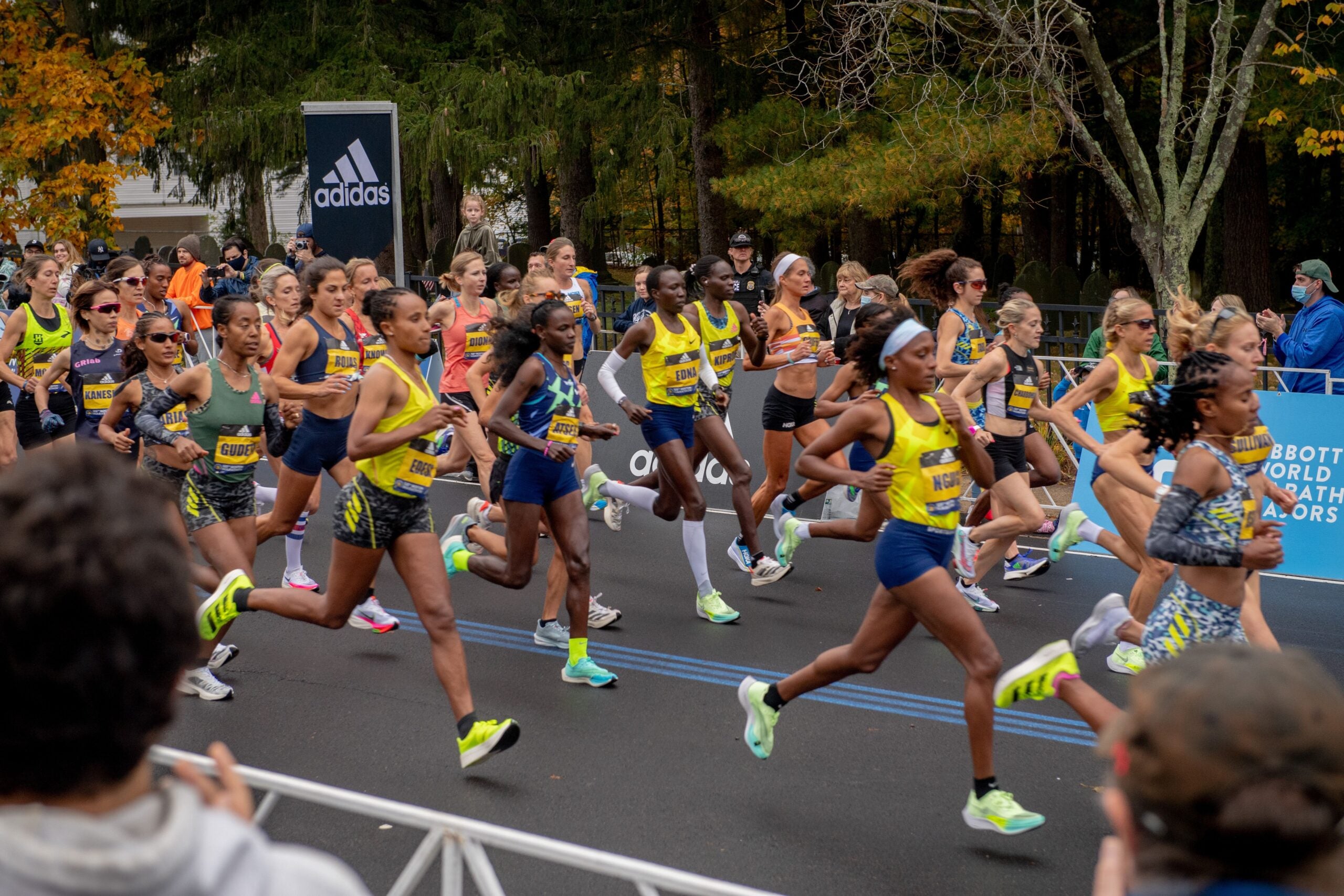
The focus then shifts to the elite women, who typically start their race around 9:30 AM. This dedicated start time allows for undivided attention on the world’s fastest female marathoners, offering spectators a chance to witness their strategic race unfolds without the immediate congestion of the larger field. Observing their intense focus and powerful strides provides a profound appreciation for professional marathon running.
Elite Men & First Wave
The most anticipated start for many is that of the elite men, who are usually off by 10:00 AM, immediately followed by the first wave of qualified runners. This is when the main body of the marathon truly begins to flow. The sheer volume of elite and sub-elite runners in this wave creates an electrifying atmosphere, marked by competitive fervor and incredible speed. Many spectators strategically position themselves early to catch this initial surge of runners.
Subsequent Waves
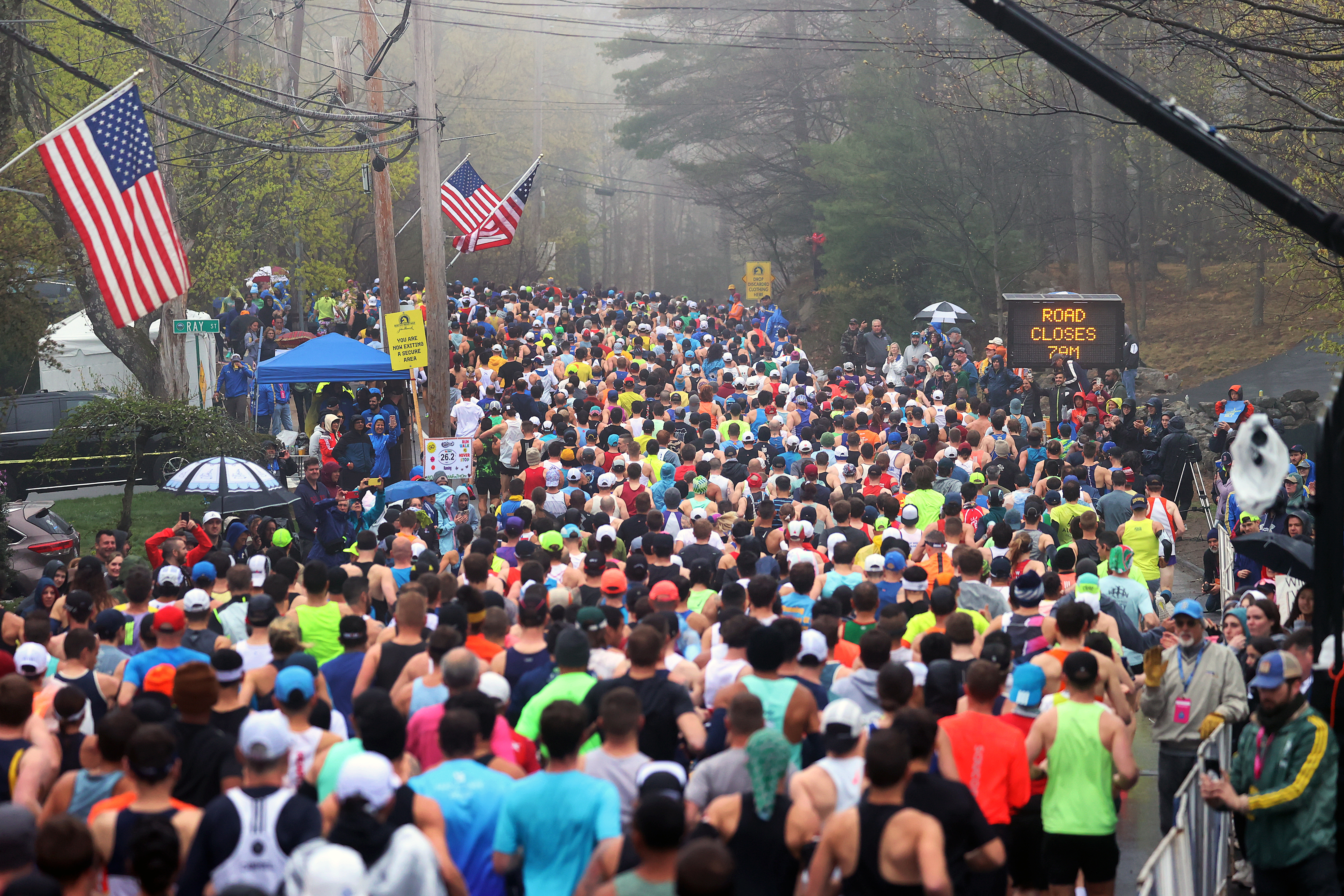
The remaining thousands of participants are divided into several waves, typically starting at 10:25 AM, 10:50 AM, and 11:15 AM, respectively. Each wave consists of thousands of runners, from seasoned veterans to those tackling Boston for the first time. The stream of runners continues for several hours, transforming the entire 26.2-mile course into a continuous moving festival of perseverance and human spirit. For tourists, this means that even if you miss the very beginning, you can still experience the vibrant energy of the race for much of the day.
Strategic Spectating: Best Spots and How to Get There
Witnessing the Boston Marathon firsthand is an unforgettable experience, but strategic planning is key for tourists. With tens of thousands of runners and over a million spectators, knowing where to go and how to get there will significantly enhance your race day enjoyment.
Key Viewing Spots Along the Route
- The Start Line in Hopkinton: For those keen on witnessing the very beginning, arriving early in Hopkinton is crucial. Public transportation to the start is limited and roads close early, so consider shuttle services or carpooling if you can manage it. The atmosphere here is one of nervous energy and excitement.
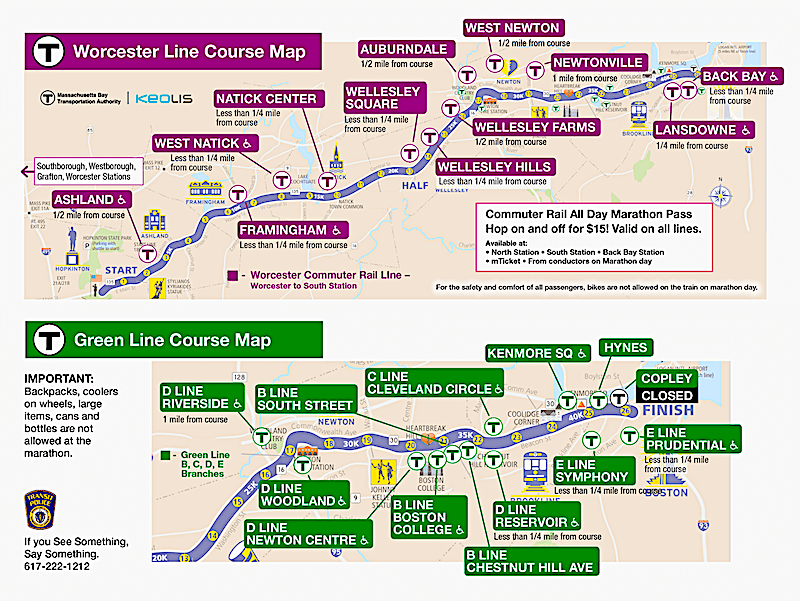
- Wellesley College “Scream Tunnel”: Around the halfway point, the famous “scream tunnel” at Wellesley College is legendary. Students line the route, offering high-fives and deafening cheers. This is a highly energetic and iconic spot, easily accessible via the MBTA Commuter Rail to Wellesley Square (though expect crowds and potential delays).
- Newton – The Heartbreak Hill Section: Between miles 16 and 21, the infamous Newton Hills, culminating in Heartbreak Hill, offer a dramatic viewing experience. Spectators here witness the runners’ true grit as they tackle the course’s most challenging ascents. The Green Line D branch provides access to this area, but walking from stations will be required.
- Kenmore Square: Just after mile 25, Kenmore Square marks the final stretch and the runners know the finish line is near. The energy here is palpable, with renewed cheers pushing athletes towards Boylston Street. Accessible via the Green Line.
- Boylston Street (Finish Line Area): The most iconic and sought-after viewing spot, the finish line area near Copley Square on Boylston Street is incredibly crowded. Access is restricted and often requires special credentials or very early arrival. Many nearby restaurants and bars offer views, but reservations are typically essential months in advance. For most tourists, catching the action a few blocks before the finish might be a more feasible and equally thrilling option.
Public Transportation and Road Closures
The Massachusetts Bay Transportation Authority (MBTA), Boston’s public transport system, is your best friend on Marathon Monday. Driving is highly discouraged due to extensive road closures along the entire route, which begin very early in the morning and can last into the late afternoon or early evening.
- Subway (T): The Green Line is particularly useful for accessing various points along the latter half of the course. Be prepared for crowded trains and stations. Purchase a CharlieCard or paper ticket in advance to avoid delays.
- Commuter Rail: Useful for reaching outlying towns like Wellesley or Newton. Check schedules well in advance as special Patriots’ Day schedules may apply, and trains can fill up quickly.
- Buses: Many bus routes will be detoured or suspended, especially in downtown Boston and along the race route. Consult the MBTA website for real-time service alerts.
Essential Tips for Spectators
- Arrive Early: This cannot be stressed enough, especially for popular spots.
- Dress in Layers: New England weather in April can be unpredictable. Be ready for anything from chilly winds to warm sunshine.
- Bring Water and Snacks: Concession stands can be few and far between, and lines will be long.
- Portable Charger: Your phone will be working hard for photos and navigation.
- Comfortable Shoes: You’ll be doing a lot of standing and walking.
- Signage: Create a fun, supportive sign to cheer on runners. It adds to the atmosphere!
- Be Patient: With large crowds, patience is a virtue, especially when using public transport or navigating pedestrian areas.
Immersing in Marathon Weekend: Boston’s Vibrant Atmosphere
The Boston Marathon is more than just a race; it’s a multi-day festival that envelops the city in an unparalleled buzz. For tourists, Marathon Weekend offers a rich tapestry of activities, from sports expos to cultural explorations, making your visit to Boston truly unforgettable.
The Boston Marathon Expo
Typically held at the Hynes Convention Center in the days leading up to the race, the Boston Marathon Expo is a must-visit, even for non-runners. This massive event serves as the packet pickup for participants but also features hundreds of exhibitors showcasing the latest in running gear, nutrition, and technology. It’s an exciting place to soak in the pre-race energy, buy official merchandise, and even spot elite athletes. Entry is free to the public, making it a fantastic tourist activity.
Pre-Race Pasta Dinners and Local Eateries
Boston boasts a phenomenal culinary scene. During marathon weekend, many restaurants, especially in areas like the North End (Boston’s Little Italy) or Back Bay, offer special “pasta dinners” catering to runners carb-loading. Even if you’re not running, participating in these traditions or simply enjoying a meal at any of Boston’s diverse eateries is a great way to experience the local culture. Consider making reservations well in advance, as popular spots fill up quickly.
Post-Race Celebrations and Boston’s Nightlife
After the last runner crosses the finish line, the celebration begins. Many bars and restaurants around Copley Square and Back Bay become hubs of activity, with runners, spectators, and locals sharing stories and raising a toast. Exploring Faneuil Hall Marketplace or the vibrant nightlife districts offers a perfect way to cap off a thrilling day. The spirit of camaraderie is contagious, making it an excellent opportunity to engage with locals and fellow visitors.
Practical Tips for Visiting Boston During Marathon Week
Beyond the race itself, a trip to Boston during marathon week requires a few additional considerations for tourists to ensure a smooth and enjoyable visit.
Accommodation
Hotels in Boston and surrounding areas book up rapidly and prices surge during marathon week. It is highly advisable to book your accommodation months, if not a year, in advance. Look for options near MBTA stations if you plan to move around the city or along the race route, especially in areas like Back Bay, Downtown Crossing, or the Seaport District.
Exploring Boston’s Historical Charm
While the marathon is the main event, don’t miss the opportunity to explore Boston’s rich history and culture. Walk the Freedom Trail to visit historical landmarks like the Massachusetts State House, Old North Church, and Bunker Hill Monument. Stroll through Boston Common and the Public Garden, or visit world-class museums such as the Museum of Fine Arts or the Isabella Stewart Gardner Museum. These attractions offer a perfect complement to the high-energy marathon atmosphere.
Weather Preparedness
Boston’s April weather is notoriously unpredictable. One day could be sunny and mild, the next cold and rainy. Pack layers, including waterproof outerwear, comfortable walking shoes, and perhaps even a hat and gloves, especially if you plan to be out spectating for several hours. Being prepared will ensure you remain comfortable and focused on the exciting events around you.
The Boston Marathon offers an unparalleled tourist experience, blending athletic prowess with civic celebration. By understanding its schedule and planning your visit strategically, you’ll be perfectly positioned to enjoy one of the most iconic annual events in New England, immersing yourself in Boston’s unique charm and vibrant marathon culture.
LifeOutOfTheBox is a participant in the Amazon Services LLC Associates Program, an affiliate advertising program designed to provide a means for sites to earn advertising fees by advertising and linking to Amazon.com. Amazon, the Amazon logo, AmazonSupply, and the AmazonSupply logo are trademarks of Amazon.com, Inc. or its affiliates. As an Amazon Associate we earn affiliate commissions from qualifying purchases.