
The dream of running the Boston Marathon is a powerful motivator for countless runners worldwide. Unlike many major marathons that utilize a lottery system for entry, the Boston Marathon maintains its revered status as a qualification-only event. This distinction imbues a unique prestige upon its participants, making the journey to the start line in Hopkinton as much a part of the experience as the race itself. For travel-minded runners, the pursuit of a “BQ” (Boston Qualifier) transforms training runs into an odyssey, often involving travel to specific races designed for speed and the ultimate goal of securing a coveted entry. Understanding the qualification standards is the first crucial step on this remarkable athletic and travel adventure.

The Esteem of the Boston Marathon Qualification
The Boston Marathon, managed by the Boston Athletic Association (BAA), is the world’s oldest annual marathon, with a history dating back to 1897. Its rigorous qualification process is central to its legacy. Runners don’t merely run a marathon; they must prove their mettle against specific time standards dictated by age and gender. This creates a global community of aspirants, all striving for a performance that not only showcases their dedication but also unlocks a unique travel experience to Boston, Massachusetts. The pursuit of a BQ often involves strategic race selection, careful travel planning to optimal courses, and an unwavering commitment to training – all facets of an immersive travel experience for the dedicated endurance athlete. The very act of chasing a BQ becomes a journey in itself, often leading runners to explore different cities and challenging courses in their quest for that elusive time.
Deciphering the Qualification Standards
The core of Boston Marathon qualification lies in achieving a specific time for your age and gender within a designated qualification window. This window typically opens in September for the following year’s race, meaning that for the current year’s marathon, you’d need a qualifying time from the previous 12-18 months.
Age and Gender Categories
The Boston Marathon sets qualification times in five-year age increments for both men and women. Your age for qualification purposes is determined by your age on the date of the Boston Marathon itself, not on the day you ran your qualifying race.
Example Qualification Standards (subject to change annually by the BAA):
| Age Group | Men | Women |
|---|---|---|
| 18-34 | 3 hours 00 min | 3 hours 30 min |
| 35-39 | 3 hours 05 min | 3 hours 35 min |
| 40-44 | 3 hours 10 min | 3 hours 40 min |
| 45-49 | 3 hours 20 min | 3 hours 50 min |
| 50-54 | 3 hours 25 min | 3 hours 55 min |
| 55-59 | 3 hours 35 min | 4 hours 05 min |
| 60-64 | 3 hours 50 min | 4 hours 20 min |
| 65-69 | 4 hours 05 min | 4 hours 35 min |
| 70-74 | 4 hours 20 min | 4 hours 50 min |
| 75-79 | 4 hours 35 min | 5 hours 05 min |
| 80 and over | 4 hours 50 min | 5 hours 20 min |
These times are illustrative and are always subject to revision by the BAA. It is crucial to check the official Boston Marathon website for the most current and definitive standards.
The “Buffer” Phenomenon: Why Meeting the Standard Isn’t Always Enough
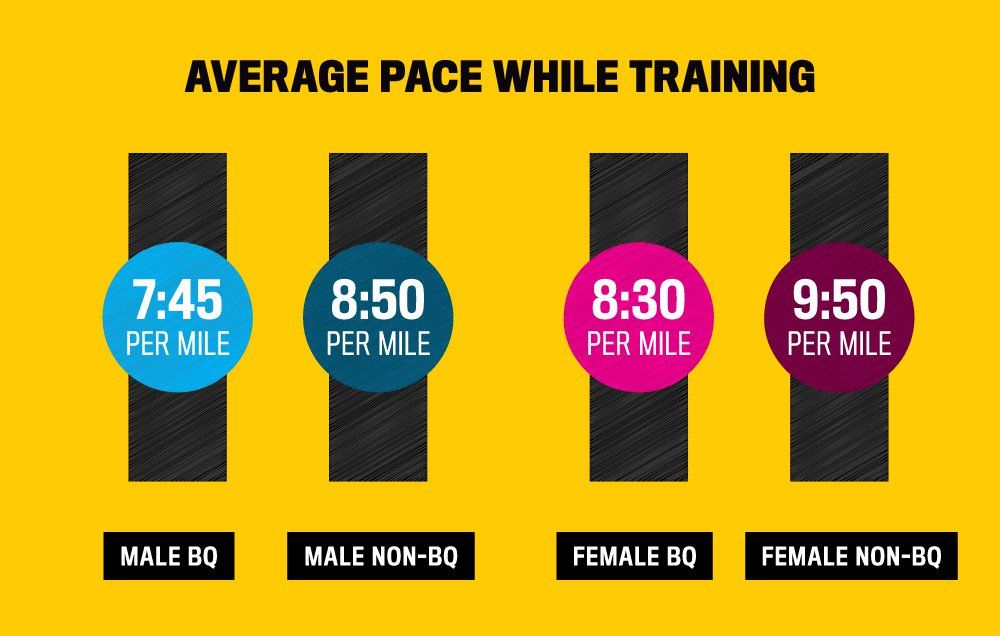
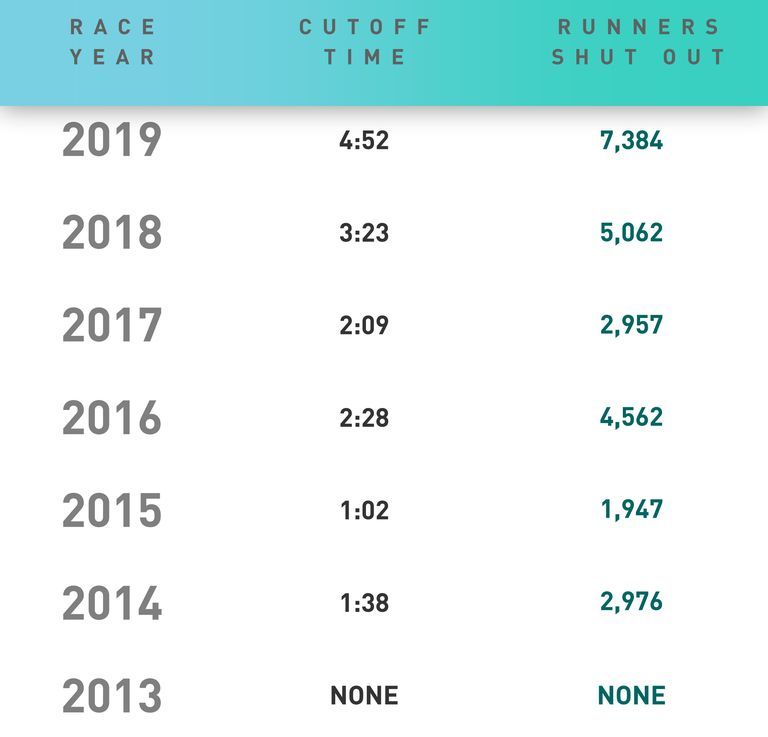
One of the most critical nuances for aspiring Boston Marathon runners is the concept of the “buffer.” Due to the immense popularity of the race and field size limitations (typically around 30,000 runners), simply meeting your age-group standard might not guarantee entry. In many recent years, the number of applicants who meet or exceed their qualifying standard has surpassed the available slots. When this occurs, the BAA implements a “cut-off” time, meaning only those who ran faster than their standard by a certain margin (e.g., 2 minutes, 3 minutes, even 5 minutes) are accepted.
This buffer system adds another layer of challenge and strategy to the qualification process. It means that while the stated standards provide a target, truly committed runners often aim to beat their standard by several minutes to increase their chances of acceptance. This necessitates not just qualifying, but qualifying strongly, often pushing runners to seek out courses known for their speed and favorable conditions.
Verification and Proof: Submitting Your Achievement
Once you achieve a qualifying time, you must submit proof during the registration period. The BAA only accepts times from marathons certified by national governing bodies (such as USA Track & Field in the United States or other World Athletics federation members internationally). This ensures the course distance and timing are accurate. When you register, you’ll typically provide details of your qualifying race, including the race name, date, and your official finish time. The BAA then verifies this information directly with the race organizers. It’s important to keep records of your qualifying race results and ensure the race you choose is officially sanctioned.
Charting Your Course: Finding a Qualifying Race
The search for the perfect BQ race is a strategic endeavor, blending athletic preparation with travel planning. Runners often travel significant distances to find a course that offers the best chance for a fast time.
Characteristics of a “Fast” Marathon Course
Not all marathons are created equal when it comes to speed. Ideal BQ courses typically share several characteristics:
- Flat Elevation Profile: Minimal hills are crucial. While some rolling hills can be manageable, sustained climbs or significant elevation changes can dramatically impact finish times.
- Net Downhill (within rules): Some courses boast a net downhill profile, which can aid in faster times, though strict rules govern how much net elevation loss is permissible for a World Athletics sanctioned course to prevent excessive advantage.
- Favorable Weather Conditions: Races held in cooler temperatures (ideally 40-55°F or 5-13°C) with low humidity and minimal wind are generally preferred. This often means targeting races in spring or fall.
- Well-Paced and Supported: Races with excellent course support, hydration stations, and clear mile markers can help maintain consistent pacing.
- Certified Course: Crucially, the race must be certified by its national governing body (e.g., USATF in the USA) to ensure the 26.2-mile distance is accurate and verifiable for Boston Marathon registration.
Race Selection Strategy and Travel Logistics
Selecting your BQ race involves a calculated approach to travel and timing:
- Timing and Climate: Research marathons during optimal weather windows. Many runners target fall races (September-November) or early spring races (March-April) to avoid extreme heat or cold. Consider the climate of the destination city.
- Course Research: Dive deep into elevation maps and past runner reviews. Look for feedback on course conditions, potential bottlenecks, and overall “fastness.” Websites like MarathonGuide.com or Runners World can be invaluable resources.
- Logistics of Travel: Assess the ease of travel to the race location. Consider flight availability, airport proximity to the start/finish, and local transportation options. Book flights and accommodation well in advance, especially for popular BQ races, as hotels fill up quickly.
- Pre-Race Acclimatization: If traveling across time zones, plan to arrive a few days early to adjust. Factor in the cost and time for this extended stay. Research local dining options to ensure you can stick to your pre-race nutrition plan.
- International Qualification Races: For runners outside the United States, numerous international marathons are World Athletics certified and accepted by the BAA. Popular choices include the Berlin Marathon, Valencia Marathon, or London Marathon (though London also has its own qualification system). Choosing an international race adds another layer of cultural and travel experience to your BQ journey.
The Journey to Boston: From Qualification to the Start Line
Once that coveted BQ is achieved and verified, the next phase of the travel adventure begins: planning your trip to Boston for the marathon itself. This involves a different set of travel considerations, focusing on the destination and the race day experience.
Planning Your Boston Marathon Weekend
- Accommodation in Boston: Boston becomes a hub for thousands of runners and spectators during marathon weekend, typically held on Patriots’ Day (the third Monday in April). Hotels, especially those near the finish line on Boylston Street or along the Green Line T (subway) route, book up incredibly fast and prices surge. Book your hotel months in advance, or consider staying slightly outside the city center and utilizing Boston’s excellent public transportation system.
- Flights and Transportation: Secure flights to Boston Logan International Airport well in advance. Once in Boston, the city is highly walkable, and the MBTA (subway, bus, commuter rail) provides efficient access to most areas, including the marathon expo and the designated bus pick-up points for the start.
- The Marathon Expo Experience: A vital part of the Boston Marathon experience is the John Hancock Sports & Fitness Expo. Held usually at the Hynes Convention Center, this is where you pick up your bib, timing chip, and official race shirt. It’s also an opportunity to immerse yourself in the running culture, browse vendors, and soak in the pre-race atmosphere.
- Race Day Logistics: Marathon morning is a carefully orchestrated travel operation. Runners must board official BAA buses from designated pick-up points in Boston that transport them to the Athletes’ Village in Hopkinton, the starting point of the race. Private transportation to Hopkinton is generally prohibited for runners. Understanding this specific travel flow is crucial for a smooth race morning.
- Exploring Boston: Beyond the race, allow time to explore the historic city. Walk the Freedom Trail, visit the Boston Common, or enjoy the vibrant atmosphere of Faneuil Hall Marketplace. Many runners find that celebrating their achievement in such a historic and picturesque city adds an indelible layer to their marathon experience.
The quest to qualify for the Boston Marathon is a testament to dedication and a unique blend of athletic pursuit and strategic travel. From selecting the perfect qualifying race to navigating the vibrant streets of Boston on race weekend, every step of this journey offers an unparalleled experience for the global running community. Achieving a BQ is not just about a time; it’s about earning your way to one of the most iconic travel and sporting events in the world.
LifeOutOfTheBox is a participant in the Amazon Services LLC Associates Program, an affiliate advertising program designed to provide a means for sites to earn advertising fees by advertising and linking to Amazon.com. Amazon, the Amazon logo, AmazonSupply, and the AmazonSupply logo are trademarks of Amazon.com, Inc. or its affiliates. As an Amazon Associate we earn affiliate commissions from qualifying purchases.