
The question “Is Texas CST?” seems straightforward, but the answer, much like the vast landscape of the Lone Star State itself, contains a significant nuance. While the majority of Texas proudly operates on Central Standard Time (CST), a crucial exception exists in its westernmost reaches. For travelers, residents, and anyone planning to engage with this diverse state, understanding these time zone distinctions is paramount for seamless experiences, from booking accommodations to coordinating business dealings and exploring its iconic landmarks.
Texas, a state renowned for its immense size, diverse geography, and rich cultural tapestry, spans approximately 801 miles from east to west. This sheer scale inherently presents challenges for a uniform timekeeping system. The division into two primary time zones within its borders speaks volumes about its geographical breadth and its historical connections to neighboring regions. This article delves into the intricacies of Texas’s time zones, offering essential insights for planning your next adventure, business trip, or long-term stay in this captivating corner of the United States.
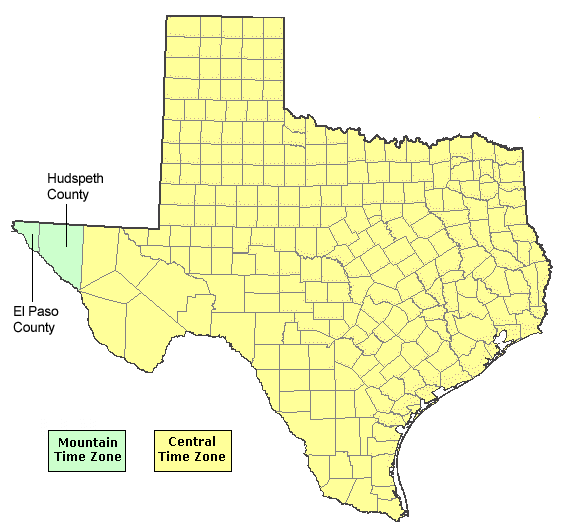
The Dominance of Central Standard Time (CST) in Texas
For most of its sprawling territory, Texas adheres to Central Standard Time (CST), which is UTC-6 during standard time and UTC-5 during Daylight Saving Time (DST). This encompasses the vast majority of its population centers, economic hubs, and popular tourist destinations. When people refer to the “time in Texas,” they are almost invariably thinking of CST.
The major metropolises and bustling regions that fall under CST include:
- Dallas and Fort Worth: The dynamic Metroplex, a hub for business, culture, and entertainment. From the Dallas Arts District to the historic Stockyards in Fort Worth, all activities, flights, and accommodations here operate on CST.
- Houston: The state’s largest city, a global center for energy, aerospace (home to the NASA Johnson Space Center), and international trade, runs entirely on CST. This affects everything from cruise departures from the Gulf of Mexico to restaurant reservations in the city’s vibrant culinary scene.
- Austin: The state capital and a celebrated live music mecca, Austin follows CST. Whether you’re attending SXSW, exploring the Texas State Capitol, or enjoying the city’s unique lifestyle, your schedule will align with Central Time.
- San Antonio: Rich in history, home to the iconic Alamo and the picturesque River Walk, San Antonio also operates on CST. Travelers booking stays at luxury resorts like the JW Marriott San Antonio Hill Country Resort & Spa will plan their check-ins and activities according to Central Time.
This widespread use of CST simplifies travel and coordination for the vast majority of visitors and residents. If your journey involves flying into Dallas/Fort Worth International Airport (DFW) or Houston’s George Bush Intercontinental Airport (IAH) and exploring the central, eastern, or northern parts of the state, you can confidently set your watch to CST. For tourists, this means consistent event timings, dining hours, and attraction schedules across diverse destinations like the beaches of Galveston to the historic charm of Fredericksburg. Business travelers benefit from synchronized schedules when communicating with colleagues in nearby states like Oklahoma, Arkansas, and Louisiana, which also largely fall within the CST zone.
The Exception: El Paso and Hudspeth County – Mountain Standard Time (MST)
Here lies the critical distinction. The far western tip of Texas, specifically the city of El Paso and the western half of Hudspeth County, operates on Mountain Standard Time (MST). MST is UTC-7 during standard time and UTC-6 during Daylight Saving Time. This means that El Paso is consistently one hour behind the rest of Texas that observes CST.
This time zone split is not arbitrary; it’s a logical consequence of geography and regional ties. El Paso is geographically closer and shares more economic and social connections with New Mexico (which largely observes MST) and the Mexican state of Chihuahua (which also aligns with MST) than it does with Dallas or Houston. The imposing Franklin Mountains State Park that bisect the city further emphasize its unique, mountainous character, distinct from the flat plains and rolling hills of central Texas.
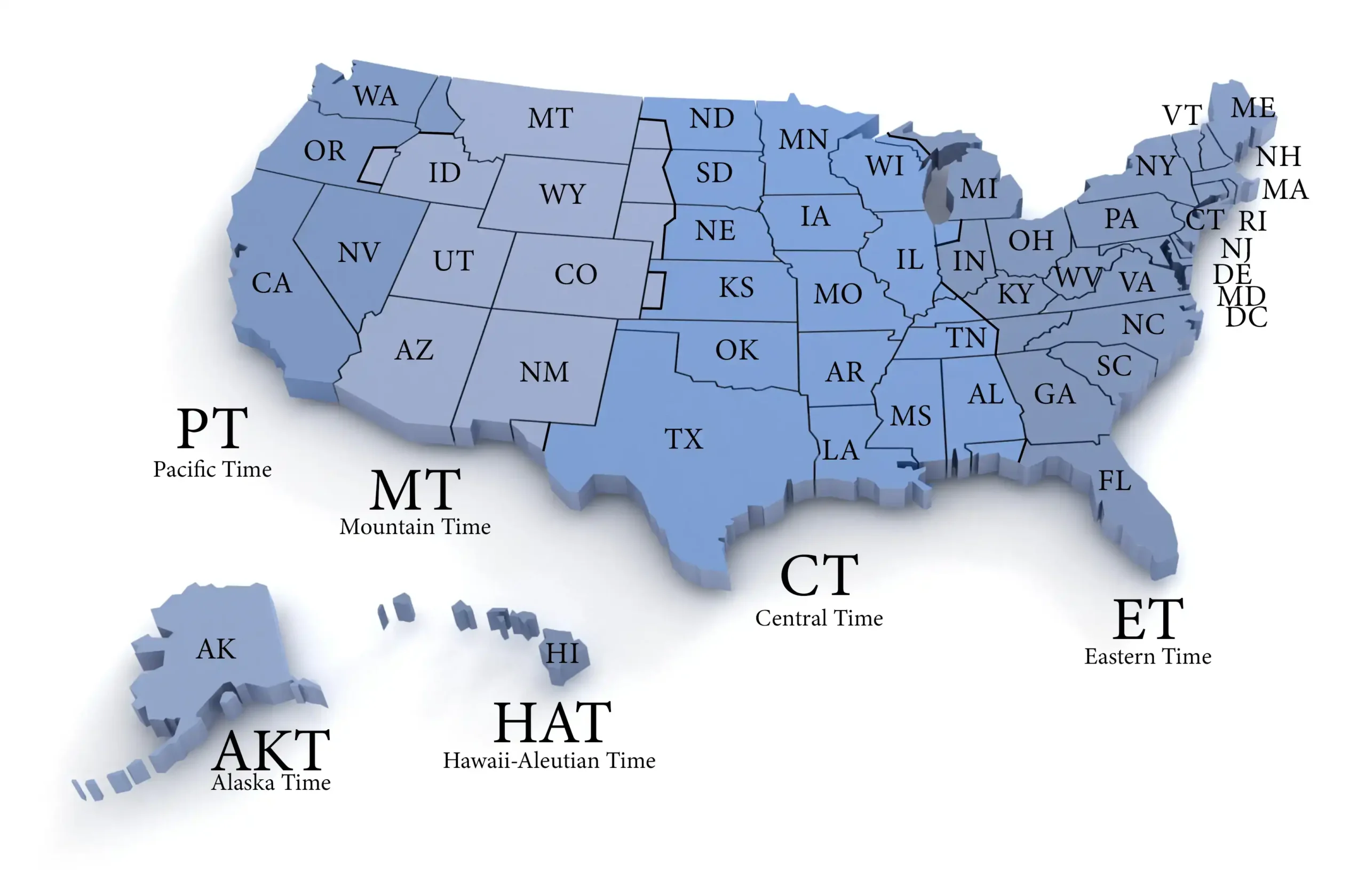
For travelers heading to El Paso or passing through western Hudspeth County, this time difference is extremely important. A flight scheduled to arrive at 3:00 PM CST in Dallas might mean a 2:00 PM MST arrival in El Paso. Similarly, a phone call from Houston at 10:00 AM CST would reach someone in El Paso at 9:00 AM MST. Neglecting this distinction can lead to missed appointments, late check-ins, or confusion over event timings.
The transition between CST and MST typically occurs around the Guadalupe Mountains National Park and just east of El Paso city limits. While the exact boundary can be a bit fluid in rural Hudspeth County, travelers should assume MST once they are west of the town of Sierra Blanca. This region is home to stunning natural landmarks, including parts of the Chihuahuan Desert and the magnificent Guadalupe Mountains, drawing nature enthusiasts and adventurers who must remain mindful of the time change.
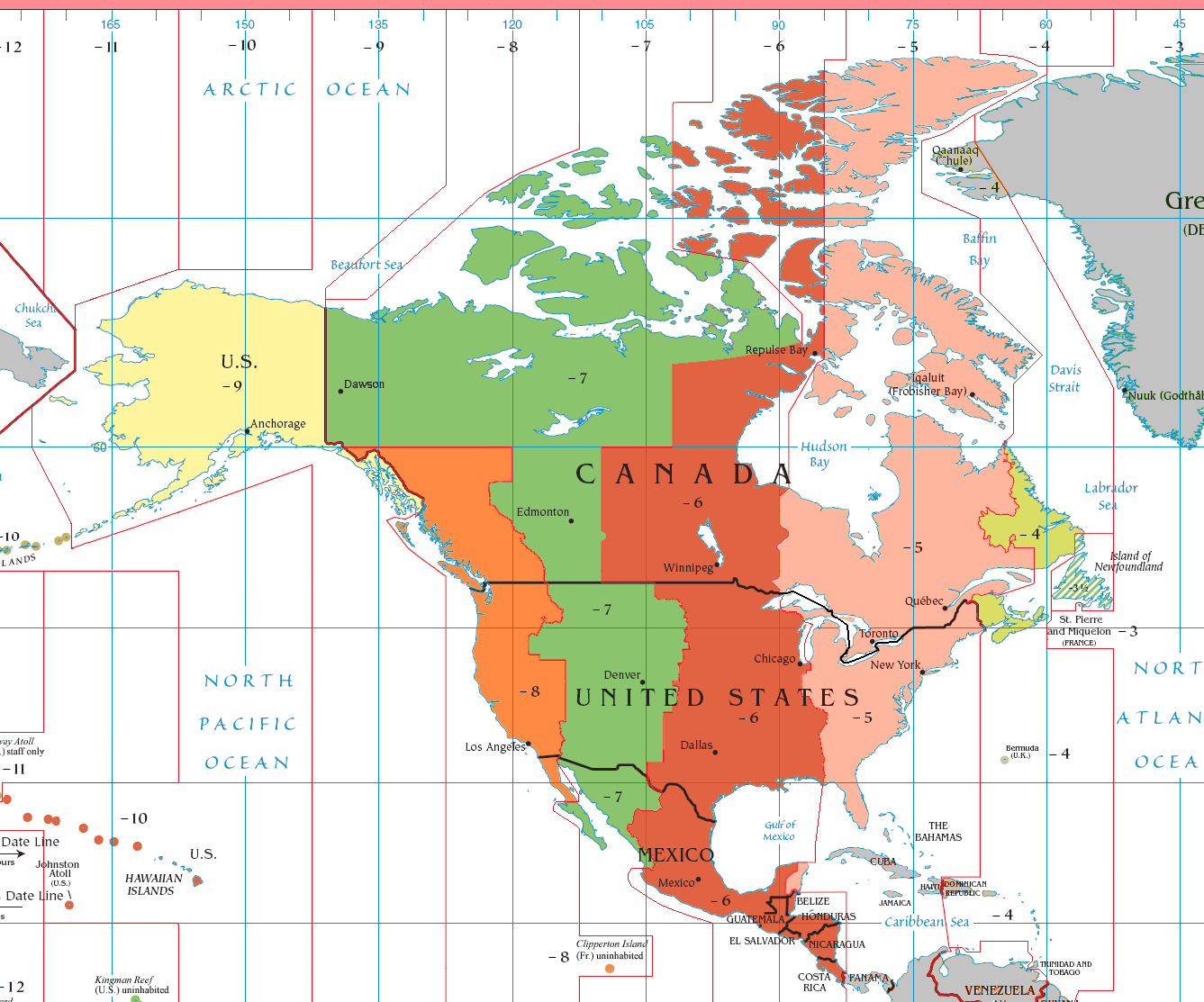
Navigating Time Zones Across the Lone Star State
Understanding the time zone split in Texas is not merely a piece of trivia; it’s a practical necessity that impacts various aspects of travel, accommodation, and lifestyle within the state.
Impact on Travel Planning
The grandeur of Texas often involves extensive travel, whether by air or road. The time zone difference can significantly affect travel planning:
- Flight Schedules: When booking flights, especially those with connections or originating/terminating in El Paso, always confirm whether the times listed are local to the departure or arrival city. Airlines typically provide times in local zones, but a quick double-check can prevent misinterpretations.
- Road Trips: Driving across Texas is an epic experience, taking days to traverse its breadth. If you’re driving from Houston to El Paso, for example, you’ll cross the time zone boundary. This means gaining an hour when heading west and losing an hour when heading east. For long-haul truckers, family vacationers heading to Big Bend National Park or Big Bend Ranch State Park, or those exploring the Chihuahuan Desert landscapes, adjusting watches and schedules at the appropriate point is crucial.
- Business Meetings and Conferences: For business travelers, precision is key. A remote meeting scheduled for 10:00 AM CST will be 9:00 AM MST in El Paso. Misunderstandings can lead to missed deadlines or appointments. Always specify the time zone when scheduling calls or meetings involving participants from both parts of the state.
- Coordinating with Friends and Family: Keeping in touch with loved ones across the state also requires awareness. A casual call at 8:00 PM from Austin might interrupt dinner in [El Paso](https://lifeoutofthebox.com/el-paso] at 7:00 PM.
Accommodation and Bookings
Hotels, resorts, apartments, and other forms of accommodation rely heavily on precise timings for check-ins, check-outs, and amenity usage.
- Check-in/Check-out Times: When booking a hotel like the Hyatt Regency El Paso, ensure you’re aware of the local time for check-in. Arriving “on time” according to your CST watch when the hotel is on MST means you’re an hour early, which can be fine, but the reverse can lead to late arrival penalties or missed reservation slots.
- Restaurant Reservations and Tours: Dining experiences and guided tours, especially in popular tourist areas, often have strict schedules. A reservation at a renowned El Paso restaurant for 7:00 PM MST should not be confused with 7:00 PM CST. Similarly, tours to local landmarks or national parks departing at a specific time will adhere to the local time zone.
- Long-Term Stays: For those planning an extended stay or temporary relocation within Texas, understanding the local time zone is fundamental for daily routines, school schedules, and local community engagement. Whether you’re settling into a corporate apartment in Houston or a villa near El Paso, your internal clock will need to synchronize with the local rhythm.
Local Experiences and Lifestyle Considerations
The impact extends beyond mere scheduling, influencing the very rhythm of life and travel styles.
- Daylight Saving Time (DST): Both CST and MST areas of Texas observe Daylight Saving Time. This means the one-hour difference between them remains constant throughout the year. On the designated spring and fall dates, both zones will adjust their clocks accordingly (spring forward, fall back), maintaining their respective UTC offsets.
- Sunrise and Sunset: The time zone difference also impacts natural light. El Paso experiences later sunrises and sunsets compared to Houston] due to its westward location and MST. This can affect outdoor activities, photography plans, or simply the perception of the day’s length, which is a key element of lifestyle and tourism experiences.
- Jet Lag (Within State Lines): While not true jet lag, the one-hour shift when traveling between CST and MST zones can cause a minor disruption to one’s internal clock, particularly for sensitive individuals or young children. Families on vacation should account for this when planning activities and bedtimes.
- Luxury Travel vs. Budget Travel: For luxury travelers, perfectly coordinated itineraries for private jet charters or exclusive events require meticulous time zone planning. Budget travelers, on the other hand, might leverage longer daylight hours in the west for extended sightseeing at places like Monahans Sandhills State Park or Cadillac Ranch. Business travelers on tight schedules cannot afford any miscalculation.
Historical Context and Geographical Influence
The establishment of time zones across the United States in the late 19th century was primarily driven by the needs of the burgeoning railroad industry, which required a standardized time system to prevent collisions and streamline schedules. Before this, towns operated on local solar time, leading to confusing and dangerous discrepancies.
Texas’s situation perfectly illustrates the pragmatic approach taken by authorities. Its immense east-west expanse naturally crosses multiple meridians. While it technically could fall into three time zones based purely on longitude, the decision to split it into two (mostly CST, with El Paso and western Hudspeth County in MST) balances geographical accuracy with practical administrative and economic considerations.
El Paso’s inclusion in MST is a testament to its unique position at the far western edge of the state, nestled along the Rio Grande and bordering New Mexico and Mexico. The mountainous terrain of the region, including the Guadalupe Mountains and the Franklin Mountains, aligns it more naturally with the Mountain West. This placement fosters smoother coordination with its immediate neighbors, facilitating cross-border commerce, cultural exchange, and travel between sister cities like El Paso and Ciudad Juárez. It underscores that time zones are not just lines on a map but reflections of human geography and connectivity.
In essence, the time zone division within Texas is a fascinating geographical and historical artifact. It reminds us of the state’s vastness and its diverse connections, from the heart of the Central Plains to the rugged peaks of the Mountain West.
In conclusion, when asking “Is Texas CST?”, the answer is predominantly yes, but with a critical caveat. The vast majority of the state, including major hubs like Dallas, Houston, Austin, and San Antonio, operates on Central Standard Time. However, the unique position of El Paso and western Hudspeth County places them firmly in Mountain Standard Time, one hour behind the rest of the state.
For anyone planning to explore the diverse landscapes, vibrant cities, and rich culture of Texas, mastering this time zone distinction is a small but vital step towards a seamless and enjoyable experience. Whether you’re booking a luxury resort, planning a budget road trip, or coordinating a crucial business meeting, a quick check of the local time zone will ensure you stay perfectly in sync with the rhythm of the Lone Star State. Always remember to “think local time” when making arrangements in Texas, especially if your journey takes you from one end of this magnificent state to the other.
LifeOutOfTheBox is a participant in the Amazon Services LLC Associates Program, an affiliate advertising program designed to provide a means for sites to earn advertising fees by advertising and linking to Amazon.com. Amazon, the Amazon logo, AmazonSupply, and the AmazonSupply logo are trademarks of Amazon.com, Inc. or its affiliates. As an Amazon Associate we earn affiliate commissions from qualifying purchases.