
Understanding the current and typical temperatures in Boston, Massachusetts is paramount for any traveler planning a visit to this historic and vibrant city. While an immediate temperature reading is a fleeting snapshot, comprehending Boston’s diverse climate, seasonal shifts, and how these impact travel experiences is key to a comfortable and fulfilling trip. Boston offers distinct charms in every season, each accompanied by its unique weather patterns, requiring thoughtful preparation to fully enjoy its rich culture, historical sites, and modern attractions.
Understanding Boston’s Dynamic Climate
Boston experiences a humid continental climate, characterized by four distinct seasons, each bringing significant temperature variations. Its location on the Atlantic coast of Massachusetts means it’s influenced by both continental air masses and oceanic systems, leading to sometimes unpredictable weather.

Seasonal Fluctuations and Weather Patterns
Spring (March-May): Spring in Boston is a period of transition, often unpredictable. Early spring can still feel like winter, with temperatures ranging from the low 30s to high 40s Fahrenheit (0-10°C), while late spring sees a warming trend, pushing averages into the 50s and 60s Fahrenheit (10-20°C). Rain is common, and sunny days can quickly turn chilly. Travelers should anticipate a mix of conditions, from crisp mornings to mild afternoons.
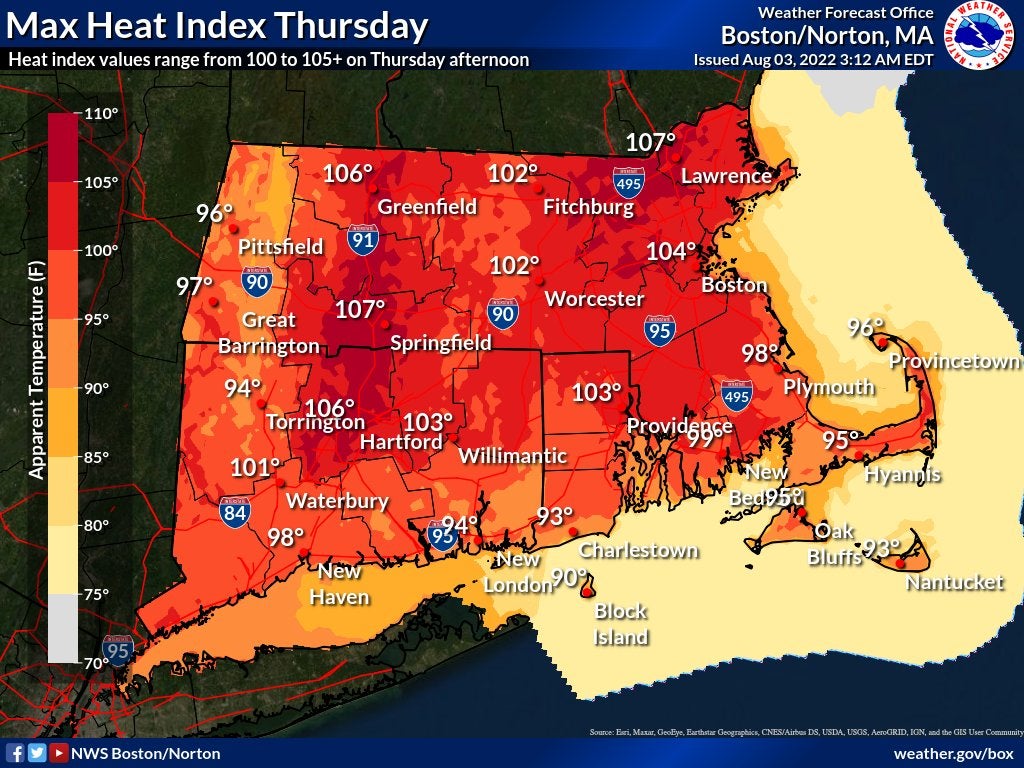
Summer (June-August): Summers are typically warm to hot and often humid. Average daytime temperatures range from the mid-70s to low 80s Fahrenheit (24-28°C), with occasional heatwaves pushing temperatures into the 90s Fahrenheit (32°C and above). Evenings are generally pleasant, cooling slightly. This is the peak tourist season, largely due to the favorable weather for outdoor activities.
Autumn (September-November): Autumn is arguably one of the most beautiful times to visit Boston. Temperatures are comfortable, ranging from the low 50s to high 60s Fahrenheit (10-20°C) in September and October, gradually dropping into the 40s Fahrenheit (4-9°C) by November. The humidity decreases, and the city is awash in stunning fall foliage, particularly outside the urban core but visible in parks like Boston Common and the Public Garden.
Winter (December-February): Winters are cold, with average temperatures often hovering around freezing, from the low 20s to high 30s Fahrenheit (-5 to 3°C). Snowfall is common and can range from light dustings to significant blizzards. Icy conditions are also a possibility. Despite the chill, Boston takes on a magical, festive atmosphere, especially around the holidays.
Microclimates and Coastal Influence
While Boston generally follows these seasonal patterns, its coastal proximity introduces subtle microclimates. Areas directly on the Boston Harborwalk or along the Charles River Esplanade may experience cooler breezes, particularly in summer, or feel more exposed to harsh winds in winter. Urban heat islands can also make central areas feel slightly warmer than outlying neighborhoods. Always check the forecast for specific neighborhoods if planning activities there.
Planning Your Boston Trip: What to Pack and Expect
The current temperature dictates daily attire, but seasonal averages guide overall packing strategy for a successful Boston travel experience.
Spring’s Unpredictable Charm
Pack layers. A waterproof or water-resistant jacket is essential, along with sweaters, long-sleeved shirts, and comfortable walking shoes. Even on a sunny day, an unexpected shower or a drop in temperature can occur. Umbrellas are highly recommended.
Summer’s Warm Embrace
Lightweight, breathable clothing is key for summer visits. Shorts, t-shirts, and sundresses are ideal. However, bringing a light sweater or jacket for cooler evenings, air-conditioned indoor spaces, or breezy boat tours is advisable. Sunscreen, sunglasses, and a hat are a must, especially if exploring the Freedom Trail or enjoying the outdoors.
Autumn’s Crisp Beauty
Layering remains important for autumn. Medium-weight sweaters, long-sleeved shirts, jeans, and comfortable pants are suitable. A versatile jacket – perhaps a trench coat or a lighter down jacket – is perfect for daytime, while a warmer coat might be needed for evenings, especially later in the season. Sturdy, closed-toe shoes are recommended for walking and enjoying the fall foliage.
Winter’s Chilly Wonderland
Winter travel to Boston demands serious cold-weather gear. A heavy, insulated winter coat (waterproof if possible), warm hats, gloves or mittens, scarves, and thermal layers are essential. Waterproof boots with good traction are crucial for navigating snow and ice. Wool socks will keep your feet warm and dry.

Activities and Experiences Tailored to the Weather
Boston’s array of attractions can be enjoyed year-round, but specific activities are enhanced or restricted by the prevailing temperatures.
Outdoor Adventures for Pleasant Days
When temperatures are mild (typically spring, summer, and fall), Boston truly shines outdoors.
- Historical Walks: Embark on the Freedom Trail, a 2.5-mile path that winds through significant historical sites like Faneuil Hall Marketplace and the Old North Church.
- Park Exploration: Stroll through Boston Common and the adjacent Public Garden, perhaps enjoying a swan boat ride in the latter during warmer months.
- Waterfront Activities: Enjoy harbor cruises, whale watching tours (seasonal), or simply walk along the Harborwalk in the Seaport District.
- Sports: Catch a Boston Red Sox game at Fenway Park from April through September.
Indoor Escapes for Inclement Weather
On colder, rainy, or extremely hot days, Boston’s world-class indoor attractions offer perfect refuge.
- Museums: Explore the Museum of Fine Arts, the Isabella Stewart Gardner Museum, the Museum of Science, or the New England Aquarium.
- Historic Buildings: Visit the Granary Burying Ground or the Massachusetts State House.
- Shopping: Wander through Faneuil Hall Marketplace or the boutiques along Newbury Street in Back Bay.
- Dining: Indulge in culinary delights in the North End, Boston’s historic Italian neighborhood, or enjoy fine dining throughout the city.
Seasonal Events and Festivals
Temperature also dictates the timing of many beloved Boston events.
- Spring: The Boston Marathon in April and St. Patrick’s Day celebrations in March take place when temperatures are often cool and crisp.
- Summer: Outdoor concerts, festivals, and Fourth of July celebrations along the Charles River thrive in the warm weather.
- Autumn: Fall brings harvest festivals and opportunities to enjoy the changing leaves.
- Winter: Holiday markets, ice skating on the Boston Common Frog Pond, and festive lights transform the city into a winter wonderland.
Essential Tips for Staying Comfortable in Boston
Regardless of the season, a few universal tips will enhance your travel comfort in Boston.
Layering Strategies
Always dress in layers. Boston’s weather, particularly in spring and fall, can change rapidly from morning to afternoon, or even from one hour to the next. Layers allow you to adapt quickly to temperature fluctuations, ensuring you’re never too hot or too cold.
Hydration and Sun Protection
Even in cooler temperatures, walking around a city requires hydration. Carry a water bottle, especially during extensive walking tours. In sunny conditions, regardless of the heat, use sunscreen and consider wearing a hat and sunglasses to protect against UV rays.
Footwear Choices
Boston is a highly walkable city, with many of its attractions within walking distance of each other. Comfortable, broken-in shoes are non-negotiable for exploring the cobblestone streets and extensive pathways. In winter, waterproof boots with good grip are essential for snow and ice.
Beyond the Thermometer: Other Travel Considerations
While temperature is a primary concern, other factors related to the season also play a role in shaping your Boston experience.
Peak vs. Off-Peak Seasons
Summer and fall foliage season (late September to October) are considered peak travel times due to pleasant temperatures and numerous outdoor activities. Expect larger crowds, higher accommodation prices, and busier attractions.
Winter and early spring are off-peak, offering fewer crowds and potentially lower costs, but require preparation for colder weather. Some attractions or outdoor activities may have reduced hours or be unavailable.
Local Transportation and Weather
Boston’s public transportation system, the “T” (subway), is extensive and an excellent way to navigate the city, especially during inclement weather. Consider using it instead of walking long distances in extreme heat, cold, or rain. Taxis and ride-shares are also readily available.
Emergency Preparedness
Be aware of severe weather alerts, especially during winter storms or summer heatwaves. Local news and weather apps are good resources. Familiarize yourself with your accommodation’s emergency procedures and local resources if needed.
In conclusion, while the “right now” temperature in Boston is dynamic, understanding its seasonal climate empowers you to plan a truly memorable and comfortable travel experience. By packing appropriately and aligning your activities with the weather, you can fully embrace all that this historical gem has to offer, from its bustling streets to its serene parks and vibrant cultural scene.
LifeOutOfTheBox is a participant in the Amazon Services LLC Associates Program, an affiliate advertising program designed to provide a means for sites to earn advertising fees by advertising and linking to Amazon.com. Amazon, the Amazon logo, AmazonSupply, and the AmazonSupply logo are trademarks of Amazon.com, Inc. or its affiliates. As an Amazon Associate we earn affiliate commissions from qualifying purchases.