
Navigating accommodation options in Boston can present a significant challenge for budget-conscious travelers. As one of the United States’ oldest and most historically significant cities, its popularity, coupled with a dense urban core and limited developable land, often translates to higher lodging costs. However, securing an affordable and comfortable stay in Boston is entirely achievable with strategic planning, a keen understanding of the city’s neighborhoods, and a willingness to explore various accommodation types beyond conventional hotels. This guide delves into the specifics of finding value-driven lodging, focusing on comparison, booking strategies, and reviews to ensure your visit remains financially feasible without compromising on experience.

Understanding Boston’s Accommodation Landscape for Value Seekers
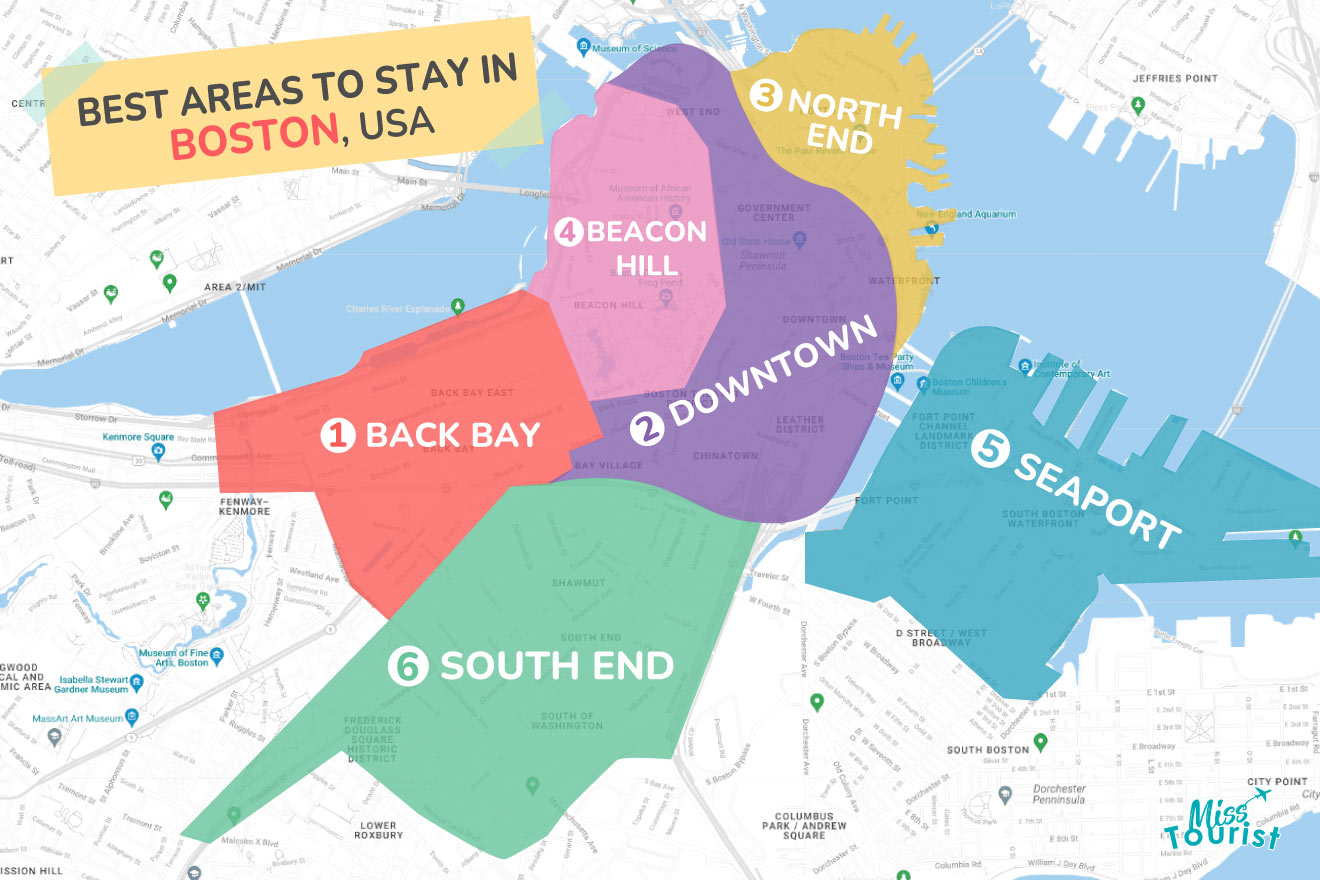
Boston’s hotel market is diverse, ranging from opulent luxury properties in the Back Bay to more modest offerings on the city’s periphery. For those on a budget, the key lies in understanding that proximity to major attractions often directly correlates with price. Expanding your search radius slightly beyond the immediate downtown core can yield substantial savings, especially if you leverage Boston’s efficient public transportation system, the MBTA, affectionately known as the “T.”
Key Neighborhoods for Budget-Friendly Stays
While iconic areas like Beacon Hill or the Seaport District command premium rates, several neighborhoods offer a more accessible entry point for accommodation. These areas typically provide a good balance of affordability, local character, and reasonable access to the city’s highlights via the MBTA subway or bus lines.
- Allston / Brighton: These adjacent neighborhoods, often characterized by their vibrant student populations due to proximity to universities, offer a younger vibe and a broader selection of budget-friendly hotels and guesthouses. Accommodation here is generally less expensive than in the city center, and both areas are well-served by the MBTA Green Line, providing direct access to downtown Boston within 20-30 minutes. The dining and entertainment scenes in Allston and Brighton also tend to be more affordable, adding to overall cost savings.
- Cambridge / Somerville: Just across the Charles River from Boston, Cambridge and Somerville are distinct cities but are often considered by visitors to Boston due to their excellent MBTA connections. While parts of Cambridge (like Harvard Square or Kendall Square) can be pricey, areas further out, particularly in Somerville or near the Red Line in Cambridge (e.g., Porter Square), can offer better value. These areas boast unique cultural scenes and a strong sense of community.
- Fenway-Kenmore: While home to Fenway Park and thus capable of high prices during baseball season, outside of game days, this area can sometimes present more moderate hotel rates compared to the absolute city center. Its proximity to universities also means there are a few mid-range options and good public transport links.
The Impact of Timing on Accommodation Prices
Like many popular destinations, accommodation prices in Boston fluctuate significantly with demand. Peak tourist season, generally from late spring through early fall, sees the highest rates. Additionally, major events such as the Boston Marathon in April, college graduation weekends in May, or popular conventions can drive prices sky-high.
- Off-Season Travel: Visiting in late fall (November excluding Thanksgiving), winter (January-March excluding holidays), or very early spring can yield substantial savings. While the weather might be colder, Boston offers plenty of indoor attractions, and the city takes on a different, charming character.
- Booking in Advance: Regardless of the season, booking your accommodation several months in advance (3-6 months is ideal for peak season) almost always secures better rates. Last-minute deals are rare in Boston’s competitive market, especially for budget-friendly options.
- Mid-Week Stays: Weekday nights are generally less expensive than weekend nights, particularly for business-oriented hotels in the downtown or financial districts. Consider a Sunday through Thursday stay to maximize your budget.
Budget-Friendly Hotel Options
While “budget” hotels in Boston might not be as cheap as in some other cities, there are categories that consistently offer better value than full-service luxury establishments. The focus here is on clean, safe, and well-located properties that prioritize essential amenities over extensive services.
Chain Hotels and Extended Stay Properties
Several national chain hotels maintain a presence in and around Boston, often providing consistent quality at a more manageable price point. These typically include brands like Holiday Inn Express, Courtyard by Marriott, Hampton Inn, or Comfort Inn. Look for these properties slightly outside the immediate city center but still within easy reach of the MBTA.
- Courtyard by Marriott Boston Downtown: While still downtown, this property can sometimes offer competitive rates compared to other core hotels, providing good value for its location.
- Holiday Inn Express Boston: With locations often slightly further out (e.g., Dorchester or Cambridge access points), these hotels reliably include free breakfast and Wi-Fi, which significantly adds to budget savings.
- Extended Stay America: For longer visits, properties like Extended Stay America (e.g., in Waltham, Burlington, or other suburbs) offer kitchenettes, allowing guests to prepare some meals and further reduce food costs. While these are outside Boston, they are designed for longer stays and often come with more space and amenities for the price, requiring a commute.
Boutique Hotels and Independent Inns with Value
Occasionally, smaller, independent hotels or guesthouses can surprise with competitive pricing, especially if they are slightly off the main tourist paths or offer a unique, more compact room style.
- The Revolution Hotel: Located in the South End, this boutique hotel offers “micro rooms” and standard rooms, often at a more accessible price point than comparable hotels in the city. It’s known for its stylish design and community feel, with good public transport links. It’s a prime example of where a modern concept can provide good value in a central location.
- Guesthouses and B&Bs: In neighborhoods like Jamaica Plain or parts of Cambridge and Somerville, you might find charming guesthouses or bed and breakfasts. These often provide a more personalized experience, and some can offer better value than large hotels, especially for stays that include breakfast. Reviews are crucial here to ensure quality and location.
Alternative Accommodation Solutions for Deep Savings
For travelers seeking the absolute lowest prices, or those who prefer a different kind of lodging experience, Boston offers several non-traditional accommodation options.
Hostels: Social and Economical
Hostels are hands down the most budget-friendly option for solo travelers or small groups comfortable with shared spaces. Boston has a few reputable hostels that offer both dormitory-style beds and private rooms at a fraction of hotel costs.
- HI Boston Hostel: Centrally located in the Theater District, this is Boston’s premier hostel. It offers clean, modern facilities, a social atmosphere, and is within walking distance or a short T ride to many attractions. They offer both dorms and private rooms, with amenities like free Wi-Fi and often organized activities. Its prime location for the price is unbeatable for budget travelers.
Vacation Rentals (Airbnb/Vrbo) Considerations
Platforms like Airbnb and Vrbo can be a viable option, particularly for families, groups, or those desiring kitchen facilities. While not always cheaper than a budget hotel, especially for short stays due to cleaning fees and service charges, they can offer significant savings for longer visits or if you plan to cook your own meals.
- Strategic Location Selection: Focus on areas like Allston, Brighton, Jamaica Plain, Dorchester, or outer Cambridge and Somerville for better rates.
- Read Reviews Carefully: Pay close attention to guest reviews regarding cleanliness, host responsiveness, and the accuracy of the listing, especially concerning transportation access.
- Check All Fees: Always factor in cleaning fees, service charges, and local taxes when comparing prices, as these can significantly inflate the initial nightly rate.
University Dorms (Seasonal)
During the summer months, when students are away, some universities in the Boston area offer their dormitory rooms as budget accommodation. This is a highly seasonal and often very basic option, but it can provide incredibly low rates in well-located areas near campuses. Institutions like Boston University or Northeastern University may participate, but availability and booking methods vary yearly, so direct inquiry is necessary. This is a niche option but can be extremely cost-effective.
Tips for Maximizing Your Budget Stay
Beyond selecting the right type of accommodation and neighborhood, several strategies can further stretch your budget while staying in Boston.
Leveraging Public Transportation
One of the most effective ways to save on accommodation without being stranded far from the action is to fully utilize the MBTA. Staying a few subway stops out from the city center often translates to hundreds of dollars in savings over several nights.
- Charm Card: Purchase a reusable CharlieCard for lower fares than paper tickets and easily reload it. Consider a multi-day pass if you plan extensive use of the T.
- Research Commute Times: When comparing accommodation outside the core, always check the commute time to your primary points of interest using Google Maps or the MBTA website. A 20-30 minute subway ride is often a reasonable trade-off for significant savings.
Amenities That Save Money
When reviewing accommodation options, look beyond the nightly rate for inclusions that can reduce your overall travel costs.
- Free Breakfast: Many mid-range chain hotels and almost all hostels offer complimentary breakfast. This can save you $10-20 per person per day, adding up quickly.
- Kitchen or Kitchenette Access: If your accommodation has a kitchen (common in hostels and vacation rentals, or extended-stay hotels), you can prepare some of your own meals, significantly cutting down on dining expenses. Even having access to a refrigerator can save money on snacks and drinks.
- Free Wi-Fi: Almost a standard nowadays, but always confirm, as internet charges can add an unexpected cost.
- Laundry Facilities: For longer stays, on-site laundry can save you time and money compared to using external services.

Loyalty Programs and Discounts
If you frequently stay with a particular hotel brand, leverage their loyalty program. Points can often be redeemed for free nights, or you might qualify for member-exclusive discounts. Additionally, always check for special promotions, seasonal deals, or discounts for AAA members, seniors, or military personnel. Booking directly with the hotel’s website after comparison shopping can sometimes yield better rates or added perks than third-party sites, particularly if you’re a loyalty member.
By carefully considering these accommodation types, booking strategies, and cost-saving tips, a visit to Boston can be an enriching experience that respects your budget. The city rewards those who are willing to explore options beyond the most obvious, offering a wealth of comfortable and convenient places to stay without overspending.
LifeOutOfTheBox is a participant in the Amazon Services LLC Associates Program, an affiliate advertising program designed to provide a means for sites to earn advertising fees by advertising and linking to Amazon.com. Amazon, the Amazon logo, AmazonSupply, and the AmazonSupply logo are trademarks of Amazon.com, Inc. or its affiliates. As an Amazon Associate we earn affiliate commissions from qualifying purchases.