
The Boston Bombing, a tragic event that unfolded on April 15, 2013, indelibly marked the city of Boston and captured the world’s attention. What began as a joyous celebration of the Boston Marathon transformed into a scene of terror and devastation, raising urgent questions about the perpetrators and their motives. Understanding who was responsible requires a detailed historical recounting of the events, the swift investigation that followed, and the eventual apprehension and conviction of those who committed this heinous act. This incident stands as a profound moment in recent American history, remembered for both its horror and the extraordinary resilience of a community.
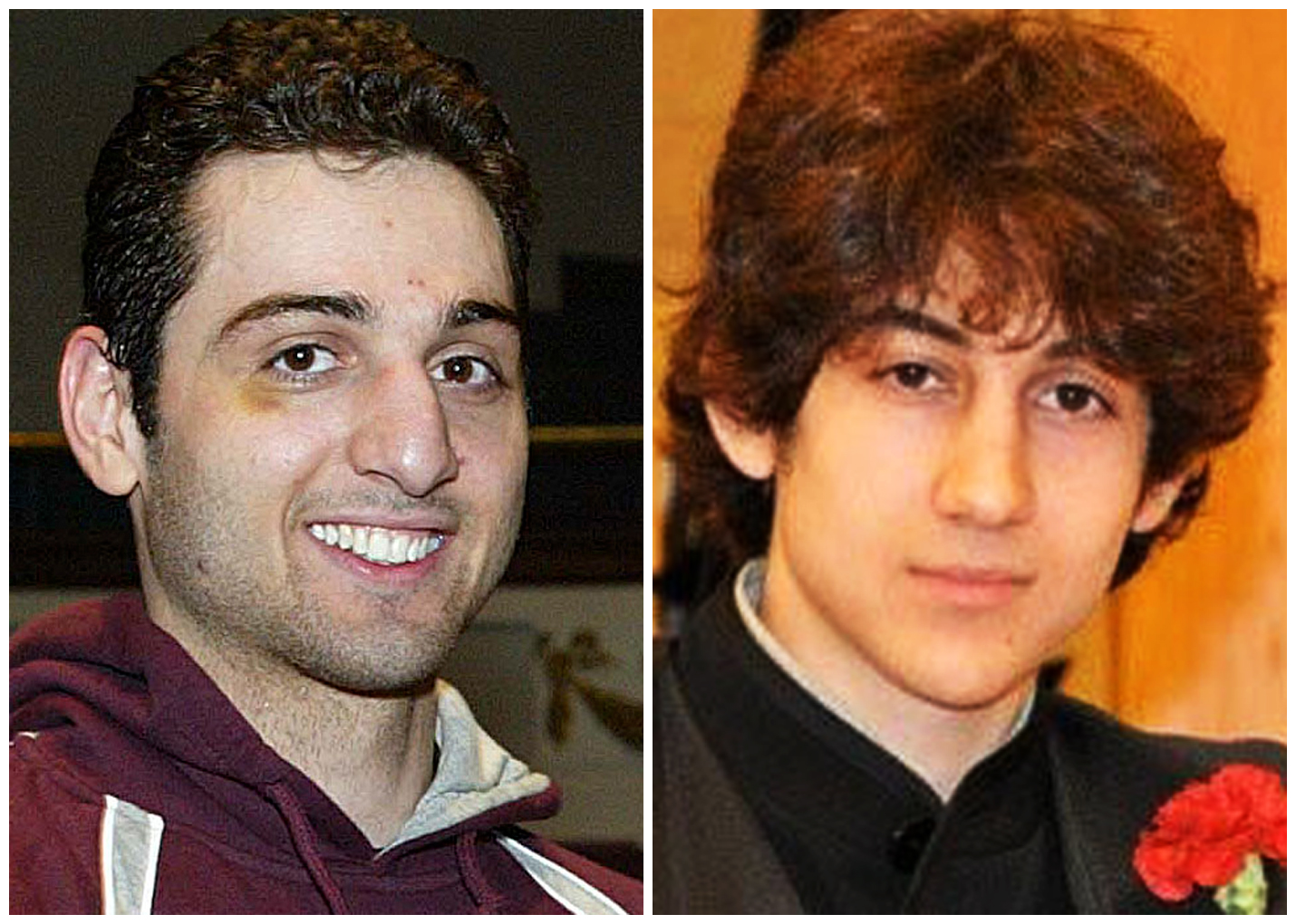
The Day That Shook a City
The second Monday in April is a special day in Massachusetts. Known as Patriot’s Day, it commemorates the battles of Lexington and Concord, marking the start of the American Revolutionary War. For over a century, this holiday has been synonymous with the Boston Marathon, an iconic road race that draws thousands of runners and hundreds of thousands of spectators to the streets of Boston.
The Tranquility of Patriot’s Day
On April 15, 2013, the atmosphere along the marathon route was, as always, festive and vibrant. Runners, many having trained for months or even years, pushed towards the finish line on Boylston Street, cheered on by an enthusiastic crowd of friends, family, and strangers. The weather was mild, and the city hummed with the energy of this cherished annual tradition. Families enjoyed picnics, onlookers clapped, and the air was thick with anticipation as elite athletes finished and amateur runners continued their grueling journeys. It was a perfect encapsulation of community spirit and athletic endeavor.
The Blasts on Boylston Street
At approximately 2:49 p.m., just hours after the first runners had crossed the finish line, the tranquility was shattered by two powerful explosions. The first bomb detonated near the finish line at 671 Boylston Street, followed by a second blast about 12 seconds later and 170 meters down the street, near 755 Boylston Street. The devices, later identified as crude pressure-cooker bombs packed with shrapnel, instantly transformed the celebratory scene into one of chaos and terror. Smoke billowed, debris rained down, and screams filled the air as people realized the horrific nature of what had just occurred. Three spectators—Martin Richard, Krystle Campbell, and Lingzi Lu—were killed, and an estimated 264 others were injured, many suffering grievous, life-altering wounds, including traumatic amputations. First responders, volunteers, and even other marathon participants rushed into the fray, providing immediate aid amidst the unfolding tragedy, showcasing an immediate outpouring of heroism and humanity.
Unraveling the Attack: The Swift Investigation
In the immediate aftermath of the Boston Bombing, the focus swiftly shifted from rescue to investigation. The incident prompted an unprecedented law enforcement response, combining federal, state, and local agencies in a relentless pursuit of those responsible. The goal was not only to identify the perpetrators but also to understand their methods and motives to prevent future attacks.
Initial Response and Community Resilience
The scene on Boylston Street was quickly secured, transformed into a massive crime scene by the Federal Bureau of Investigation (FBI) and other agencies. Forensic teams meticulously scoured the area for evidence, collecting fragments of the bombs, shrapnel, and other clues that could point to the identity of the attackers. Hospitals across Boston and surrounding areas were inundated with casualties, and medical professionals worked tirelessly to save lives and treat the wounded. Simultaneously, the city, while reeling from the shock, began to unite under the banner of “Boston Strong,” a phrase that quickly became a symbol of defiance and solidarity. Businesses and individuals offered support to victims and first responders, demonstrating the powerful community spirit that emerged in the face of adversity. This collective resolve became a hallmark of Boston’s response, drawing admiration from around the world.
The Hunt Begins: Surveillance and Public Appeals
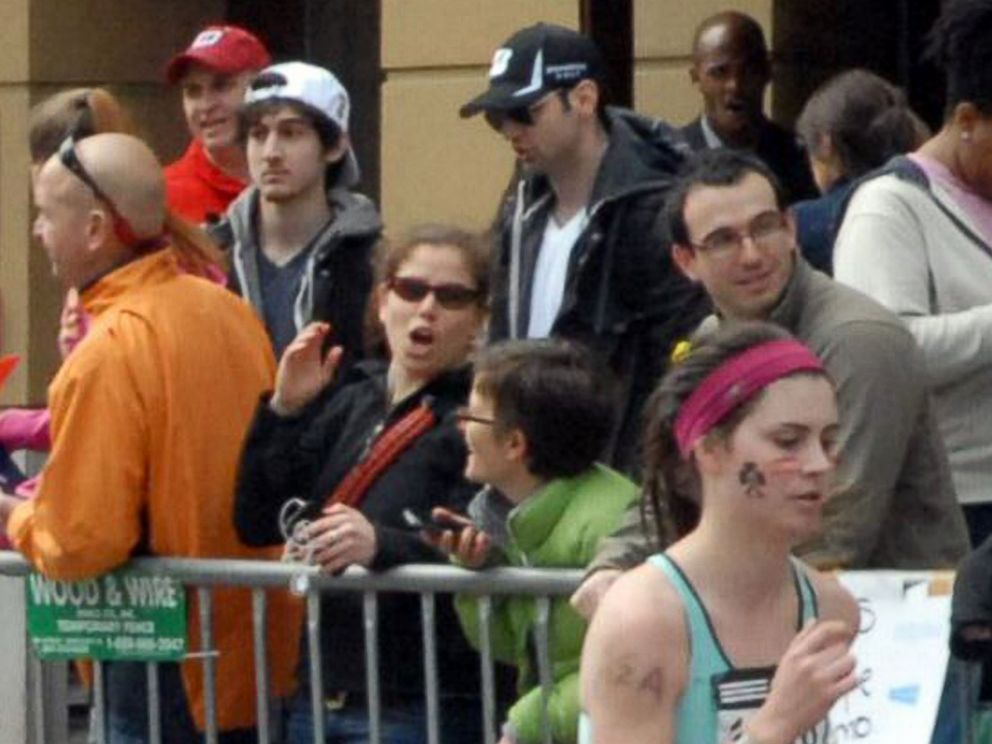
The investigation rapidly intensified, leveraging an immense amount of digital and physical evidence. Law enforcement appealed to the public for photographs and videos taken near the finish line, collecting thousands of pieces of media that could contain vital clues. By carefully reviewing surveillance footage from businesses and street cameras along the marathon route, investigators began to piece together a timeline and identify suspicious individuals. Within days, the FBI released images of two young men, labeled “Suspect 1” and “Suspect 2,” urging the public to help identify them. These images showed two individuals walking calmly through the crowd, carrying backpacks, and then leaving the area just before the explosions. This public appeal was a critical turning point, shifting the investigation from a broad search to a targeted manhunt. The clock was ticking, with authorities determined to prevent any further acts of violence.
The Perpetrators: A Disturbing Revelation
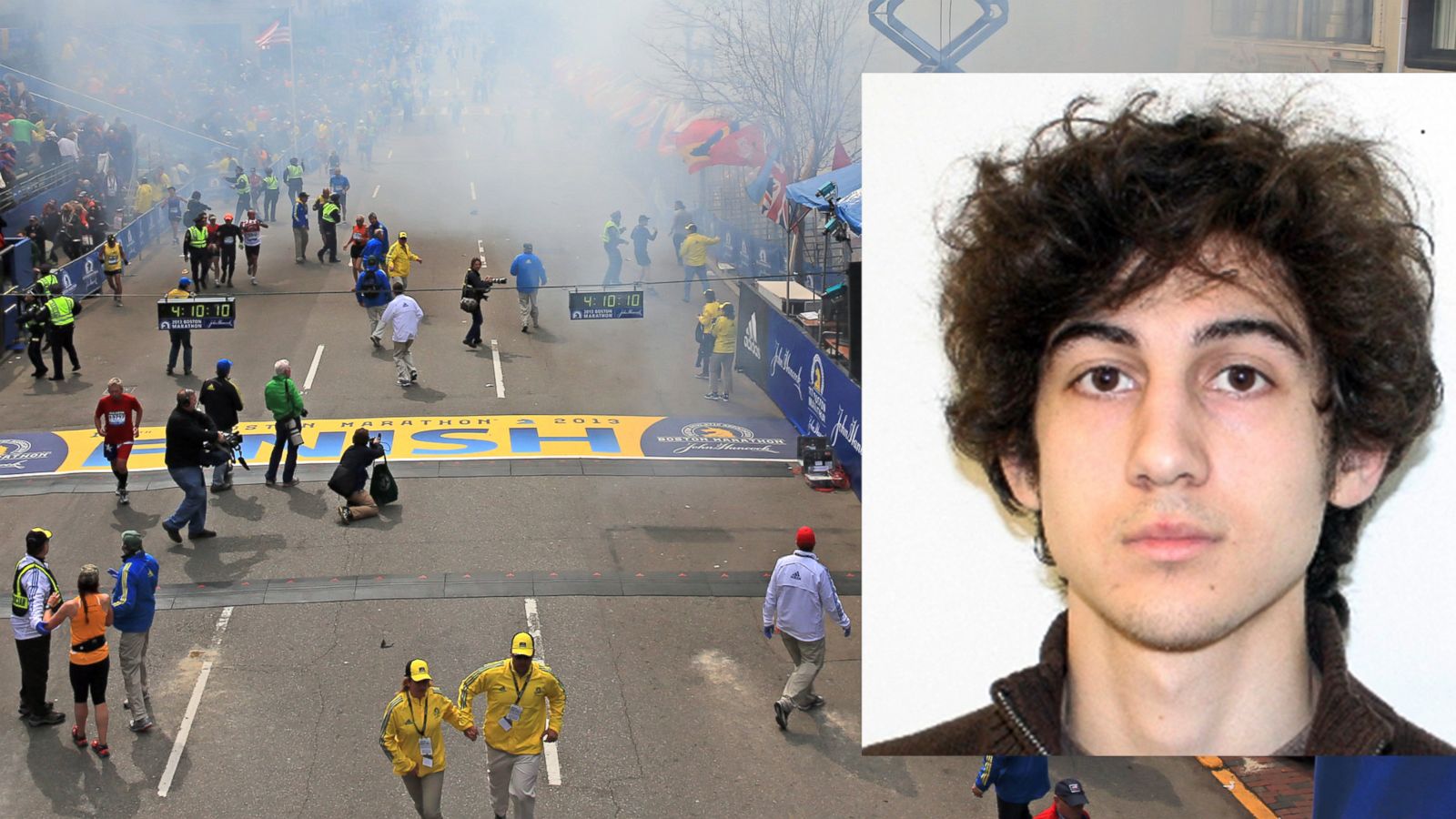
The release of the suspects’ images ignited a frantic search that ultimately led to the identification of two brothers, Tamerlan Tsarnaev and Dzhokhar Tsarnaev. Their identities revealed a complex and disturbing picture, challenging initial assumptions and plunging the nation into a dramatic, high-stakes manhunt.
Identifying the Tsarnaev Brothers
The two individuals identified by the FBI as “Suspect 1” and “Suspect 2” were brothers Tamerlan Tsarnaev and Dzhokhar Tsarnaev. Tamerlan, aged 26, was the older brother, while Dzhokhar was 19 at the time of the attack. Both were ethnic Chechens who had immigrated to the United States from Kyrgyzstan with their family as children, eventually settling in Cambridge, Massachusetts. Tamerlan had become increasingly radicalized in the years leading up to the bombing, reportedly influenced by extremist Islamic ideologies found online. He had traveled to Russia in 2012, raising some concerns with U.S. intelligence agencies, though no concrete evidence of terrorist activity was found at the time. Dzhokhar, on the other hand, appeared to be a relatively assimilated college student, attending the University of Massachusetts Dartmouth. The revelation that the bombers were seemingly ordinary residents of Massachusetts amplified the shock and grief, challenging perceptions of who could commit such an act of terror.
The Manhunt and Watertown Siege
The identification of the Tsarnaev brothers triggered an intense and highly publicized manhunt. On the night of April 18, just three days after the bombing, the brothers murdered MIT Police Officer Sean Collier in an attempt to steal his firearm. They then carjacked an SUV, taking its driver hostage, who later escaped and provided crucial information to the police. This led to a fierce shootout with law enforcement in Watertown, a suburb of Boston, in the early hours of April 19. During the confrontation, Tamerlan Tsarnaev was killed, succumbing to injuries sustained in the gun battle and being run over by his brother Dzhokhar as he fled the scene. MBTA Transit Officer Richard Donohue was also gravely wounded in the exchange of gunfire. Dzhokhar Tsarnaev managed to escape, prompting an unprecedented lockdown of Boston and its surrounding communities. Residents were ordered to stay indoors, public transportation was halted, and streets were deserted as thousands of law enforcement personnel systematically searched for the remaining suspect. The lockdown, a stark reminder of the gravity of the situation, culminated hours later when Dzhokhar was discovered hiding in a boat in a Watertown backyard, severely wounded but alive, bringing the intense manhunt to an end.
Justice and Legacy
The capture of Dzhokhar Tsarnaev concluded the immediate crisis, but it marked the beginning of a prolonged legal battle and a period of reflection for the city of Boston. The process of seeking justice for the victims and understanding the enduring impact of the attack became central to the city’s healing process.
Dzhokhar Tsarnaev’s Capture and Trial
Following his capture, Dzhokhar Tsarnaev was charged with 30 federal crimes, including use of a weapon of mass destruction and bombing a place of public use, resulting in death. His trial, which began in early 2015 in Boston, was a somber and emotionally charged proceeding. Prosecutors presented overwhelming evidence, including surveillance footage, forensic analysis, and Tsarnaev’s own confession scrawled inside the boat where he was found, stating the bombings were in retaliation for U.S. wars in Muslim lands. The defense argued that Dzhokhar was heavily influenced by his older, radicalized brother Tamerlan. However, the jury ultimately found Dzhokhar Tsarnaev guilty on all counts. In May 2015, he was sentenced to death. Subsequent appeals have been filed, but as of the most recent legal developments, the death sentence for the Boston Marathon bomber remains. The trial served as a critical step in providing a measure of closure for the victims and their families, affirming the rule of law in the face of terror.
Remembering the Victims and the Spirit of “Boston Strong”
The legacy of the Boston Bombing is deeply intertwined with the memory of those who lost their lives and the remarkable resilience displayed by the survivors and the community. The three victims killed on Boylston Street—Martin Richard, Krystle Campbell, and Lingzi Lu—are honored through various memorials and foundations established in their names, ensuring their stories are never forgotten. MIT Police Officer Sean Collier, who was murdered by the brothers during their escape, is also remembered as a hero who made the ultimate sacrifice in the line of duty.
The phrase “Boston Strong” transcended a mere slogan, becoming a powerful testament to the city’s unwavering spirit. It represented the collective courage of ordinary citizens, the dedication of first responders, and the deep bonds of community that emerged from the ashes of tragedy. Every year, on Patriot’s Day, the Boston Marathon takes on an added layer of significance, not just as a race but as an annual commemoration of strength, remembrance, and the triumph of humanity over hatred. Memorials near the finish line offer a place for reflection, ensuring that while the pain of the past remains, it is overshadowed by a shared commitment to remembrance and resilience.
Enduring Impact on Security and Community
The Boston Bombing had a profound and lasting impact on security protocols for large public events, not just in Boston but across the United States and internationally. There was a significant re-evaluation of how open-air events, such as marathons and parades, are secured. Measures such as increased police presence, expanded surveillance systems, limitations on bags and backpacks, and enhanced intelligence sharing between agencies became standard practice. The tragedy underscored the evolving nature of domestic terrorism and the challenge of identifying and neutralizing lone-wolf actors or small, self-radicalized groups.
Beyond security, the event fostered a deeper sense of community and civic engagement within Boston. It galvanized residents to support one another, to engage in public discourse about safety and freedom, and to work towards a future where such acts of violence cannot shatter the spirit of a city. The Boston Bombing serves as a historical marker, a stark reminder of vulnerability, but also a powerful testament to the enduring capacity of people to heal, unite, and move forward with courage and resolve. The perpetrators, the Tsarnaev brothers, are irrevocably linked to this dark chapter, but their actions ultimately illuminated the unwavering strength of the human spirit and the unbreakable bonds of community.
LifeOutOfTheBox is a participant in the Amazon Services LLC Associates Program, an affiliate advertising program designed to provide a means for sites to earn advertising fees by advertising and linking to Amazon.com. Amazon, the Amazon logo, AmazonSupply, and the AmazonSupply logo are trademarks of Amazon.com, Inc. or its affiliates. As an Amazon Associate we earn affiliate commissions from qualifying purchases.