
For visitors exploring the historic streets and vibrant neighborhoods of Boston, Ma, observing flags flying at half-mast can spark curiosity and provide a unique window into the local culture and civic life. These solemn displays are not random occurrences but are dictated by established protocols, reflecting moments of national mourning, state-specific remembrances, or profound respect for individuals who have served the community or nation. Understanding the reasons behind such observances enriches the tourism experience, allowing travelers to engage more deeply with the spirit and history of the city. As a hub of American history and a vibrant contemporary metropolis, Boston frequently participates in both federal and state-level commemorations, making flag etiquette a visible part of its public life. For a tourist, recognizing these signals offers a chance to pause, reflect, and appreciate the solemnity of specific moments that shape the collective consciousness of a destination.
Understanding Flag Etiquette and Public Observances in the United States
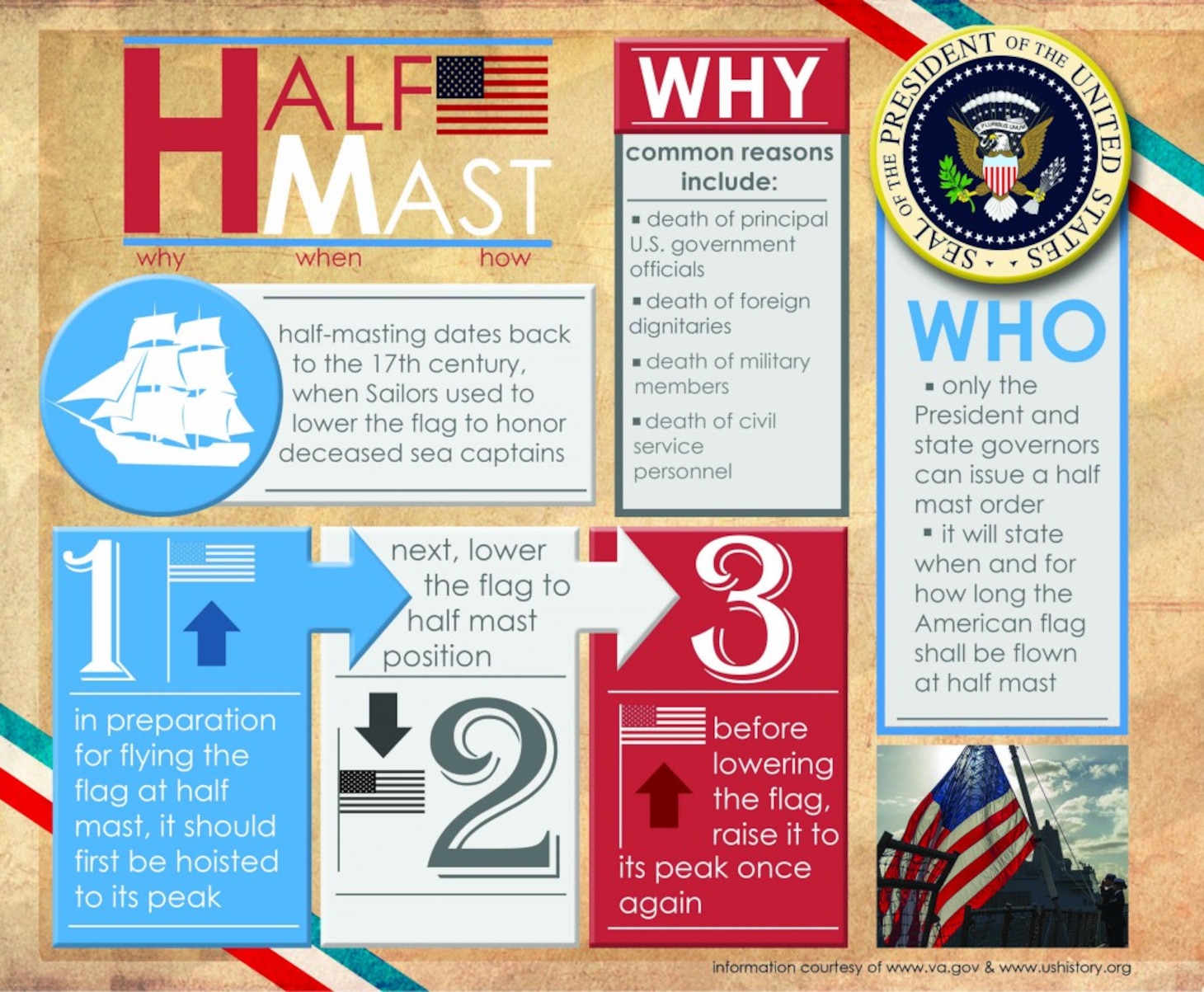
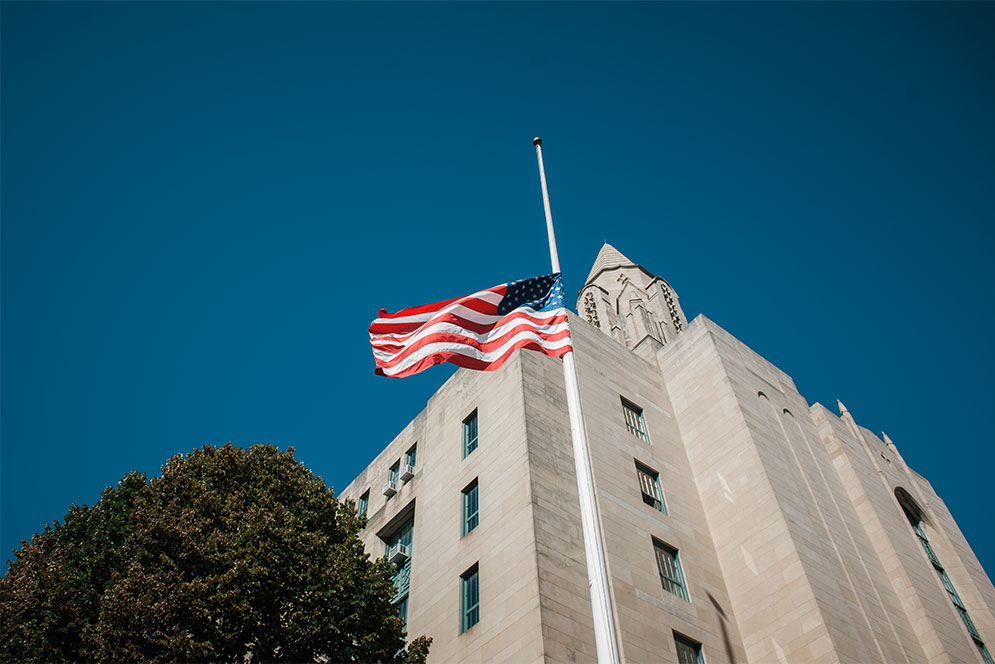
The practice of flying flags at half-mast (or half-staff, the terms are often used interchangeably, though “half-mast” typically refers to flags on ships or at naval stations, and “half-staff” for flags on land) is a deeply ingrained tradition signifying mourning, respect, or distress. For tourists visiting the United States, particularly in a city as historically significant as Boston, understanding this protocol is key to grasping an aspect of American civic culture. It’s a visual cue that the community is collectively acknowledging a significant event or loss, transforming public spaces into memorials, however temporary.
The Symbolism of Half-Mast Flags
When a flag is flown at half-mast, it communicates a message of sorrow and respect for a deceased individual or group, or a commemoration of a tragic event. The tradition is thought to have originated centuries ago as a sign of submission or distress, implying that the flag bearer’s own flag has been lowered to make way for the invisible “flag of death” flying above it. In modern American practice, it symbolizes a collective mourning and remembrance. For tourists encountering this, it’s a moment to observe local customs and potentially learn about a significant event that has impacted the community. Whether seen at prominent landmarks like the Massachusetts State House, city halls, or even local businesses, the lowered flag serves as a silent, powerful reminder of shared grief or honor. This visibility provides an opportunity for visitors to connect with the emotional pulse of the city beyond its standard attractions.
Federal vs. State Directives
The authority to order flags to half-mast in the United States typically rests with the President at the federal level and with governors at the state level. A Presidential Proclamation will instruct all U.S. flags flown over federal buildings, grounds, and naval vessels throughout the country and its territories to be lowered. This applies to flags near Boston as well, impacting federal sites like the John F. Kennedy Presidential Library and Museum or military installations.
Conversely, the Governor’s Office in Massachusetts can issue similar directives specifically for state-owned buildings and properties within the Commonwealth. These state-level orders often coincide with federal directives but can also be issued independently to commemorate local figures, state tragedies, or specific Massachusetts historical anniversaries. For tourists, recognizing this distinction can be interesting: a flag at half-mast might signify a national event, or a uniquely local one that provides deeper insight into Massachusetts’s identity and history. Knowing where to look for official announcements can help a curious visitor understand the specific reason for such an observance during their stay.
Common Reasons for Flag Observances in Massachusetts
Massachusetts, with its rich history and strong civic traditions, frequently participates in flag observances for a variety of reasons. For tourists, these moments offer a unique lens through which to view the state’s values, its commemorations of the past, and its responses to contemporary events. Understanding these common triggers can help visitors interpret the visual cues around them and deepen their appreciation for the local culture.
National Tragedies and Mourning Periods
Flags throughout Boston and across Massachusetts are consistently lowered following national tragedies, often by Presidential Proclamation. These can include the death of a sitting or former U.S. President, Vice President, Chief Justice, Speaker of the House, or other high-ranking government officials. Major national events that result in widespread loss of life, such as significant terrorist attacks like September 11th, mass casualty events, or natural disasters, also trigger these observances. On these occasions, the lowering of flags serves as a visible expression of national unity in grief and remembrance, a powerful symbol that resonates even with international visitors. Specific annual observances such as Memorial Day (until noon) and Patriot Day (September 11th) are also federally mandated days for flags to be at half-mast, allowing tourists to witness how the nation collectively remembers its fallen and its moments of profound challenge.
Honoring Public Servants and Military Personnel
A significant portion of flag observances in Massachusetts, particularly near Boston, is dedicated to honoring the sacrifice of public servants and military personnel. When a police officer, firefighter, or other first responder dies in the line of duty, the Governor’s Office will often issue a directive for flags to be lowered. This is a deeply local and poignant form of respect, and visitors might see these observances at fire stations, police departments, or city buildings, reinforcing the strong community bonds and reverence for those who protect and serve. Similarly, the death of military personnel from Massachusetts who have fallen in active service, or highly decorated veterans, frequently prompts a gubernatorial order for flags to be at half-mast. These acts of remembrance highlight the state’s profound connection to its military history and its ongoing commitment to honoring its service members. Witnessing such an observance near historic sites like the USS Constitution or the Bunker Hill Monument can be particularly evocative for tourists.
Historical Anniversaries and State-Specific Commemorations
Beyond national events, Massachusetts often lowers its flags for state-specific historical anniversaries or significant local commemorations, as outlined by Massachusetts General Law or gubernatorial proclamation. These might include anniversaries of specific state tragedies, significant historical events unique to Massachusetts, or the passing of beloved state leaders. While less frequent than federal directives, these local observances offer a unique glimpse into the particular historical memory and civic pride of the Commonwealth. For instance, the anniversary of specific historical battles fought in the region, or the passing of a former Massachusetts governor or senator, could trigger such a display. These moments are particularly insightful for tourists interested in the deeper layers of Boston’s identity, showing how the past continues to shape the present and how historical figures are remembered by their community.
How These Observances Shape the Visitor Experience in Boston
For any traveler, experiencing a city means more than just visiting its famous sites; it involves immersing oneself in its living culture. When flags are at half-mast near Boston, it becomes an undeniable part of the city’s ambiance, offering a unique layer of understanding that can profoundly shape a tourist’s experience. It’s an invitation to look beyond the immediate attractions and connect with the community’s shared moments of reflection.
Respectful Engagement with Local Culture
Observing flags at half-mast prompts a moment of contemplation for visitors. It encourages a respectful pause and an inquiry into the “why.” This act of curiosity and understanding is a form of respectful engagement with local culture. Rather than simply walking past, a tourist who investigates the reason behind the lowered flag demonstrates an appreciation for the community’s sentiments. This engagement can lead to a deeper, more meaningful travel experience, moving beyond superficial sightseeing to a genuine connection with the pulse of the city. In a city like Boston, where history and civic pride run deep, understanding these cultural markers is part of truly experiencing its essence. It reminds visitors that they are guests in a living, breathing community, not just a static museum.
Educational Opportunities for Tourists
When flags are lowered, it often corresponds to significant historical dates, the passing of notable figures, or moments of collective remembrance. For tourists, this presents an unexpected educational opportunity. A quick search on a local news site or official government portal can reveal the specific reason for the observance, thereby providing immediate historical context or current event awareness. Imagine visiting Faneuil Hall or walking the Freedom Trail and seeing flags at half-mast: this could lead to learning about a specific battle anniversary, a local hero, or a national tragedy being commemorated. This impromptu learning can be incredibly impactful, offering insights into American history, political processes, or civic values that might not be covered in standard guidebooks. It turns a visual cue into a gateway for deeper historical and cultural understanding, making the visit to Boston even more enriching.
Planning Your Visit Around Public Events
While flag observances are generally unplanned from a tourist’s perspective, some are tied to fixed annual dates (like Memorial Day or Patriot Day). For those planning a visit, being aware of these national days of remembrance can allow for intentional engagement. For instance, visiting Boston Common or other public parks on Memorial Day might mean witnessing local ceremonies or parades that offer a profound insight into American patriotic traditions. Even spontaneous observances, while perhaps somber, can add a unique dimension to the trip, prompting reflection and offering a different perspective on the city than a typical tourist experience. It helps manage expectations and allows for a more sensitive and informed exploration of the area, potentially leading to participation in or observation of local commemorative events that add gravitas to the journey.
Resources for Tourists to Stay Informed
For tourists eager to understand the significance of flag observances in Boston and beyond, several reliable resources can provide timely and accurate information. Being informed not only satisfies curiosity but also deepens appreciation for local customs and historical contexts, enhancing the overall tourism experience. Knowing where to look for official declarations can make all the difference in understanding why the city might appear in a state of solemn reflection.
Official State and Federal Channels
The most authoritative source for understanding flag directives comes from official government channels. For federal observances, the White House issues Presidential Proclamations, which are typically published on the White House website. These proclamations detail the reason for the half-mast order and the duration. For state-specific directives in Massachusetts, the Governor’s Office website is the primary resource. Often, the governor will issue a public statement or press release announcing the order to lower flags at the Massachusetts State House and other state facilities. Keeping an eye on these official sources allows tourists to quickly ascertain if a flag observance is a national event or specific to the Commonwealth, providing immediate context for what they are witnessing in Boston.

Local News and Tourism Boards
In addition to official government sites, local news outlets in Boston are excellent sources for information on flag observances. Major newspapers like The Boston Globe or local television news stations will often report on why flags are being flown at half-mast, especially for local tragedies or significant state-level commemorations. These reports can offer more in-depth narratives, including details about the individuals being honored or the historical events being remembered. Furthermore, the official Boston tourism board or relevant city information websites may also provide updates, particularly if an observance impacts public access to certain areas or aligns with special events. Consulting these resources offers a well-rounded understanding, combining official decrees with local commentary and historical background, ultimately enriching a visitor’s engagement with the vibrant, layered culture of Boston.
LifeOutOfTheBox is a participant in the Amazon Services LLC Associates Program, an affiliate advertising program designed to provide a means for sites to earn advertising fees by advertising and linking to Amazon.com. Amazon, the Amazon logo, AmazonSupply, and the AmazonSupply logo are trademarks of Amazon.com, Inc. or its affiliates. As an Amazon Associate we earn affiliate commissions from qualifying purchases.