
When venturing into the heart of Boston, particularly for those drawn to its legendary sports scene, a crucial cultural nuance quickly becomes apparent: the pronunciation of the city’s beloved basketball team. While the ancient people and their rich heritage are typically referred to with a hard ‘K’ sound (as in “Keltics”), the Boston Celtics are universally known and pronounced by locals with a soft ‘C’ sound (as in “Seltics”). For tourists and visitors eager to truly immerse themselves in Boston’s vibrant local culture, understanding this subtle yet significant linguistic distinction is not merely an academic exercise; it’s a vital tip for connecting with the city’s pulse and avoiding an immediate cultural faux pas.
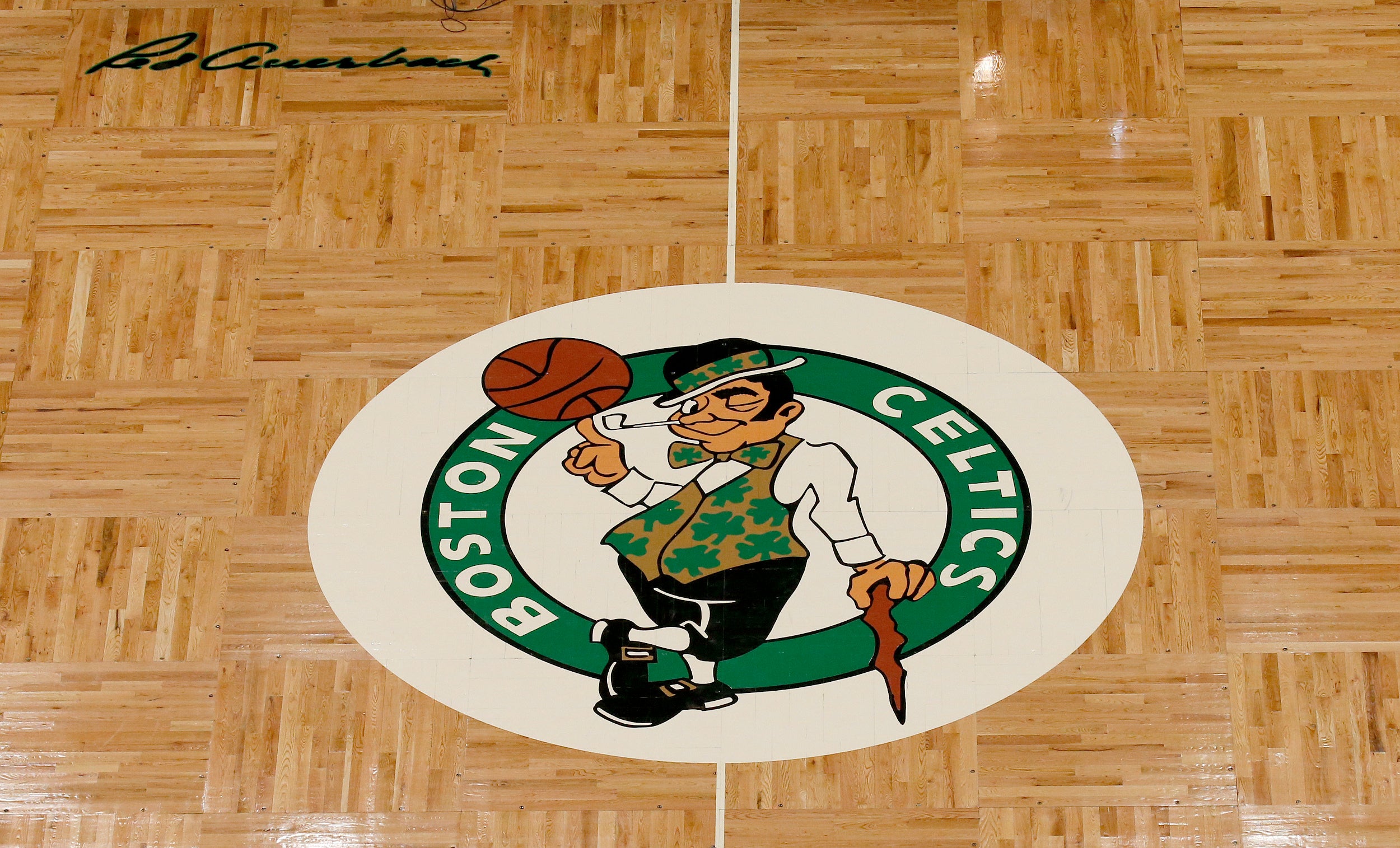
Unpacking the Enigma: The Linguistic Roots of “Celtics”
The discrepancy in pronunciation often puzzles newcomers, yet it is deeply rooted in a fascinating interplay of historical linguistics, cultural identity, and local vernacular. To appreciate the Bostonian exception, one must first understand the general rules.
A Tale of Two Pronunciations: Hard ‘C’ vs. Soft ‘C’
Globally, the term “Celtic” is most commonly pronounced with a hard ‘K’ sound when referring to the historical ethnic groups, their languages, art, and traditions. Think of Celtic knots, Celtic mythology, or the academic study of Celtic languages. This pronunciation reflects a long-standing adherence to the original Greek and Latin roots from which the term derived, emphasizing the ‘k’ sound in words like Keltos. This is the scholarly and ethnological standard.
However, the moment one steps into a conversation about Boston’s famous basketball franchise, the linguistic rules shift. The team is unequivocally the “Seltics.” This isn’t a regional quirk limited to sports; it’s a pronunciation deeply ingrained in the local dialect and cultural fabric, signifying a particular pride and distinction that tourists should acknowledge.
Goidelic vs. Brythonic: A Historical Divide (and Why Boston Chose Differently)
While not directly dictating the Boston pronunciation, the historical branches of Celtic languages—Goidelic (encompassing Irish, Scottish Gaelic, and Manx) and Brythonic (including Welsh, Cornish, and Breton)—illustrate the diverse linguistic landscape of the Celtic world. Historically, the hard ‘K’ pronunciation is often considered by some to be a more accurate reflection of the ancient pronunciations of the Goidelic branch. Yet, the adoption of a softer ‘C’ sound by the Boston Celtics suggests a departure from this historical purity, embracing instead a pronunciation more aligned with American English phonetic patterns and, crucially, local identification. This divergence is a key piece of local culture for visitors to comprehend.
The Bostonian Twist: How a City Adopted a Sound
The story of the “Seltics” pronunciation is less about ancient linguistics and more about the dynamic evolution of language within a specific cultural melting pot. Boston’s unique history and demographic makeup played a pivotal role.
The Irish-American Influence in Boston
Boston has long been a beacon for Irish immigrants, particularly during the 19th and 20th centuries. The city’s profound connection to Irish heritage is undeniable, visible in its neighborhoods, traditions, and, indeed, its sports teams. When the Boston Celtics were founded in 1946 by Walter A. Brown, the name was deliberately chosen to honor the city’s large and influential Irish population. It was a tribute, a nod to their ancestral roots. However, the pronunciation they adopted was filtered through the lens of American English.
Many of these Irish immigrants and their descendants, while proud of their Celtic heritage, had assimilated into American society and its linguistic norms. The English language spoken in Boston at the time, and still today, tends to pronounce ‘C’ as a soft ‘S’ sound when followed by ‘e,’ ‘i,’ or ‘y’ (e.g., cell, city, cycle). It is highly probable that the founders and early fans simply applied this common phonetic rule, leading to the “Seltics” pronunciation, which then solidified over decades of usage.
American English vs. European English Pronunciation
The “Seltics” pronunciation is a prime example of how regional dialects and the broader American English phonology can diverge from other English-speaking traditions. In many parts of Europe, and certainly in academic contexts, the hard ‘K’ sound for “Celtic” remains dominant. However, American English often prioritizes a more consistent application of phonetic rules. The consistent soft ‘C’ sound before specific vowels provided a natural pathway for the “Seltics” pronunciation to emerge and thrive, making it an authentic part of the American sporting lexicon, particularly in Boston. This divergence is a fascinating aspect of local culture for tourists to observe and participate in.

Oral Tradition and Local Vernacular
Once a pronunciation takes root within a local community, especially around a beloved institution like a professional sports team, it becomes an unwritten rule. For generations of Bostonians and Boston Celtics fans, the “Seltics” pronunciation is simply the way it is. It’s part of the oral tradition passed down through families, friends, and the collective consciousness of the city. For a tourist, adopting this pronunciation is an immediate sign of respect and an effort to integrate, however briefly, into the local scene. It’s an essential “tip” for anyone wanting to truly experience Boston beyond the guidebooks.
Embracing Local Culture: Pronunciation as a Marker
For the savvy traveler, understanding and respecting local linguistic quirks is a hallmark of genuine cultural immersion. The “Seltics” pronunciation is more than just a sound; it’s a key to unlocking a deeper appreciation of Boston’s unique identity.
A Nod to Identity: More Than Just a Sound
For locals, particularly fervent supporters of the Boston Celtics, the “Seltics” pronunciation is a point of identity and collective pride. It differentiates their team from any other “Celtic” reference in the world. It’s their team, pronounced their way. When a visitor uses the correct pronunciation, it’s a subtle yet powerful acknowledgment of this shared identity. It signifies an understanding that you’ve done your homework, that you care enough to speak their language, metaphorically and literally. This small act can foster a sense of connection and warmth from locals, making your tourism experience richer.
Avoiding the Tourist Faux Pas
In any new destination, there are unspoken rules and cultural nuances that, if ignored, can inadvertently mark one as an outsider. Using the “hard K” pronunciation for the Boston Celtics in Boston is precisely one such faux pas. While unlikely to cause offense, it immediately signals that you are not from here, that you haven’t quite grasped the local essence. For a city as proud and historically rich as Boston, showing this level of cultural awareness can significantly enhance your interactions and open doors to more authentic experiences. It’s a fundamental “tourism tip” for navigating local social landscapes.
Beyond Sports: Other Bostonian Linguistic Quirks
The “Seltics” phenomenon is merely one example of Boston’s distinct linguistic landscape. The city is famous for its unique accent, often characterized by the non-rhotic pronunciation (dropping ‘r’s, as in “pahk the cah in Hahvahd Yahd”) and particular local slang. These linguistic traits collectively form a significant part of Boston’s local culture, creating a unique soundscape that defines the city. Engaging with these nuances, even in small ways like correctly pronouncing “Celtics,” allows visitors to truly immerse themselves in the rhythm and character of Boston, moving beyond superficial sightseeing to a more profound understanding of its people and their way of life.
The Cultural Significance for Visitors
For any traveler, especially those whose interests extend beyond traditional landmarks to include local life and culture, understanding the “Seltics” pronunciation is incredibly valuable.
Immersing in Boston’s Sporting Legacy
Boston is a city defined by its sports. The Boston Celtics, with their unparalleled championship history, are an integral part of this legacy. Whether you’re planning to catch a game at the iconic TD Garden, visit the Sports Museum, or simply discuss basketball with locals in a pub, knowing the correct pronunciation is paramount. It allows you to participate authentically in conversations, demonstrating respect for a tradition that runs deep in the city’s veins. This small linguistic detail becomes a powerful tool for cultural immersion, transforming a casual visit into a truly engaging experience of Boston’s heart and soul.

A Conversation Starter and Connection Point
Beyond avoiding gaffes, correctly pronouncing “Seltics” can serve as an excellent conversation starter. Locals often appreciate the effort visitors make to understand their culture, and this shared knowledge can bridge gaps, leading to more meaningful interactions. Imagine a friendly chat with a seasoned Boston fan at a local eatery, discussing the team’s prospects – using the correct pronunciation signals your genuine interest and open-mindedness. It shows you’re not just passing through, but actively engaging with the rich tapestry of Boston’s local culture. In a city where tradition and identity are deeply intertwined, such small gestures can unlock a world of authentic experiences, making your visit to Boston truly unforgettable.
LifeOutOfTheBox is a participant in the Amazon Services LLC Associates Program, an affiliate advertising program designed to provide a means for sites to earn advertising fees by advertising and linking to Amazon.com. Amazon, the Amazon logo, AmazonSupply, and the AmazonSupply logo are trademarks of Amazon.com, Inc. or its affiliates. As an Amazon Associate we earn affiliate commissions from qualifying purchases.