
The Boston Marathon, an iconic road race held annually in Boston, Massachusetts, holds a place of profound significance not only in the athletic world but also in the historical narrative of the city and the nation. Each year, thousands of runners traverse the demanding 26.2-mile course, culminating in a triumphant finish on Boylston Street, cheered on by hundreds of thousands of spectators. This event, steeped in over a century of tradition, represents resilience, human endeavor, and community spirit. It is a vibrant civic landmark, a day when the city opens its arms to the world, embodying a spirit of collective celebration. However, on April 15, 2013, this landmark of endurance was irrevocably altered when it became the scene of a devastating act of terrorism. Understanding why this tragedy occurred requires an examination of the event’s context, the perpetrators’ motivations, and the indelible mark it left on the urban landscape and collective consciousness.
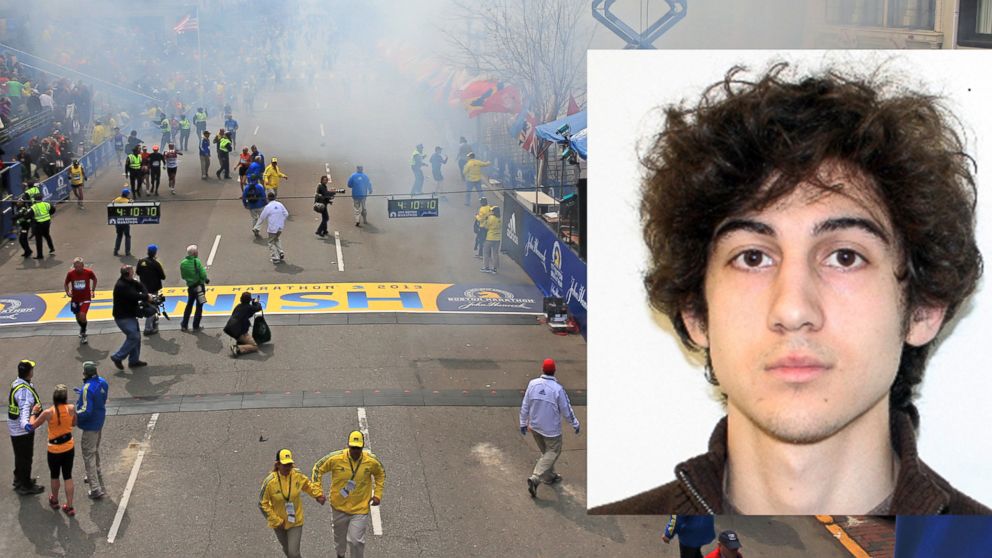
The Boston Marathon: A Symbol Transformed
The Boston Marathon is not merely a race; it is a historical landmark in itself. As one of the world’s oldest annual marathons, its route carves through several Massachusetts towns, each mile marked by enthusiastic crowds, eventually winding its way into the heart of Boston. The finish line on Boylston Street, flanked by historic buildings and bustling shops, is typically a scene of jubilation and exhaustion, a testament to months of arduous training and unyielding determination. For over a century, this particular stretch of asphalt has been a stage for extraordinary athletic achievements and poignant human stories, making it a powerful symbol of community and perseverance.
On Patriots’ Day in 2013, the festive atmosphere was shattered by two improvised explosive devices detonated near the finish line. The explosions, occurring mere seconds apart, instantly transformed a site of public celebration into a scene of chaos and tragedy. The landmark finish line, a place where dreams were realized, became a stark monument to terror, its historical narrative abruptly recontextualized. Three spectators lost their lives that day, and hundreds more sustained grievous injuries, many suffering life-altering amputations. The sheer audacity of targeting such a revered public event, known for its open and inclusive nature, sent shockwaves across the globe, forcing a re-evaluation of security at large-scale public gatherings and forever associating the Boston Marathon with both its enduring spirit and the scars of this horrific event.
The Perpetrators and Their Radicalization
The perpetrators of the Boston Marathon bombing were identified as brothers Tamerlan Tsarnaev and Dzhokhar Tsarnaev. Their journey from seemingly ordinary residents to radicalized terrorists is a complex tapestry woven from personal grievances, external influences, and an embrace of extremist ideology. Born in the former Soviet Union and of Chechen descent, the brothers had immigrated to the United States with their family in the early 2000s, eventually settling in Cambridge, Massachusetts. While Dzhokhar appeared to be integrating into American society, a promising student who enjoyed typical college activities, his older brother Tamerlan struggled with a sense of disillusionment and alienation.
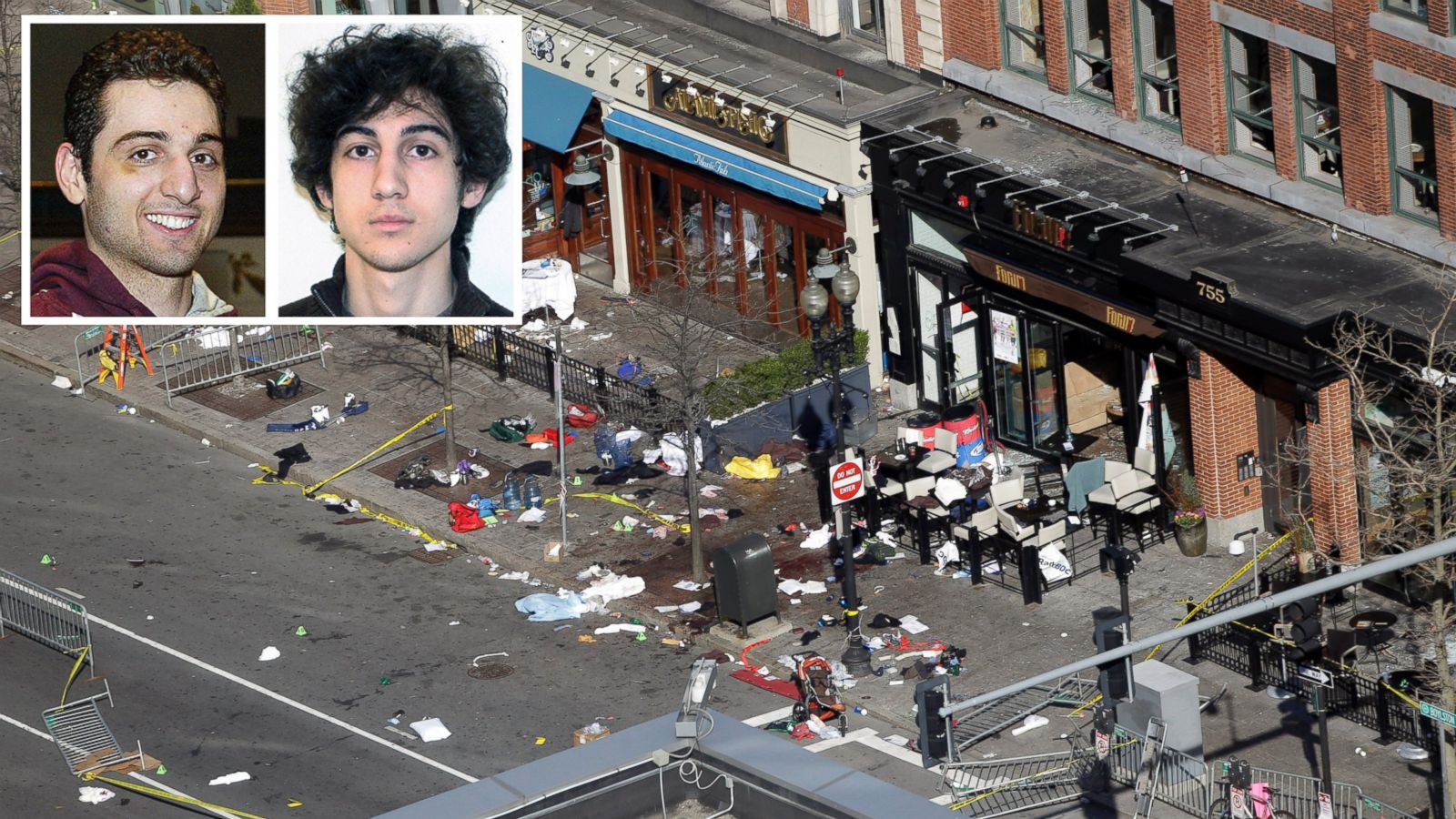
Over several years preceding the attack, Tamerlan Tsarnaev underwent a significant shift, increasingly immersing himself in radical Islamist literature and online propaganda. He became convinced that the United States was an enemy of Islam and developed a virulent anti-American worldview. Investigations revealed his consumption of material from extremist figures, including Anwar al-Awlaki, an American-Yemeni cleric who became a prominent leader in al-Qaeda in the Arabian Peninsula. This ideological indoctrination, coupled with a perceived lack of success and purpose in his own life, fueled a desire for violent retribution. Tamerlan subsequently drew his younger brother, Dzhokhar, into his radicalized world, convincing him to participate in the plot. The “why” of the bombing thus stems from a confluence of personal grievances, a search for identity, and a dangerous embrace of extremist interpretations of religious texts, leading them to target a symbolic American landmark.
The Choosing of a Target: Striking at a Symbol
The selection of the Boston Marathon as the target was not arbitrary; it was a deliberate choice aimed at maximizing psychological impact and generating widespread fear. As a landmark event, the marathon provided the brothers with a unique opportunity to attack a large, unsecure gathering of civilians in a highly visible setting. The marathon’s international recognition ensured that any attack would garner global attention, amplifying their message of defiance against the United States and its values.
The finish line on Boylston Street represented a particularly potent symbol. It was a place of collective joy, athletic achievement, and civic pride – all elements antithetical to the destructive ideology espoused by the Tsarnaev brothers. By targeting this specific landmark, they sought to disrupt the fabric of everyday American life, instill terror, and demonstrate their perceived power. The act was a statement, a brutal declaration of their extremist beliefs against a backdrop of freedom and celebration. The choice of the marathon highlighted the vulnerability of open societies and transformed a beloved civic tradition into a tragic historical marker, forcing the city and the nation to confront the implications of homegrown terrorism motivated by radical ideologies.

Legacy and Resilience: Boston’s Enduring Landmark Spirit
In the wake of the bombing, the finish line on Boylston Street became an impromptu memorial, overflowing with flowers, shoes, and messages of solidarity. This organic outpouring of grief and defiance underscored the profound emotional connection the community had to the site. The immediate response from the city and its residents, encapsulated by the rallying cry “Boston Strong,” demonstrated an extraordinary resilience and refusal to be intimidated.
Today, the physical landmark of the Boston Marathon finish line, while still serving its original purpose as the culmination of the race, also bears permanent memorials that honor the victims and survivors. Two bronze markers are embedded in the sidewalk on Boylston Street at the locations of the two explosions, each inscribed with the names of those who died and a simple message of remembrance. These subtle yet powerful additions seamlessly integrate into the urban landscape, serving as a quiet testament to the enduring human spirit in the face of tragedy. They invite reflection and ensure that the historical significance of April 15, 2013, is never forgotten. Furthermore, Boston now observes One Boston Day annually on April 15, a day dedicated to acts of kindness and service, transforming a date of sorrow into one of community solidarity and civic engagement. This ongoing commitment to remembrance and community reinforces the idea that while the bombing forever altered the marathon’s historical narrative, it also forged a new, unbreakable spirit within the city and its most iconic landmark event.
LifeOutOfTheBox is a participant in the Amazon Services LLC Associates Program, an affiliate advertising program designed to provide a means for sites to earn advertising fees by advertising and linking to Amazon.com. Amazon, the Amazon logo, AmazonSupply, and the AmazonSupply logo are trademarks of Amazon.com, Inc. or its affiliates. As an Amazon Associate we earn affiliate commissions from qualifying purchases.