
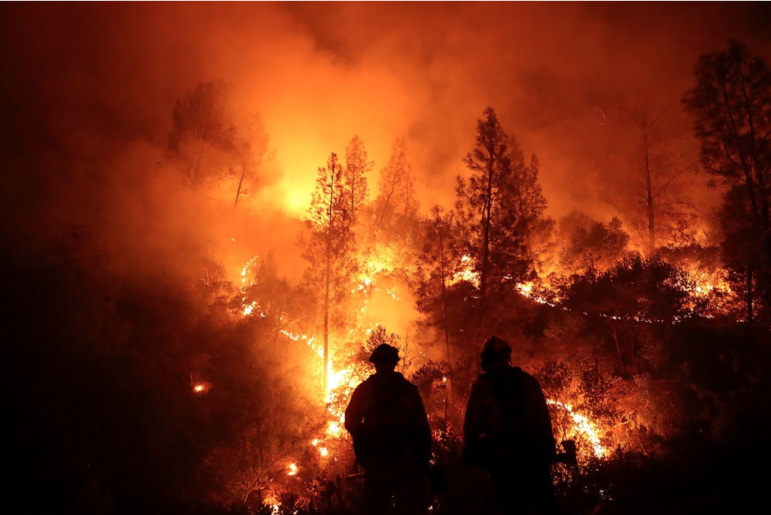
California, a state synonymous with diverse landscapes, vibrant cities, and unparalleled natural beauty, consistently ranks as a top global tourist destination. From the sun-drenched beaches of Southern California to the majestic forests of the Sierra Nevada and the rugged coastline of Big Sur, the Golden State offers an intoxicating array of experiences. However, the escalating frequency and intensity of wildfires have introduced a significant variable into the tourism landscape, prompting prospective visitors and industry stakeholders alike to question the safety and viability of travel within the state. Understanding whether the wildfires are “under control” is complex, as it is a dynamic situation that profoundly impacts specific regions, tourist activities, and local economies, rather than a monolithic state-wide status.

Understanding the Current Landscape for California Tourism
The narrative surrounding California wildfires is often broad, leading to misconceptions about the safety of the entire state. In reality, while specific incidents can be devastating for localized areas, much of California remains unaffected and open for tourism even during active fire seasons. The question of control is not a simple yes or no; it depends heavily on the specific fire incident, its containment levels, and its proximity to populated areas and tourist attractions.
The Dynamic Nature of Wildfire Management
Wildfire management in California is a sophisticated, multi-agency effort involving the California Department of Forestry and Fire Protection (CAL FIRE), the U.S. Forest Service, and local fire departments. “Under control” typically refers to a fire reaching a high level of containment, meaning firefighters have established effective lines around a significant percentage of its perimeter, preventing further spread. However, even “contained” fires can smolder for weeks, and the risk of new ignitions remains high, especially during peak fire conditions like extreme heat, strong winds, and drought. For tourists, this means that real-time information is paramount. A region deemed safe one week could face new challenges the next, underscoring the need for vigilance and flexible planning.
Regional Impact Versus State-Wide Perception
It’s crucial for potential tourists to differentiate between localized incidents and a state-wide crisis. A major wildfire near Lake Tahoe or in the Wine Country of Napa Valley will naturally impact tourism in those specific areas, leading to evacuations, road closures, and air quality issues. However, cities like San Francisco, Los Angeles, and San Diego — and many other popular destinations — might remain entirely unaffected or experience only temporary, minor air quality impacts. The vast geographical expanse of California means that even significant fires typically affect a relatively small percentage of the state’s landmass at any given time, though their smoke plumes can travel widely. Tourists should focus on destination-specific advisories rather than general headlines.
Navigating Travel Plans Amidst Wildfire Concerns
For those planning a trip to California, adopting a proactive and informed approach is key to ensuring a safe and enjoyable experience. This involves leveraging reliable resources, understanding local advisories, and having contingency plans in place.
Essential Resources for Real-time Updates
Staying informed is the best defense against unforeseen disruptions. Travelers should consult official sources for the most accurate and up-to-date information:
- CAL FIRE Incident Page: This provides real-time updates on active wildfires, including location, size, containment percentage, and evacuation orders.
- National Interagency Fire Center (NIFC): Offers a broader overview of fire activity across the U.S., useful for understanding the national context.
- Local County Emergency Services Websites: These are vital for specific, localized information regarding advisories, evacuation zones, and community resources.
- AirNow.gov: Provides crucial information on air quality, which can be significantly impacted by wildfire smoke even far from the fire front. This helps travelers assess outdoor activity safety.
- California Department of Transportation (Caltrans) QuickMap: Essential for checking road closures and traffic conditions, which can be affected by fires or related emergency operations.
- National Weather Service (NWS): Offers weather forecasts, including critical fire weather warnings like Red Flag Warnings, which indicate conditions conducive to extreme fire behavior.
Monitoring these resources allows tourists to make informed decisions about their travel itineraries, potentially adjusting routes or destinations to avoid affected areas.
Prioritizing Safety and Preparedness
Even when visiting areas not directly threatened by fire, travelers should exercise caution and awareness, particularly in natural settings.
- Check Fire Restrictions: Many state and national parks, including Yosemite National Park, Sequoia National Park, and Redwood National and State Parks, implement fire restrictions during dry seasons. This can include bans on campfires, certain types of cooking equipment, or even restrictions on off-road vehicle use. Adhering to these is crucial for preventing new ignitions.
- Have an Evacuation Plan: If staying in a fire-prone area, especially during peak season, familiarize yourself with local evacuation routes and emergency procedures. Many hotels and accommodation providers will have plans in place.
- Emergency Kit: Consider having a small emergency kit, particularly for road trips, that includes water, non-perishable food, a first-aid kit, and essential medications.
- Travel Insurance: For significant trips, comprehensive travel insurance that covers natural disasters can provide peace of mind and financial protection against cancellations or unforeseen changes due to wildfires.
The Economic and Cultural Ripple Effect on Local Tourism
Wildfires don’t just threaten lives and property; they cast a long shadow over the tourism sector, affecting everything from small businesses to major attractions and the broader cultural fabric of a region. The question of whether fires are “under control” directly correlates with the ability of these communities to recover and welcome visitors.
Supporting Local Businesses and Communities
When a region is impacted by wildfires, the local tourism economy can suffer significantly, even in areas not directly burned. Visitors may cancel trips, leading to reduced bookings for hotels, restaurants, tour operators, and local shops. Once fires are contained and the immediate danger passes, these communities rely heavily on the return of tourism to aid in their economic recovery. Choosing to visit an affected, but now safe, area can be a powerful way to support local residents and businesses. It’s important to research specific towns and attractions, as many may have reopened their doors and are eager to welcome guests. Responsible tourism in these contexts means spending money locally, choosing independent businesses, and being patient with any potential disruptions as communities rebuild.
Adapting Tourist Experiences
Wildfires can alter the landscape, affecting natural attractions that are central to California’s appeal. While some areas may be permanently changed, many natural spaces recover over time, and new opportunities for appreciation arise. Some popular hiking trails or wilderness areas might be temporarily closed for restoration, or specific viewpoints may be affected. However, this often opens doors to exploring alternative attractions or appreciating the resilience of nature. For instance, while parts of a national forest might be closed, nearby wineries or coastal towns may be fully operational and offer unique cultural experiences. Tour operators often adapt their itineraries, highlighting areas that are safe and accessible, and sometimes offering educational insights into forest management and fire ecology.
Responsible Tourism in Fire-Prone Regions
As wildfires become an increasingly prevalent factor in California’s climate, the concept of responsible tourism takes on heightened importance. It’s not just about safety, but about contributing positively to the state’s resilience.
Best Practices for Visitors
Responsible tourists in fire-prone regions adhere to simple but critical guidelines:
- “Leave No Trace” Principles: Always pack out everything you pack in. Be meticulously careful with anything that could spark a fire, including cigarette butts, campfires (where permitted), and even hot vehicle catalytic converters when parking on dry grass.
- Respect Closures and Warnings: Adhere strictly to all posted closures for parks, trails, or roads. These are put in place for your safety and the safety of emergency personnel.
- Stay on Designated Paths: Off-roading or straying from marked trails can not only harm delicate ecosystems but also increase the risk of accidental fire ignition.
- Mind Your Vehicle: Ensure your vehicle is properly maintained, as sparks from worn parts or dragging chains can ignite dry vegetation. Carry a fire extinguisher if camping or traveling in remote areas.

Contributing to Recovery and Resilience
Beyond direct support through tourism spending, visitors can engage in various ways to aid long-term recovery and prevention efforts:
- Volunteer Opportunities: For those on longer trips or repeat visitors, local organizations often welcome volunteers for reforestation, trail maintenance, or community clean-up efforts once areas are safe.
- Donations: Contribute to reputable organizations focused on wildfire relief, environmental restoration, or supporting affected communities, such as the California Community Foundation or local Red Cross chapters.
- Educate Yourself and Others: Understanding the causes of wildfires and the importance of forest health can help spread awareness and foster a culture of prevention.
In conclusion, while the threat of wildfires in California is a persistent reality, it rarely renders the entire state off-limits for tourism. By staying informed, prioritizing safety, and adopting responsible travel practices, visitors can continue to explore and enjoy California’s wonders, while also contributing to the resilience and recovery of its diverse communities. The question of wildfires being “under control” is a dynamic and localized one, requiring continuous attention and an adaptable approach to travel planning.
LifeOutOfTheBox is a participant in the Amazon Services LLC Associates Program, an affiliate advertising program designed to provide a means for sites to earn advertising fees by advertising and linking to Amazon.com. Amazon, the Amazon logo, AmazonSupply, and the AmazonSupply logo are trademarks of Amazon.com, Inc. or its affiliates. As an Amazon Associate we earn affiliate commissions from qualifying purchases.