
For many, the mention of Waffle House evokes a specific sense of place: the open road, the warmth of a neon sign cutting through the night, and the comforting sizzle of breakfast being cooked on a flat-top grill. It’s a quintessential American diner experience, deeply embedded in the cultural fabric of a particular region. So, when travelers or those new to California inquire about the presence of this beloved institution in the Golden State, it speaks to a yearning for that distinct culinary encounter. Understanding the geographic reach of Waffle House is crucial for any tourist planning a trip or simply curious about the gastronomic landscape of California.
The Iconic Waffle House Experience
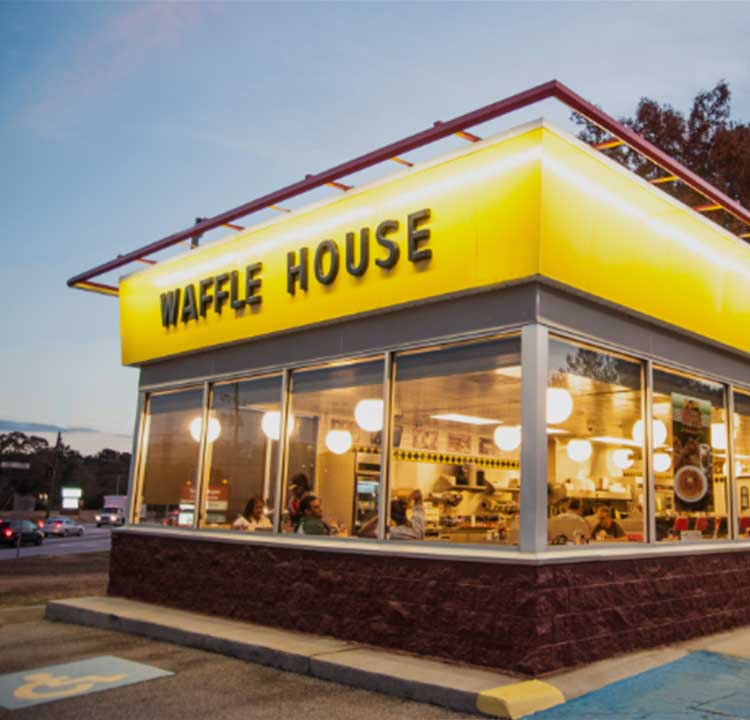
The Waffle House brand is more than just a restaurant; it’s a cultural touchstone, particularly for those familiar with its typical operating regions. Established in 1955 in Avondale Estates, Georgia, it quickly became synonymous with round-the-clock service, a straightforward menu, and a uniquely American diner ambiance.
A Southern Staple’s Appeal
Waffle House is renowned for its consistent, no-frills approach to comfort food. The menu is a testament to classic American breakfast and lunch items: scattered, smothered, covered, and chunked hash browns; grilled Texas bacon; chili; and, of course, their signature waffles. The open-kitchen concept allows diners to watch their meals being prepared, fostering a sense of transparency and immediacy that is increasingly rare in the fast-paced restaurant industry. The staff, often referred to as “grill operators,” are masters of efficiency, juggling multiple orders with impressive dexterity. This diner culture, characterized by friendly banter, bottomless coffee, and quick service, has cemented Waffle House’s status as a reliable haven for travelers, late-night workers, and early risers alike. It’s a place where everyone feels welcome, regardless of their background, united by the simple pleasure of good, hearty food.
Why Travelers Seek It Out
For many, especially those venturing out of its home territory, Waffle House represents a slice of home, a familiar taste amidst the unfamiliarity of travel. Tourists often seek out Waffle House for several compelling reasons. There’s a strong element of nostalgia, particularly for those who grew up with the brand or associate it with road trips and family vacations. The consistency of the food and service provides a comforting predictability that can be very appealing when exploring new destinations. Moreover, for many, a visit to Waffle House is an experience in itself – a dive into an authentic slice of Americana that is both accessible and deeply satisfying. It’s an antidote to overly curated dining experiences, offering genuine, unpretentious hospitality and meals that stick to your ribs. The 24/7 operating model also makes it an invaluable resource for travelers arriving at odd hours or seeking a meal when other establishments are closed, further solidifying its reputation as a dependable roadside beacon.
The Geographic Footprint of Waffle House
Understanding the distribution of Waffle House locations is key to addressing the question of its presence in California. The chain’s growth strategy and market penetration have historically focused on specific regions of the United States.
Where Waffle House Typically Operates
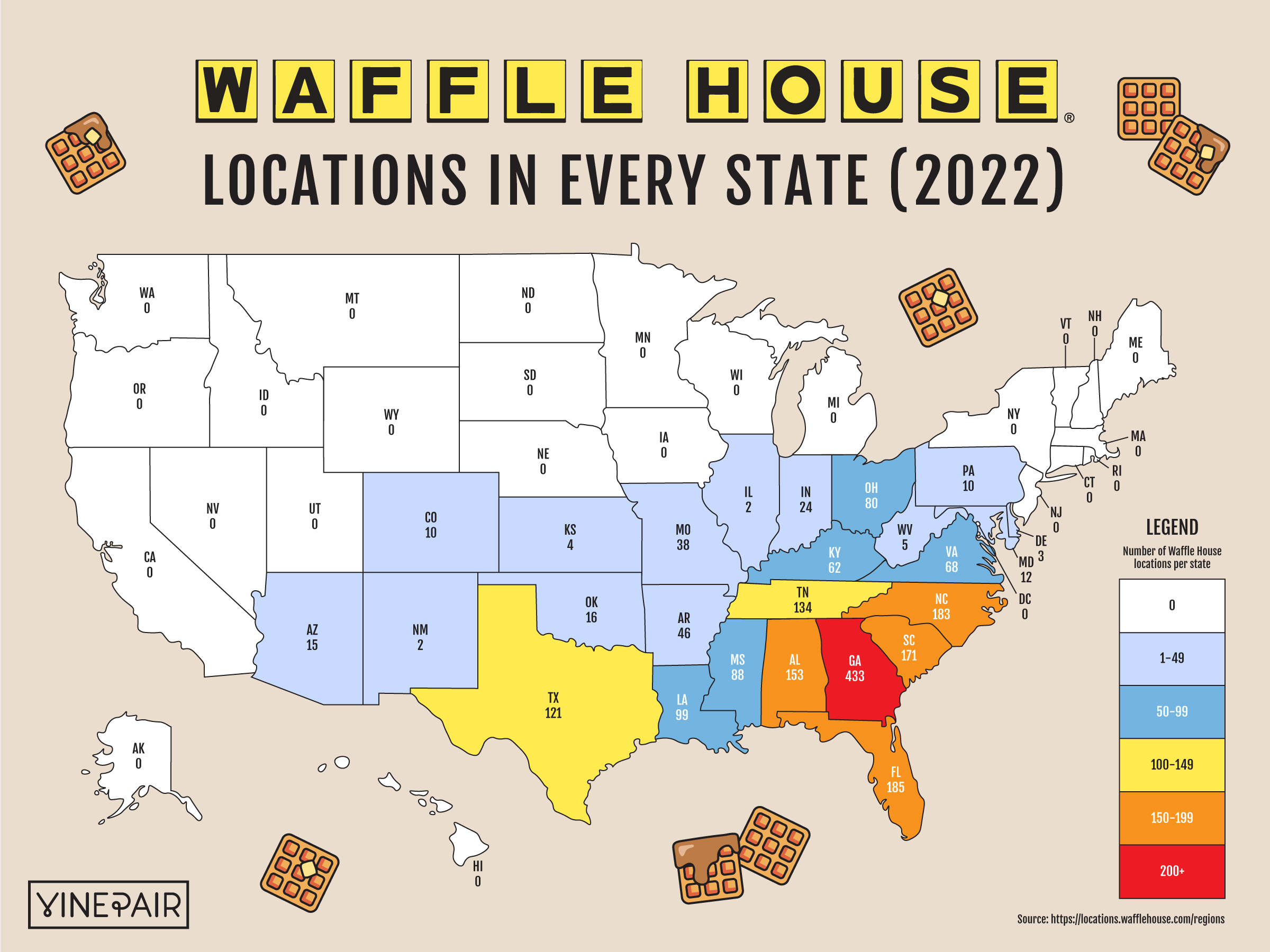
Waffle House has a dominant presence across the Southern United States and parts of the Midwest. Its strongest concentrations are found in states like Georgia, Florida, North Carolina, South Carolina, Alabama, Tennessee, Texas, and Mississippi. You’ll also find a significant number of locations in states stretching northwards into parts of the Mid-Atlantic, such as Virginia and Maryland, and some Midwestern states like Missouri and Ohio. The strategy has been to expand incrementally from its Georgia origins, maintaining a relatively contiguous geographic footprint. This regional focus allows for efficient supply chains, brand recognition, and a consistent operational model tailored to specific market demographics. The culture of Waffle House is deeply intertwined with the car culture and road trip traditions prevalent in these regions, often found along major interstates and highways.
California’s Unique Culinary Landscape
In stark contrast to the Waffle House heartland, California boasts a vastly different and incredibly diverse culinary scene. The state is a global trendsetter in food, known for its emphasis on fresh, local, and seasonal ingredients. From farm-to-table dining experiences in Napa Valley to innovative fusion cuisine in Los Angeles and the vibrant ethnic food scene in San Francisco, California’s food culture is characterized by experimentation, health-consciousness, and a wide array of international influences, particularly from Mexico and Asia.
While diners certainly exist in California, their style and offerings often reflect local preferences, leaning towards lighter options, organic ingredients, or specific regional variations like Mexican-inspired breakfast dishes. The chain restaurant landscape also differs, with other established national and regional brands dominating the fast-casual and casual dining sectors. This distinct culinary identity, coupled with the sheer size and diverse population of California, presents a unique market that might not align perfectly with the traditional Waffle House expansion model.
The Definitive Answer for California
Having explored the essence of Waffle House and the distinct culinary environment of California, we can now provide a clear answer to the central question.
Absence Confirmed
To be absolutely clear: there are no Waffle House locations in California. The chain has never established a presence west of Arizona and Nevada, making California firmly outside its operational footprint. For travelers visiting the Golden State, this means that the particular experience offered by Waffle House cannot be replicated within its borders. While this might be disappointing for some, it also opens up opportunities to explore the unique and varied breakfast and dining options that California has to offer.
Reasons for the Absence
Several factors likely contribute to Waffle House’s decision not to expand into California. Firstly, the vast geographical distance from its primary distribution and supply chain hubs in the Southeast would present significant logistical and cost challenges. Maintaining the consistent quality and pricing that customers expect would be difficult with such an extended reach. Secondly, the market in California is already highly saturated with a diverse array of dining establishments, from independent cafes to well-established regional and national chains. Breaking into such a competitive market would require substantial investment and a potentially difficult battle for market share.
Furthermore, consumer preferences in California often lean towards healthier, more specialized, or ethnically diverse breakfast options. While comfort food is certainly appreciated, the specific style and offerings of Waffle House might not resonate as strongly with the broader California palate as it does in its traditional markets. The brand’s identity is deeply rooted in Southern hospitality and a specific roadside diner aesthetic, which might not translate effectively to the very different cultural and economic landscape of California. The cost of real estate and labor in California is also significantly higher than in many of the states where Waffle House primarily operates, making expansion economically less attractive.
Exploring California’s Own Diner Culture and Breakfast Gems
While Waffle House may be absent, California offers an incredibly rich and diverse breakfast scene that can satisfy virtually any craving. From classic diners to innovative brunch spots, tourists will find no shortage of memorable culinary experiences.
Classic California Diners
California has its own vibrant diner culture, albeit with a distinct Golden State flair. Many establishments capture the nostalgic charm of mid-century Americana while often incorporating fresh, local ingredients. Iconic spots like Mel’s Drive-In, with multiple locations across Southern California including Hollywood, offer a classic diner experience with juicy burgers, milkshakes, and hearty breakfast platters. Pann’s Restaurant in Los Angeles is another famous Googie-style diner, known for its waffles, fried chicken, and retro ambiance, frequently used as a filming location.
For those specifically seeking chicken and waffles, while not a direct Waffle House analogue, Roscoe’s House of Chicken and Waffles is a legendary California institution, particularly in Los Angeles, offering a unique and beloved soul food breakfast experience. These local gems provide not just a meal, but a genuine taste of California’s own diner heritage, often with a unique twist that reflects the state’s diverse culinary influences.
Diverse Breakfast and Brunch Options
Beyond classic diners, California’s breakfast and brunch scene is incredibly varied. Tourists can indulge in farm-to-table brunches at picturesque cafes in Napa Valley or San Diego, featuring seasonal produce and artisanal breads. Health-conscious visitors will find abundant options for açai bowls, avocado toast, and freshly pressed juices, particularly prevalent in coastal cities.
Ethnic breakfasts are also a highlight. In Los Angeles and San Francisco, tourists can explore vibrant neighborhoods offering authentic Mexican breakfasts like chilaquiles and huevos rancheros, or delve into Asian-inspired morning meals. The state’s food trucks, particularly popular in urban centers, often serve innovative and delicious breakfast burritos or tacos. From gourmet pastries at French bakeries to hearty lumberjack-style breakfasts in mountain towns, California’s culinary landscape ensures that every palate can find a satisfying start to their day.
Navigating Food Experiences as a Tourist in California
When traveling to California, embracing the local food culture is part of the adventure. While the familiar comfort of a Waffle House might be missed by some, the opportunities for new and exciting culinary discoveries are immense.
Embracing Local Flavors
For any tourist, the best way to experience California is to dive headfirst into its unique gastronomic offerings. This means seeking out local specialties that are either impossible to find elsewhere or are prepared with an authenticity that sets them apart. Think fresh Pacific seafood in San Francisco, authentic Mexican street food in San Diego or Los Angeles, and the incredible produce and wine country cuisine found throughout the state. Visiting farmers’ markets is an excellent way to connect with the source of California’s famed fresh ingredients. Engaging with local chefs, food bloggers, or even hotel staff can lead to discovering hidden culinary gems that offer a true taste of the region. From innovative plant-based eateries to classic Italian-American delis, California’s food scene is a testament to its cultural diversity and agricultural bounty.

Finding Comfort Food Alternatives
For those craving the specific kind of comfort food that Waffle House provides, there are numerous alternatives in California that can offer a similar sense of warmth and satisfaction, albeit with a local twist. Look for independent diners or breakfast cafes that emphasize hearty, made-to-order meals. Many local pancake houses or family-owned restaurants pride themselves on generous portions of eggs, bacon, sausage, and hash browns, often with fresh sourdough toast or local artisanal bread. Chains like Denny’s or IHOP are widely available across California and offer familiar breakfast menus with waffles, pancakes, and classic diner fare. While these might not replicate the exact charm of a Waffle House, they serve as reliable options for satisfying that classic American breakfast craving. The key is to approach the search with an open mind, ready to discover a new favorite spot that embodies California’s unique interpretation of comfort.
LifeOutOfTheBox is a participant in the Amazon Services LLC Associates Program, an affiliate advertising program designed to provide a means for sites to earn advertising fees by advertising and linking to Amazon.com. Amazon, the Amazon logo, AmazonSupply, and the AmazonSupply logo are trademarks of Amazon.com, Inc. or its affiliates. As an Amazon Associate we earn affiliate commissions from qualifying purchases.