
Embarking on a road trip through the picturesque landscapes and vibrant cities of California is an experience many travelers cherish. From the sun-drenched beaches of Los Angeles to the majestic redwoods of the north, the Golden State offers an unparalleled driving adventure. However, to ensure your journey remains smooth and free of unnecessary interruptions, understanding the local traffic laws is paramount. One common question that often arises, particularly for out-of-state visitors, is whether expired vehicle registration tags can lead to a police stop. The definitive answer, crucial for any traveler, is a resounding yes. In California, law enforcement officers possess the authority to pull over a vehicle solely on the basis of expired registration tags, making it a primary offense.
Navigating California by Car: The Rules of the Road for Travelers
For anyone planning to explore California by car, a foundational understanding of its vehicle code is essential. Unlike some states where certain infractions might only be enforceable if another primary violation has occurred, California takes vehicle registration seriously. This isn’t just about revenue; it’s about ensuring all vehicles on the road are properly identified, insured, and compliant with safety and environmental standards. For travelers, this means that even if you’re meticulously adhering to speed limits and traffic signals, an expired tag can still put you on an officer’s radar.
The Importance of Current Vehicle Registration
Vehicle registration serves as proof that your car is legally allowed to operate on public roads. It’s a fundamental aspect of road safety and legal accountability. In California, a driver must display current registration tags on their license plates, indicating that the vehicle’s registration is valid for the current year. These tags typically appear as stickers on the rear license plate, with their color changing annually to make visual identification easy for law enforcement. Failure to have these current tags is a direct violation of California Vehicle Code Section 4000(a)(1), which states that a person shall not drive, move, or leave standing upon a highway any motor vehicle, trailer, semitrailer, pole or pipe dolly, or logging dolly unless it is registered and the appropriate fees have been paid.
Understanding California Vehicle Code
The California Vehicle Code is a comprehensive set of laws governing all aspects of vehicle operation within the state. For travelers, familiarity with key sections can prevent unexpected hassles. When it comes to registration, the code is unambiguous. An officer observing a vehicle with expired tags has probable cause to initiate a traffic stop. This is distinct from a “secondary offense,” where an officer needs another reason (like speeding or an unsafe lane change) to stop you before citing you for a minor infraction. For expired tags, the visual evidence itself is sufficient grounds for the stop, regardless of whether you’re cruising along the Pacific Coast Highway or navigating the urban sprawl of San Diego.
Expired Tags: A Primary Concern for Drivers in the Golden State
The “primary offense” status of expired tags is a critical point for any driver, especially those unfamiliar with California’s specific regulations. This means that a law enforcement officer doesn’t need to observe any other traffic violation to pull you over if your registration tags are expired. The mere sight of an outdated sticker on your license plate is enough justification for a stop.
What Constitutes an “Expired Tag”
An “expired tag” refers to the small sticker on your vehicle’s license plate that indicates the month and year your registration expires. If the year on your tag has passed, or if it’s the current year but the month has already elapsed (and you’re beyond any grace period), then your tags are considered expired. While most vehicles typically have a one-month grace period following the expiration date, it is always best practice to ensure your registration is renewed before the stated expiration month. This is particularly important for out-of-state vehicles, as the officer will primarily observe the date on the tag itself, even if your home state has different grace period rules. When driving in California, you are generally expected to comply with the registration requirements of your home state, but the visual evidence of an expired tag, regardless of origin, can prompt a stop.
The Primary Stop Doctrine
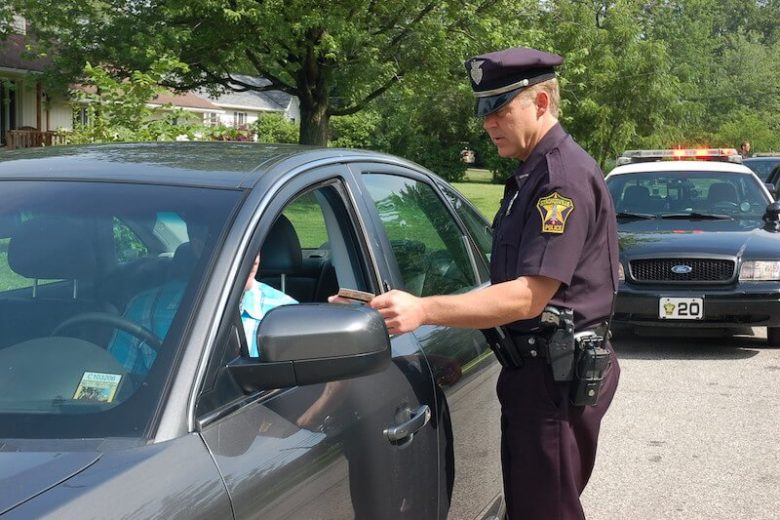
The primary stop doctrine in California means that expired tags are not just a reason to issue a citation, but a reason to initiate contact with the driver. This allows officers to verify registration status, check for current insurance, and ensure the driver holds a valid license. For a traveler, this can translate into an unexpected delay and the potential for a citation, even if all your other documents are in order and your driving has been exemplary. The officer might also inquire about the nature of your travel and the length of your stay, especially if the vehicle is from out of state and has been in California for an extended period, which could raise questions about residency and local registration requirements.
Potential Roadblocks: Fines, Penalties, and Vehicle Impoundment
Getting pulled over for expired tags in California can lead to more than just a stern warning. Depending on the circumstances, such a stop can result in significant financial penalties, a “fix-it ticket,” or in more severe cases, even the impoundment of your vehicle. These consequences can severely disrupt your travel plans and add unexpected stress and expenses to your journey.
Financial Implications
The typical citation for driving with expired tags in California involves a base fine, which can then be substantially increased by various court fees, assessments, and surcharges. While the base fine for Vehicle Code 4000(a)(1) might seem modest, the total cost can easily reach several hundred dollars. For a traveler on a budget, this can be a significant setback. Furthermore, accumulating traffic violations can affect your driving record, potentially impacting insurance rates, even if you’re an out-of-state resident.

The “Fix-It Ticket” Option
In some instances, particularly if the registration has only recently expired or if it’s your first offense, an officer might issue a “fix-it ticket,” officially known as a “notice to appear” or “notice of correction.” This type of citation allows you to correct the violation (i.e., renew your registration) within a specified timeframe and provide proof of correction to the court or issuing agency. If you successfully correct the issue and provide proof, the fine associated with the original violation may be significantly reduced or dismissed, though administrative fees might still apply. However, correcting an expired out-of-state registration while traveling can be cumbersome and time-consuming, requiring communication with your home state’s DMV.
When Impoundment is a Risk
While less common for a simple expired tag, vehicle impoundment remains a possibility, especially under aggravated circumstances. If your tags are severely expired (e.g., several years), or if you have multiple outstanding violations, or if the officer suspects the vehicle is stolen or involved in other criminal activity, they may have grounds to impound your vehicle. This is a nightmare scenario for any traveler, leading to towing fees, storage fees, and the immense inconvenience of retrieving your vehicle, which can often only be done after the registration issue is fully resolved. It’s crucial for travelers to avoid putting themselves in a situation where this could occur.
Proactive Steps for a Smooth California Road Trip
Preventing issues with expired tags is straightforward with a bit of foresight and preparation. Taking proactive steps before and during your journey can save you time, money, and unnecessary stress, allowing you to focus on enjoying the beauty and attractions California has to offer, from Lake Tahoe to Yosemite National Park.
Pre-Trip Vehicle Checks
Before you even hit the road, conduct a thorough check of your vehicle’s documentation. Verify that your registration is current and that the tags on your license plate reflect the correct expiration date. If your trip is going to span across your registration renewal period, ensure you initiate the renewal process well in advance to receive your new tags before you depart. This is particularly important for those embarking on long-term travel or those whose journeys might extend beyond their current registration validity.
Digital vs. Physical Documentation
While many states are moving towards digital proofs of insurance and registration, it is still advisable to carry physical copies of your vehicle’s registration, proof of insurance, and your driver’s license. In the event of a traffic stop, having these documents readily accessible can expedite the process and provide clear evidence of your compliance. Ensure they are stored in a safe, yet easily retrievable, location within your vehicle.
Planning for Out-of-State Vehicles
If you’re driving an out-of-state vehicle, understand that while you’re generally expected to comply with your home state’s registration laws, a visibly expired tag will still attract attention in California. Ensure your home state registration is current before traveling. If you anticipate being in California for an extended period (typically beyond 20 days or if you establish residency), you may be required to register your vehicle in California. Research these regulations if your travel plans are lengthy to avoid potential conflicts.
What to Do If Pulled Over: Rights and Responsibilities
Even with the best preparation, unforeseen circumstances can lead to a traffic stop. Knowing how to responsibly and respectfully interact with law enforcement is crucial for any driver, particularly a traveler in an unfamiliar jurisdiction.
Interacting with Law Enforcement
If you are pulled over for expired tags, or any other reason:
- Stay Calm and Pull Over Safely: Activate your turn signal, find a safe spot, and pull over promptly.
- Keep Your Hands Visible: Place your hands on the steering wheel, and avoid sudden movements.
- Gather Documents: Politely inform the officer that you are reaching for your license, registration, and proof of insurance.
- Be Respectful and Truthful: Answer questions honestly but avoid volunteering unnecessary information.
- Know Your Rights: You have the right to remain silent and the right to refuse searches unless the officer has probable cause or a warrant. However, it’s generally best to comply with lawful orders and address any concerns later through legal channels.

Understanding Your Options
If you receive a citation for expired tags, carefully review the ticket. It will contain instructions on how to address the violation, including payment options, court appearance dates, and information regarding “fix-it” options. If you believe the citation was issued in error, or if you have mitigating circumstances, you may choose to contest it in court. For out-of-state travelers, this might involve an additional layer of complexity, possibly requiring legal counsel or a return trip to California. The best course of action is always to ensure your vehicle is legally registered before you embark on your California adventure, allowing you to enjoy the journey without the specter of avoidable legal troubles.
LifeOutOfTheBox is a participant in the Amazon Services LLC Associates Program, an affiliate advertising program designed to provide a means for sites to earn advertising fees by advertising and linking to Amazon.com. Amazon, the Amazon logo, AmazonSupply, and the AmazonSupply logo are trademarks of Amazon.com, Inc. or its affiliates. As an Amazon Associate we earn affiliate commissions from qualifying purchases.