
Decoding the California Roll: A Culinary Classic for Travelers
Traveling while pregnant often brings a heightened awareness to dietary choices, especially when exploring new cuisines. The allure of local flavors is undeniable, but safety remains paramount. Among the many culinary questions that arise, “Can I eat sushi?” is a frequent one, and the California roll often takes center stage in this discussion due to its widespread popularity and perceived “safeness” compared to raw fish options.
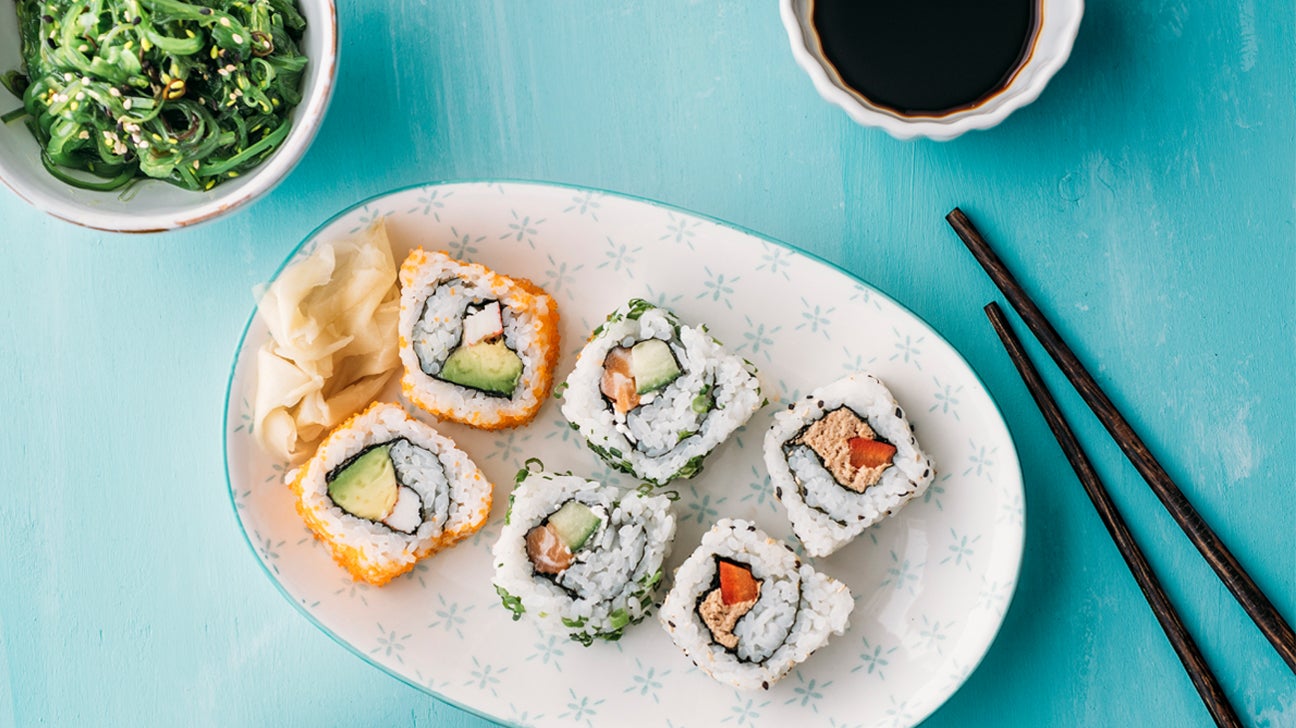
The California roll is a true icon in the world of Japanese-inspired cuisine, particularly in North America. It’s an inside-out roll (uramaki) that typically features surimi (imitation crab meat), avocado, and cucumber, all wrapped in nori seaweed and sushi rice, often garnished with toasted sesame seeds or masago (capelin roe). Its creation is often attributed to chefs in Los Angeles in the late 1960s or early 1970s, designed to introduce sushi to a Western palate that was initially hesitant about raw fish. This culinary innovation quickly took off, becoming a staple in sushi restaurants globally and a gateway for many to explore the broader world of Japanese food. Its mild flavor profile and familiar ingredients made it an instant hit, cementing its place as an accessible and popular choice for both novices and seasoned sushi enthusiasts. For pregnant travelers, understanding the components of this beloved roll is the first step in determining its suitability.
Navigating Pregnancy Cravings on Your Travels: The Sushi Dilemma
Pregnancy can bring about a unique set of cravings and, simultaneously, a strict need for caution regarding food safety. When exploring new destinations, the temptation to dive into local culinary delights is strong. However, for expectant mothers, the risks associated with certain foods, particularly those prepared outside of one’s home kitchen, must be carefully considered.
The general advice from health organizations globally strongly recommends avoiding raw or undercooked fish and seafood during pregnancy. This caution stems from the potential presence of parasites, harmful bacteria such as Listeria monocytogenes, and elevated levels of mercury in certain types of fish. These contaminants can pose significant risks to both the mother and the developing fetus, ranging from severe food poisoning to more serious developmental issues or even miscarriage. The immune system of a pregnant woman is naturally suppressed, making her more vulnerable to foodborne illnesses. Therefore, while a craving for fresh sushi might strike, the standard guidelines lean heavily towards opting for fully cooked alternatives or avoiding it altogether if there’s any doubt about the preparation or ingredients. This conservative approach ensures the utmost safety, allowing pregnant travelers to enjoy their journeys without unnecessary worry about their diet.
The Green Light for California Rolls: Understanding the Ingredients
The good news for pregnant travelers craving sushi-like flavors is that the traditional California roll is generally considered safe. This is because, unlike many other sushi varieties, it typically contains no raw fish. The key to its safety lies in its standard ingredients:
Imitation Crab (Surimi)
The primary protein in a California roll is surimi, commonly known as imitation crab meat. Surimi is a processed seafood product made from deboned and minced fish, most often pollock, which is then mashed into a paste, flavored, and heat-treated to resemble crab meat. Because the fish used to make surimi is cooked and pasteurized during its production, it does not pose the same risks as raw seafood. It’s a fully cooked product, making it a safe choice for pregnant women.
Avocado and Cucumber
Both avocado and cucumber are fresh vegetables that are highly nutritious and safe for consumption during pregnancy. Avocado provides healthy fats, folate, and potassium, while cucumber offers hydration and vitamins. As long as they are fresh and properly washed (which is standard practice in reputable sushi establishments), they contribute to the roll’s flavor and texture without any health concerns.
Sushi Rice and Nori Seaweed
The foundation of any sushi roll, the seasoned sushi rice and the nori seaweed wrapper, are also safe. Rice is cooked, and nori is a dried product that undergoes processing, neither of which presents a risk to pregnant women. The seasoning for sushi rice typically includes rice vinegar, sugar, and salt, all of which are harmless in moderation.
Mayonnaise and Other Sauces
Many California rolls are made with a touch of mayonnaise, often mixed with a bit of sriracha for a “spicy California roll.” Commercially produced mayonnaise in most countries, particularly in established restaurants, is made with pasteurized eggs, eliminating the risk of salmonella. However, if there’s any concern about homemade mayonnaise (which is rare in commercial settings for sushi), it’s always wise to inquire. For travelers, it’s generally safe to assume that mayonnaise served in reputable eateries will be pasteurized.
In summary, the traditional California roll is a pregnancy-friendly option primarily because all its core components are cooked or safe vegetables. This makes it an excellent choice for expectant mothers who wish to indulge in the sushi experience without compromising their health or the baby’s well-being while exploring local food scenes.
Essential Tips for Enjoying Sushi Safely While Pregnant on Your Trip
While the California roll offers a safe entry point into sushi for pregnant travelers, a few additional precautions can enhance safety and enjoyment when dining out:
Confirm Ingredients Always
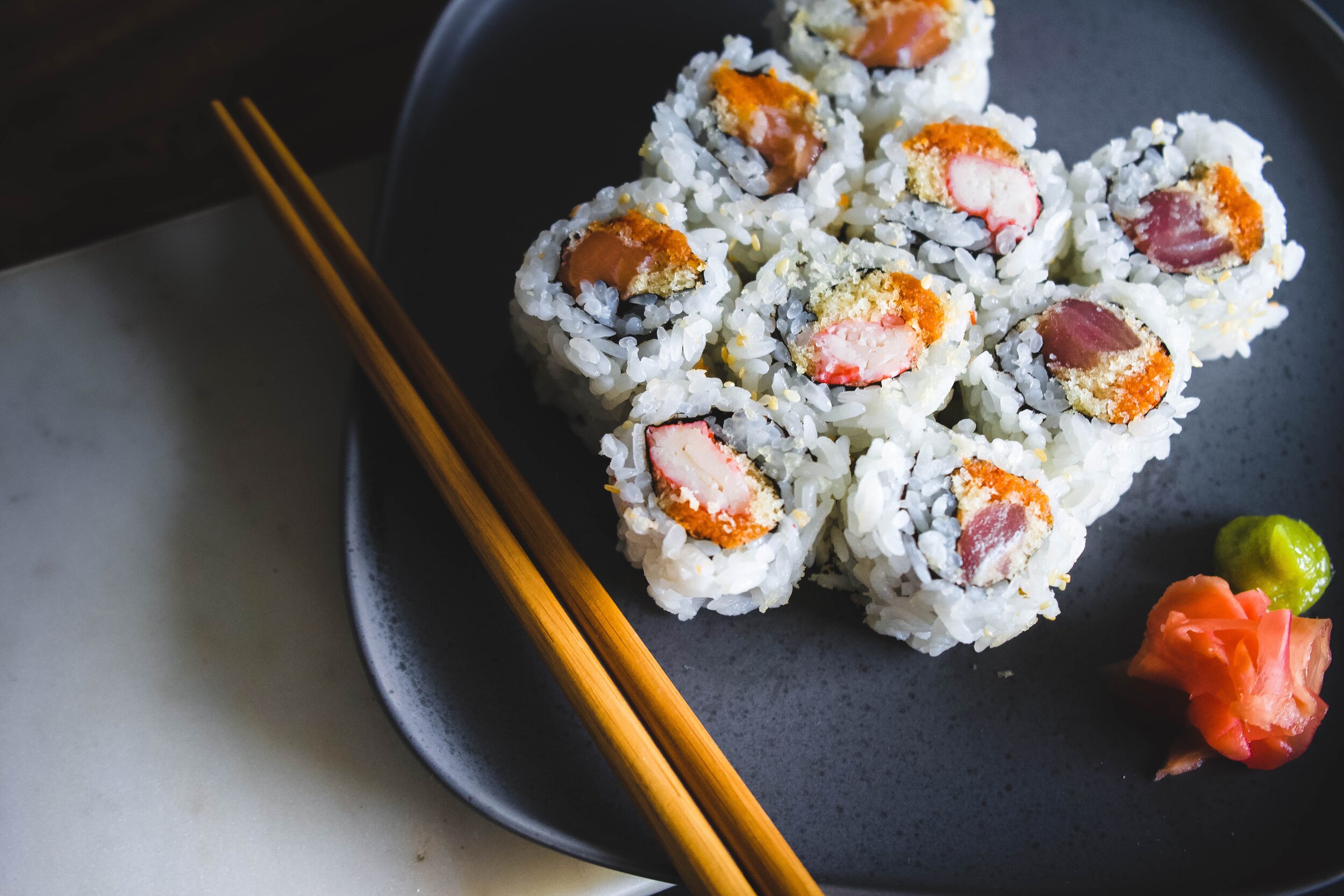
Even if a roll is labeled as a “California roll,” menu descriptions can sometimes vary, or a chef might add an unexpected ingredient. Before ordering, always confirm with your server that the roll contains no raw fish or other unpasteurized ingredients. A quick question can provide immense peace of mind. Some establishments might offer variations that include raw fish, so clarity is key.
Choose Reputable Establishments
When traveling, especially in bustling tourist destinations or international cities like Tokyo or Los Angeles, prioritize eating at well-regarded sushi restaurants with high cleanliness standards and positive reviews. A restaurant with a high turnover of customers usually indicates fresh ingredients. Look for establishments that appear clean, have attentive staff, and maintain proper food handling practices. Avoid places that seem less hygienic or where food has been sitting out for extended periods.
Inquire About Cross-Contamination
For heightened safety, particularly if you have specific sensitivities or concerns, you can politely ask if the kitchen can use separate cutting boards and utensils for your cooked rolls to prevent any cross-contamination with raw fish products. While not always feasible in busy kitchens, reputable establishments will often accommodate such requests to ensure customer safety and satisfaction.
Ensure Proper Food Temperature
Regardless of whether it’s cooked or raw, all food should be served and stored at appropriate temperatures. Hot food should be hot, and cold food should be cold. If any sushi or other dish you order feels lukewarm when it should be chilled, or vice-versa, it’s best to err on the side of caution and request a fresh item. This is crucial in preventing bacterial growth.
Explore Other Cooked Sushi Options
Beyond the California roll, many sushi restaurants offer a variety of other pregnancy-safe options. These include rolls featuring fully cooked ingredients such as:
- Tempura Rolls: Often made with cooked shrimp or vegetables, deep-fried in a light batter.
- Cooked Eel (Unagi) Rolls: Eel is always served fully cooked and often grilled with a sweet sauce.
- Chicken Teriyaki Rolls: Rolls filled with cooked chicken.
- Vegetable Rolls: Featuring a variety of fresh vegetables like avocado, cucumber, carrots, and asparagus.
- Tamago (Cooked Egg) Nigiri: Sweet, layered omelet served over rice.
These options provide diversity and allow pregnant travelers to enjoy the sushi experience without compromising safety.
Be Mindful of Sauces and Add-ons
While most standard sauces like soy sauce or eel sauce are safe, be cautious with anything that might be homemade or include unpasteurized ingredients. Spicy mayonnaise, for instance, typically uses pasteurized eggs, but if you have a sensitive stomach during pregnancy, the spiciness itself might be an issue. Always ask about the ingredients if you have any doubts or specific dietary restrictions.
By following these tips, pregnant travelers can confidently navigate sushi menus and safely enjoy the culinary adventures a new destination offers, including the classic California roll and other delicious, cooked preparations.
Beyond the Roll: Exploring Pregnancy-Safe Culinary Adventures
While the California roll provides a delightful and safe option for pregnant travelers seeking a taste of sushi, the broader world of culinary tourism offers countless other ways to indulge responsibly. Embracing local culture through food is a cornerstone of travel, and pregnancy doesn’t mean sacrificing this rich experience—it merely requires a thoughtful approach.
When venturing out, prioritize fully cooked local dishes. Many cultures boast an array of stews, grilled meats, roasted vegetables, and hearty casseroles that are not only delicious but also inherently safe due to thorough cooking. For instance, in Japan, exploring ramen, udon, or donburi bowls (ensure any egg toppings are fully cooked) offers a different, yet equally authentic, taste of the local cuisine. In Italy, savoring pasta dishes with robust cooked sauces or well-baked pizzas can be a delightful experience. The key is to ensure that meats are cooked through, vegetables are steamed or sautéed, and any dairy products used are pasteurized.
Another area to enjoy is fresh produce, provided it is meticulously washed. Farmers’ markets and fruit stands offer vibrant insights into local agriculture and flavors. Opt for fruits that you can peel yourself, like bananas, oranges, or mangoes, to minimize contamination risks. For leafy greens and berries, ensure they have been thoroughly cleaned with potable water.
When it comes to beverages, stick to bottled water, pasteurized juices, and other non-alcoholic drinks. Many destinations offer unique local non-alcoholic concoctions, from herbal teas to fresh fruit smoothies (again, ensuring fruits are washed and ice is made from purified water).
Finally, always remember that while general guidelines are helpful, every pregnancy is unique. It’s highly advisable for pregnant travelers to consult with their healthcare provider before embarking on a trip and to discuss specific dietary concerns. A doctor can offer personalized advice based on individual health needs and the specific destinations planned. By combining professional medical advice with informed food choices and adherence to food safety principles, pregnant travelers can fully immerse themselves in the culinary wonders of their chosen destinations, creating unforgettable memories without any undue worries. The journey of taste doesn’t have to pause during pregnancy; it simply becomes a more mindful and incredibly rewarding adventure.
LifeOutOfTheBox is a participant in the Amazon Services LLC Associates Program, an affiliate advertising program designed to provide a means for sites to earn advertising fees by advertising and linking to Amazon.com. Amazon, the Amazon logo, AmazonSupply, and the AmazonSupply logo are trademarks of Amazon.com, Inc. or its affiliates. As an Amazon Associate we earn affiliate commissions from qualifying purchases.