
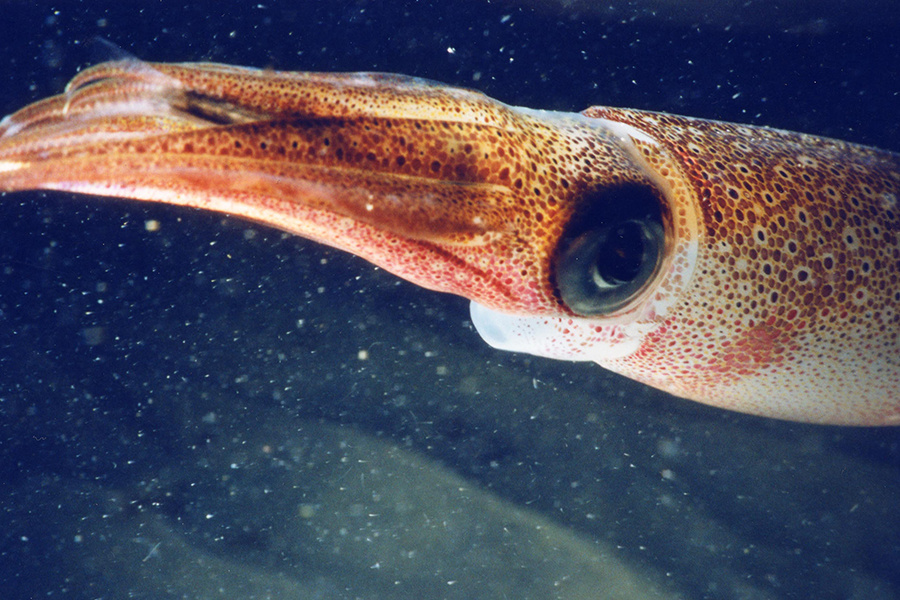
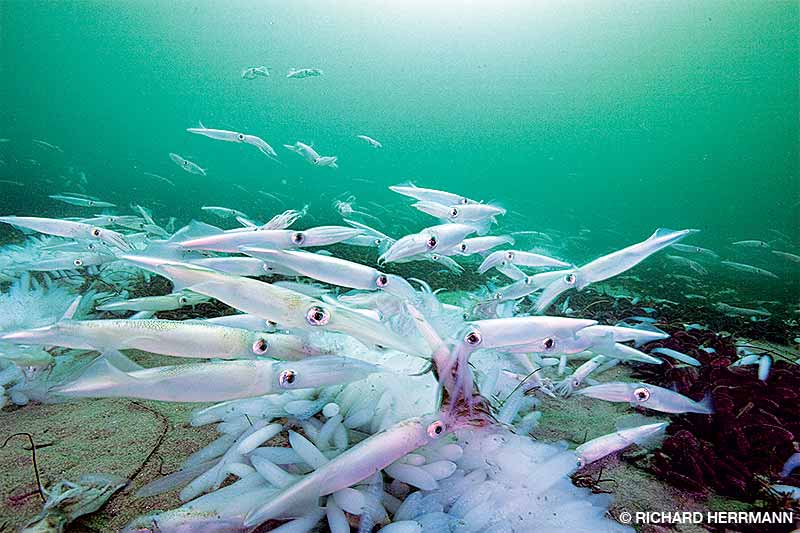
Absolutely! California offers an incredible opportunity for both seasoned anglers and curious tourists to experience the thrill of catching squid. This vibrant activity is not just a popular pastime for locals; it’s a unique and accessible tourism experience that connects visitors with the rich marine life of the Pacific Ocean and the state’s lively coastal culture. From the bustling piers of Southern California to the cooler waters of Northern California, squid fishing is a fantastic way to engage with the natural environment, enjoy the crisp ocean air, and perhaps even catch your own dinner. The primary target species is the Market Squid (Doryteuthis opalescens), which congregates in massive schools along the coast, particularly during their spawning season. While less common, larger species like the Humboldt Squid can also be found further offshore. This guide delves into everything you need to know to embark on your own squid-catching adventure in the Golden State, offering essential tips, prime locations, and a glimpse into this engaging activity.
The Allure of Squid Fishing as a Tourist Activity
Squid fishing transcends the typical tourist experience, offering an authentic glimpse into California’s coastal traditions and marine ecosystem. It’s an activity that requires minimal specialized gear, making it highly accessible for visitors without extensive fishing backgrounds. The appeal lies in several factors:
A Unique Nighttime Adventure
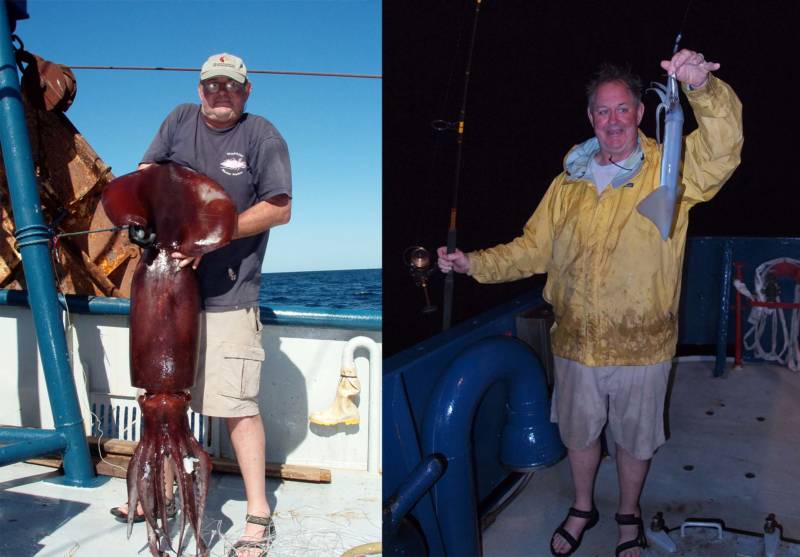
Unlike many daytime fishing pursuits, squid fishing is predominantly a nighttime activity. Squid are attracted to light, making evenings and late nights the prime time for success. This adds an element of mystique and excitement, as piers and docks illuminate the water, drawing in schools of squid. The experience of being out under the stars, with the gentle lapping of waves and the anticipation of a tug on your line, is truly memorable. It’s an alternative way to experience California’s iconic coastlines, moving beyond typical sightseeing to hands-on engagement with nature.
High Catch Rates and Immediate Gratification
When the squid are running, they often appear in vast numbers, leading to high catch rates. This provides a gratifying experience, especially for beginners or families with children, who might otherwise get discouraged by the often-elusive nature of other fish. The quick action and the visual spectacle of schools of squid flashing under the lights can be exhilarating. It’s a rewarding activity that often yields tangible results, making it a popular choice for those seeking an active and fruitful outing.
Connection to Local Food Culture
Catching squid isn’t just about the sport; it’s also about the fresh, delicious seafood. Many California coastal communities have a strong tradition of preparing fresh squid, whether fried calamari, grilled steaks, or incorporated into various seafood dishes. Tourists who catch their own squid can immerse themselves further into the local food culture by preparing their haul. This farm-to-table (or in this case, ocean-to-table) experience is a highlight for many visitors, turning a simple fishing trip into a culinary adventure.
Prime Locations for Your California Squid Expedition
California’s extensive coastline offers numerous fantastic spots for squid fishing. While squid runs can be unpredictable and vary by year and specific conditions, certain locations are renowned for their consistent squid populations and accessibility for tourists.
Central Coast Hotspots
The Central Coast region is arguably the most famous for squid fishing. Monterey Bay is particularly legendary, with the municipal wharf and nearby piers being prime spots. The deep canyon in Monterey Bay provides an ideal habitat for squid. The city of Monterey itself is a popular tourist destination, offering plenty of other attractions like the Monterey Bay Aquarium to complement a squid fishing trip. Other notable Central Coast locations include the piers in Santa Cruz and Capitola, as well as San Luis Obispo County’s Morro Bay and Port San Luis. These areas often have bait and tackle shops conveniently located near fishing spots, making it easy for tourists to acquire the necessary gear.
Southern California Piers
Southern California boasts a multitude of accessible piers that become bustling hubs for squid fishing during peak seasons. The Santa Monica Pier is not only an iconic landmark but also a productive fishing spot. Its vibrant atmosphere makes it an exciting place for tourists to cast a line. Other popular piers include Redondo Beach Pier, Hermosa Beach Pier, and the piers in Long Beach. Further south, the piers in San Diego, such as Ocean Beach Pier and Imperial Beach Pier, also offer excellent opportunities. These locations are easily reachable from major metropolitan areas, making them perfect for an evening excursion for city visitors.
Northern California Opportunities
While squid runs in Northern California might be less consistent than further south, opportunities still arise, particularly around San Francisco Bay. Piers like Fisherman’s Wharf, and specifically Pier 39 in San Francisco, can occasionally see good squid action, especially in late fall or winter. It’s always advisable to check local fishing reports or inquire with bait shops for the most current information on squid presence in these areas.
Essential Gear and Techniques for a Successful Catch
For tourists looking to try their hand at squid fishing, the good news is that the equipment required is relatively simple and inexpensive. Most piers in popular fishing areas have nearby shops where gear can be purchased or rented.
Basic Gear Checklist
- Fishing Rod and Reel: A light to medium action rod, about 7-9 feet long, paired with a spinning reel spooled with 10-20 lb monofilament or braided line, is ideal. This setup provides enough sensitivity for detecting bites and sufficient strength for bringing in multiple squid.
- Squid Jigs: These are the most crucial pieces of equipment. Squid jigs are specialized lures designed to mimic shrimp or small baitfish, featuring a basket of sharp, upward-pointing prongs (barbs) instead of hooks. They come in various colors and sizes, with green, pink, and orange being popular choices. Many jigs also glow in the dark or have internal lights, further attracting squid.
- Weights: Depending on the current and depth, a ½ to 2-ounce sinker may be needed to get your jig down to the squid’s feeding depth.
- Bucket/Cooler: Essential for keeping your catch fresh. Squid needs to be placed on ice immediately after catching.
- Net/Gaff: While not always necessary for individual squid, a small net can be helpful if you hook multiple squid at once or need to scoop a larger one.
- Light Source: A headlamp or lantern is vital for fishing at night, not only for seeing what you’re doing but also for attracting squid to your immediate area.
Effective Techniques
The primary method for catching squid is jigging. This involves lowering your squid jig to the desired depth and then rhythmically raising and lowering your rod tip, imparting an enticing darting motion to the jig. The goal is to imitate a struggling prey item.
- Depth Matters: Squid often hold at specific depths. Start by casting out and letting your jig sink to the bottom, then slowly retrieve it with jerking motions, covering different depths until you find where the squid are biting.
- Light Attraction: Position yourself under or near bright lights on a pier, or use your own powerful lantern to shine into the water. The light attracts plankton and baitfish, which in turn draw in the squid.
- Feel for the “Weight”: Unlike fish that often “bite” with a distinct tug, squid tend to feel like added weight on your line. You’ll feel a sudden heaviness or resistance. When you do, lift your rod smoothly and begin reeling them in. Avoid sharp jerks that could tear the jig from their tentacles.
- Keep Them Wet: When bringing squid aboard, try to keep them over the water or a bucket. Squid can squirt ink as a defense mechanism, which, while harmless, can be messy!
Regulations and Responsible Practices for Tourists
Engaging in any fishing activity in California requires adherence to specific regulations to ensure sustainability and responsible practices. For tourists, understanding these rules is crucial.
Fishing Licenses
Anyone 16 years of age or older needs a valid California Department of Fish and Wildlife fishing license to catch squid, even when fishing from a public pier or jetty. While a license is generally required for fishing in public waters, fishing from a public pier or jetty for finfish often does not require a license for residents or non-residents. However, squid are considered invertebrates, and the rules are slightly different for them. Always verify current regulations directly with the California Department of Fish and Wildlife or a local bait shop. Licenses can be purchased online, at tackle shops, or at many sporting goods stores.
Bag and Possession Limits
There are specific bag and possession limits for Market Squid. Currently, the daily bag limit for recreational fishermen is 10 gallons of squid. This is a generous limit, ensuring most recreational anglers can take home a substantial amount for personal consumption. It’s imperative to respect these limits to maintain healthy squid populations.
Environmental Stewardship
Responsible fishing practices are vital. Always:
- Pack it in, pack it out: Take all trash, discarded lines, and bait containers with you.
- Avoid over-harvesting: Only take what you can reasonably use or consume.
- Be mindful of others: Piers can get crowded, especially during good squid runs. Give fellow anglers space and be considerate of their lines.
- Respect marine life: If you accidentally catch something other than squid, handle it gently and release it quickly.
From Ocean to Plate: Enjoying Your California Catch
The culmination of a successful squid fishing trip is the opportunity to enjoy your fresh catch. Squid is incredibly versatile and delicious, making it a favorite in California’s culinary scene.
Cleaning Your Squid
Cleaning squid is straightforward. First, hold the body (mantle) in one hand and the head/tentacles in the other. Gently pull the head and tentacles away from the body; the internal organs, ink sac, and quill (a clear, plastic-like backbone) should come out with the head. Discard these. You can then peel off the thin, spotted skin from the mantle. Finally, separate the tentacles from the head (just below the eyes) and squeeze out the small, hard beak located in the center of the tentacles. Rinse everything thoroughly.
Simple and Delicious Preparations
- Fried Calamari: This is perhaps the most iconic way to enjoy squid. After cleaning, slice the mantle into rings and halve the tentacles. Dredge them in seasoned flour or a light batter and deep-fry until golden and tender. Serve with lemon wedges and marinara sauce.
- Grilled Squid: Marinate whole cleaned squid or squid steaks in olive oil, garlic, lemon juice, and herbs for about 30 minutes. Grill quickly over high heat until just opaque and tender, typically 2-3 minutes per side. Overcooking will make squid tough.
- Squid Stir-fry: Slice the cleaned mantle into bite-sized pieces and chop the tentacles. Stir-fry with your favorite vegetables and a savory sauce for a quick and healthy meal.
Catching squid in California offers a truly immersive and rewarding tourism experience. It combines the thrill of the chase, the beauty of the California coast at night, and the satisfaction of a delicious, self-caught meal. Whether you’re a seasoned angler or a curious traveler, this accessible activity promises an unforgettable adventure.
LifeOutOfTheBox is a participant in the Amazon Services LLC Associates Program, an affiliate advertising program designed to provide a means for sites to earn advertising fees by advertising and linking to Amazon.com. Amazon, the Amazon logo, AmazonSupply, and the AmazonSupply logo are trademarks of Amazon.com, Inc. or its affiliates. As an Amazon Associate we earn affiliate commissions from qualifying purchases.