
The allure of owning an exotic pet can be powerful, fueled by viral videos or a desire for a unique companion. Among the creatures that occasionally capture human fascination are raccoons, known for their masked faces, dexterous paws, and seemingly mischievous intelligence. However, for residents of California contemplating the addition of a raccoon to their household, the reality is a firm “no.” The state maintains some of the most stringent regulations regarding exotic animal ownership in the United States, a stance deeply rooted in public safety, wildlife conservation, and the ecological well-being of its diverse natural habitats. Understanding these regulations is crucial for anyone considering a non-traditional pet, highlighting the lifestyle choices and responsibilities inherent in pet ownership within the Golden State.
The Legality of Raccoon Ownership in California
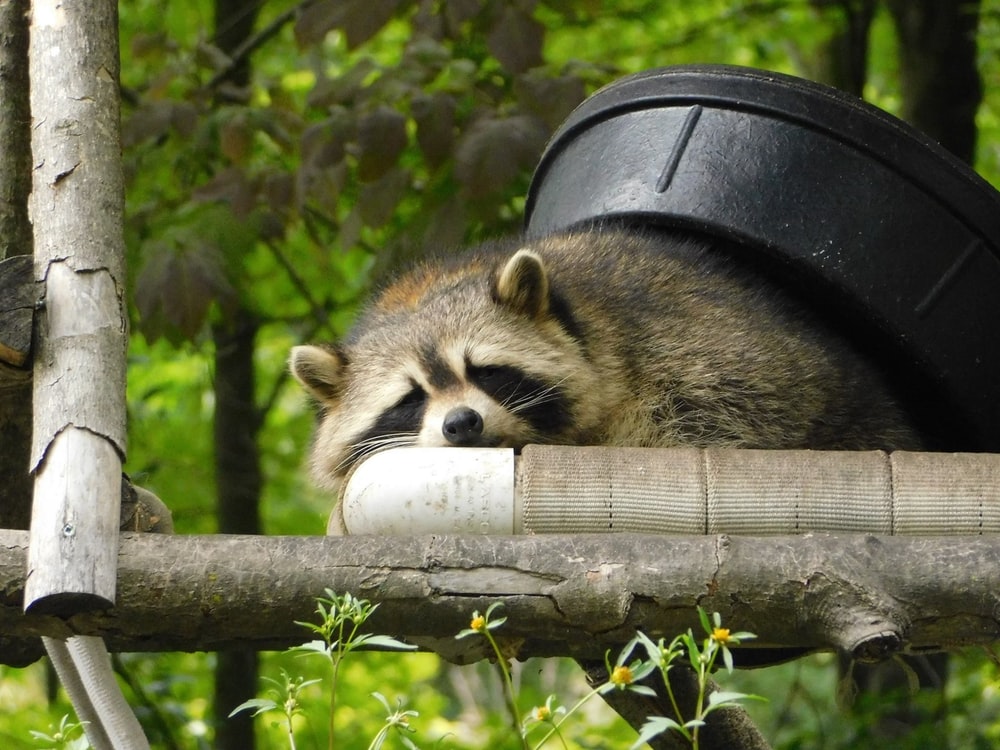
California categorizes raccoons (scientific name Procyon lotor) as “restricted animals.” This designation means they are illegal to possess as pets without a special permit, which is typically only granted to zoos, wildlife rehabilitators, or educational institutions for specific, approved purposes. Private individuals are explicitly prohibited from owning raccoons, whether captive-bred or wild-caught. This isn’t merely a suggestion; it’s a legal mandate enforced by the California Department of Fish and Wildlife (CDFW). Violation of these laws can lead to significant fines, confiscation of the animal, and potentially even jail time, underscoring the seriousness with which the state approaches wildlife management and public protection.
California’s Strict Regulations
The California Fish and Game Code, specifically Title 14, outlines comprehensive regulations for the importation, transportation, and possession of live restricted animals. Raccoons fall under the classification of “nongame mammals,” and their status as a restricted species is clear. The rationale behind such strictness is multi-faceted, reflecting an understanding of both ecological threats and potential public health concerns. Unlike some states with more lenient exotic pet laws, California has adopted a precautionary principle, aiming to prevent problems before they arise. This approach dictates that if an animal poses a risk to native wildlife, agriculture, or human health, it should not be allowed in private hands. This legislative framework shapes the lifestyle of its residents, guiding choices about companion animals and ensuring a harmonious balance with the state’s natural environment.
Why the Ban? Public Safety and Wildlife Conservation
The prohibition on pet raccoons in California isn’t arbitrary; it’s based on sound ecological and public health principles. Raccoons are wild animals, and even those raised in captivity retain strong wild instincts. They are not domesticated in the way dogs or cats are, and their behavior can be unpredictable.
- Public Safety Risks: Raccoons can be aggressive, especially when they feel threatened or are protecting offspring. Their bites and scratches can be severe and transmit diseases to humans. They are also known carriers of rabies, a fatal viral disease, as well as leptospirosis, roundworm, and other zoonotic diseases. Introducing such an animal into a residential setting significantly elevates the risk of disease transmission within the human and domestic pet population. The lifestyle choice to own a wild animal directly impacts the safety and well-being of the wider community.
- Wildlife Conservation and Ecological Threat: Allowing raccoons as pets could lead to animals escaping or being intentionally released into the wild. Escaped non-native raccoons could introduce diseases to native wildlife populations, disrupt local ecosystems through predation or competition for resources, and potentially interbreed with native populations if they are a different subspecies. Even native raccoons, if released after being raised in captivity, may struggle to survive or could introduce diseases acquired from humans or other captive animals back into the wild. California’s diverse ecosystems are particularly vulnerable to invasive species, making the protection of native fauna a top priority.
- Animal Welfare Concerns: Raccoons have complex needs that are difficult, if not impossible, to meet in a typical home environment. They require vast spaces, a varied diet, opportunities for foraging and climbing, and specific social interactions. Confinement can lead to stress, destructive behaviors, and poor health, representing a significant animal welfare concern that the state actively seeks to prevent.
The Challenges Beyond Legality: Why Raccoons Aren’t Ideal Pets
Even if the legal barriers didn’t exist, the practical challenges of owning a raccoon are substantial, highlighting why this particular lifestyle choice is often ill-advised. Their natural behaviors and needs make them incredibly difficult, if not impossible, to truly integrate into a conventional domestic setting.
Health Risks and Zoonotic Diseases
As mentioned, raccoons are vectors for several serious diseases. Rabies is the most well-known, and while a vaccine exists for some domestic animals, it’s not approved for raccoons, meaning a vaccinated raccoon could still transmit the disease. Beyond rabies, raccoons often carry Baylisascaris procyonis, or raccoon roundworm, which can be devastating to humans, particularly children, leading to severe neurological damage or blindness. Leptospirosis, Giardia, and canine distemper are also common. Regular veterinary care for exotic animals is specialized and expensive, and finding a vet willing and able to treat a raccoon, especially one illegally kept, can be a major hurdle. This isn’t just a pet owner’s personal risk; it’s a public health concern that impacts the broader community.
Destructive Behavior and Specialized Needs
Raccoons are incredibly intelligent, curious, and dexterous. While these traits are endearing in wildlife documentaries, they translate into significant challenges in a home environment. They will open cabinets, dismantle plumbing, shred furniture, and generally wreak havoc. Their natural instinct to forage means they will constantly search for food, leading them to raid pantries and garbage bins with impressive efficiency.
- Housing: A typical home cannot provide the stimulation and space a raccoon needs. They require large, secure outdoor enclosures with plenty of climbing structures, water for bathing, and hiding spots. These enclosures must be escape-proof, which is a monumental task given a raccoon’s ingenuity.
- Diet: Raccoons are omnivores with a highly varied diet in the wild. Replicating this nutritionally balanced diet in captivity is challenging, and improper nutrition can lead to health problems.
- Socialization: While some hand-raised raccoons may appear affectionate, their behavior can change dramatically as they mature, often becoming aggressive or unpredictable. They are not naturally inclined to live in a human-centric social structure. This can lead to frustration for both the animal and the owner, often resulting in the animal being abandoned or surrendered.

Ethical Considerations for Wildlife
The core ethical dilemma with keeping raccoons as pets centers on whether humans can truly meet the complex needs of a wild animal in captivity. Wildlife, by definition, belongs in the wild. Removing an animal from its natural habitat, or breeding it for a life that mimics domestication but falls short of its intrinsic needs, raises significant ethical questions. Supporting the exotic pet trade, even inadvertently, can contribute to illicit wildlife trafficking and put pressure on wild populations. For those passionate about animals, the most responsible and ethical lifestyle choice is often to appreciate wildlife from a respectful distance and support organizations dedicated to their conservation in their natural environments.
What About Other Exotic Animals in California?
California’s regulations extend far beyond raccoons, encompassing a wide array of species. The CDFW maintains a comprehensive list of restricted animals, designed to protect the state’s ecosystems and public health. This legal framework significantly impacts the types of pets California residents can legally own, influencing a critical aspect of their personal lifestyle choices.
Permitted and Prohibited Species
Generally, mammals that are considered strictly wild and have not undergone generations of domestication are prohibited. This includes, but is not limited to, all species of foxes, coyotes, wolves, most primates, big cats (lions, tigers, cougars), bears, and venomous reptiles. The logic remains consistent: these animals pose risks to public safety, ecological balance, or have welfare needs that cannot be met in a private home.
On the other hand, many commonly domesticated animals are permitted, such as dogs, cats, guinea pigs, hamsters, and some common bird species. There are also specific “exotic” pets that are legal, often due to their long history in the pet trade, proven safety, or minimal ecological threat. These might include certain types of reptiles (non-venomous snakes, turtles, lizards), some invertebrates (tarantulas, scorpions), and specific bird species (parrots, finches). However, even for these, local city or county ordinances might impose further restrictions, making it essential to research all applicable laws.
Seeking Information and Permits
For anyone unsure about the legality of a specific animal, the best course of action is always to consult the California Department of Fish and Wildlife directly. Their website provides detailed regulations and contact information for further inquiries. For commercial entities or research institutions that genuinely require restricted animals, a permit application process exists, but it involves rigorous scrutiny and a demonstration of specialized facilities and expertise. This is not an avenue for private pet ownership. Navigating these regulations is a crucial step in responsible pet ownership, a lifestyle choice that demands diligence and adherence to the law.
Responsible Pet Ownership and Wildlife Appreciation
The desire to connect with animals is a fundamental human trait. However, responsible pet ownership, especially in a state like California with its unique biodiversity, means making choices that prioritize animal welfare, public safety, and ecological integrity.
Embracing Domesticated Companions
For those seeking companionship, the wide array of domesticated animals offers boundless joy without the legal and ethical complexities associated with exotic pets. Shelters and rescue organizations across California are filled with dogs, cats, rabbits, and other domestic animals eagerly awaiting loving homes. Adopting a pet from these organizations not only provides a companion but also supports vital community services and offers a second chance to an animal in need. This lifestyle choice aligns with the principles of animal welfare and provides a fulfilling experience for both pet and owner.

Supporting Wildlife Safely
If your fascination lies with wild animals like raccoons, there are many ways to appreciate them safely and ethically. Visiting accredited zoos and wildlife sanctuaries allows for close observation of these magnificent creatures in environments designed to meet their complex needs. These institutions often play crucial roles in conservation, research, and education. Furthermore, supporting wildlife rehabilitation centers through donations or volunteering helps ensure that injured or orphaned wild animals receive proper care with the ultimate goal of returning them to their natural habitats. This approach allows individuals to cultivate a lifestyle of wildlife appreciation that contributes positively to conservation efforts, rather than potentially harming individual animals or broader ecosystems.
In conclusion, while the idea of a pet raccoon might seem appealing, the laws and practical realities in California make it an impossible and ill-advised lifestyle choice. The state’s strict regulations are a testament to its commitment to protecting both its unique wildlife and its human population from the inherent risks of exotic animal ownership. Responsible pet owners in California choose domesticated animals that thrive in home environments and find ethical ways to appreciate and support the wild creatures that truly belong in nature.
LifeOutOfTheBox is a participant in the Amazon Services LLC Associates Program, an affiliate advertising program designed to provide a means for sites to earn advertising fees by advertising and linking to Amazon.com. Amazon, the Amazon logo, AmazonSupply, and the AmazonSupply logo are trademarks of Amazon.com, Inc. or its affiliates. As an Amazon Associate we earn affiliate commissions from qualifying purchases.