
California, a state synonymous with sun-drenched beaches, towering redwoods, and vibrant cultural landscapes, often conjures images of unbridled freedom and celebratory spirit. However, when it comes to pyrotechnics, especially beyond the traditional window of July 4th festivities, the Golden State operates under a stringent set of regulations that can often surprise visitors and even some long-time residents. The short answer to whether you can light fireworks after July 4th in California is almost universally “no,” with very limited and specific exceptions. Understanding these nuances is crucial for anyone planning to enjoy the state’s offerings responsibly and legally, aligning with the spirit of local tourism that prioritizes safety and environmental preservation.
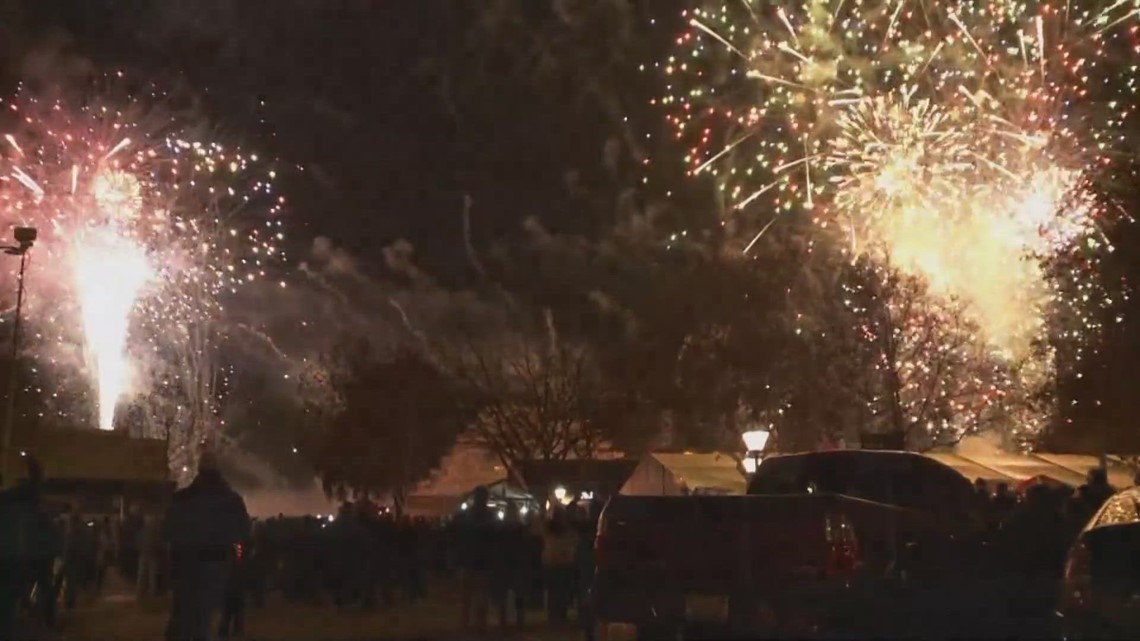
The Strict Reality of California Fireworks Laws
The legal framework surrounding fireworks in California is designed to mitigate significant risks, primarily wildfires and public safety hazards. This framework is a complex interplay of state statutes and local ordinances, which together create a highly restrictive environment for private firework use.
State-Level Regulations: A Blanket Approach
At the state level, the California Health and Safety Code governs the sale, possession, and use of fireworks. The California State Fire Marshal is the primary authority in this regard, classifying fireworks into various categories and dictating their legality. Generally, fireworks that fly, explode, or move uncontrollably are deemed illegal across the entire state, regardless of the date. This includes common items often associated with celebrations, such as cherry bombs, M-80s, firecrackers, bottle rockets, and Roman candles. The state’s stance is a broad prohibition, with limited exceptions.
The “Safe and Sane” Distinction
The only type of fireworks that can be legally sold and used in California are those designated as “Safe and Sane.” These are fireworks that do not leave the ground, do not explode, and do not move erratically. Examples include sparklers, smoke balls, snappers, and certain types of fountains. However, even these “Safe and Sane” fireworks are subject to strict rules. Their sale is permitted only for a very limited period leading up to July 4th, typically from June 28th to July 6th, and their use is generally restricted to the few days around July 4th itself. Crucially, the legality of even “Safe and Sane” fireworks after July 4th is almost nonexistent, as the window for their permitted use closes shortly thereafter. Any use outside this narrow timeframe is typically illegal, regardless of the firework’s classification.
Local Ordinances: The Layered Complexity
Adding another layer of complexity, individual cities and counties in California have the authority to impose even stricter regulations than the state. Many jurisdictions have outright banned all fireworks, including “Safe and Sane” varieties. Cities like Los Angeles, San Francisco, and even smaller towns across fire-prone regions often maintain a zero-tolerance policy. Therefore, even if you are within the California state-mandated sales window, local laws can supersede, rendering even “Safe and Sane” fireworks illegal within specific municipal boundaries. Visitors exploring California as a tourist destination must always check local regulations for their specific area of travel. A quick search of the city or county’s official website or contacting the local fire department or police department is always advisable before engaging in any firework-related activity.
Why the Strict Stance? Understanding California’s Vulnerability
The stringent firework laws in California are not arbitrary but are a direct response to the state’s unique geographical, climatic, and environmental challenges. These factors make it particularly susceptible to the dangers posed by uncontrolled pyrotechnics.
Wildfire Risk: A Constant Threat
California experiences prolonged dry seasons, strong winds, and an abundance of highly flammable vegetation, creating an extreme wildfire risk. A single spark from an errant firework can ignite devastating blazes that threaten lives, homes, and vast natural landscapes. The state regularly endures catastrophic wildfire seasons, with immense economic and ecological costs. Preventing these fires, especially during dry periods that often extend well beyond July 4th and into the autumn, is a top priority for state agencies like CAL FIRE and local emergency services. The ban on fireworks after July 4th is a critical component of this broader wildfire prevention strategy, acknowledging that the dry conditions typically persist and even worsen throughout the summer and fall.
Environmental Impact and Air Quality
Beyond fire, fireworks release significant amounts of particulate matter and toxic chemicals into the atmosphere. This can exacerbate air quality issues, especially in densely populated areas or regions prone to inversions. For a state that frequently grapples with air pollution challenges, limiting firework use helps mitigate these environmental impacts. Furthermore, the debris left behind by fireworks contributes to litter and can be harmful to wildlife. Tourists are encouraged to embrace the state’s natural beauty responsibly, and this includes minimizing any activities that could degrade the environment.
Public Safety and Emergency Services Strain
Illegal firework use poses direct threats to public safety through burns, injuries, and property damage. Every year, emergency rooms across California report a surge in firework-related incidents around July 4th. Allowing widespread firework use beyond this period would place an unsustainable strain on fire departments, paramedics, and law enforcement agencies. These resources are already stretched thin, particularly during wildfire season, and the strict regulations help ensure they can focus on critical emergencies rather than preventable firework-related incidents.
Navigating Post-July 4th Celebrations Responsibly
For those visiting or residing in California, understanding the implications of firework laws is paramount for a safe and enjoyable experience.
The Window of Legality: A Narrow Opening
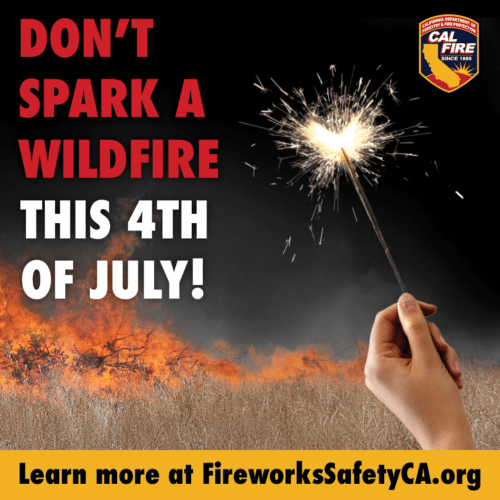
The window for legal “Safe and Sane” fireworks use is extremely narrow, typically encompassing only July 4th itself, with some localities extending permission for a day or two before and after. Even during this period, usage is often restricted to specific hours and designated areas. After July 4th, the general rule is that all private firework use becomes illegal throughout the vast majority of California. There are virtually no exceptions for lighting fireworks beyond this celebratory timeframe.
Consequences of Non-Compliance: What Tourists Need to Know
The penalties for illegal firework possession or use in California are severe and can include significant fines, confiscation of fireworks, and even jail time. Fines can range from hundreds to thousands of dollars, depending on the severity of the offense and any damage caused. If a firework sparks a wildfire, individuals can face felony charges, substantial restitution costs for damages, and lengthy prison sentences. Ignorance of the law is not a valid defense, making it crucial for tourists to be informed. Law enforcement agencies are particularly vigilant after July 4th, as residual illegal fireworks are often tempting to use, yet carry high risks.
Identifying Legal Purchase and Usage Zones
For the brief period when “Safe and Sane” fireworks are allowed, the only legal places to purchase them are from state-licensed vendors, usually temporary stands operated by non-profit organizations. These stands are typically only found in cities and counties where “Safe and Sane” fireworks are explicitly permitted. If you are in a location that has banned all fireworks, you will not find legal vendors. Tourists should never purchase fireworks from unregulated sources, as these are almost invariably illegal, dangerous, and often imported contraband. Always assume that if a firework does not explicitly state “Safe and Sane” and display the California State Fire Marshal seal, it is illegal.
Embracing Alternative Festivities in the Golden State
Rather than risking legal trouble and contributing to fire hazards, California offers numerous spectacular and safe ways to celebrate patriotism and community spirit, even after July 4th. These alternatives often provide a more enriching and authentic tourist experience.
Professional Fireworks Displays: A Safer Spectacle
Many California cities host professional fireworks displays, often at beaches, parks, or large venues. These events are choreographed by licensed pyrotechnicians, conducted under strict safety protocols, and often accompanied by live music and family-friendly activities. While the main professional shows peak around July 4th, some smaller community events or theme parks might feature displays at other times of the year. Attending these ensures safety and allows everyone to enjoy the dazzling spectacle without personal risk or legal repercussions. Look for events hosted by cities like San Diego, Long Beach, or larger entertainment venues.
Community Events and Festivals Beyond the Fourth
California’s calendar is packed with festivals and community gatherings that extend well beyond July 4th. These events often celebrate local culture, harvest seasons, music, or art, offering vibrant atmospheres with food, entertainment, and a sense of collective joy. Participating in these local experiences provides a deeper understanding of California’s diverse communities and their traditions, without the risks associated with fireworks. From grape stomping festivals in Wine Country to jazz festivals in coastal towns, there’s always something happening.
Exploring California’s Natural Beauty: Fire-Safe Recreation
Given the wildfire concerns, visitors should channel their celebratory energy into enjoying California’s unparalleled natural attractions. Hiking in Yosemite National Park, exploring the beaches of Big Sur, or camping in designated fire-safe areas are all excellent ways to experience the state. Always adhere to fire restrictions, which often include bans on campfires during high-risk periods. Embrace the natural light show of the stars, especially in remote areas away from city lights, as a truly breathtaking alternative to pyrotechnics.
Tips for Visitors and Residents Alike
For anyone planning to be in California during or after the July 4th period, responsible tourism requires being informed and respectful of local laws and environmental sensitivities.
Stay Informed: Resources for Local Laws
Before traveling to any specific city or county in California, make it a priority to check their official government website for current firework ordinances. Information from local fire departments, police departments, or tourism boards can provide the most up-to-date and accurate guidance. These resources will clarify what, if any, activities are permitted, and importantly, what is strictly prohibited. Apps or websites focused on local government news often provide alerts regarding bans or restrictions.
Prioritize Safety: Beyond Just Fireworks
The ethos behind California’s firework laws extends to general fire safety. When camping, hiking, or even having a backyard barbecue, always be mindful of fire hazards. Use designated fire pits, ensure all fires are completely extinguished, and never discard smoking materials irresponsibly. Respecting red flag warnings and adhering to local fire bans is not just about compliance; it’s about protecting the state’s precious resources and communities.

Respect the Landscape and Local Communities
Tourism thrives when visitors respect the local environment and culture. By abstaining from illegal firework use, visitors contribute to the safety and well-being of California’s communities and help preserve its stunning natural landscapes. Choosing legal, safe, and community-approved celebrations reflects a mindful approach to travel that benefits everyone and ensures the Golden State remains a vibrant and beautiful destination for years to come.
LifeOutOfTheBox is a participant in the Amazon Services LLC Associates Program, an affiliate advertising program designed to provide a means for sites to earn advertising fees by advertising and linking to Amazon.com. Amazon, the Amazon logo, AmazonSupply, and the AmazonSupply logo are trademarks of Amazon.com, Inc. or its affiliates. As an Amazon Associate we earn affiliate commissions from qualifying purchases.