
Travelers often envision California as a sun-drenched paradise, synonymous with golden beaches, towering redwoods, and majestic mountains. The state’s diverse geography and Mediterranean climate generally conjure images far removed from the dramatic storm systems typically associated with regions like Tornado Alley in the Midwestern United States. However, the surprising truth is that tornadoes, while infrequent and generally less severe than their counterparts elsewhere, do indeed occur in California. Understanding this meteorological reality is crucial for any discerning traveler planning to explore the Golden State, ensuring preparedness and informed decision-making during their visit.
Unpacking California’s Tornado Landscape
The perception of California as a tornado-free zone is largely a myth. While it doesn’t experience the frequent, powerful outbreaks seen in states like Oklahoma or Kansas, its unique atmospheric conditions can occasionally foster the development of these rotating columns of air. For travelers, acknowledging this possibility is not about instilling fear, but rather about promoting a comprehensive understanding of the destination’s natural environment.
The Golden State’s Unique Meteorology
California’s weather patterns are largely dictated by its proximity to the Pacific Ocean and its complex topography, including coastal ranges and the imposing Sierra Nevada mountains. The state typically experiences distinct wet and dry seasons. Tornado formation requires specific atmospheric ingredients: warm, moist air near the ground, cooler dry air above, and strong wind shear—changes in wind speed and direction with height. While California often lacks the consistent deep moisture and instability prevalent in the Great Plains, cold fronts moving in from the Pacific during the cooler months can sometimes interact with local conditions to create the necessary atmospheric conditions. These systems can bring strong upper-level winds, creating the shear, and when combined with pockets of instability, can generate supercell thunderstorms capable of producing tornadoes. Often, these events are localized and associated with strong frontal systems rather than widespread, organized outbreaks.
Frequency and Intensity
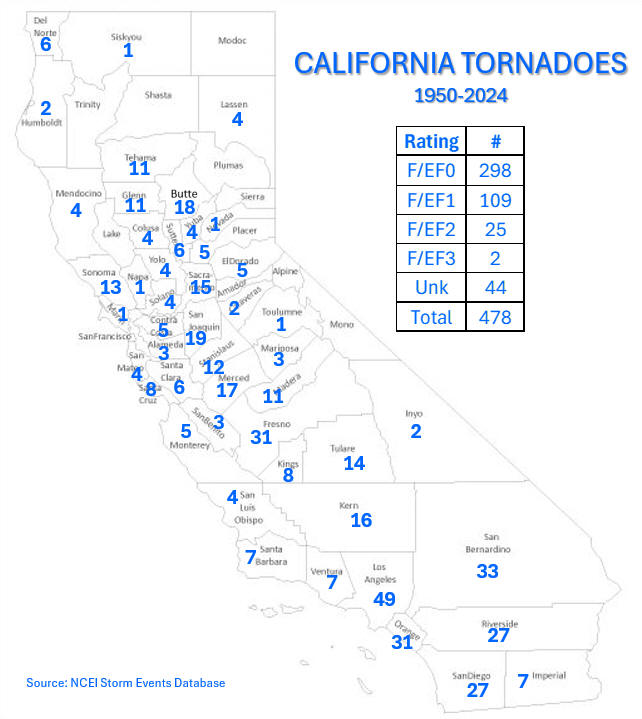
Compared to states in Tornado Alley, California experiences a relatively low number of tornadoes annually. The average is roughly 10-15 tornadoes per year, though this number can fluctuate. Most of these are weak, classified as EF0 or EF1 on the Enhanced Fujita (EF) Scale, meaning they typically cause minor to moderate damage. Stronger tornadoes (EF2 or higher) are exceptionally rare. For travelers, this means the likelihood of encountering a significant tornado during their visit is remarkably low. However, even weak tornadoes can cause localized damage, disrupt travel plans, and pose a minor safety risk if one is directly in its path. Understanding the low frequency and intensity can help travelers maintain a balanced perspective, appreciating the state’s natural beauty without undue concern for severe weather. The transient nature of these events also means that their impact on overall travel experiences in most regions is minimal.
Where and When Do Tornadoes Occur in California?
For those planning to explore California, knowing the typical geographical and seasonal patterns of tornado activity can add another layer of preparedness to their travel itinerary. While no area is entirely immune, certain regions and times of the year exhibit a higher propensity for these events.
Common Regions and Seasons
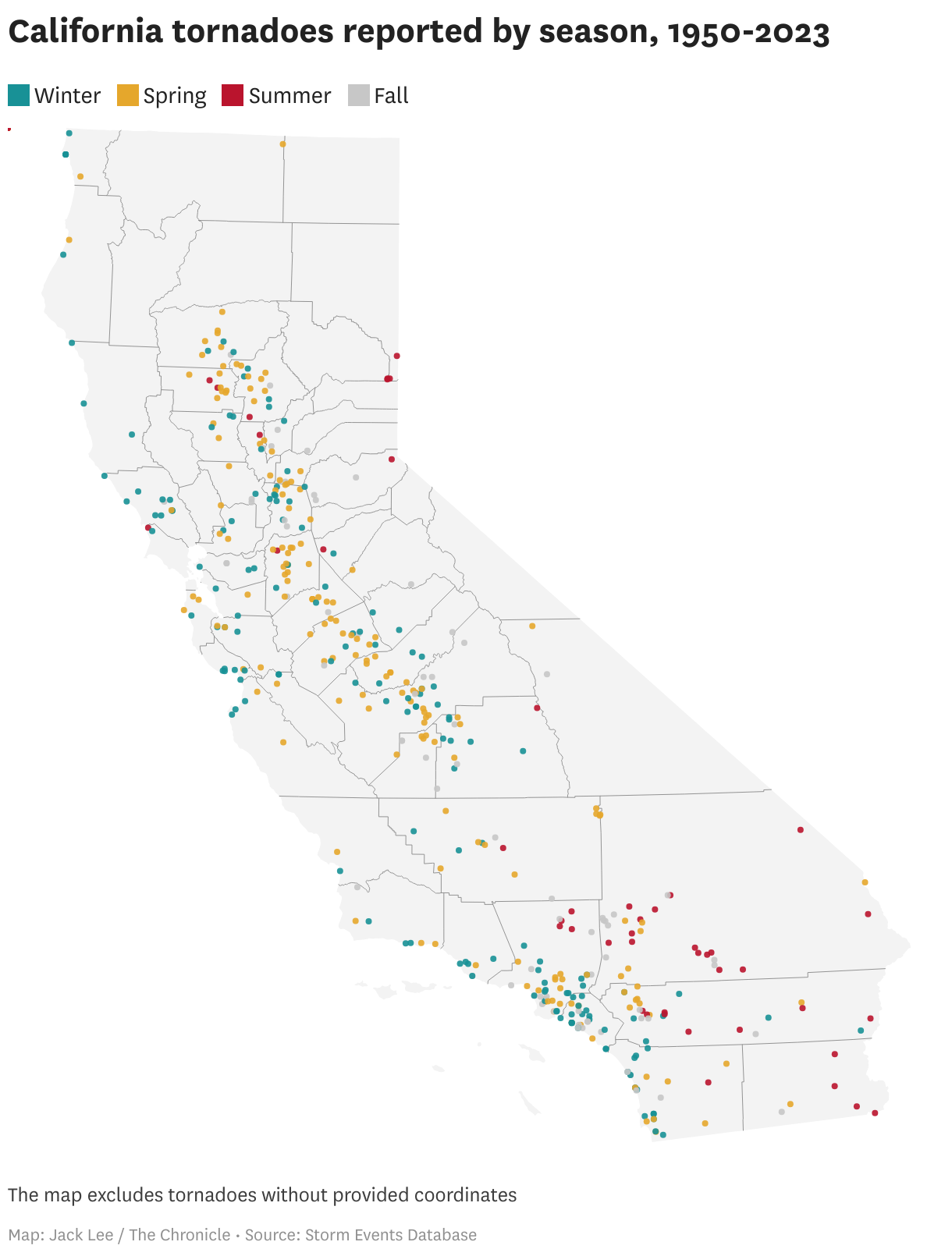
Tornadoes in California are not evenly distributed across the state. The vast majority occur in the Central Valley, particularly the San Joaquin Valley and areas around Sacramento. This flat, fertile region is more susceptible because it lacks the immediate mountainous terrain that often disrupts storm formation and can experience more direct interaction with incoming cold fronts. Other areas that see occasional activity include portions of Southern California, such as around Los Angeles, and less frequently, the San Francisco Bay Area.
Seasonally, California’s tornadoes are most common during the cooler, wetter months, primarily from late autumn through spring (November to April). This aligns with the state’s rainy season when cold fronts are most active and capable of generating the necessary atmospheric instability. Summer months, characterized by stable, dry conditions, see very little tornado activity. Travelers planning trips during the peak wet season, especially to the Central Valley, might consider familiarizing themselves with local weather alerts.
Distinctive Californian Tornadoes
One notable characteristic of California’s tornadoes is their often brief duration and narrow path. They can also manifest in various forms. While traditional supercell tornadoes can occur, the state is also known for its landspout tornadoes. Landspouts form from pre-existing rotation on the ground that is then stretched upward by a growing cumulus cloud, and they are typically weaker than supercell tornadoes. Waterspouts, which are tornadoes that form over water, are also occasionally observed off the California coast, particularly in areas like Monterey Bay. These waterspouts can sometimes move inland, becoming weak tornadoes, but they generally dissipate quickly after making landfall. Understanding these distinctions helps frame the relatively low threat level these events pose to the average traveler compared to the more destructive, long-track tornadoes of the Midwest.
Preparing for the Unexpected: Traveler Safety
While the risk of encountering a tornado in California is low, being prepared is an integral part of responsible travel. For any destination, understanding potential hazards and knowing how to react ensures a safer and more enjoyable experience.

Understanding Alerts and Warnings
The primary tool for traveler safety regarding severe weather is timely information. The National Weather Service (NWS) issues various alerts:
- Tornado Watch: This means conditions are favorable for tornadoes to develop in or near the watch area. Travelers in a watch area should remain vigilant, monitor local weather reports, and have a plan of action.
- Tornado Warning: This means a tornado has been sighted or indicated by radar, posing an imminent threat. If a warning is issued for your immediate location, seek shelter immediately.
Travelers can stay informed by having a weather app on their smartphone that provides location-based alerts, tuning into local radio or TV broadcasts, or checking the National Oceanic and Atmospheric Administration (NOAA) Weather Radio. Many hotels also have procedures for notifying guests of severe weather, so it’s wise to inquire upon check-in, especially during the wetter seasons.
Essential Safety Measures
Should a tornado warning be issued while you are traveling in California, knowing where to seek shelter is paramount:
- In a Building: Go to the lowest interior room (like a bathroom or closet), away from windows, or an interior hallway. If available, a basement or storm cellar offers the best protection. Avoid large, open rooms like gymnasiums or auditoriums.
- In a Vehicle: Vehicles offer almost no protection from tornadoes. If you can, get to a sturdy building. If not, pull over, park, and seek shelter in a ditch or other low-lying area, covering your head. Never try to outrun a tornado in a car in urban or congested areas.
- Outdoors: Lie down in a ditch or other low-lying area and cover your head with your arms. Be aware of flying debris.
It’s also prudent to have an emergency kit, even a small one, that includes a flashlight, first-aid supplies, and any necessary medications. While such a kit is useful for many travel contingencies, it’s particularly valuable during severe weather events.
Resources for Travelers
Beyond immediate safety measures, travelers can leverage various resources to ensure a smooth trip:
- National Weather Service (NWS): The official source for weather forecasts and warnings. Their website provides detailed local information.
- Local Emergency Management Agencies: Many California counties have websites or social media accounts providing local emergency preparedness information.
- Hotel Staff: A valuable resource for local insights, emergency procedures, and safe areas within their property.
- Smartphone Apps: Weather apps (e.g., The Weather Channel, AccuWeather, NOAA Weather Radar Live) offer real-time updates and alerts.
Staying informed and having a basic plan can significantly enhance safety and peace of mind when traveling through any region, including those with a low but present risk of tornadoes.
Broader Travel Considerations in California
Understanding the nuanced risk of tornadoes in California is just one facet of comprehensive travel planning. The state’s vast size and diverse geography mean travelers should be prepared for a range of natural phenomena that could impact their journey and experience.
Beyond Tornadoes: Other Weather Phenomena
While tornadoes are rare, California is no stranger to other forms of severe weather and natural events. Travelers should also be mindful of:
- Earthquakes: California is seismically active. While most are minor, major earthquakes can occur. Familiarize yourself with “drop, cover, and hold on” procedures.
- Wildfires: Especially during the dry summer and autumn months, wildfires are a significant concern. They can lead to evacuations, road closures, and poor air quality, drastically impacting travel plans. Stay informed about fire alerts and air quality indices.
- Flooding: During intense winter storms, particularly in low-lying areas or burn scar regions, localized flooding and mudslides can occur, causing road closures and disruptions.
- Winter Storms in the Sierra Nevada: Heavy snowfall can close mountain passes, making travel to destinations like Lake Tahoe or Yosemite National Park challenging, often requiring snow chains for vehicles.
- Heatwaves: Summer temperatures in inland areas, such as the Central Valley or Palm Springs, can be extreme. Proper hydration and avoiding strenuous outdoor activities during peak heat are essential.
Incorporating awareness of these potential events into your trip planning ensures a more resilient and adaptable travel experience across California.
Seasonal Travel Planning
The varied climate across California means that the “best” time to visit largely depends on your desired activities and risk tolerance for different weather phenomena.
- Spring (March-May): Generally pleasant statewide, with wildflowers blooming and fewer crowds. Moderate tornado risk in the Central Valley during early spring, but overall a great time for coastal and desert exploration.
- Summer (June-August): Ideal for beaches and mountain adventures, though inland areas can be very hot. Wildfire risk begins to increase. Tornado risk is minimal.
- Autumn (September-November): Often considered one of the best times to visit, with warm temperatures lingering, fewer crowds, and beautiful fall foliage in some regions. Wildfire risk can still be high early in the season, and tornado risk begins to increase late autumn.
- Winter (December-February): Excellent for skiing in the Sierra Nevada and exploring the desert regions. Coastal areas are cooler and wetter. This is the peak season for rain, potential flooding, and the low-frequency tornado events in the Central Valley.
By aligning your travel dates with the typical weather patterns and specific activities you plan, you can minimize exposure to potential disruptions and maximize your enjoyment of all that California has to offer. While tornadoes are a minor footnote in the state’s grand meteorological story, a comprehensive understanding of California’s diverse natural environment empowers travelers to explore with confidence and peace of mind.
LifeOutOfTheBox is a participant in the Amazon Services LLC Associates Program, an affiliate advertising program designed to provide a means for sites to earn advertising fees by advertising and linking to Amazon.com. Amazon, the Amazon logo, AmazonSupply, and the AmazonSupply logo are trademarks of Amazon.com, Inc. or its affiliates. As an Amazon Associate we earn affiliate commissions from qualifying purchases.