
Embracing a Dynamic Professional Lifestyle in California Real Estate
Embarking on a career as a real estate agent in California is more than just securing a license; it’s a conscious decision to adopt a dynamic, entrepreneurial lifestyle. The allure of the Golden State’s diverse landscapes, vibrant economy, and iconic properties makes its real estate market one of the most exciting and competitive in the world. For those drawn to independence, direct client engagement, and the potential for significant financial reward, this path offers a compelling blend of professional challenge and personal freedom. It’s a lifestyle that demands dedication, strategic thinking, and an unwavering commitment to client success, all while navigating the unique nuances of one of the nation’s most coveted markets.
The Allure of the Golden State’s Property Market
California boasts an unparalleled property market, characterized by its sheer size, variety, and the high value associated with its real estate. From the sprawling urban centers of Los Angeles and San Francisco to the sun-drenched coastal communities of San Diego and the burgeoning tech hubs around Sacramento, the opportunities for real estate professionals are immense. Agents here deal with everything from luxury estates overlooking the Pacific to quaint suburban homes, bustling commercial properties, and vast agricultural lands. This diversity means a real estate career in California can be as varied and specialized as one chooses, offering a constant stream of new challenges and learning experiences. The potential for substantial income, driven by the state’s high property values and active transaction volume, is a major draw, positioning real estate as a rewarding career choice for ambitious individuals.
Navigating the Pathway to Licensure: Your First Steps
The journey to becoming a licensed real estate agent in California is structured and regulated, designed to ensure that all professionals entering the field possess the requisite knowledge and ethical understanding. This initial phase is a critical investment in your future lifestyle, laying the foundational knowledge that will underpin all your professional interactions. It requires commitment to study, attention to detail in application processes, and the discipline to prepare for a rigorous examination.
Eligibility Requirements and Pre-Licensing Education
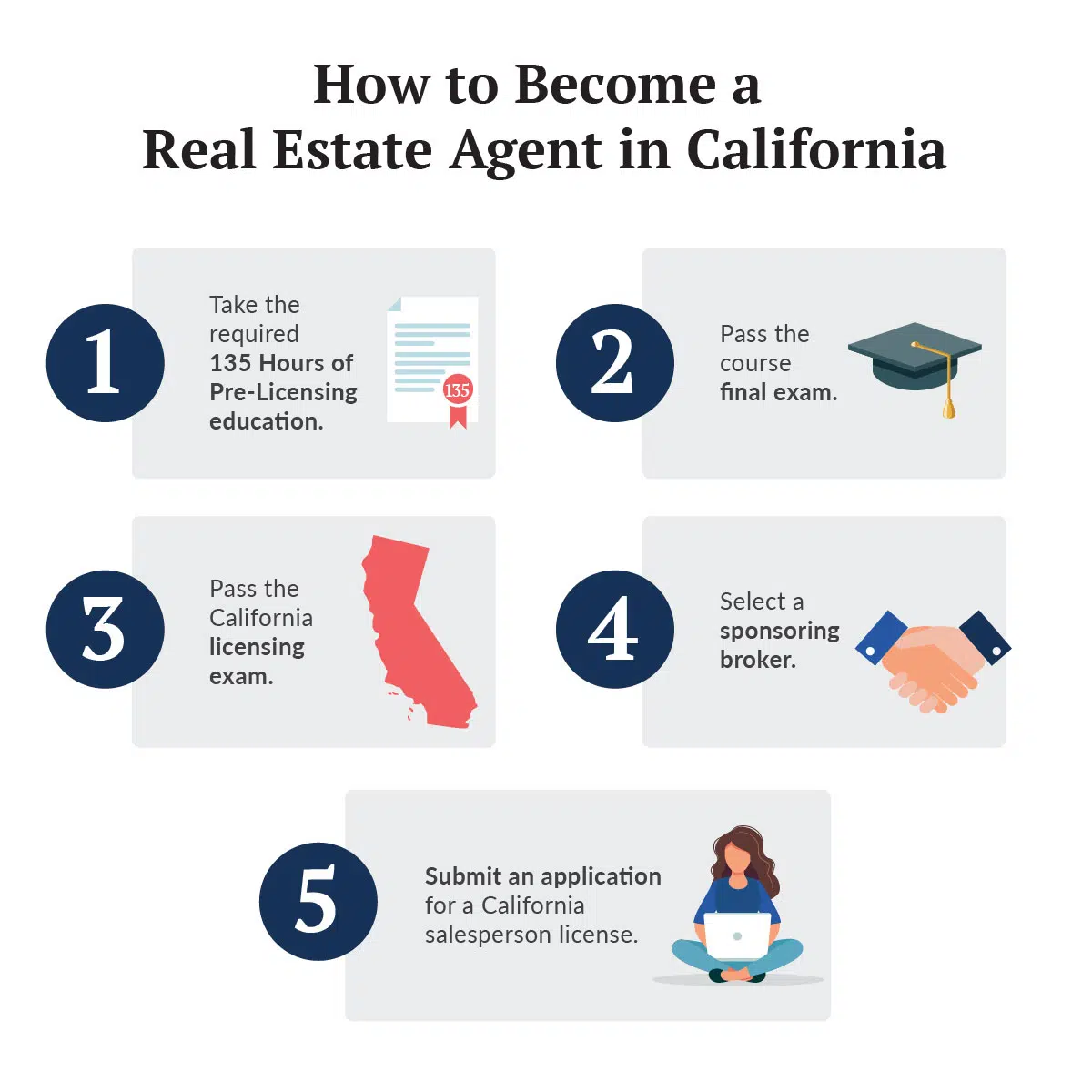
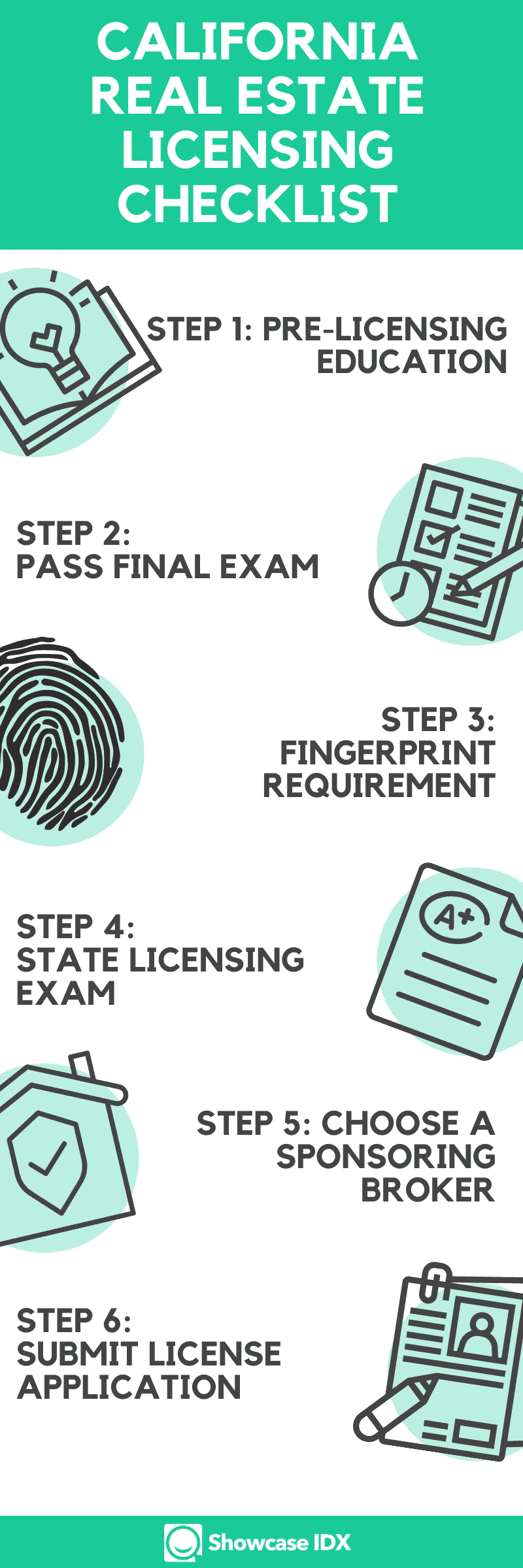
To begin, prospective agents must meet specific eligibility criteria: be at least 18 years old, be a United States citizen or a lawfully admitted alien, and reside in California. The cornerstone of the licensing process is the pre-licensing education, which mandates completion of three college-level courses, each lasting 45 hours, totaling 135 hours. These courses typically include Real Estate Principles and Real Estate Practice, which are mandatory, along with one elective course such as Real Estate Finance, Real Estate Appraisal, or Property Management. These courses must be completed through institutions approved by the California Department of Real Estate (DRE). The education is comprehensive, covering property law, contracts, ethics, and practical aspects of real estate transactions, all essential for responsible practice.
The Application and Examination Process
Once the pre-licensing education is complete, the next step is to submit your application for the state real estate salesperson examination to the California Department of Real Estate (DRE). This involves completing the application form, providing proof of your course completions, and paying the required fees. After your application is approved, you will be scheduled for the state examination. This is a challenging multiple-choice exam designed to test your understanding of the broad range of topics covered in your pre-licensing education. A passing score is required to move forward. Additionally, all applicants must undergo a fingerprint background check through Live Scan as part of the application process to ensure ethical and lawful practice in the industry.
Cultivating a Thriving Real Estate Career Lifestyle
Earning your license is merely the beginning of your real estate lifestyle. The true work of building a successful career involves strategic planning, continuous learning, and an unwavering focus on client relationships. This phase is about transitioning from student to professional, actively shaping your business, and embedding yourself within the dynamic real estate community. It’s a journey of self-discovery and entrepreneurial growth, where your personal brand and professional network become your most valuable assets.
Choosing Your Brokerage and Initial Specialization
A crucial early decision is selecting the right brokerage. Your broker will be your sponsor, mentor, and the backbone of your initial operations. Look for a brokerage that offers robust training, supportive mentorship, and a culture that aligns with your professional aspirations. Some brokerages specialize in certain market segments, such as luxury residential, commercial, or investment properties. Choosing a niche early on can help you focus your efforts, develop specialized expertise, and attract a targeted client base. Understanding that you will typically operate as an independent contractor means embracing the autonomy and responsibility of running your own business under the brokerage’s umbrella.
Building Your Personal Brand and Network
In real estate, your reputation is everything. Building a strong personal brand is paramount, reflecting your professionalism, expertise, and unique value proposition. This involves establishing a compelling online presence through social media, a professional website, and consistent branding. Networking is equally vital; actively participate in local real estate associations, attend open houses, and engage with community events. Cultivating relationships with other agents, lenders, inspectors, and other industry professionals will not only provide valuable leads but also create a supportive ecosystem for your business. Mastering communication and negotiation skills is also key, as they are at the heart of every successful transaction and client interaction.
The Entrepreneurial Spirit and Continuous Learning
The real estate lifestyle is inherently entrepreneurial. It demands self-motivation, discipline, and the ability to adapt to an ever-changing market. As an agent, you are your own CEO, responsible for generating leads, managing your schedule, and driving your business forward. This requires a proactive approach to learning and development. Beyond the initial licensing, the California Department of Real Estate (DRE) mandates continuing education to renew your license, ensuring you stay current with new laws, regulations, and industry best practices. Embracing technological advancements, from virtual tour platforms to sophisticated CRM systems, is also crucial for maintaining a competitive edge and serving clients effectively.
The Financial and Time Investment: What to Expect
Before fully committing to a real estate career in California, it’s essential to have a clear understanding of both the financial outlay and the time commitment involved. This realistic perspective is vital for managing expectations and ensuring that the real estate lifestyle aligns with your personal and financial goals. While the potential for high earnings exists, it often requires significant upfront investment and patience during the initial ramp-up phase.
Initial Costs and Earning Potential
Becoming a licensed agent involves several initial costs, including pre-licensing course fees, state examination fees, and the initial license application fee to the California Department of Real Estate (DRE). Once licensed, there are ongoing expenses such as brokerage fees (which can be a percentage of commissions or monthly dues), fees for joining the Multiple Listing Service (MLS), professional association dues, and marketing costs for your brand and listings. Real estate income is primarily commission-based, meaning your earnings directly correlate with your sales activity. It’s common for new agents to experience an initial period with little to no income as they build their client base and close their first deals. However, with dedication and strategic effort, the long-term earning potential in California’s high-value market can be substantial, offering a rewarding return on investment for your time and effort.
Managing Your Schedule and Work-Life Balance
The real estate lifestyle is often characterized by flexibility, but it also demands significant time and energy. Agents often work evenings and weekends to accommodate client schedules for property showings, open houses, and meetings. While you have the freedom to set your own hours, the nature of the business often dictates an “always-on” approach, especially when actively working with clients. Effective time management, self-discipline, and the ability to set boundaries are crucial for maintaining a healthy work-life balance. Successful agents learn to prioritize tasks, leverage technology to streamline operations, and delegate where possible, allowing them to enjoy the benefits of their independent profession without burnout.
Ethical Practices and Longevity in the California Market
Sustaining a successful real estate career in California is as much about integrity and ethical practice as it is about sales acumen. The state’s stringent regulations are designed to protect consumers and maintain the professionalism of the industry. Adhering to these standards and continuously adapting to market changes are key components of a lasting and respected real estate lifestyle.
Upholding Professional Standards
The California Department of Real Estate (DRE) establishes a comprehensive code of conduct and ethical guidelines that all licensed agents must follow. Upholding these professional standards is not merely a legal requirement; it is foundational to building trust with clients and establishing a reputable brand. Transparency, honesty, and acting in the best interest of your clients are paramount. Avoiding common pitfalls such as misrepresentation, conflicts of interest, or inadequate disclosure is crucial for avoiding legal issues and safeguarding your professional reputation. A career built on integrity ensures client loyalty and a strong referral network, which are essential for long-term success.

Adapting and Thriving in a Competitive Landscape
The real estate market in California is dynamic, influenced by economic cycles, interest rate fluctuations, and demographic shifts. A thriving real estate lifestyle requires constant adaptation and strategic foresight. Agents must stay informed about local market trends, anticipate changes, and adjust their strategies accordingly. Embracing new technologies, from advanced marketing analytics to virtual reality tours, can provide a significant advantage. Furthermore, consistently nurturing your referral network and demonstrating exceptional service will help you stand out in a competitive environment. Longevity in this profession is achieved through continuous learning, unwavering ethical practice, and a resilient, adaptable approach to the evolving landscape of California real estate.
LifeOutOfTheBox is a participant in the Amazon Services LLC Associates Program, an affiliate advertising program designed to provide a means for sites to earn advertising fees by advertising and linking to Amazon.com. Amazon, the Amazon logo, AmazonSupply, and the AmazonSupply logo are trademarks of Amazon.com, Inc. or its affiliates. As an Amazon Associate we earn affiliate commissions from qualifying purchases.