
The golden state of California, renowned for its majestic national parks, iconic coastlines, and sprawling natural preserves, has become increasingly synonymous with devastating wildfires. These infernos, which scorch vast swathes of its unique landscapes annually, are not merely random occurrences but the culmination of a complex interplay between the region’s inherent geography, climate patterns, human activities, and the accelerating effects of global climate change. Understanding their origins is crucial for appreciating the vulnerability of California’s natural landmarks and the strategies required for their long-term preservation.
The California Landscape: A Tinderbox Environment
California’s natural environment possesses a unique set of characteristics that inherently predispose it to wildfires. The very beauty that draws visitors to its natural landmarks also contributes to its fire risk.
Mediterranean Climate and Dry Seasons
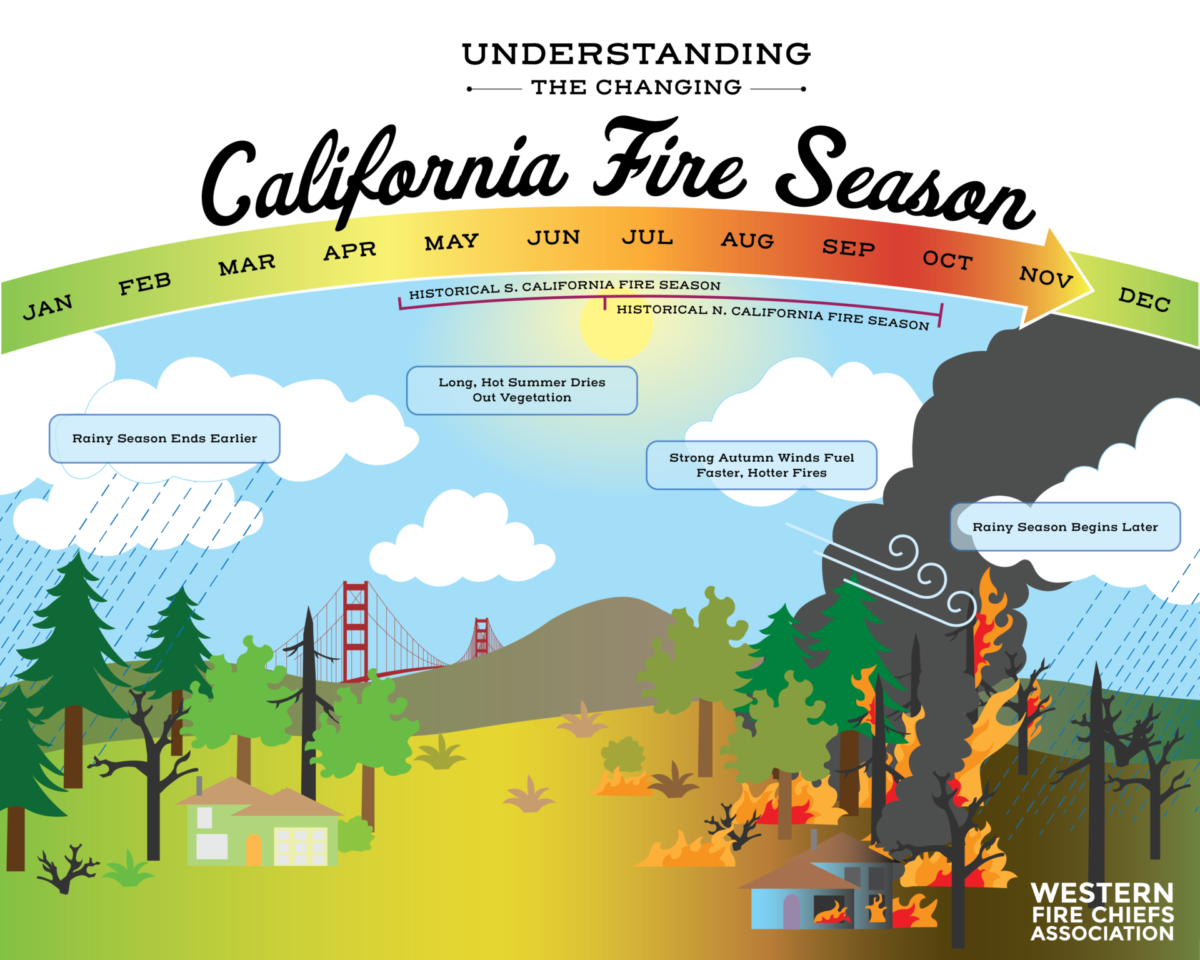
Much of California experiences a Mediterranean climate, characterized by hot, dry summers and mild, wet winters. This distinct pattern means that by late summer and autumn, after months without significant rainfall, the vegetation across the state’s diverse ecosystems—from the coastal hills to the interior mountains—becomes exceptionally dry. This dessicated biomass acts as potent fuel, awaiting a spark. The duration and intensity of these dry periods directly correlate with the severity and reach of potential wildfires, turning lush landscapes into highly combustible terrain.
Abundant Flammable Vegetation
The state is home to a rich variety of native flora, much of which is highly flammable. Iconic landscapes like the Chaparral scrublands, which dominate many southern California hillsides, are particularly prone. These dense, woody shrubs are rich in volatile oils that ignite easily and burn intensely. Similarly, the vast conifer forests of the Sierra Nevada and other mountain ranges, including species like Ponderosa Pine and Douglas Fir, accumulate vast amounts of deadwood, needles, and undergrowth over time, creating a substantial “fuel load” that, when ignited, can lead to catastrophic crown fires. The natural cycle of growth and decay, coupled with fire suppression policies of the past century, has led to an unnatural accumulation of this fuel.
Topography and Wind Patterns
California’s dramatic topography, featuring steep canyons, rugged mountains, and expansive valleys, plays a critical role in how fires spread. Fires tend to move rapidly uphill, and the complex terrain creates natural chimneys that can accelerate fire propagation. Furthermore, specific wind patterns, such as the notorious Santa Ana Winds in Southern California and the Diablo Winds in Northern California, are significant drivers of fire behavior. These dry, hot winds gust down from inland deserts and mountains, pushing fires at incredible speeds, carrying embers far ahead of the main fire front, and making containment extraordinarily difficult, even for the most experienced firefighters protecting vulnerable natural landmarks and communities.
Natural Ignitions: The Role of Lightning
While human activity is often the primary focus, natural causes have always been, and remain, a factor in California’s fire ecology.
Remote Areas and “Wildland Fire Use”
Historically, lightning strikes were the sole cause of wildfires before human settlement. In remote wilderness areas, especially within national forests and parks, lightning-caused fires can still occur. These fires, often igniting in areas with abundant fuel, are sometimes managed under “wildland fire use” policies, where they are allowed to burn under strict monitoring to achieve ecological objectives, such as clearing underbrush and promoting forest health, mimicking natural processes in designated natural landmarks. However, in periods of extreme dryness, even these can escalate rapidly.
Dry Lightning Strikes
A particular concern is “dry lightning,” where thunderstorms produce lightning but little to no rain. This phenomenon is especially dangerous because the lightning strikes can ignite dry vegetation without the accompanying moisture to dampen the nascent flames. Clusters of dry lightning strikes over a short period can start numerous fires simultaneously across vast, inaccessible natural landscapes, overwhelming firefighting resources and leading to widespread conflagrations.
Human Activity: The Dominant Factor
Despite the natural predispositions, human activity is overwhelmingly the leading cause of wildfires in California, responsible for the vast majority of ignitions, particularly those that threaten populated areas and accessible natural landmarks.
Power Line Failures
Aging and poorly maintained electrical infrastructure, particularly power lines strung through dense vegetation and over rugged terrain, are a significant source of ignitions. Strong winds, such as the Santa Ana or Diablo Winds, can cause power lines to sway, break, or contact dry vegetation, generating sparks that quickly escalate into major wildfires. Several of California’s most destructive fires in recent years have been attributed to utility equipment failures, prompting massive efforts by utility companies to harden infrastructure and implement public safety power shutoffs during high-risk wind events.
Equipment Use and Malfunctions
Any equipment that generates heat, sparks, or friction can be a potential ignition source in dry conditions. This includes construction equipment, agricultural machinery, vehicle parts (like hot catalytic converters or dragging chains), and even lawnmowers or weed trimmers used near dry grass. A simple spark from a metal blade hitting a rock or a malfunctioning engine can quickly ignite the surrounding dry fuel, transforming an ordinary chore into a wildfire emergency, threatening nearby natural areas and landmarks.
Arson and Campfires
While less common than accidental causes, intentional acts of arson do contribute to California’s wildfire burden. These deliberate acts of destruction can devastate communities and natural landscapes. Unattended or improperly extinguished campfires are another preventable cause. Despite strict regulations and fire bans in many natural parks and forests during dry periods, negligence can lead to sparks escaping, igniting the surrounding dry vegetation and rapidly spreading through sensitive ecosystems.
Accidental Ignitions
A wide range of everyday human actions, often seemingly innocuous, can trigger wildfires. Discarded cigarettes flicked from car windows or left smoldering on the ground can easily ignite dry roadside grasses. The careless use of fireworks, particularly illegal ones, is a recurring issue, especially during holiday periods, launching embers into highly flammable areas. Even seemingly minor events like target shooting can lead to sparks that set off fires in dry brush, posing risks to adjacent natural landmarks and open spaces.
Climate Change and Exacerbating Conditions
Underpinning many of the factors above, and significantly intensifying their impact, is the overarching influence of climate change. The changing global climate is not directly starting fires, but it is creating conditions that make ignitions more likely and fires more extreme and destructive across California’s diverse landscapes.
Prolonged Droughts and Increased Fuel Load
Climate change is contributing to longer and more severe droughts in California. Less precipitation means vegetation is drier for longer periods, increasing its flammability. This also leads to tree mortality, particularly in the Sierra Nevada forests, where millions of trees have died from drought and bark beetle infestations. These dead trees become massive vertical and horizontal fuel loads, providing ample material for fires to consume, leading to more intense and difficult-to-control blazes that threaten iconic natural landmarks like Yosemite National Park.
Warmer Temperatures and Earlier Snowmelt
Rising global temperatures mean warmer overall conditions in California. This results in earlier snowmelt in the mountains, effectively lengthening the fire season by months. The prolonged period of warm, dry weather allows vegetation to dry out earlier in the spring and remain dry further into the autumn, expanding the window during which fires can easily start and rapidly spread through the natural environment.
Intensified Santa Ana and Diablo Winds
While research is ongoing, there is evidence suggesting that climate change may be influencing the frequency and intensity of critical fire weather events, such as the Santa Ana Winds and Diablo Winds. Hotter, drier conditions in inland areas can amplify the drying effect of these winds as they descend towards the coast, turning already dry landscapes into explosive environments where even small ignitions can quickly become infernos.
The Complex Interplay: Understanding Prevention and Management
The origins of California’s wildfires are rarely singular; they are almost always the result of multiple factors converging. A human ignition source might coincide with extreme drought conditions, amplified by fierce winds, and spread through a landscape burdened by decades of accumulated fuel.
Historical Fire Suppression Policies
For much of the 20th century, a policy of aggressive fire suppression was adopted across California’s wildlands and national forests. While intended to protect property and natural resources, this approach inadvertently disrupted the natural fire cycle that many ecosystems, like the Chaparral and Sierra Nevada forests, depend on for regeneration and health. By preventing smaller, natural fires from clearing out undergrowth, these policies led to an unnatural buildup of fuel, setting the stage for the larger, more destructive mega-fires seen today.
Prescribed Burns and Forest Management
Modern fire management strategies increasingly recognize the need for a more holistic approach, integrating prescribed burns and forest thinning. Prescribed burns, carefully set fires under controlled conditions, are used to reduce fuel loads, improve forest health, and restore natural fire regimes, protecting sensitive natural landmarks and ecosystems from uncontrolled blazes. This proactive management aims to reintroduce fire as a natural process, rather than solely fighting it as an enemy.
Infrastructure Hardening and Public Awareness
Mitigating human-caused ignitions involves significant investment in infrastructure hardening, such as undergrounding power lines or upgrading them to be more resilient to wind and vegetation contact. Public awareness campaigns are also critical, educating residents and visitors about fire safety, the dangers of careless actions, and the importance of adhering to fire restrictions in and around California’s natural attractions and wilderness areas.
In conclusion, the question of “how” California wildfires start leads us through a tapestry of natural predispositions, human actions, and the undeniable impact of a changing climate. Addressing this complex challenge requires a multi-faceted approach, safeguarding not only communities but also the irreplaceable natural landmarks that define the spirit and landscape of California.
LifeOutOfTheBox is a participant in the Amazon Services LLC Associates Program, an affiliate advertising program designed to provide a means for sites to earn advertising fees by advertising and linking to Amazon.com. Amazon, the Amazon logo, AmazonSupply, and the AmazonSupply logo are trademarks of Amazon.com, Inc. or its affiliates. As an Amazon Associate we earn affiliate commissions from qualifying purchases.