
Embarking on a journey to the Golden State, be it for the sun-drenched beaches of Southern California, the vibrant culture of San Francisco, or the iconic sights of Los Angeles, understanding the local financial landscape is as crucial as planning your itinerary. One fundamental aspect often overlooked by travelers is sales tax. Unlike some countries where tax is integrated into the advertised price, in the United States, and particularly in California, sales tax is almost always added at the point of sale. For tourists, this means that the price tag you see might not be the final price you pay. Mastering the basics of California sales tax can significantly enhance your travel budgeting and prevent unexpected surprises as you explore.
Understanding California’s Sales Tax for Tourists
California’s sales tax system can appear intricate at first glance, but for the average tourist, a clear understanding of its components will suffice. It’s not a flat rate across the entire state; rather, it’s a combination of state, local, and district taxes that can vary slightly from one city or county to another.
The Basics: State, Local, and District Taxes
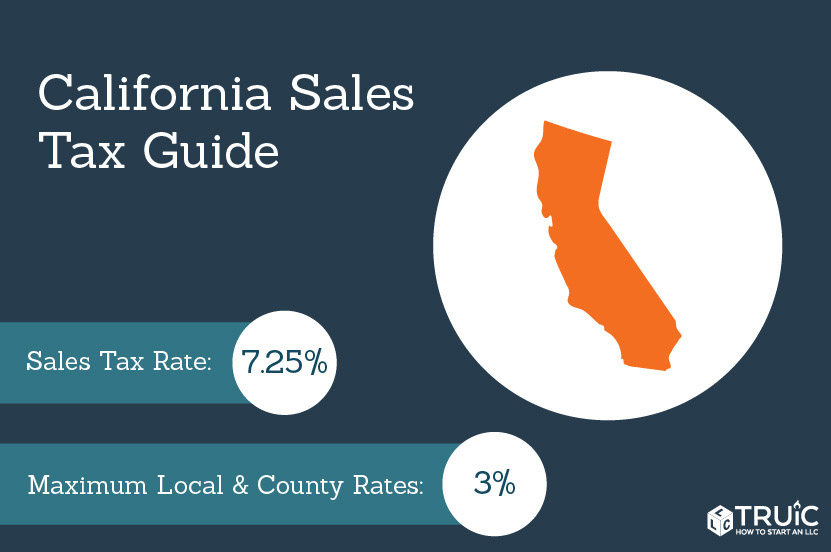
The statewide base sales tax rate in California is currently 7.25%. This rate is applied uniformly across all transactions subject to sales tax throughout the state. However, on top of this base rate, local jurisdictions – including cities and counties – can impose additional district taxes. These district taxes fund local services such as transportation, public safety, or specific community projects. For example, a major metropolitan area like Los Angeles County might have a higher combined sales tax rate due to several voter-approved district taxes. Similarly, San Francisco or Oakland within the Bay Area will have their own district tax additions.
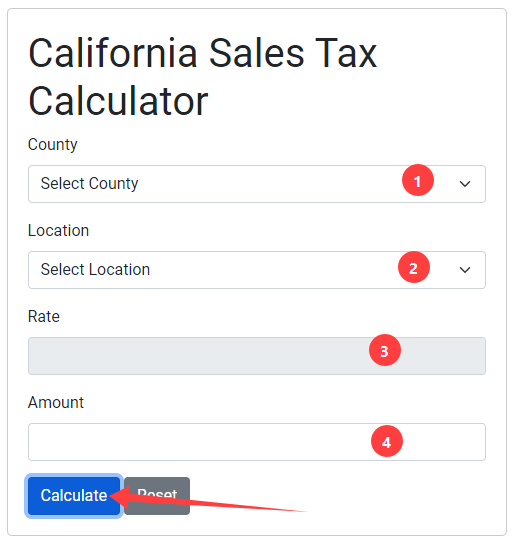
What does this mean for you as a tourist? It means that the 7.25% you might expect could easily become 8.75%, 9.25%, or even higher, depending on where your purchase is made. For instance, if you buy a souvenir in downtown Los Angeles, the sales tax applied will likely be different from a similar purchase made in a rural town in Northern California. While it’s impractical to memorize every single district tax rate, being aware that the final sales tax will be at least 7.25% and often higher is crucial for accurate budgeting. The specific rate for any location can usually be found on the California Department of Tax and Fee Administration website, though for a tourist, knowing the general range is usually sufficient.
What Goods and Services Are Taxable?
The general rule in California is that sales tax applies to the sale of most tangible personal property. This broad category covers a wide array of items that tourists commonly purchase.
- Souvenirs and Retail Goods: Anything from postcards, t-shirts, artisan crafts, and electronics to clothing and jewelry will be subject to sales tax. Whether you’re shopping on Rodeo Drive in Beverly Hills or in a quaint shop in Carmel-by-the-Sea, expect to pay sales tax on these items.
- Prepared Food and Restaurant Meals: This is a common point of confusion. While unprepared food items purchased at a grocery store (e.g., fresh produce, bread, packaged snacks) are generally exempt from sales tax, prepared food is taxable. This includes meals at restaurants, takeout orders, hot deli items, and even cold sandwiches if sold for immediate consumption. So, whether you’re enjoying a gourmet meal in Napa Valley or grabbing a quick burrito in San Diego, sales tax will be added to your bill.
- Certain Services that Result in a Tangible Product: While most services are not taxable (e.g., getting a haircut, dry cleaning), if a service results in the creation of a tangible product, it might be. For example, if you commission a custom-made piece of art, the final product could be subject to sales tax. However, for most tourist activities (e.g., guided tours, amusement park tickets like Disneyland or Universal Studios Hollywood, museum entry), these are generally considered services and are not subject to sales tax. This is an important distinction for travelers planning their activity budget.
- Rental Cars: Vehicle rentals, while a service, often include various taxes and fees, some of which may be local surcharges that mimic sales tax in their effect on the total cost. While not strictly “sales tax” on the tangible car itself, these extra charges should be factored into your budget when booking transportation.
Practical Calculation for Your Purchases
Estimating sales tax on the fly can save you from sticker shock. While you won’t need to be precise down to the penny, a quick mental calculation can help you stay within your budget.
Step-by-Step Guide for On-the-Go Estimates
Let’s assume you’re in a common tourist area where the combined sales tax rate is around 9%. This is a good general estimate for many urban centers in California.
- Identify the Base Price: Look at the price tag of the item you wish to purchase. Let’s say it’s $50.00.
- Estimate the Tax Rate: Use your best estimate for the local sales tax rate (e.g., 9%).
- Convert Percentage to Decimal: Divide the percentage by 100. So, 9% becomes 0.09.
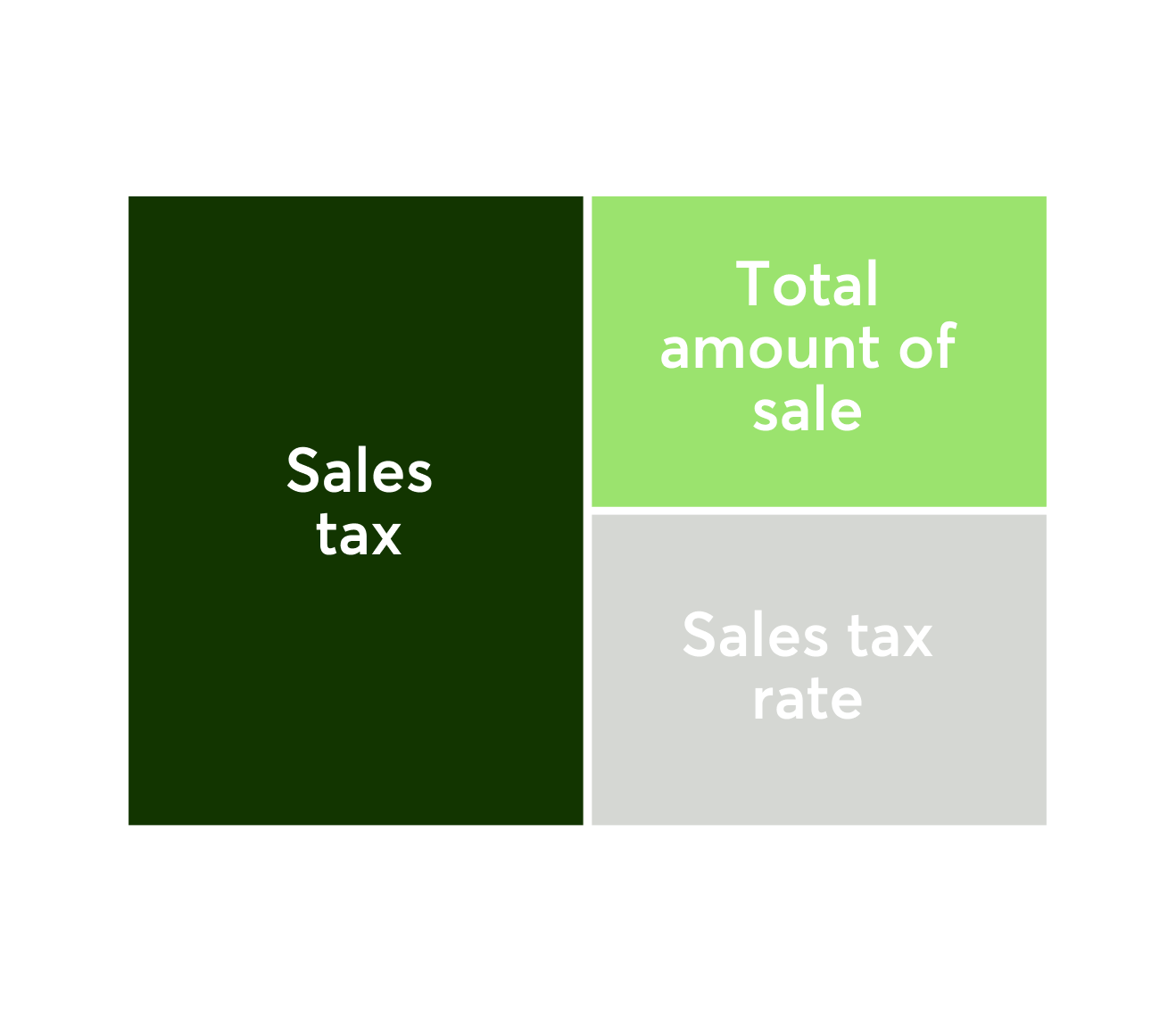
- Multiply: Multiply the base price by the decimal tax rate: $50.00 * 0.09 = $4.50.
- Add to Base Price: Add the calculated tax to the base price: $50.00 + $4.50 = $54.50.
A simpler mental shortcut: For a 9% tax, think of it as 10% minus 1%. So, for a $50 item, 10% is $5. To get 9%, subtract a small amount (like 10% of $5 which is $0.50) from $5, giving you approximately $4.50. This quick method helps in busy shopping environments. If the rate is, say, 8.25%, you can estimate with 8% or 8.5% for a rough figure. The key is to always assume the tax will be added.
Exemptions and Special Considerations
Understanding common exemptions is equally important for tourists.
- Unprepared Food: As mentioned, groceries for home preparation are generally not taxed. If you’re staying in an accommodation with kitchen facilities, buying ingredients from a supermarket like Trader Joe’s or Whole Foods Market can be a cost-effective way to eat without incurring sales tax on your food items.
- Services (Generally): Most pure services are exempt. This includes guided tours, theme park admissions, spa treatments, transportation fares (like BART in the Bay Area), and entrance fees to museums or attractions. However, always double-check if there are any specific local fees that might apply to these services, as they are distinct from sales tax.
- Certain Medical Items: Prescription medications and certain medical devices are exempt.
- Online Purchases and Delivery: If you order items online for delivery to your California accommodation, sales tax will still apply based on the delivery address’s local rate. This is particularly relevant if you’re traveling light and plan to order some necessities or specific items once you arrive. Shipping and handling charges may also be taxable if they are part of the sale of a taxable item.
Sales Tax and Your Travel Budget
Integrating sales tax into your travel budget planning is a smart move that can prevent overspending and ensure a smoother financial experience throughout your California adventure.
Budgeting for Unexpected Costs
When you set aside funds for shopping, dining, and other purchases, don’t just look at the advertised price. Build in an extra buffer of 8-10% (or even slightly more for high-tax areas) for sales tax. For example, if you’ve allocated $500 for souvenirs and meals, assume you’ll actually need $540-$550 to cover the sales tax. This small adjustment can make a big difference, especially on larger purchases. It’s better to overestimate slightly than to find yourself short on funds or forced to dip into other budget categories. Many travelers only account for the listed prices, then find themselves surprised at the checkout, particularly when making several purchases over the course of a trip.
Impact on Major Tourist Expenditures
Sales tax can have a noticeable impact on certain categories of tourist spending:
- Dining Out: If you plan to dine out frequently, especially at nicer restaurants, sales tax on your entire meal can add up quickly. A $100 dinner bill, for instance, could become $109 with a 9% sales tax, plus you’ll still need to factor in a tip (which is usually calculated on the pre-tax amount, but sometimes people tip on the total). Over a week of dining, this can easily add tens or even hundreds of dollars to your food budget.
- Souvenirs and Shopping: For travelers who enjoy shopping, sales tax can be a significant addition. A special gift for $200 could end up costing $218. If you’re planning a shopping spree, keep this in mind. Consider whether purchasing items online and having them shipped to your home state (if it has a lower or no sales tax, and depending on seller’s nexus) might be an option, though this comes with its own shipping costs and potential for customs duties if you’re an international visitor.
- Rental Car Ancillaries: While the car rental itself may have specific fees, any items you purchase from the rental agency, such as an extra GPS unit (if provided as a tangible item for sale) or a full tank of gas you’re charged for, might incur sales tax. Always clarify the total cost, including all taxes and fees, when renting a vehicle.
Navigating Sales Tax in Popular California Destinations
As previously noted, sales tax rates can vary by location. Knowing the general landscape of a destination can help refine your budget estimates.
Los Angeles and San Francisco: Understanding Local Variations
Los Angeles County and the San Francisco Bay Area are two of California’s most visited regions, and they also tend to have some of the highest combined sales tax rates in the state. For example, many cities within Los Angeles County often see combined rates around 9.5% or higher. Similarly, San Francisco itself and surrounding Bay Area counties like Alameda and Santa Clara also operate with rates frequently exceeding 9%.
When visiting these urban centers, consider planning for a higher sales tax percentage than the state base rate. This is particularly relevant when budgeting for upscale dining experiences in Beverly Hills or shopping for luxury goods on Union Square in San Francisco. Conversely, if your itinerary takes you to more rural parts of California, such as the Redwood National Park region or smaller towns in the Central Valley, you might encounter rates closer to the statewide 7.25% minimum, though district taxes can still apply.
Tips for Online Purchases and Delivery While Traveling
It’s increasingly common for travelers to utilize online shopping for convenience while on the road. Whether it’s replacing a lost item, ordering specific gear, or simply taking advantage of online deals, understanding sales tax for these transactions is key.
If you have items shipped to your California hotel or temporary accommodation, the sales tax applied will be based on the specific address where the item is received. So, if you order something while staying in Los Angeles, even if the online retailer is based elsewhere, you will still pay the Los Angeles combined sales tax rate on that purchase. Factor in potential shipping fees, which may or may not be taxable themselves, depending on state law and the seller’s policies. Always check the final cost before confirming your order.
In conclusion, while calculating sales tax in California might seem like an extra layer of complexity for your travel plans, a basic understanding and proactive budgeting approach can ensure a smooth and enjoyable trip. By knowing that the listed price isn’t always the final price, estimating roughly 8-10% for common purchases, and understanding what items are typically taxed, you’ll be well-equipped to manage your finances and fully immerse yourself in all the experiences the Golden State has to offer.
LifeOutOfTheBox is a participant in the Amazon Services LLC Associates Program, an affiliate advertising program designed to provide a means for sites to earn advertising fees by advertising and linking to Amazon.com. Amazon, the Amazon logo, AmazonSupply, and the AmazonSupply logo are trademarks of Amazon.com, Inc. or its affiliates. As an Amazon Associate we earn affiliate commissions from qualifying purchases.