
The iconic black license plate with yellow lettering is more than just a means of vehicle identification in the Golden State; it’s a tangible piece of California’s rich automotive history and a distinctive aesthetic choice. For those looking to fully immerse themselves in the local culture, whether as long-term visitors or new residents, understanding how to acquire one of these coveted plates offers a unique avenue to connect with the state’s storied past and vibrant identity. This guide delves into the specifics of obtaining a black California license plate, framed within the broader context of appreciating and engaging with local California traditions and offerings.

A Glimpse into California’s Automotive Heritage
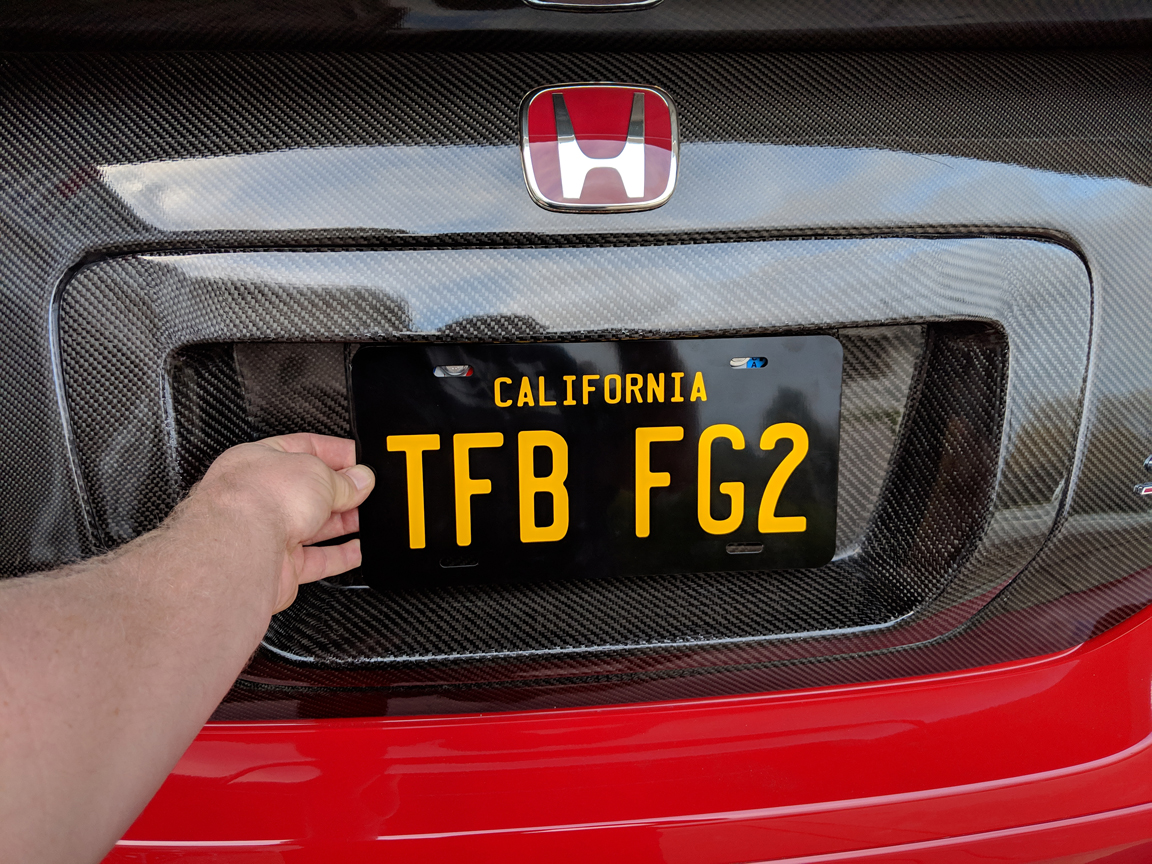
The black license plate is a direct nod to California’s automotive golden age. Originally issued from 1963 to 1969, these plates graced countless vehicles during a period that heavily influenced California’s global image as a hub for car culture, innovation, and a free-spirited lifestyle. Think classic muscle cars cruising down coastal highways or vintage convertibles parked beneath palm trees – the black plate was often an integral part of that quintessential California tableau. Its minimalist design, featuring stark yellow characters against a deep black background, exuded a timeless cool that resonated with the era’s design sensibilities and has continued to appeal to enthusiasts decades later.
The reintroduction of these plates stems from a deep appreciation for this heritage. It’s not merely about an aesthetic preference; it’s about connecting to a specific period of California history, one often romanticized in film, music, and art. For visitors and new residents, embracing such a distinctive local feature allows for a deeper engagement with the state’s identity beyond its well-known tourist attractions. It’s a subtle yet powerful way to signal an appreciation for the local lore and to participate in a piece of living history. The plates evoke a sense of nostalgia for a simpler time, a period of optimism and innovation that defined much of modern California. Owning one of these plates is akin to possessing a small, daily reminder of this influential past, enriching the driving experience with a layer of historical context.
Understanding the California Legacy Plate Program
Recognizing the widespread desire for these classic designs, the state of California launched the California Legacy Plate Program. This initiative was introduced to allow vehicle owners to order historically accurate reproductions of California license plates from specific periods, including the beloved 1960s black plate with yellow lettering. The program wasn’t merely a fleeting trend; it was enacted into law (Senate Bill 806) in 2012, allowing the Department of Motor Vehicles (DMV) to begin issuing these specialized plates once a minimum threshold of 7,500 pre-orders was met for any given design. The immense popularity of the black plate ensured it quickly met this target, leading to its reintroduction to California roads.
The program offers three historical plate options: the 1950s yellow plate with black characters, the 1960s black plate with yellow characters, and the 1970s blue plate with yellow characters. Of these, the black plate has consistently proven to be the most popular, reflecting its iconic status and timeless appeal. The purpose of the California Legacy Plate Program extends beyond mere aesthetics; it also serves as a source of revenue, with a portion of the proceeds from the sale of these plates benefiting the California Environmental Protection Agency’s programs aimed at preserving and protecting the state’s natural beauty. This dual benefit—allowing vehicle owners to display a piece of history while contributing to environmental conservation—makes the legacy plate program a particularly meaningful initiative within the context of California tourism and local engagement. It represents a way for individuals to personally contribute to the state’s ongoing efforts to maintain its iconic landscapes and vibrant ecosystems.
Navigating the Application Process
Obtaining your own black California legacy plate is a straightforward process, primarily handled through the California Department of Motor Vehicles. Understanding the steps involved will ensure a smooth experience, allowing you to quickly add this distinctive local flair to your vehicle.
Eligibility and Requirements
Firstly, any currently registered vehicle in California is eligible for legacy plates. This includes passenger vehicles, commercial vehicles, motorcycles, and trailers. There are no specific restrictions based on the vehicle’s age or type, making these plates accessible to a wide range of owners who wish to celebrate California’s heritage. You must, however, have a valid California registration for the vehicle for which you are ordering the plates. This is a fundamental prerequisite, ensuring that the plates are issued to legitimate vehicles operating within the state.
Ordering Your Legacy Plates
The primary method for ordering legacy plates is through the DMV website or by mail. While in-person applications were historically possible, the DMV strongly encourages online or mail submissions for efficiency.
- Online Application: Visit the official California DMV website and navigate to the “License Plates” section. Look for the “Legacy Plates” option. You will need your vehicle’s current license plate number and the last five digits of its vehicle identification number (VIN). The online system guides you through selecting the black plate design (or other legacy designs), choosing between standard sequential plates or personalized (custom) plates, and submitting your payment.
- Mail-in Application: You can download the Special Interest License Plate Application form (REG 17) from the DMV website. Fill out the form, clearly indicating your choice for the “Legacy — Black Plate” option. If opting for personalized plates, you’ll need to write in your desired plate configuration. Attach a check or money order for the appropriate fees and mail it to the address provided on the form, typically a processing center in Sacramento.
Personalized vs. Standard Plates

When ordering, you have two choices:
- Standard Sequential Plates: These plates are issued with a random combination of letters and numbers generated by the DMV. They are generally quicker to process and less expensive.
- Personalized (Custom) Plates: This option allows you to select a specific combination of up to seven characters (letters, numbers, or a combination). This is a popular choice for those who want to add an extra layer of individuality or a specific message to their vehicle, further enhancing the local connection. However, personalized plates typically incur a higher initial fee and an annual renewal fee, and they take longer to process due to the customization and approval process. All personalized plate requests must adhere to DMV guidelines regarding appropriate content.
Cost, Delivery, and Display Considerations
Once your application is submitted, there are a few more practical aspects to consider, from fees to the arrival of your new plates.
Associated Fees
The cost of black California legacy plates varies depending on whether you choose standard sequential or personalized plates.
- Standard Sequential Plates: The initial fee is typically around $50. There is also an annual renewal fee of the same amount to retain the legacy plate.
- Personalized Plates: The initial fee for personalized legacy plates is higher, usually around $103, reflecting the added service of customization. This also comes with an annual renewal fee of approximately $83.
These fees are subject to change, so it’s always best to check the current rates on the official California DMV website before applying. The revenue generated from these fees supports both the DMV’s administrative costs and the aforementioned environmental programs.
Production and Delivery Timeframes
Patience is a virtue when ordering special interest plates. Since these plates are custom-manufactured, they do not arrive instantly.
- Standard Sequential Plates: Typically take between 4-8 weeks to be produced and mailed to your registered address.
- Personalized Plates: Due to the additional steps of character availability checks and approval, personalized plates can take longer, often between 8-16 weeks, or sometimes even more, depending on demand and processing queues at the DMV manufacturing facility.
Upon receipt of your new black legacy plates, you must affix them to your vehicle and properly dispose of your old plates. It is crucial to surrender your old plates to the DMV or destroy them to prevent misuse.
Displaying Your Plates
Once received, simply attach the new black plates to the front and rear of your vehicle. Ensure they are securely fastened and clearly visible. The classic black and yellow design immediately updates your vehicle’s aesthetic, offering a subtle yet powerful statement about your connection to California’s rich motoring heritage. For those exploring California’s diverse landscapes, from the bustling streets of Los Angeles to the serene routes of Napa Valley, these plates can enhance the sense of authenticity in your journey, making your vehicle feel more ingrained in the local fabric.
Embracing the California Aesthetic
Beyond the bureaucratic steps, getting a black California license plate is a way to actively participate in and appreciate a unique aspect of California culture. It’s a subtle nod to the state’s past, a testament to its enduring design sensibilities, and a popular choice among locals who value style and heritage. For those wishing to fully embrace the California lifestyle, these plates offer more than just identification; they provide a personal connection to the state’s automotive narrative and a distinctive aesthetic that stands out. Whether you’re cruising along the Pacific Coast Highway or navigating the urban sprawl, your black legacy plate becomes a small, everyday testament to your immersion in the Golden State’s unique charm. It’s a way to demonstrate an understanding of and appreciation for the nuances that make California such a fascinating place to visit and live, making it an insightful tip for anyone looking to deepen their engagement with local California identity.
LifeOutOfTheBox is a participant in the Amazon Services LLC Associates Program, an affiliate advertising program designed to provide a means for sites to earn advertising fees by advertising and linking to Amazon.com. Amazon, the Amazon logo, AmazonSupply, and the AmazonSupply logo are trademarks of Amazon.com, Inc. or its affiliates. As an Amazon Associate we earn affiliate commissions from qualifying purchases.