
Navigating Food Safety Regulations in California’s Vibrant Tourism Sector
California is a global magnet for tourism, renowned for its diverse landscapes, iconic landmarks, and, crucially, its unparalleled culinary scene. From Michelin-starred restaurants in San Francisco and Los Angeles to bustling food trucks in San Diego and vineyards in Napa Valley, the Golden State’s food industry is a cornerstone of its appeal. Behind every delicious dish and refreshing drink served to millions of visitors and residents alike lies a stringent commitment to public health and safety. A fundamental component of this commitment is the California Food Handlers Card.
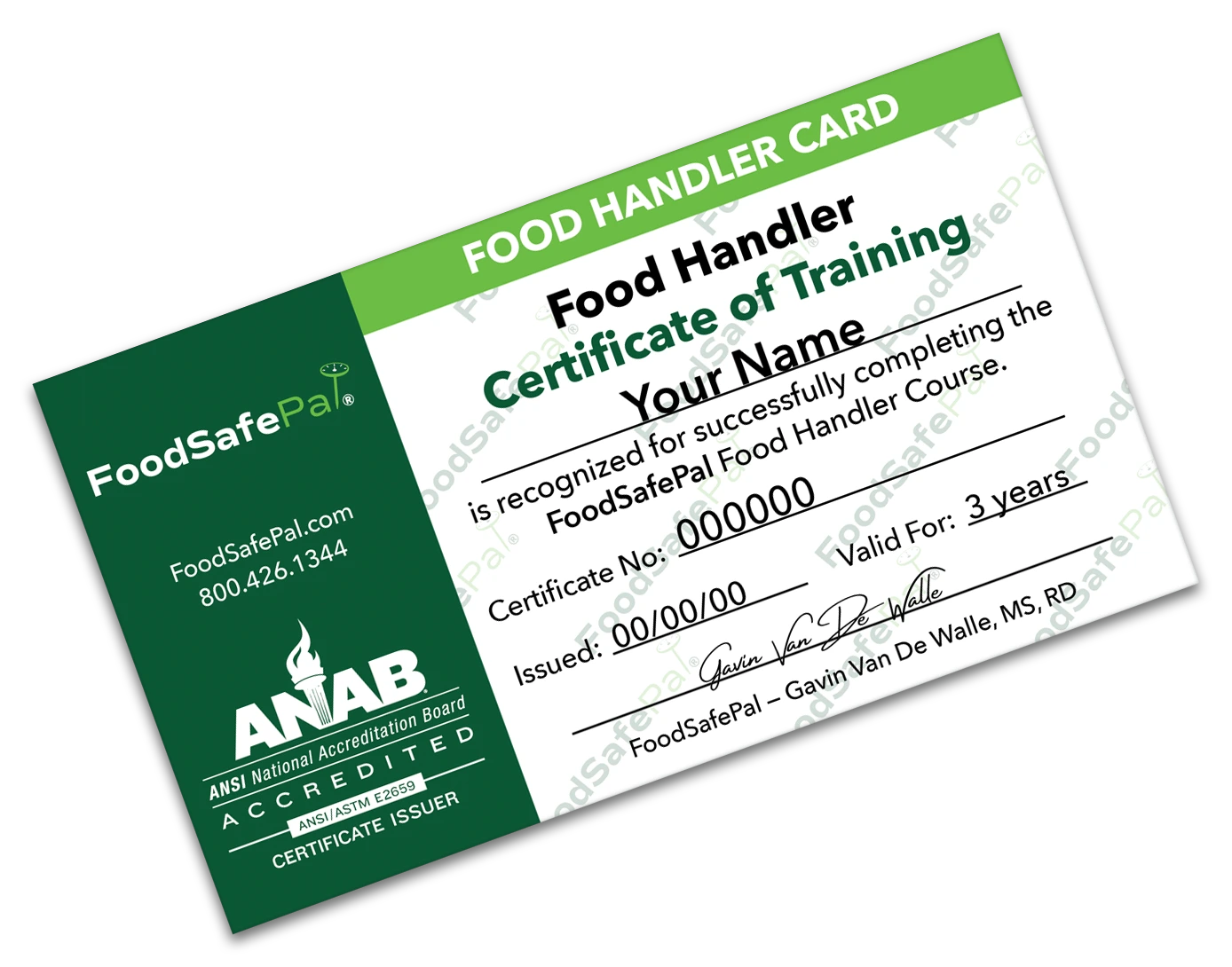
This essential certification is a mandatory requirement for food service workers across the state, ensuring that individuals involved in preparing, storing, or serving food possess a foundational understanding of safe food handling practices. For anyone looking to enter or advance within California’s expansive hospitality sector, particularly those roles that intersect with food preparation, understanding and obtaining this card is not merely a bureaucratic hurdle but a vital step towards professional competence and contribution to the state’s reputation for quality food tourism. The card is designed to minimize the risk of foodborne illnesses, protecting consumers – including the countless tourists who explore California’s gastronomic offerings – and safeguarding the businesses that serve them.
Who Needs the California Food Handlers Card?
The mandate for the California Food Handlers Card is broad, covering a wide array of roles within the food service industry. Generally, any individual who works in a food facility and handles food, food-contact surfaces, or implements is required to obtain this card. This includes:
- Restaurant Staff: Cooks, chefs, servers (who handle plated food), dishwashers, bussers, and expediters.
- Deli and Grocery Store Employees: Those who prepare or serve ready-to-eat foods, handle produce, or work at the meat and seafood counters.
- Catering and Event Staff: Individuals working at events, festivals, or private functions where food is prepared and served.
- Cafeteria Workers: In schools, hospitals, and corporate settings.
- Hotel and Resort Food Service Staff: Covering all roles from kitchen staff to banquet servers.
- Food Truck Operators and Staff: A rapidly growing segment of California’s food scene.
It’s important to note that the card must be obtained within 30 days of employment in a food handling capacity. While some counties or cities might have additional local requirements, the statewide California Food Handlers Card serves as the baseline. Employers are responsible for ensuring their staff comply with this regulation, as non-compliance can lead to penalties and, more importantly, put public health at risk.
Essential Steps to Acquire Your California Food Handlers Card
Obtaining your California Food Handlers Card is a straightforward process, designed to be accessible while ensuring comprehensive coverage of critical food safety principles. The entire procedure can typically be completed online, offering flexibility for individuals balancing work or other commitments.
Step 1: Enroll in an Approved Training Program
The first and most crucial step is to select an accredited training program. The California Department of Public Health (CDPH) approves specific food safety training providers. These programs are meticulously designed to cover all the necessary topics required by state law. It is imperative to choose a provider from the official list to ensure your certification will be recognized.
The training typically covers:
- Basic Food Safety Principles: Understanding common hazards.
- Personal Hygiene: Emphasizing handwashing, proper attire, and avoiding contamination.
- Temperature Control: The importance of cooking, cooling, and holding foods at safe temperatures to prevent bacterial growth.
- Cross-Contamination Prevention: Separating raw and cooked foods, proper cleaning of surfaces and equipment.
- Allergen Awareness: Identifying major food allergens and preventing cross-contact.
- Cleaning and Sanitizing: Proper procedures for maintaining a hygienic work environment.
- Pest Control: Basic strategies to prevent pest infestations.
The training material is often presented through interactive modules, videos, and quizzes, making the learning engaging and effective. The duration of the training varies by provider but typically takes a few hours to complete.
Step 2: Complete the Food Safety Exam
After reviewing all the training material, you will be required to pass an online examination. This exam is a multiple-choice test designed to assess your understanding of the food safety principles covered in the training. Most exams consist of around 40 questions, and a passing score is usually 70% or higher.
The exam is open-book in many cases, meaning you can refer to the training materials if needed, though a solid understanding of the content is always recommended. If you do not pass on your first attempt, most approved providers offer a free retake or allow multiple attempts after a short waiting period, giving you the opportunity to review the material again and improve your score. This flexibility ensures that individuals have ample opportunity to master the necessary knowledge.
Step 3: Print Your Official California Food Handlers Card
Upon successfully passing the exam, you will immediately receive a printable version of your official California Food Handlers Card. This digital certificate serves as proof of your certification. It is crucial to print this card and keep it readily available, as your employer will require a copy for their records, and it must be presented to health inspectors upon request. The card typically includes your name, the date of completion, and an expiration date.
Selecting the Right Training Program for Compliance

With numerous online providers offering the California Food Handlers Card training, choosing the right one is key to a smooth and reliable certification process. While all approved programs cover the same core curriculum, differences in presentation, cost, and user experience can influence your decision.
Accreditation is Non-Negotiable
The paramount factor in selecting a training provider is its accreditation by the CDPH. Any program not explicitly approved by the CDPH will not issue a valid card, rendering your efforts futile. Always verify a provider’s accreditation status before enrolling. Approved providers usually prominently display their CDPH approval number or statement on their websites.
Consider Learning Style and Features
While the content is standardized, the delivery can vary. Some individuals prefer highly interactive modules with quizzes and games, while others might favor a more direct, text-based approach. Look for programs that offer:
- Multilingual Options: If English is not your first language, many providers offer training and exams in Spanish, Chinese, Vietnamese, and other languages, which can significantly aid comprehension.
- Mobile Compatibility: The ability to complete the training on a smartphone or tablet offers flexibility, allowing you to learn on the go.
- Customer Support: Responsive customer service can be invaluable if you encounter technical issues or have questions about the material or process.
- Ease of Navigation: A user-friendly interface can make the learning process less daunting and more efficient.
Cost and Value
The cost of a California Food Handlers Card training program typically ranges from $10 to $20. While cost should not be the sole determinant, comparing prices among accredited providers can help you find an option that fits your budget. Some employers may cover the cost of training, so it’s worth checking with your current or prospective employer. Often, the slight variations in price reflect additional features like unlimited exam retakes, comprehensive study guides, or longer access to the training materials.
Ensuring Ongoing Compliance: Renewal and Best Practices
The California Food Handlers Card is not a one-time certification. It signifies an ongoing commitment to food safety. Understanding the renewal process and adhering to best practices ensures continuous compliance and contributes to the overall safety and quality of California’s food service industry.
Card Expiration and Renewal
Your California Food Handlers Card is valid for three years from the date of issuance. Before its expiration, you will need to renew your certification by retaking an approved food safety training course and passing the exam again. The renewal process is identical to the initial certification process. There are no “refresher” courses for the California Food Handlers Card; you simply repeat the full training and exam.
It is highly recommended to mark your calendar or set a reminder for your card’s expiration date well in advance. Renewing before the card expires ensures there are no lapses in your certification, which could otherwise prevent you from working in a food handling capacity. Many online providers also offer reminder services to alert you when your card is nearing its expiration.
Beyond the Card: Implementing Best Practices
While the card certifies theoretical knowledge, true food safety comes from consistent application of best practices in the workplace. This means:
- Continuous Awareness: Staying vigilant about potential hazards and practicing good hygiene habits every single day.
- Adhering to Protocols: Following specific cleaning schedules, temperature monitoring logs, and cross-contamination prevention strategies established by your employer.
- Ongoing Education: Food safety guidelines can evolve. Staying informed about any updates from local health departments or the CDPH is crucial.
- Reporting Issues: Promptly reporting any signs of illness among staff, pest activity, or equipment malfunction that could compromise food safety to management.
- Teamwork: Food safety is a collective responsibility. Working collaboratively with colleagues to maintain high standards benefits everyone, especially the consumers.

The Broader Impact: Enhancing California’s Food Tourism Experience
The mandate for a California Food Handlers Card extends beyond mere regulation; it is an integral part of maintaining the state’s reputation as a world-class culinary destination. Every certified food handler contributes directly to the trust and confidence that consumers, both local residents and international tourists, place in California’s food establishments.
For tourists, the assurance of safe food handling practices translates into a more enjoyable and worry-free dining experience. Whether savoring fresh seafood on the Pacific Coast, exploring the diverse ethnic cuisines of Los Angeles, or enjoying farm-to-table meals in Northern California wine country, visitors expect and deserve the highest standards of hygiene and food safety. The widespread adoption of the Food Handlers Card ensures a baseline of knowledge across the entire industry, from the smallest coffee shop to the largest theme park restaurant.
Furthermore, a well-trained workforce reduces instances of foodborne illness, which not only protects public health but also prevents negative publicity and potential damage to businesses and the state’s tourism economy. A strong commitment to food safety enhances California’s appeal, reinforcing its image as a destination where visitors can indulge in gastronomic adventures with peace of mind. For individuals working in food service, possessing this card demonstrates professionalism and a personal commitment to public welfare, making them valuable assets to any establishment contributing to California’s vibrant and thriving food tourism landscape.
LifeOutOfTheBox is a participant in the Amazon Services LLC Associates Program, an affiliate advertising program designed to provide a means for sites to earn advertising fees by advertising and linking to Amazon.com. Amazon, the Amazon logo, AmazonSupply, and the AmazonSupply logo are trademarks of Amazon.com, Inc. or its affiliates. As an Amazon Associate we earn affiliate commissions from qualifying purchases.