
The allure of a Hawaiian escape from the California coast is a dream for many, but a fundamental question often arises: just how far is this tropical paradise? Understanding the geographical distance between Hawaii and California is crucial for any traveler planning a journey, influencing everything from flight duration and cost to the overall anticipation of the trip. While the islands appear as distant specks in the vast Pacific Ocean on a map, modern travel makes this seemingly formidable distance remarkably manageable.
The Geographical Reality: Miles and Time
The distance between California and Hawaii is significant, spanning a considerable portion of the Pacific Ocean. However, defining “how far” involves more than just a single number; it encompasses the actual miles, the time it takes to traverse them, and the practical implications for travelers.
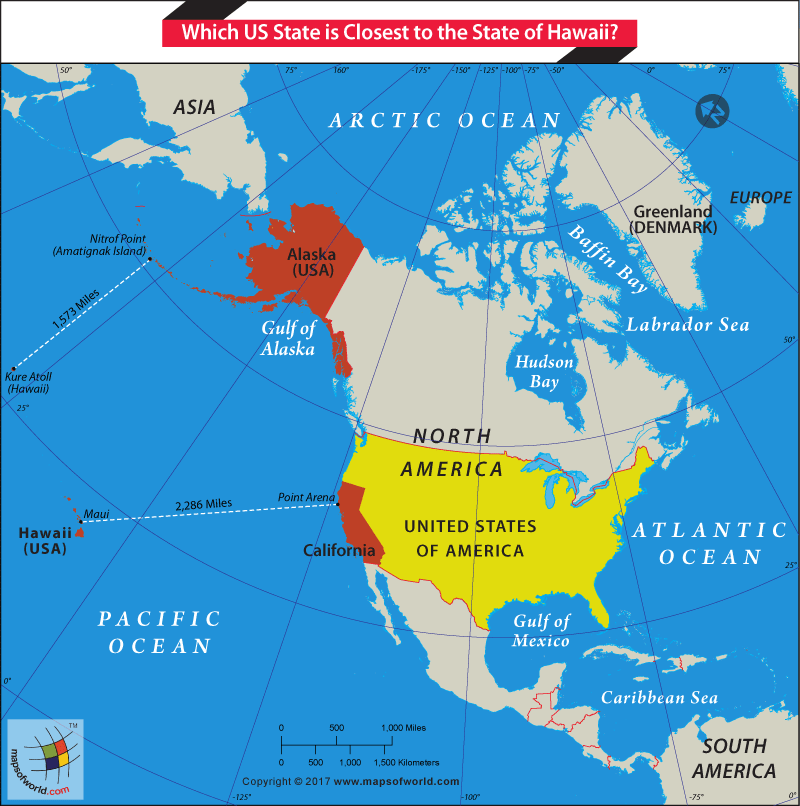
Straight-Line Distance: The Crow Flies
When calculating the shortest possible distance “as the crow flies,” the approximate air mileage from major California cities to Honolulu, Hawaii, is generally in the range of 2,400 to 2,500 miles (approximately 3,860 to 4,020 kilometers).
- From Los Angeles to Honolulu: Approximately 2,550 miles (4,100 km).
- From San Francisco to Honolulu: Approximately 2,400 miles (3,860 km).
- From San Diego to Honolulu: Approximately 2,600 miles (4,180 km).
These figures represent the shortest possible path, an important metric for understanding the scale of the journey. This substantial distance means traversing an expansive oceanic environment, far removed from continental landmasses. It underscores Hawaii’s isolation and its unique position as the world’s most isolated population center.
Understanding Flight Paths and Duration
While the straight-line distance gives a geographical baseline, actual flight times are what truly matter to travelers. Commercial flights do not always follow the absolute shortest path due to factors like wind currents (jet streams), air traffic control routes, and optimal fuel efficiency.
- Eastbound vs. Westbound: Flights from California to Hawaii (westbound) typically take longer than flights from Hawaii to California (eastbound). This is primarily due to the prevailing trade winds and jet streams, which act as a headwind for westbound flights and a tailwind for eastbound ones.
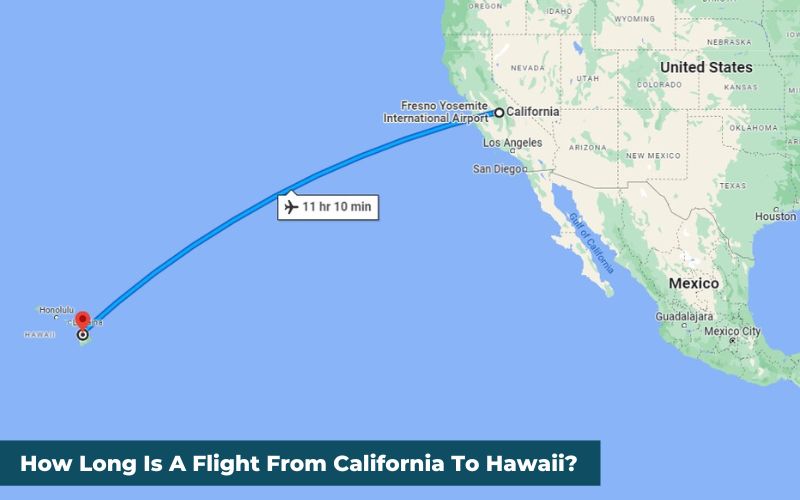
- Typical Flight Duration: A direct flight from a major California airport like Los Angeles International Airport (LAX) or San Francisco International Airport (SFO) to Daniel K. Inouye International Airport (HNL) in Honolulu generally ranges from 5 to 6 hours. Return flights (eastbound) can be as short as 4.5 to 5.5 hours.
- Factors Affecting Time: The specific departure and arrival airports, the type of aircraft, and real-time weather conditions can all marginally influence flight duration. For instance, flying to an outer island like Maui (via Kahului Airport) or the Big Island (via Kona International Airport) might add a few minutes compared to Honolulu depending on the directness of the route.
For most travelers, a 5-6 hour flight is a comfortable duration, allowing for a meal, a movie, and some relaxation before touching down in paradise. It’s comparable to a cross-country flight within the continental United States.
The Oceanic Voyage
While air travel is overwhelmingly the most common mode, the distance can also be traversed by sea. Cruise ships regularly ply the route between California and Hawaii, offering a different pace and experience.
- Cruise Duration: A typical cruise from California to Hawaii (or vice versa) usually takes 4 to 6 days for the ocean crossing itself, excluding time spent at various ports of call. The entire cruise itinerary often spans 10 to 15 days, incorporating several Hawaiian islands.
- Experience: This mode of travel transforms the journey into part of the vacation, offering days at sea for relaxation, entertainment, and enjoying the ship’s amenities. While significantly slower, it provides a unique perspective on the vastness of the Pacific Ocean.
- Cargo Ships and Private Yachts: For those seeking an even more adventurous or utilitarian crossing, cargo ships sometimes offer limited passenger berths, and private yachts frequently make the journey, though this requires extensive preparation and experience in blue-water sailing. These methods typically take much longer, often weeks, depending on the vessel’s speed and route.
Planning Your Journey: Beyond the Miles
Knowing the distance is just the first step. Effective travel planning requires understanding the logistics of departure and arrival points, which greatly influence convenience and overall travel time.
Departure Points in California
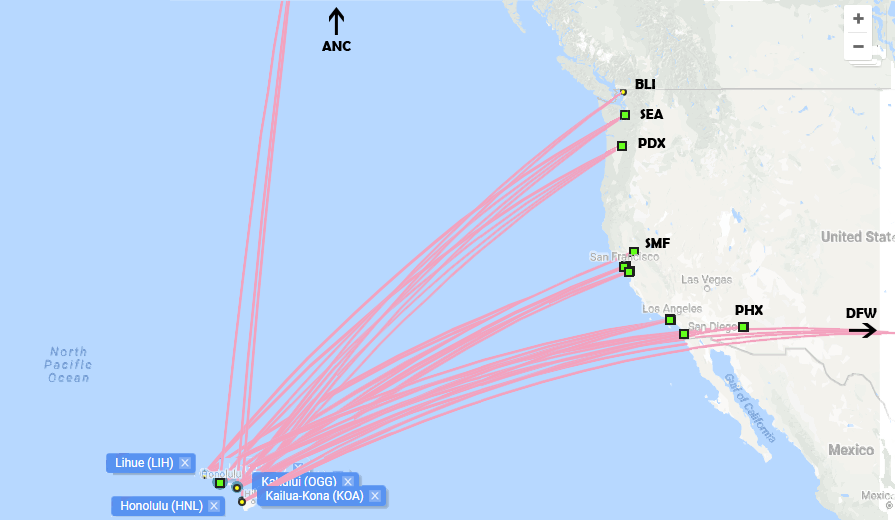
California is a primary gateway to Hawaii, with numerous airports offering direct flights.
- Southern California: Los Angeles International Airport (LAX) is the busiest and offers the most frequent and diverse flight options to various Hawaiian islands. San Diego International Airport (SAN) also provides direct services, albeit with fewer options than LAX.
- Northern California: San Francisco International Airport (SFO) is another major hub with extensive direct flights. Oakland International Airport (OAK) and San Jose International Airport (SJC) also serve as significant departure points, particularly convenient for residents of the Bay Area and Silicon Valley.
- Other California Airports: A growing number of direct flights are available from smaller California airports, expanding accessibility for travelers outside the major metropolitan areas and potentially reducing the need for connecting flights within California.
Travelers should consider their proximity to these airports, parking options, and the availability of preferred airlines when selecting their departure point.
Arrival Gates in Hawaii
Hawaii has several international airports, each serving a different island, allowing travelers to fly directly to their preferred destination without an inter-island connection initially.
- Oahu (Honolulu): Daniel K. Inouye International Airport (HNL) is the main international gateway to Hawaii and the busiest airport. Most flights from California arrive here. From HNL, travelers can easily access Honolulu, Waikiki, and other Oahu attractions.
- Maui: Kahului Airport (OGG) is the primary airport for Maui, receiving many direct flights from California. This is ideal for those whose itinerary focuses solely on Maui’s beaches, Haleakala, or the Road to Hana.
- Big Island: The Big Island has two main airports: Kona International Airport (KOA) on the west (Kona) side and Hilo International Airport (ITO) on the east (Hilo) side. Direct flights from California typically arrive at KOA, convenient for accessing the island’s resort areas.
- Kauai: Lihue Airport (LIH) serves Kauai, the “Garden Isle,” and also receives direct flights from California, making it easy to start a vacation focused on Kauai’s dramatic landscapes.
Choosing the right arrival airport can save time and the hassle of an additional inter-island flight, especially for shorter trips.
Navigating the Time Zone Shift
Beyond the physical distance and travel time, the shift in time zones is a significant factor to consider when traveling from California to Hawaii.
- Hawaii Standard Time (HST): Hawaii observes Hawaii Standard Time year-round and does not participate in Daylight Saving Time.
- Time Difference:
- During Pacific Standard Time (PST), roughly November to March, Hawaii is two hours behind California. (e.g., 10 AM in California is 8 AM in Hawaii).
- During Pacific Daylight Time (PDT), roughly March to November, Hawaii is three hours behind California. (e.g., 10 AM in California is 7 AM in Hawaii).
This time difference means that while a flight may be 5-6 hours, travelers effectively “gain” 2-3 hours upon arrival in Hawaii, as they land earlier in local time than the flight duration suggests. For instance, a 9 AM flight from Los Angeles (PDT) landing after 5.5 hours would arrive at 2:30 PM PDT, but in Hawaii, it would be 11:30 AM HST. This can be beneficial for those eager to start their vacation immediately, providing more daylight hours on the arrival day. Conversely, the return journey to California often feels shorter, but travelers “lose” 2-3 hours, arriving later than expected in local California time. Adjusting to the time difference is generally easier going west to Hawaii but may require a day or two to fully acclimate.
What the Distance Means for Your Travel Experience
The substantial distance between California and Hawaii defines much of the travel experience, transforming a routine trip into a true getaway.
Packing Considerations for a Trans-Pacific Trip
Traveling across the Pacific Ocean means leaving behind continental climates for a tropical island environment. This requires specific packing choices:
- Lightweight and Breathable Clothing: Hawaii’s consistent warm temperatures and humidity necessitate clothing made from natural fibers like cotton or linen.
- Swimwear and Beach Essentials: Given the island nature, swimwear, reef-safe sunscreen, hats, and sunglasses are absolute must-haves.
- Layering for Evenings: While days are warm, evenings can be cooler, especially at higher elevations or near the coast with sea breezes. A light jacket or sweater is advisable.
- Comfortable Footwear: Sandals and walking shoes are essential for exploring beaches, towns, and hiking trails.
- Rain Gear: Sporadic tropical showers are common, so a light rain jacket or umbrella can be useful, particularly on islands like Kauai or the Hilo side of the Big Island.
- Medications and Essentials: Given the distance from home, ensuring all necessary medications and personal essentials are packed is critical.
Packing smart ensures comfort and readiness for the diverse activities Hawaii offers, minimizing the need for last-minute purchases.
The Allure of an Island Escape
The distance itself contributes significantly to Hawaii’s appeal as a travel destination. Being thousands of miles from the mainland creates a distinct sense of escape and isolation that many travelers seek.
- Cultural Immersion: The journey takes travelers to a unique culture, vastly different from mainland California. The Hawaiian language, music, dance (hula), and traditions provide a rich and authentic experience.
- Natural Wonders: Hawaii’s volcanic origins and isolation have created a stunning array of natural landscapes, from active volcanoes on the Big Island to the dramatic cliffs of Na Pali Coast on Kauai, and the vibrant coral reefs teeming with marine life. This is a stark contrast to the often bustling urban and suburban landscapes of California.
- Relaxation and Rejuvenation: The act of crossing a vast ocean often psychologically primes travelers for relaxation. The sense of being truly “away” from daily routines is amplified by the sheer distance. The slower pace of island life, the warmth of the sun, and the soothing sounds of the ocean contribute to a profound sense of rejuvenation.
This feeling of genuine detachment is a key reason why Hawaii remains a top-tier travel destination for California residents and beyond.
Maximizing Your Hawaii Itinerary
Given the significant travel time and investment involved in reaching Hawaii, it’s advisable to plan a trip of sufficient duration to fully appreciate the islands.
- Recommended Duration: A minimum of 7 days is generally recommended for a single island, with 10-14 days ideal for exploring two or more islands, allowing for travel time between them and sufficient time to experience each destination without feeling rushed.
- Inter-island Travel: If planning to visit multiple islands, factor in additional flight time (typically 30-60 minutes per inter-island flight) and airport transfer times. Airlines like Hawaiian Airlines and Southwest Airlines offer frequent inter-island services.
- Activities and Experiences: Research and pre-book popular activities, especially during peak seasons. Options range from surfing lessons in Waikiki to snorkeling at Molokini, hiking to waterfalls on Kauai, or stargazing atop Mauna Kea.
The distance between Hawaii and California is more than just miles; it represents a passage to a distinct world. While the journey across the Pacific Ocean is substantial, modern air travel has made this tropical paradise easily accessible, transforming what was once a lengthy voyage into a comfortable few hours, opening the door to unforgettable Hawaiian adventures.
LifeOutOfTheBox is a participant in the Amazon Services LLC Associates Program, an affiliate advertising program designed to provide a means for sites to earn advertising fees by advertising and linking to Amazon.com. Amazon, the Amazon logo, AmazonSupply, and the AmazonSupply logo are trademarks of Amazon.com, Inc. or its affiliates. As an Amazon Associate we earn affiliate commissions from qualifying purchases.