
The journey from the bustling metropolis of San Francisco to the picturesque village of Carmel-by-the-Sea, nestled on the Monterey Peninsula, is a classic California road trip, varying in distance and duration depending entirely on the chosen route and the traveler’s inclination for speed versus scenery. While the crow flies relatively short, the practicalities of a coastal drive or an inland dash present distinct experiences, each offering its own rewards to those embarking on this popular Central Coast adventure. Understanding these variations is key to planning an optimal and enjoyable excursion.
The Essential Distance and Drive Time
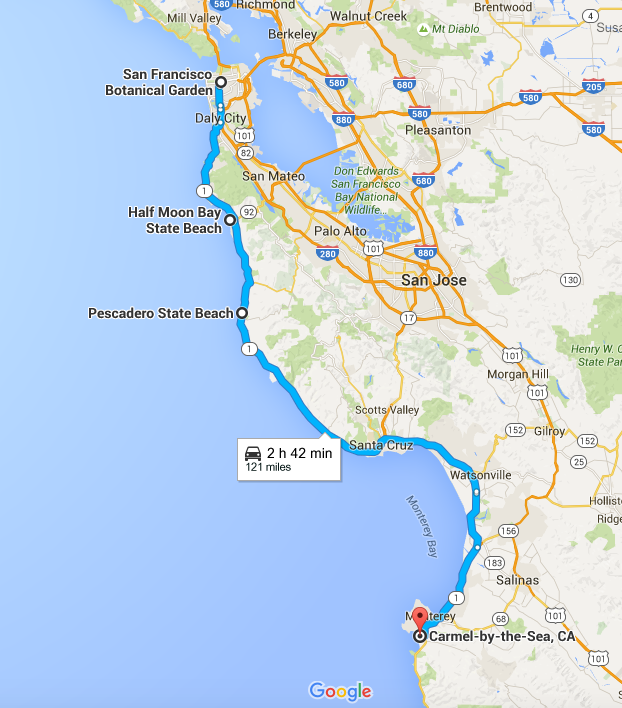
At its most direct, the distance between San Francisco and Carmel-by-the-Sea is approximately 120 miles (193 kilometers). For travelers prioritizing efficiency, this trip can typically be completed in about 2 to 2.5 hours of pure driving time, assuming favorable traffic conditions and a direct route. However, California’s major highways, particularly those in and around metropolitan areas, are susceptible to significant traffic congestion, especially during peak commute hours, weekends, or holidays. Factors such as these can easily extend the driving time by an hour or more.
Carmel-by-the-Sea itself is renowned for its fairy-tale cottages, pristine white sand beach, vibrant art scene, and dog-friendly atmosphere. It serves as a gateway to the broader Monterey Peninsula attractions, including the world-famous Monterey Bay Aquarium, Pebble Beach golf courses, and the scenic 17-Mile Drive. The journey to this enchanting destination can be as much a part of the vacation as the stay itself, especially when embracing the state’s iconic coastal highways.
Navigating the Routes: Inland Efficiency vs. Coastal Grandeur
Travelers have two primary driving routes to choose from when heading south from San Francisco to Carmel-by-the-Sea, each offering a fundamentally different experience.
The Direct Path: US-101 South
The quickest and most straightforward route is via United States Highway 101 (US-101) South. This inland freeway bypasses much of the immediate coastline, offering a more expedient journey through California’s interior valleys and suburban landscapes.
Beginning from San Francisco, travelers will head south on US-101, passing through the sprawling urban areas of Silicon Valley and cities like San Jose. The terrain gradually shifts from dense urban development to agricultural lands and rolling hills as one progresses further south. The journey on US-101 is characterized by multi-lane highways, higher speed limits, and a generally faster pace of travel.
Pros: This route is ideal for those on a tight schedule or who simply wish to reach Carmel-by-the-Sea with minimal delays. It’s also often the preferred choice when driving during adverse weather conditions, such as fog, which is common along the coast.
Cons: While efficient, US-101 offers less in the way of scenic beauty compared to its coastal counterpart. Traffic can be a significant deterrent, especially when passing through major metropolitan areas like San Jose during rush hour. Travelers should anticipate heavy congestion between 7 AM and 9 AM and again from 4 PM to 6 PM on weekdays. Once past Gilroy, traffic tends to ease considerably.
The Scenic Odyssey: California State Route 1
For those who view the journey as an integral part of the destination, California State Route 1, widely known as Highway 1 or the Pacific Coast Highway, offers an unparalleled experience. While longer in both distance and time, this route showcases some of California’s most breathtaking coastal vistas.
From San Francisco, travelers can pick up Highway 1 south, which hugs the coastline for much of its length. The drive is a mesmerizing tapestry of rugged cliffs, expansive ocean views, charming seaside towns, and lush redwood forests. This route stretches approximately 140-150 miles, but due to its winding nature, lower speed limits, and numerous opportunities for scenic stops, the drive time can easily extend to 3.5 to 5 hours or even longer if one fully embraces the exploration.
Key Stops and Attractions along Highway 1:
- Half Moon Bay: A picturesque coastal town known for its beaches, harbor, and Mavericks surf break.
- Santa Cruz: Famous for its beach boardwalk, surfing culture, and laid-back vibe. It’s a great place to stop for lunch or a quick stroll.
- Capitola: A charming village with colorful houses along the beach, boutiques, and seaside dining.
- Monterey: A historic city, home to Cannery Row, the Monterey Bay Aquarium, and Fisherman’s Wharf. This is an excellent place for an extended stop, being just a short drive from Carmel-by-the-Sea.

Driving Considerations: While incredibly beautiful, Highway 1 requires a more attentive driving style. The road is often winding, with sharp turns, steep grades, and occasional narrow sections. Pull-offs and scenic overlooks are frequent, allowing travelers to pause and absorb the stunning scenery safely. It’s crucial to be aware of weather conditions, as dense fog can roll in quickly, reducing visibility, and landslides occasionally impact sections of the road, particularly south of Carmel-by-the-Sea towards Big Sur. Always check road conditions before departing, especially during the rainy season. Despite these considerations, the Highway 1 drive to Carmel-by-the-Sea is an unforgettable experience, making it the preferred choice for many travelers.
Beyond the Wheel: Alternative Modes of Transport
While driving offers the most flexibility, especially for enjoying the scenic routes, other transportation options are available for those who prefer not to drive or wish for a different travel experience.
Public Transportation: A Multi-Leg Journey
Traveling by public transit from San Francisco to Carmel-by-the-Sea is feasible but involves multiple transfers and significantly more time. There isn’t a direct train or bus service.
- Step 1: San Francisco to San Jose: Take Caltrain from downtown San Francisco (4th and King Street station) to San Jose’s Diridon Station. This journey takes approximately 1.5 hours.
- Step 2: San Jose to Salinas: From San Jose, connect to an Amtrak Thruway bus service or an Amtrak train (such as the Coast Starlight or San Joaquin with bus connection) to Salinas. This segment can take 1 to 1.5 hours.
- Step 3: Salinas to Carmel-by-the-Sea: Once in Salinas, board a Monterey-Salinas Transit (MST) bus (Route 20 or 21) which provides service to Monterey and Carmel-by-the-Sea. This final leg takes about 30-45 minutes.
The total travel time for public transportation can range from 4 to 6 hours, not including wait times between connections. While more economical than flying or some private shuttles, it requires careful planning of schedules and can be cumbersome with significant luggage.
Air Travel: Efficiency for Distant Connections (Less So for this route)
For the distance between San Francisco and Carmel-by-the-Sea, flying is generally not the most practical or time-efficient option. There are no direct commercial flights, and the time spent transferring to and from airports often negates any potential time savings from the short flight itself.
Travelers would typically fly from San Francisco International Airport (SFO) or Mineta San Jose International Airport (SJC) to Monterey Regional Airport (MRY). Flights are usually commuter planes and may involve a layover, making the journey longer than driving. Once at MRY, Carmel-by-the-Sea is a short 10-15 minute taxi or ride-share drive away. This option is primarily considered by those connecting from other distant locations or with very specific travel needs.
Private Shuttles and Ride-Sharing
Several private shuttle services operate between the San Francisco Bay Area and the Monterey Peninsula. These services offer a comfortable, door-to-door experience, though at a higher cost than public transport or driving a personal vehicle. Ride-sharing services like Uber or Lyft are also available, but the cost for such a long distance can be substantial, often comparable to or exceeding the cost of a rental car for a few days. These options provide convenience and eliminate the need for parking, which can be a consideration in Carmel-by-the-Sea during peak season.

Crafting Your Journey: Tips for a Memorable Trip
Regardless of your chosen mode of transport, a few tips can enhance your trip from San Francisco to Carmel-by-the-Sea:
- Timing is Everything: If driving Highway 1, aim to depart San Francisco in the morning to allow ample daylight for the scenic views and stops. Avoiding peak traffic hours on US-101 is crucial for a smoother journey. Weekdays are generally less crowded than weekends.
- Weather Awareness: Coastal California weather can be unpredictable. Be prepared for fog, especially in the mornings and evenings, even during summer. Packing layers is always a good idea.
- Fuel Up: Gas stations can be less frequent and more expensive along Highway 1 than on US-101. Ensure your tank is full before embarking on the scenic route.
- Pre-Book Accommodations: Carmel-by-the-Sea is a popular destination, especially during spring, summer, and fall. Booking your lodging in advance is highly recommended to secure your preferred stay.
- Embrace Flexibility: While planning is essential, maintaining flexibility allows for spontaneous stops and discoveries. The magic of the California coast often lies in its hidden gems.
Ultimately, the question of “how far” from San Francisco to Carmel-by-the-Sea extends beyond mere mileage. It encompasses a choice between efficiency and experience, a decision that shapes the very essence of your coastal California travel adventure. Whether you speed down the freeway or meander along the ocean’s edge, the destination promises an idyllic escape.
LifeOutOfTheBox is a participant in the Amazon Services LLC Associates Program, an affiliate advertising program designed to provide a means for sites to earn advertising fees by advertising and linking to Amazon.com. Amazon, the Amazon logo, AmazonSupply, and the AmazonSupply logo are trademarks of Amazon.com, Inc. or its affiliates. As an Amazon Associate we earn affiliate commissions from qualifying purchases.