
The journey between Fresno, California, and Los Angeles is a common one for both residents and visitors exploring the diverse landscapes and urban centers of the Golden State. Understanding the distance, travel time, and various transportation options is crucial for effective travel planning, whether for business, leisure, or family visits. This guide delves into the specifics of traversing the roughly 220-mile stretch that separates these two significant Californian cities, offering insights into what to expect and how to make the most of your journey.
The Geographical Reality: Distance and Driving Time
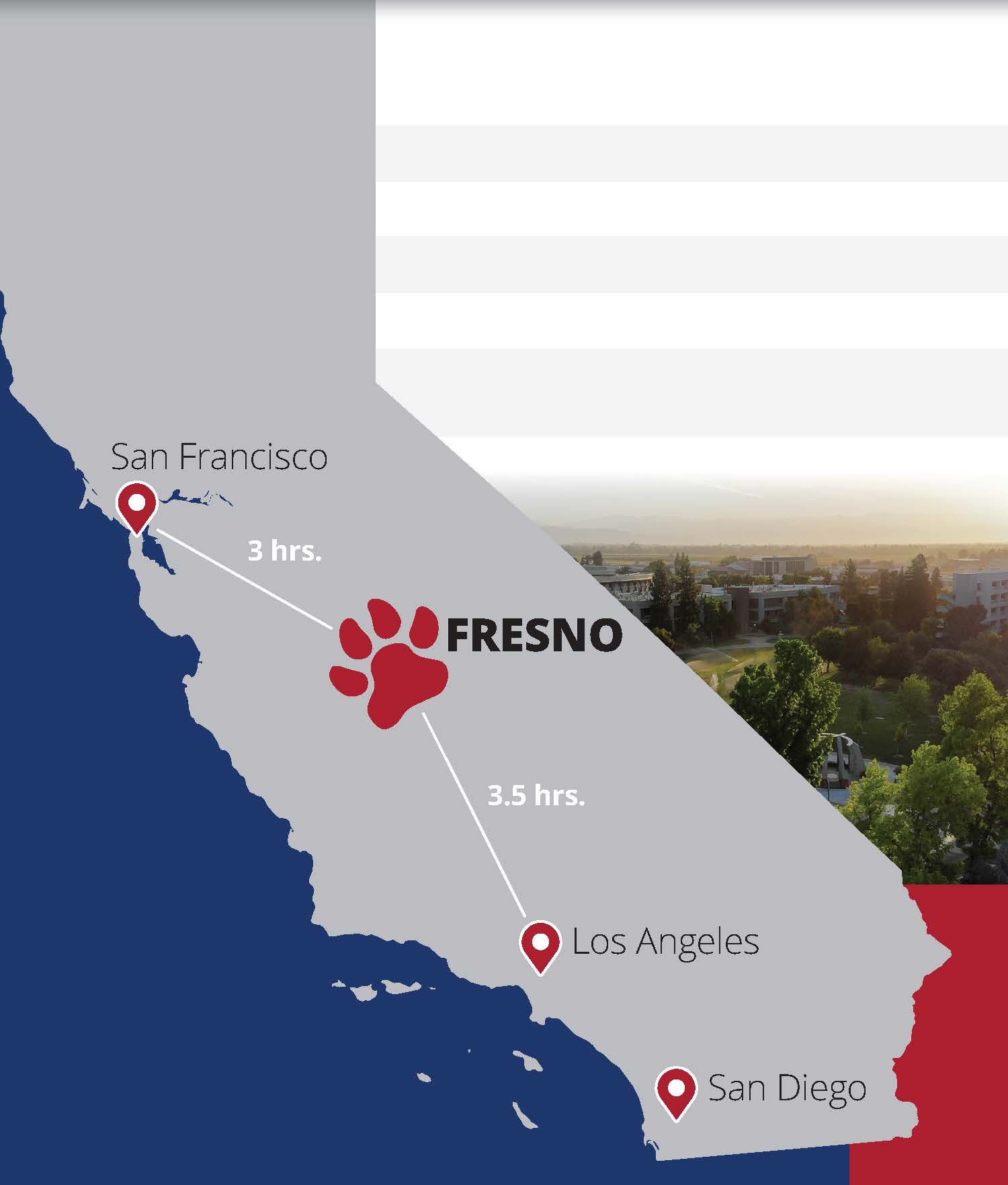
The direct distance between Fresno and Los Angeles is approximately 220 miles (around 354 kilometers) when measured as the crow flies. However, practical travel, particularly by road, involves specific routes that dictate the actual mileage and, more importantly, the travel time. For most travelers, driving is the primary mode of transport, offering flexibility and the opportunity to experience California’s varied scenery.

Direct Routes and Major Highways
Two main arterial highways connect Fresno to Los Angeles, each offering a distinct experience:
- Interstate 5 (I-5): This is generally the fastest and most direct route, covering approximately 220-230 miles. The drive typically takes between 3.5 to 4 hours, assuming optimal traffic conditions. I-5 traverses through the heart of the Central Valley, known for its agricultural expanses. While scenic in its own right, showcasing vast farmlands and distant mountains, it can sometimes feel monotonous to some drivers. The most significant geographical feature on this route is the ascent and descent over the Tejon Pass, often referred to as the Grapevine, which can be subject to fog, snow in winter, or heavy traffic during peak hours, particularly on weekends or holidays.
- California State Route 99 (CA-99): Running largely parallel to I-5 for much of the journey within the Central Valley, CA-99 offers a slightly different experience. This route is typically a bit longer in terms of mileage (around 235-245 miles) and can take anywhere from 4 to 5 hours due to more frequent urban areas, traffic signals, and lower speed limits in sections. CA-99 passes through more towns and cities within the Central Valley, such as Bakersfield, allowing for more opportunities to stop for amenities or a brief exploration. It eventually merges with or connects to major freeways leading into Los Angeles basin.
Factors Influencing Travel Time
While the base driving times are estimates, several factors can significantly alter the actual duration of your trip:
- Traffic Congestion: Los Angeles is notorious for its traffic. Entering or exiting the metropolitan area, especially during weekday rush hours (typically 6 AM-9 AM and 3 PM-7 PM) or on Friday afternoons and Sunday evenings, can add substantial time to your journey. Similarly, construction zones or accidents on either I-5 or CA-99 can cause delays.
- Weather Conditions: While California is known for its sunshine, specific conditions can impact travel. Dense fog, particularly in the Central Valley during winter months, can reduce visibility and necessitate slower speeds. Snow or heavy rain on the Grapevine can also cause slowdowns or even temporary closures.
- Rest Stops and Breaks: A responsible road trip includes stops for fuel, food, and stretching. Factoring in at least one or two 15-30 minute breaks will naturally extend the total travel time but contribute to a safer and more comfortable journey.
- Vehicle Performance: The type of vehicle, its condition, and how it’s loaded can affect fuel efficiency and driving speed, particularly on inclines like the Tejon Pass.
Transportation Options Beyond Driving
While driving offers unparalleled flexibility, it’s not the only way to travel between Fresno and Los Angeles. Other modes of transport offer different advantages, from cost-effectiveness to reduced stress.
Bus Services
Several bus companies operate routes between Fresno and Los Angeles. These services are often the most budget-friendly option. A bus journey typically takes longer than driving, usually ranging from 4 to 6 hours, depending on the number of stops and the specific route. Key advantages include:
- Cost-Effectiveness: Bus tickets are generally significantly cheaper than fuel costs for driving, especially for solo travelers.
- Convenience: Passengers can relax, work, or sleep during the journey without the stress of driving.
- Environmental Impact: Public transportation often has a lower carbon footprint per passenger compared to individual car travel.
Major bus terminals in both cities are usually centrally located or easily accessible via local public transport, making onward travel convenient.
Train Journeys
Train travel offers a unique and often more comfortable experience. Amtrak provides service through its San Joaquins line, connecting Fresno to Bakersfield. From Bakersfield, passengers typically transfer to an Amtrak Thruway Bus that completes the journey to Los Angeles.

- Scenic Views: The train portion offers pleasant views of the Central Valley.
- Comfort and Space: Trains generally provide more legroom, the ability to walk around, and onboard amenities like dining cars or cafes.
- Relaxation: It’s an excellent option for those who prefer not to drive or deal with airport logistics.
The total travel time for a train-bus combination can be anywhere from 5 to 7 hours, making it a longer option, but often a more relaxed one.
Air Travel Considerations
While both Fresno Yosemite International Airport (FAT) and Los Angeles International Airport (LAX) are major hubs, direct commercial flights between these two cities are rare and often involve layovers, making them impractical for this specific route. The flight time itself would be less than an hour, but when factoring in travel to and from airports, security checks, and potential layovers, the total door-to-door time often exceeds that of driving or even train travel, making it a less efficient option for this particular inter-city journey. For travelers whose ultimate destination is beyond Los Angeles, flying into LAX and then connecting to Fresno might be part of a larger itinerary, but for a direct city-to-city trip, it’s generally not recommended.
Planning Your Journey: Tips for a Smooth Trip
Regardless of your chosen mode of transport, a well-planned trip ensures a more enjoyable and less stressful experience.
Best Times to Travel
- Avoid Peak Hours: For drivers, departing early in the morning (before 6 AM) or late in the evening (after 7 PM) can help avoid the worst of Los Angeles traffic. Mid-day travel on weekdays also tends to be smoother.
- Mid-Week Advantage: Tuesdays, Wednesdays, and Thursdays typically see lighter traffic than Mondays or Fridays, and especially weekends, on major freeways.
- Check Weather Forecasts: Particularly important during winter for the Grapevine and Central Valley fog. Adjust your departure time if adverse conditions are expected.
- Holiday Travel: Expect significant delays and congestion on all routes during major holidays. Book bus or train tickets well in advance.
Essential Road Trip Stops
For those driving, turning the journey into a mini-adventure can enhance the travel experience.
- Harris Ranch Inn & Restaurant: Located off I-5 near Coalinga, this iconic stop offers quality dining, a gas station, and even a hotel. It’s a popular and convenient mid-point break.
- Outlets at Tejon Ranch: Situated at the base of the Grapevine, these outlets offer shopping and dining options for a refreshing break.
- Bakersfield (via CA-99): If you take CA-99, Bakersfield provides numerous restaurants, gas stations, and a chance to experience some of the Central Valley’s cultural offerings.
- Santa Clarita: As you approach Los Angeles on I-5, Santa Clarita is a large suburban city with plenty of amenities for a final stop before hitting the urban sprawl.
Why Travel Between Los Angeles and Fresno?
The constant flow of traffic between Fresno and Los Angeles underscores the significant connections between Southern California and the Central Valley. Understanding these connections can enhance your appreciation for the journey.
Exploring Fresno’s Appeal
Fresno serves as the economic hub of the vast Central Valley, an agricultural powerhouse that feeds the nation. It’s also a gateway city to some of California’s most spectacular natural wonders. Travelers often head to Fresno to access:
- National Parks: Yosemite National Park, Kings Canyon National Park, and Sequoia National Park are all within a relatively short drive from Fresno, making it a popular base for nature enthusiasts.
- Agricultural Tourism: The surrounding area offers opportunities for farm visits, farmers’ markets, and tasting tours, especially along the “Blossom Trail” in spring or during harvest season.
- Local Attractions: Within Fresno itself, visitors can explore the unique Forestiere Underground Gardens, catch a baseball game at Chukchansi Park, or visit the Fresno Chaffee Zoo.
Connecting California’s Diverse Regions
The route between Los Angeles and Fresno is more than just a commute; it’s a passage between distinct geographical and cultural regions of California. Los Angeles represents the bustling urban energy, entertainment industry, and coastal lifestyle of Southern California. Fresno, on the other hand, embodies the agricultural heritage and gateway to the Sierra Nevada mountains of the Central Valley. This connection facilitates everything from business and trade to tourism and family visits, highlighting the interconnectedness of the state. Whether you’re making the trip for a quick weekend getaway, a visit to family, or as part of a grander California adventure, understanding the “how far” and “how to get there” is the first step to an exciting journey.
LifeOutOfTheBox is a participant in the Amazon Services LLC Associates Program, an affiliate advertising program designed to provide a means for sites to earn advertising fees by advertising and linking to Amazon.com. Amazon, the Amazon logo, AmazonSupply, and the AmazonSupply logo are trademarks of Amazon.com, Inc. or its affiliates. As an Amazon Associate we earn affiliate commissions from qualifying purchases.