
The journey between the bustling metropolis of Los Angeles and the serene desert oasis of Palm Springs, California, is a popular route for both locals seeking a weekend escape and tourists exploring the diverse landscapes of Southern California. Understanding the distance, travel time, and various transportation options is crucial for planning a seamless trip. While seemingly straightforward, the actual travel experience can vary significantly based on the mode of transport, time of day, and specific starting and ending points within these expansive regions.
The Essential Distance and Drive Time
The direct distance between downtown Los Angeles and downtown Palm Springs is approximately 100 to 120 miles (160 to 193 kilometers), depending on the exact route chosen. However, this simple mileage doesn’t fully capture the reality of travel time in Southern California. The drive, which is the most common method of transport, typically takes between 1.5 to 2.5 hours under ideal traffic conditions.

What significantly influences this drive time is the notorious Los Angeles traffic. Traveling during peak commute hours, particularly on weekday mornings (6 AM to 9 AM) and afternoons (3 PM to 7 PM), or during weekend peak travel times (Friday afternoons/evenings and Sunday afternoons/evenings), can extend the journey considerably. A trip that might take 1 hour and 45 minutes on a clear Tuesday afternoon could easily stretch to 3 or even 4 hours during heavy congestion. Planning your departure time wisely is arguably the most critical factor in determining your overall travel duration.
Navigating the Journey: Routes and Road Conditions
For most travelers, the journey from Los Angeles to Palm Springs is predominantly a freeway experience. The route is well-marked and relatively direct, offering a clear path through diverse Californian landscapes.
The I-10 Freeway: The Primary Artery
The vast majority of the drive is along Interstate 10 (I-10), a major transcontinental freeway that connects Southern California to the East Coast. From central Los Angeles, travelers will typically merge onto the I-10 East, heading towards the desert.
The initial segment of the journey involves navigating through the urban sprawl of Los Angeles and its eastern suburbs. Once past the immediate urban core, the I-10 traverses through the San Gabriel Valley and into the Inland Empire, passing cities like Pomona, Ontario, Riverside, and San Bernardino. This segment can often be the most prone to traffic delays, especially near major interchanges or commercial zones.
As you head further east, the landscape gradually shifts from suburban developments to more arid, desert terrain. You’ll pass through communities such as Banning and Cabazon, notable for the iconic Cabazon Dinosaurs and the popular Desert Hills Premium Outlets and Cabazon Outlets, which serve as popular pit stops. Beyond Cabazon, the road descends into the Coachella Valley, where Palm Springs awaits. The last leg of the journey offers stunning views of the desert mountains, including Mount San Jacinto, which stands majestically over the city.
Alternative Scenic Routes (Limited but Exist)
While I-10 is the most direct and efficient route, some travelers might consider minor deviations for specific reasons or a slightly different perspective. For instance, from parts of Orange County or the southern Inland Empire, one might take California State Route 60 (CA-60) eastbound before merging onto I-10. However, these alternatives generally do not significantly alter the overall travel time and often converge back onto the main I-10 corridor, which remains the backbone of this particular journey. For a true scenic deviation, one would need to venture much further north into the mountains or south towards more rural desert roads, which would drastically increase travel time and is not typically recommended for direct travel between these two points.
Beyond the Wheel: Other Transportation Options
While driving offers the most flexibility, other modes of transportation are available, each with its own advantages and considerations regarding cost, speed, and convenience.
Public Transportation: Bus and Train
For those who prefer not to drive, intercity bus services provide a viable option. Greyhound operates routes from Los Angeles to Palm Springs, with several departures daily. The bus journey typically takes around 3 to 4 hours, depending on the route and number of stops. While often more economical than driving solo (especially when factoring in gas and wear-and-tear), bus travel can be slower and less direct than driving, especially if starting from a location not close to the bus terminal.
Train travel with Amtrak is another possibility, though it requires a bit more planning and usually involves a transfer. Amtrak’s Sunset Limited route serves the region, stopping at the Palm Springs station (actually located in North Palm Springs or Cabazon). Travelers from Los Angeles would typically take an Amtrak Pacific Surfliner to a connecting point or utilize Amtrak’s Thruway Bus service, which directly links downtown LA to Palm Springs. The train portion alone can take 2-3 hours, but factoring in transfers and getting to/from stations, it can be a longer overall journey than driving or taking a direct bus. However, it offers a more relaxed travel experience without the stress of traffic.
Air Travel: A Quicker, Pricier Alternative
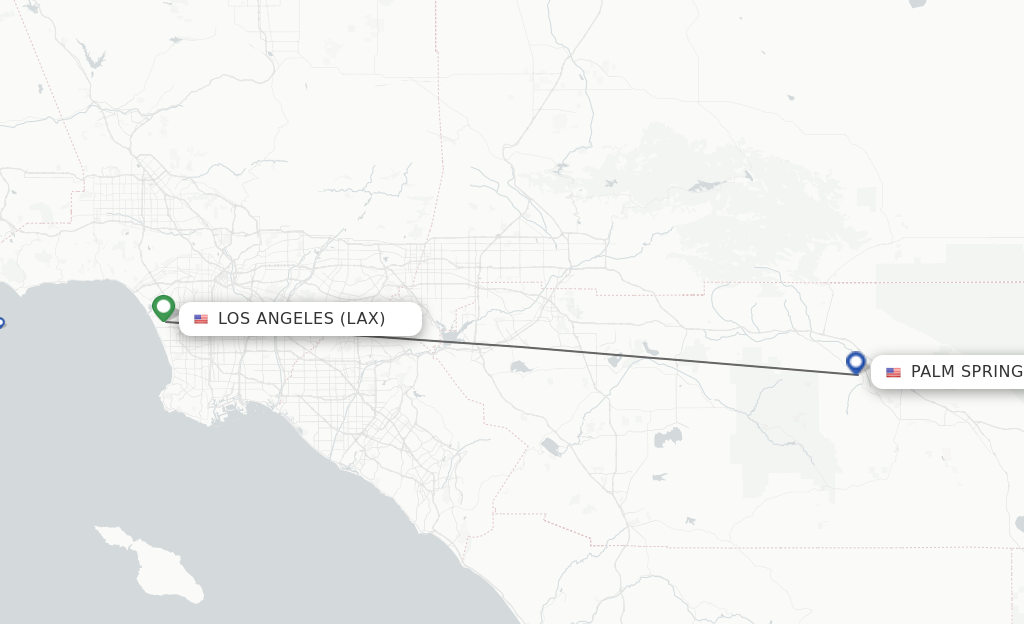
For the fastest transit between the two points, flying is an option, though it’s generally considered less practical given the relatively short driving distance. Los Angeles International Airport (LAX) offers direct flights to Palm Springs International Airport (PSP). Other regional airports like Hollywood Burbank Airport (BUR) or Long Beach Airport (LGB) might also have connecting flights, but direct service is less common.
The flight duration itself is a mere 30-45 minutes. However, when accounting for travel to and from airports, security checks, boarding, and deplaning, the total door-to-door travel time often rivals or exceeds a smooth drive. Airfare also tends to be significantly more expensive than gas or bus tickets for this route. This option is primarily favored by those for whom time is an absolute premium or those connecting from further destinations.
Ride-Sharing and Private Transfers
Ride-sharing services like Uber or Lyft are readily available in both Los Angeles and Palm Springs, offering a convenient door-to-door solution without the need to rent a car or navigate traffic yourself. The cost can be comparable to, or even exceed, a one-day car rental, especially during surge pricing. Private transfer services also offer a luxurious, stress-free option, often with higher price tags but guaranteed comfort and reliability. These are excellent choices for business travelers or those seeking a premium experience.
Planning Your Trip: Tips for a Smooth Journey
A successful trip from Los Angeles to Palm Springs hinges on thoughtful planning.
- Timing is Everything: As emphasized, avoid peak travel times if possible. Mid-morning on a weekday (after 9 AM) or early afternoon (before 3 PM) are generally the best windows for driving. For weekend travel, consider departing early Saturday morning or very late Friday night, and returning mid-day Sunday to beat the rush.
- Check Traffic Updates: Utilize navigation apps like Google Maps or Waze for real-time traffic information before and during your journey. These can suggest alternative routes if major incidents occur.
- Prepare Your Vehicle: If driving, ensure your car is in good condition, especially if traveling during summer months when desert temperatures can be extreme. Check tire pressure, fluid levels, and air conditioning.
- Stay Hydrated: The desert climate in and around Palm Springs is dry and can be very hot, especially from May to October. Always carry plenty of water, even for the drive.
- Embrace Pit Stops: Break up the drive with a stop at the Cabazon Outlets for some retail therapy or a photo opportunity with the Cabazon Dinosaurs. These brief pauses can make the journey more enjoyable.
- Consider Carpooling: If traveling with a group, carpooling can reduce costs (gas, tolls if applicable) and allow for use of HOV (High Occupancy Vehicle) lanes, which can save time in congested areas.
Why Make the Trip? The Allure of Both Destinations
The enduring popularity of the Los Angeles to Palm Springs route is a testament to the distinct appeal of both destinations. Los Angeles, a global hub for entertainment, culture, and innovation, offers iconic attractions like the Hollywood Walk of Fame, the beautiful beaches of Santa Monica, world-class museums, and diverse culinary experiences. It serves as a fantastic starting point or a vibrant destination in itself, drawing millions of visitors annually.
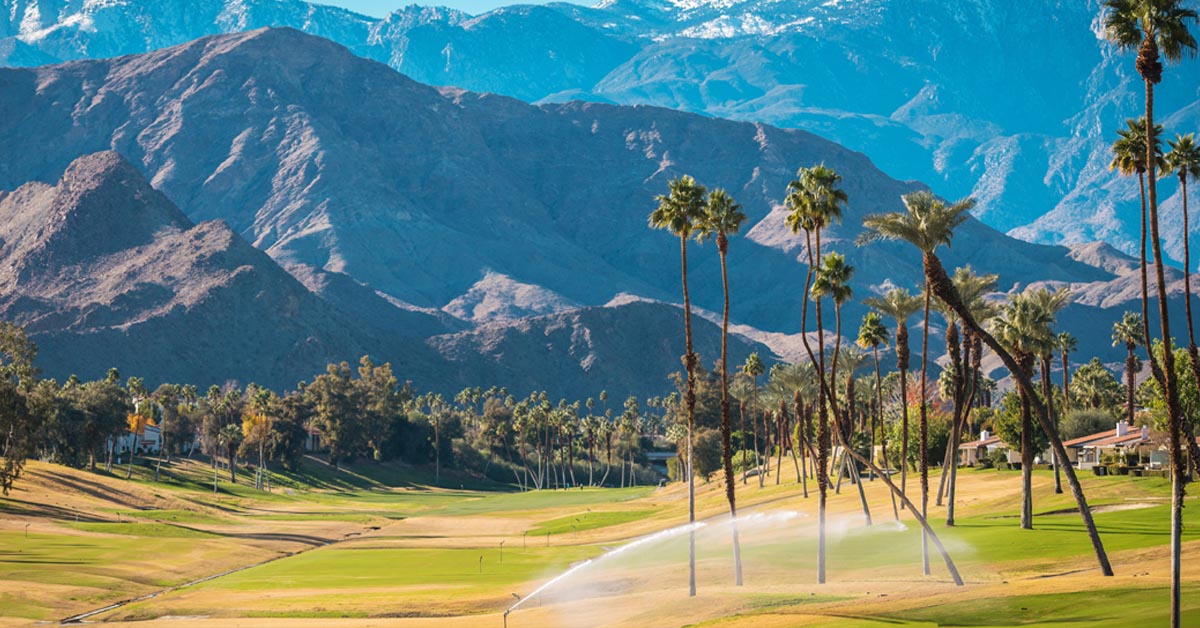
In contrast, Palm Springs offers a tranquil yet sophisticated escape. Famous for its striking mid-century modern architecture, lush golf courses, vibrant art scene, and a relaxed, resort-town atmosphere, it’s a haven for relaxation and outdoor activities. Visitors can ride the Palm Springs Aerial Tramway for panoramic views, explore the Living Desert Zoo and Gardens, or use it as a base to discover nearby natural wonders like Joshua Tree National Park. The Coachella Valley is also home to world-renowned music and arts festivals, drawing large crowds at specific times of the year.
Whether you’re seeking the energetic pulse of the city or the calm serenity of the desert, the relatively short distance between Los Angeles and Palm Springs makes both destinations easily accessible for a wide range of travel experiences. By understanding the travel logistics, your journey between these two Californian gems can be as enjoyable as the destinations themselves.
LifeOutOfTheBox is a participant in the Amazon Services LLC Associates Program, an affiliate advertising program designed to provide a means for sites to earn advertising fees by advertising and linking to Amazon.com. Amazon, the Amazon logo, AmazonSupply, and the AmazonSupply logo are trademarks of Amazon.com, Inc. or its affiliates. As an Amazon Associate we earn affiliate commissions from qualifying purchases.