
Navigating the complexities of health insurance, especially during life transitions like job changes or significant family events, can be daunting. One critical aspect of maintaining healthcare continuity is the Consolidated Omnibus Budget Reconciliation Act (COBRA). For residents of California, understanding not only federal COBRA but also state-specific extensions like Cal-COBRA is essential to ensure uninterrupted access to medical care. This guide delves into the specifics of how long COBRA coverage can last in California, outlining the various durations, eligibility criteria, and important considerations for individuals and families.
Understanding COBRA Fundamentals
Before examining the duration, it’s crucial to grasp what COBRA is and how it functions. Enacted in 1985, COBRA is a federal law that provides certain former employees, retirees, spouses, former spouses, and dependent children the right to temporary continuation of health coverage at group rates. This coverage, however, is typically self-paid, meaning the individual must bear the full cost of the premium, plus a small administrative fee.
What is COBRA?
COBRA generally applies to group health plans maintained by private-sector employers with 20 or more employees, and state and local governments. It allows individuals to continue the same health coverage they had under their employer’s plan for a limited period after certain qualifying events. The purpose is to bridge gaps in coverage, providing peace of mind during significant life changes. While it maintains the same benefits, it often comes at a significantly higher cost since the employer’s contribution is no longer provided.
Eligibility for COBRA Coverage
To be eligible for COBRA, three core conditions must be met:
- The group health plan must be covered by COBRA. As mentioned, this generally means employers with 20 or more full-time equivalent employees.
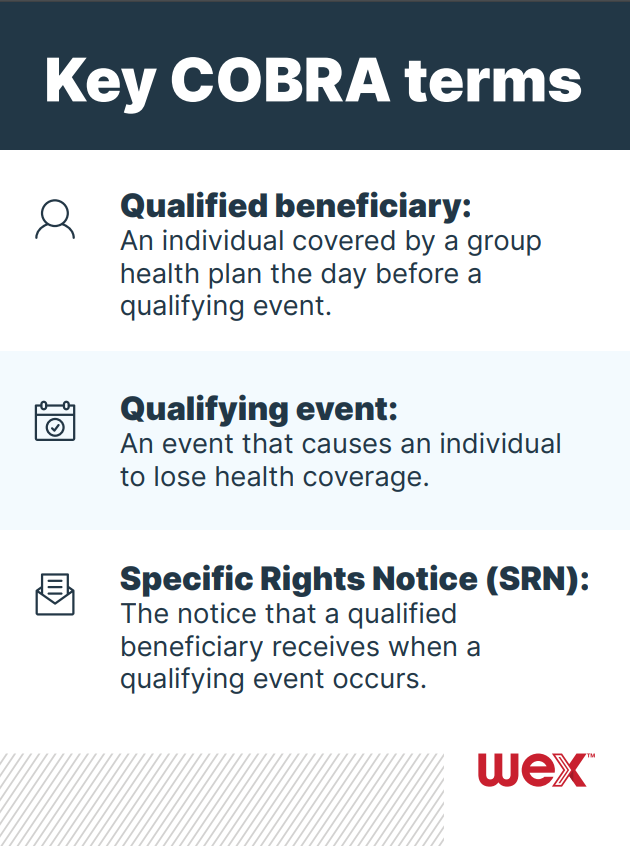
- A qualifying event must occur. These are specific events that trigger COBRA rights.
- The individual must be a “qualified beneficiary.” This includes the employee, their spouse, or their dependent children who were covered under the plan on the day before the qualifying event.

Qualifying Events
Qualifying events determine not only who is eligible but also the duration of coverage. They fall into categories based on whether they affect an employee, spouse, or dependent child:
- For Employees:
- Voluntary or involuntary termination of employment for reasons other than gross misconduct.
- Reduction in the number of hours of employment.
- For Spouses and Dependent Children:
- Termination of the covered employee’s employment (for reasons other than gross misconduct).
- Reduction in the covered employee’s hours.
- Divorce or legal separation from the covered employee.
- Death of the covered employee.
- The covered employee becoming entitled to Medicare.
- A child ceasing to be a dependent under the terms of the plan.
The Standard COBRA Duration
The length of time COBRA coverage lasts depends directly on the type of qualifying event. Federal COBRA outlines three primary coverage periods.
18 Months for Job Loss or Reduced Hours
The most common qualifying events, termination of employment (other than for gross misconduct) or reduction of hours that results in loss of eligibility for the group health plan, typically grant qualified beneficiaries the right to continue coverage for a maximum of 18 months. This period is intended to provide a reasonable window for individuals to find new employment with benefits or secure alternative coverage.
29 Months for Disability
If a qualified beneficiary is determined by the Social Security Administration (SSA) to be disabled at any time during the first 60 days of COBRA coverage, they may be eligible for an 11-month extension, bringing their total COBRA coverage to 29 months. To qualify for this extension, the plan administrator must be notified of the disability determination within 60 days of the SSA determination and before the initial 18-month period ends. It’s important to note that during the extended 11 months, the premium cost can increase, typically up to 150% of the full cost of coverage.
36 Months for Other Qualifying Events
Certain other qualifying events allow for a maximum of 36 months of COBRA coverage. These typically involve events where the covered employee remains employed but their spouse or dependent child loses eligibility. Examples include:
- Death of the covered employee.
- Divorce or legal separation from the covered employee.
- The covered employee becoming entitled to Medicare.
- A dependent child ceasing to be a dependent under the plan’s rules.
It’s also possible for a second qualifying event to occur during an 18-month COBRA period, potentially extending coverage for spouses and dependents up to a total of 36 months from the original qualifying event. For example, if an employee loses their job (18-month event) and then divorces their spouse during that COBRA period, the spouse may be able to extend their coverage to 36 months from the initial job loss.
Cal-COBRA – California’s Extension

California stands out because it offers an additional state-specific continuation program known as Cal-COBRA. This law extends the rights and protections of federal COBRA to more individuals and for a longer duration.
How Cal-COBRA Extends Coverage
Under federal COBRA, individuals may continue their health coverage for up to 18, 29, or 36 months. However, once federal COBRA expires, eligible California residents may be able to continue their coverage under Cal-COBRA for an additional 18 months. This means that for many qualifying events, the total potential duration of coverage could reach 36 months (18 months federal + 18 months state). In cases where federal COBRA already provides 36 months of coverage (e.g., divorce), Cal-COBRA doesn’t typically extend beyond this, as it aims to match the maximum federal period or provide an extension up to 36 months total.
Eligibility for Cal-COBRA
A significant difference is that Cal-COBRA applies to smaller employers, specifically those with 2 to 19 employees, which are not covered by federal COBRA. This broadens access to continuation coverage for many residents.
For individuals who were initially covered by federal COBRA (from employers with 20+ employees), they become eligible for Cal-COBRA once their federal COBRA coverage has been exhausted, provided they meet the following:
- They resided in California at the time of the qualifying event.
- They are a qualified beneficiary who has exhausted their federal [COBRA](https://lifeoutofthebox.com/cobra] benefits.
- They elect Cal-COBRA coverage within 30 days after their federal COBRA ends.
Total Potential Coverage Period in California
Considering both federal and state laws, the maximum duration for continuation of health coverage in California can be summarized as follows:
- 18 Months Federal COBRA + 18 Months Cal-COBRA = Up to 36 Months total for events like termination of employment or reduction of hours.
- 29 Months Federal COBRA (with disability extension) + 7 Months Cal-COBRA = Up to 36 Months total for individuals with a disability who qualify for the extension.
- 36 Months Federal COBRA for events like divorce, death of the employee, or a child aging out, where Cal-COBRA typically doesn’t extend beyond this.
It’s crucial to understand that these are maximums. Coverage can end earlier if premiums are not paid, if the employer no longer offers a group health plan, or if the qualified beneficiary becomes covered under another group health plan or Medicare.
Costs and Alternatives to COBRA
While COBRA offers a vital safety net, its cost can be a significant barrier for many. Exploring alternatives is often a prudent step.
The High Cost of COBRA Premiums
One of the biggest drawbacks of COBRA is the expense. Since the former employer is no longer contributing to the premium, the individual must pay the full premium plus an administrative fee, which can be up to 102% of the cost for federal COBRA and up to 110% for the Cal-COBRA extension. This can amount to hundreds, if not thousands, of dollars per month, making it unaffordable for many, especially during periods of unemployment.
Exploring Other Healthcare Options
Given the high cost, it’s wise to investigate other healthcare options that might be more affordable or better suited to your current circumstances.
- Covered California & Affordable Care Act Subsidies: Losing job-based health coverage is considered a qualifying life event, opening a Special Enrollment Period on Covered California (the state’s marketplace under the Affordable Care Act). Many individuals and families are eligible for financial help (subsidies) through Covered California to reduce their monthly premiums and out-of-pocket costs, making plans significantly more affordable than COBRA.
- Medi-Cal: For individuals and families with lower incomes, California’s Medi-Cal program may provide free or low-cost health coverage. Eligibility for Medi-Cal is based on income and household size.
- Spouse’s Plan: If a spouse has employer-sponsored health coverage, individuals may be able to enroll in their plan. Losing coverage due to a qualifying event often triggers a Special Enrollment Period for this option as well.
Navigating Your Rights and Responsibilities
Understanding the intricacies of COBRA and Cal-COBRA involves more than just knowing the duration; it also encompasses crucial administrative steps and responsibilities.
Notification Requirements
Both employers and qualified beneficiaries have notification responsibilities under COBRA. Employers must notify employees of their COBRA rights when they first enroll in a health plan. When a qualifying event occurs, the employer is responsible for notifying the plan administrator, who then must provide an election notice to the qualified beneficiary. For certain events, like divorce or a child losing dependent status, the employee or family member is responsible for notifying the plan administrator within 60 days of the event. Failure to provide timely notice can result in the loss of COBRA rights.
Enrollment Windows
After receiving an election notice, qualified beneficiaries typically have 60 days to elect COBRA coverage. The election period begins on the date the notice is provided or the date coverage would otherwise end, whichever is later. Once elected, beneficiaries usually have 45 days to make their first premium payment, which can cover the entire retroactive period back to the date coverage was lost. Subsequent payments are typically due monthly, with a 30-day grace period. Missing these deadlines can lead to the termination of coverage.
Discontinuation of COBRA Coverage
COBRA coverage can cease before the maximum duration for several reasons:
- The qualified beneficiary fails to pay premiums on time.
- The employer no longer provides a group health plan to any of its employees.
- The qualified beneficiary becomes covered under another group health plan (that doesn’t impose pre-existing condition limitations, though the Affordable Care Act has largely eliminated these).
- The qualified beneficiary becomes entitled to Medicare.
- The qualified beneficiary becomes eligible for Social Security disability benefits (in some contexts, this can trigger an extension, but full entitlement can also end COBRA.
In California, COBRA and Cal-COBRA serve as critical lifelines for individuals facing transitions that could otherwise leave them without essential health coverage. Understanding the specific durations, eligibility, and the interplay between federal and state laws is key to making informed decisions about your healthcare future. Always compare the costs and benefits of COBRA with other available options, especially through Covered California, to determine the most suitable path for your personal lifestyle and health needs.
LifeOutOfTheBox is a participant in the Amazon Services LLC Associates Program, an affiliate advertising program designed to provide a means for sites to earn advertising fees by advertising and linking to Amazon.com. Amazon, the Amazon logo, AmazonSupply, and the AmazonSupply logo are trademarks of Amazon.com, Inc. or its affiliates. As an Amazon Associate we earn affiliate commissions from qualifying purchases.