
Embarking on a journey from the sun-drenched shores of California to the vast, captivating continent of Australia is an adventure that promises unparalleled experiences. However, the sheer distance between these two landmasses often brings forth a primary concern for travelers: the flight duration. Understanding how long you’ll be airborne is crucial for planning, managing expectations, and ensuring a comfortable journey across the Pacific Ocean.
Understanding the Trans-Pacific Journey
The flight from California to Australia is one of the longest commercial air routes in the world. It involves traversing thousands of miles of open ocean, making it a significant undertaking. The duration of this flight is not static; it varies based on several key factors that every traveler should consider.
Key Factors Influencing Flight Duration
The precise length of your flight can be influenced by your departure city in California, your arrival city in Australia, whether you choose a direct or connecting flight, and even atmospheric conditions.
Origin City in California
California is a large state, and the primary international gateways are Los Angeles (LAX) and San Francisco (SFO). Both cities offer numerous direct flights to major Australian hubs. Flights originating from San Francisco are generally a little shorter than those from Los Angeles when heading to the eastern cities of Australia due to slight differences in great-circle routes. Other airports in California, like San Diego or Sacramento, would necessitate a connecting flight, often through Los Angeles or San Francisco, thereby adding to the total travel time.
Destination City in Australia
Australia is an enormous continent, roughly the same size as the continental United States. The distance from California varies significantly depending on whether you’re flying to Sydney on the east coast, Perth on the west coast, or somewhere in between.
- Eastern Cities: Sydney, Melbourne, and Brisbane are the most common direct flight destinations and typically have the shortest flight times from California.
- Western Cities: Flying to Perth or other western Australian cities will almost always involve at least one stop, usually in Sydney, Melbourne, or another Asian hub, substantially increasing the total travel duration.
Direct vs. Connecting Flights
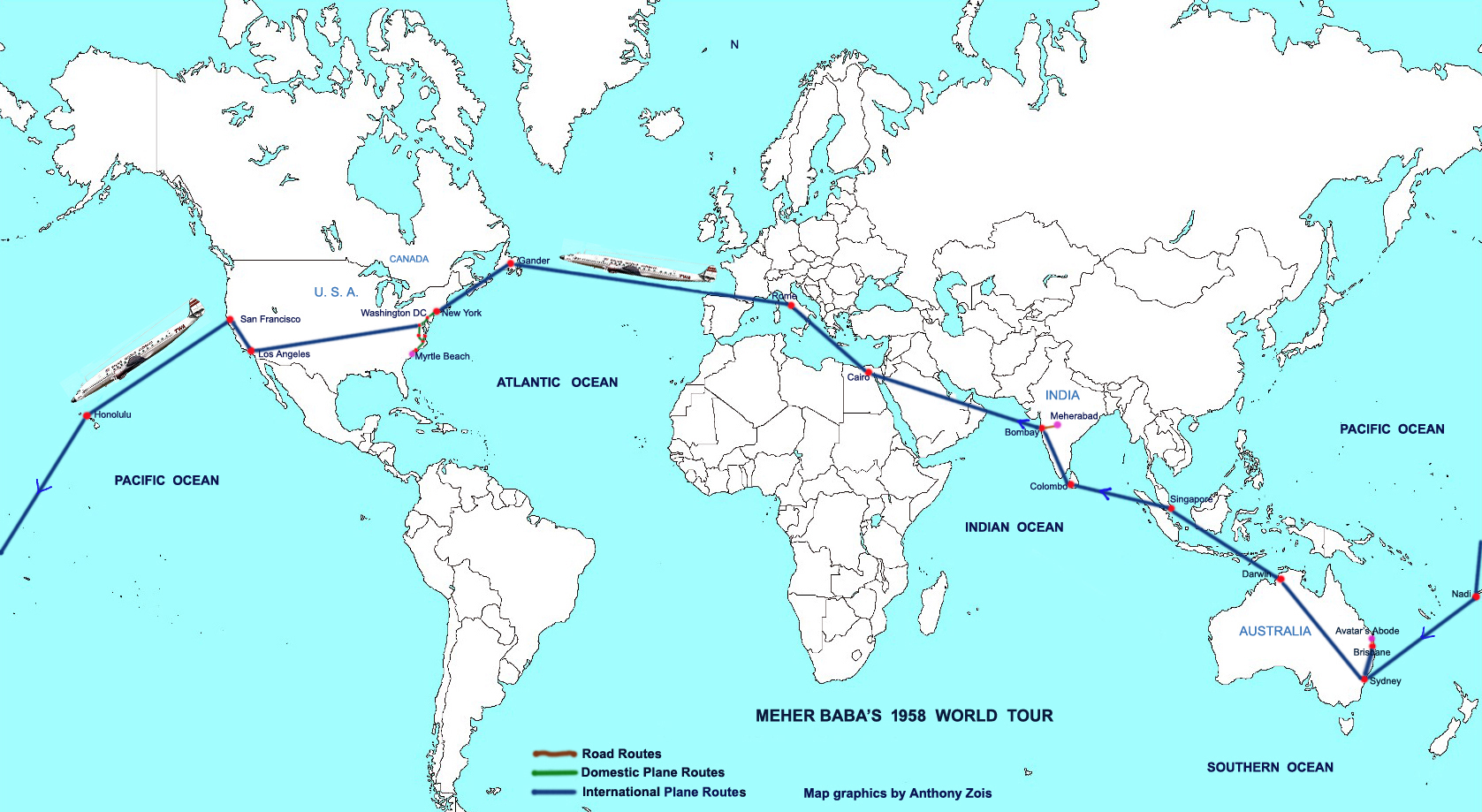
Direct (non-stop) flights are, naturally, the fastest option. Several major airlines offer direct services from Los Angeles and San Francisco to Sydney, Melbourne, and Brisbane. Opting for a connecting flight, perhaps through Honolulu, Auckland (New Zealand), or Nadi (Fiji), will add several hours to your journey, including layover times. While sometimes more economical, connecting flights extend the overall travel duration.
Aircraft Type and Wind Conditions
Modern aircraft like the Boeing 787 Dreamliner or the Airbus A350 are designed for long-haul efficiency and comfort, often flying at higher altitudes and speeds. Strong headwind conditions, particularly during the northern hemisphere’s winter months, can increase flight times by an hour or more, while tailwinds can shorten them.
Typical Flight Durations by Major Routes
Here’s a breakdown of typical non-stop flight durations from California’s major international airports to popular destinations in Australia.
California to Sydney
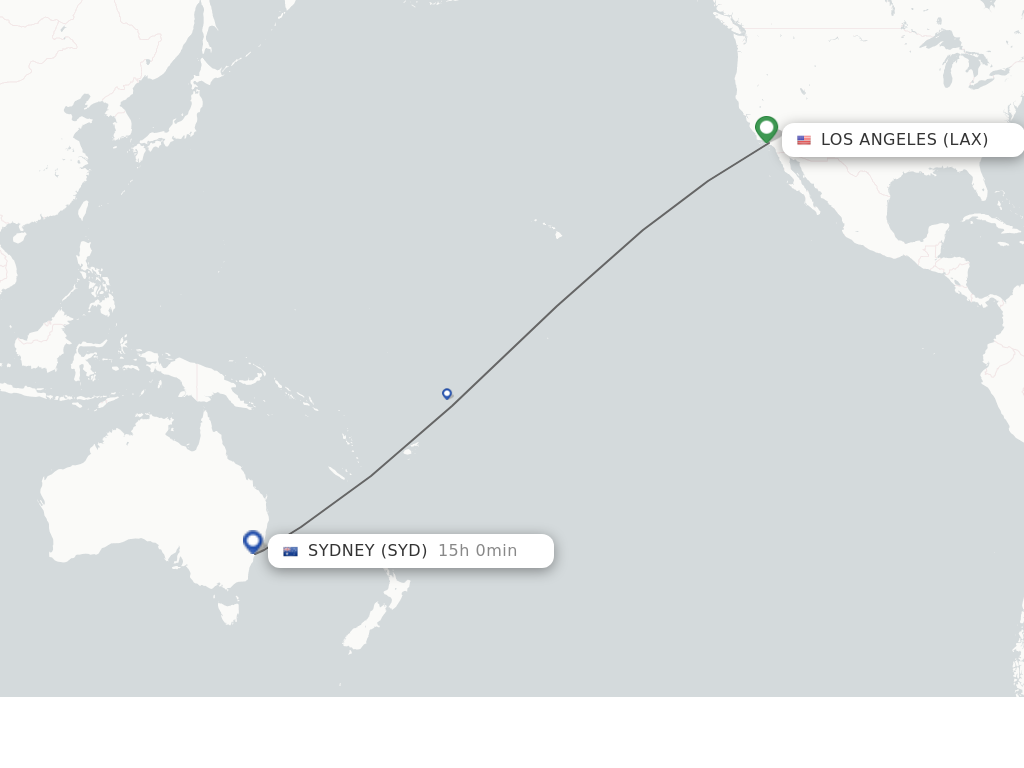
- From Los Angeles (LAX) to Sydney (SYD): Expect flights to range from approximately 14 hours to 15 hours and 30 minutes. The return flight from Sydney to Los Angeles is typically shorter, often around 13 hours, due to prevailing tailwinds.
- From San Francisco (SFO) to Sydney (SYD): Flights generally take around 14 hours to 15 hours. The return journey is also usually shorter, about 12 hours 30 minutes to 13 hours.
Airlines such as Qantas, United Airlines, and Delta Air Lines frequently operate these routes.
California to Melbourne
- From Los Angeles (LAX) to Melbourne (MEL): Non-stop flights typically fall within the 15-hour to 16-hour range. Melbourne is slightly further south and west than Sydney, contributing to the slightly longer duration.
- From San Francisco (SFO) to Melbourne (MEL): If direct flights are available, they would be similar to Los Angeles in duration, generally around 15 hours to 16 hours.
Qantas and United Airlines are among the carriers that offer direct services to Melbourne.
California to Brisbane
- From Los Angeles (LAX) to Brisbane (BNE): Direct flights are usually between 13 hours 30 minutes and 14 hours 30 minutes. Brisbane is north of Sydney, making it marginally closer to California than Sydney or Melbourne for some routes.
- From San Francisco (SFO) to Brisbane (BNE): Direct flights would be in a similar timeframe, generally around 13 hours to 14 hours.
Qantas and United Airlines also operate this route.
California to Perth
- From Los Angeles (LAX) to Perth (PER): There are no direct commercial flights from California to Perth. A flight to Perth will require at least one stop, typically in Sydney or Melbourne. This adds the domestic flight time within Australia (approximately 4-5 hours from the east coast to Perth) plus layover time. The total travel time, including layovers, can easily stretch to 20-24 hours or more.
Optimizing Your Long-Haul Flight Experience
A flight of 14+ hours can be daunting, but with proper preparation, it can be a comfortable and even enjoyable part of your journey.
Choosing the Right Airline and Aircraft
Researching airlines that fly the California-Australia route is paramount. Carriers like Qantas, United Airlines, Delta Air Lines, and sometimes Air New Zealand (with a stop in Auckland) or Fiji Airways (via Nadi) are common choices. Look for airlines that operate modern wide-body aircraft (e.g., Boeing 787 Dreamliner, Airbus A350, Boeing 777, Airbus A380) which often feature better cabin pressurization, humidity, and entertainment systems. Reviews on seat comfort, inflight service, and meal options can also guide your choice.
Strategies for Comfort and Wellness Onboard
Maximizing comfort is key to enduring such a long flight.
- Seat Selection: If possible, consider splurging for extra legroom seats, exit rows, or premium economy for more space. Otherwise, an aisle seat allows for easier movement, while a window seat provides a surface to lean against for sleep and better views.
- Hydration and Movement: Drink plenty of water and avoid excessive alcohol and caffeine, which can contribute to dehydration and disrupt sleep. Get up and walk around the cabin every couple of hours to improve circulation and prevent stiffness. Perform simple stretches in your seat.
- Entertainment and Sleep: Load up your personal devices with movies, TV shows, podcasts, and music. Bring a good quality neck pillow, eye mask, and noise-canceling headphones to help create a conducive environment for rest. Try to adjust your sleep schedule to your destination’s time zone even before you depart.
Managing Jet Lag Upon Arrival
Crossing multiple time zones (typically 17-19 hours ahead of California for Sydney or Melbourne) guarantees jet lag. To mitigate its effects:
- Adjust Gradually: Try to shift your sleep schedule by an hour or two each day in the days leading up to your flight.
- Hydrate and Avoid Stimulants: Continue drinking water and minimizing caffeine and alcohol during and after the flight.
- Embrace Daylight: Upon arrival, expose yourself to natural light as much as possible, especially in the morning, to help reset your body clock.
- Stay Active: Gentle exercise can help combat fatigue.
- Eat Wisely: Stick to light, healthy meals.
Beyond the Flight: Planning Your Australian Adventure
While the flight duration is a major consideration, the overall travel experience involves more than just the time spent in the air.
Entry Requirements and Customs
Travelers from the United States need a valid passport and a visa (Electronic Travel Authority or eVisitor visa for tourists) to enter Australia. It’s crucial to apply for these well in advance of your departure. Australia also has very strict biosecurity laws, so be mindful of what you pack, especially food items, plants, and animal products. Declare everything.
Best Time to Visit Australia
Australia’s seasons are opposite to those in the northern hemisphere.
- Summer (December-February): Hot across most of the country, ideal for southern beaches.
- Autumn (March-May): Generally mild and pleasant, great for outdoor activities.
- Winter (June-August): Cool in the south, warm and dry in the tropical north (perfect for visiting the Great Barrier Reef).
- Spring (September-November): Pleasant temperatures, ideal for wildflowers and exploring.
Consider the specific regions you plan to visit when deciding on your travel dates.
Internal Travel Considerations
Given Australia’s size, internal flights are often necessary if you plan to explore multiple regions. Budget airlines like Jetstar and Virgin Australia offer extensive domestic networks. Planning your itinerary to minimize backtracking can save time and money.
Preparing for Departure from California
The final steps before boarding your long-haul flight can significantly impact your experience.
Packing Essentials for a Long Journey
Beyond your standard travel essentials, consider items specifically for a long flight:
- Comfortable Clothing: Wear loose, layered clothing.
- Personal Hygiene Kit: Toothbrush, toothpaste, face wipes, moisturizer.
- Medication: Any prescription medications, pain relievers, and sleep aids if necessary.
- Snacks: While meals are provided, having your favorite snacks can be reassuring.
- Entertainment: Fully charged devices, power bank, and a good book.
- Documents: Passport, visa confirmation, flight details, and travel insurance information readily accessible.
Airport Logistics and Check-in
Arrive at your California airport well in advance of your international flight (at least 3 hours for Los Angeles or San Francisco). Check-in online if possible to save time. Be prepared for enhanced security screening.
Understanding Time Zones
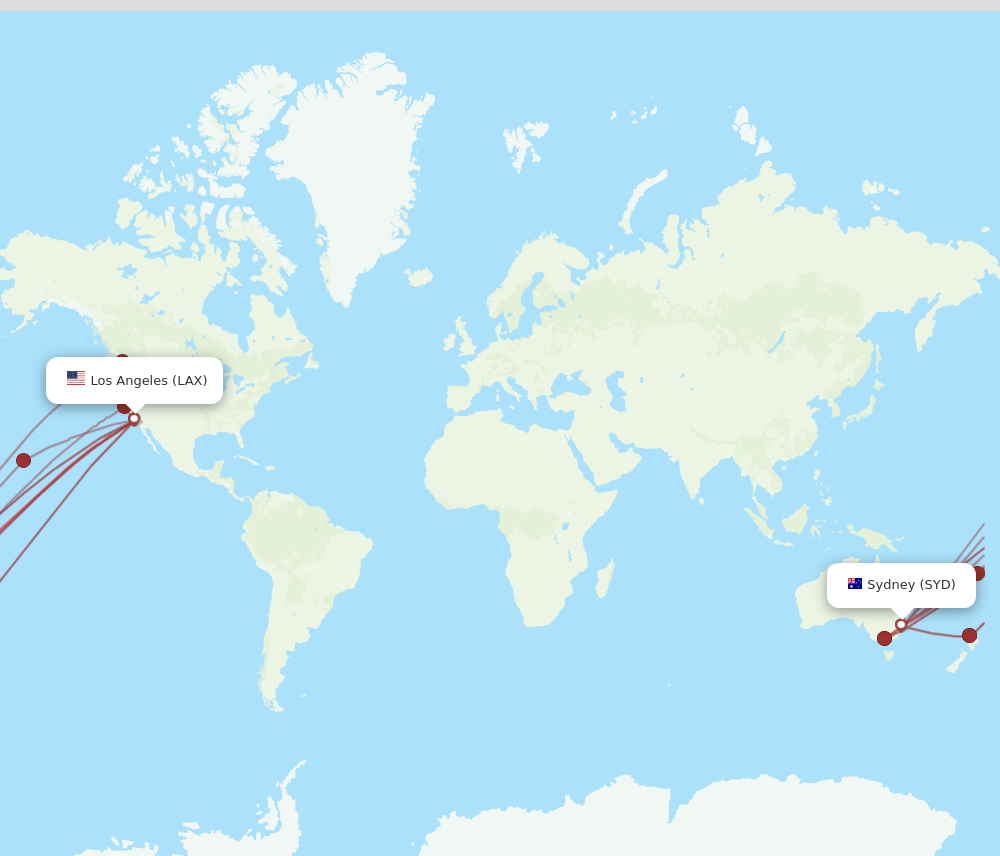
The significant time difference means you essentially “lose” a day when flying from California to Australia. For example, if you depart Los Angeles on a Monday evening, you will arrive in Sydney on a Wednesday morning. You will regain this day on your return journey. Factoring this into your itinerary is vital for scheduling activities and appointments.
The journey from California to Australia is undeniably long, typically ranging from 14 to 16 hours for direct flights to the major eastern cities. However, with careful planning, smart choices, and a focus on personal comfort, this substantial travel time can be managed effectively, setting the stage for an incredible experience Down Under.
LifeOutOfTheBox is a participant in the Amazon Services LLC Associates Program, an affiliate advertising program designed to provide a means for sites to earn advertising fees by advertising and linking to Amazon.com. Amazon, the Amazon logo, AmazonSupply, and the AmazonSupply logo are trademarks of Amazon.com, Inc. or its affiliates. As an Amazon Associate we earn affiliate commissions from qualifying purchases.