
California, a land of unparalleled diversity, stretches from sun-kissed beaches to towering mountain peaks, from bustling metropolises to serene deserts. For the intrepid traveler seeking to truly understand and explore this vast state, a fundamental question often arises: how is this colossal landscape administratively divided? The answer, while seemingly simple, unlocks a deeper appreciation for the state’s regional intricacies and serves as an invaluable guide for travel planning. Understanding the geographical and political subdivisions—its counties—is key to navigating the Golden State’s myriad attractions and experiences.
Unveiling California’s County Count: A Traveler’s Perspective
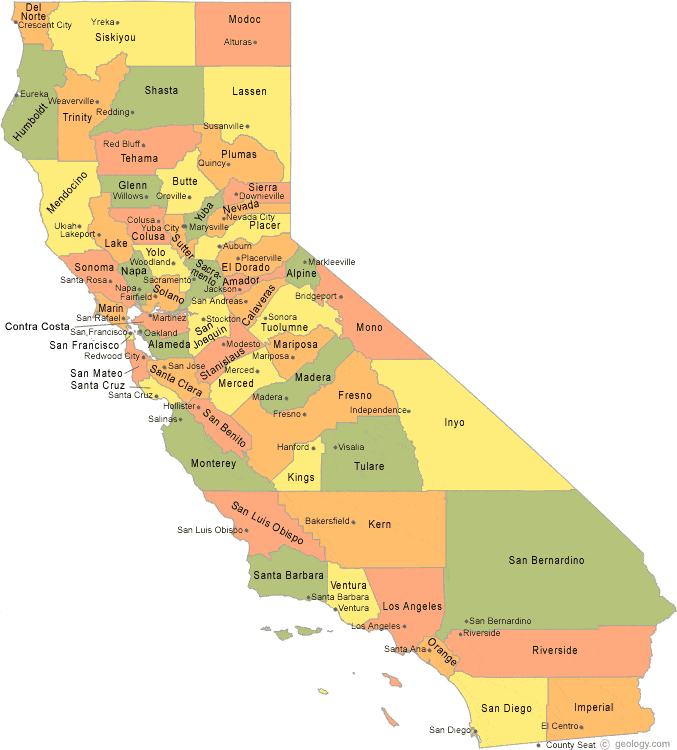
The Golden State is segmented into 58 distinct counties. This number is more than just a statistic; it represents a mosaic of unique environments, cultures, and economies that collectively form the fabric of California. For the traveler, these counties are not merely lines on a map but serve as vital frameworks, each often encapsulating its own set of attractions, micro-climates, local regulations, and distinctive vibes.
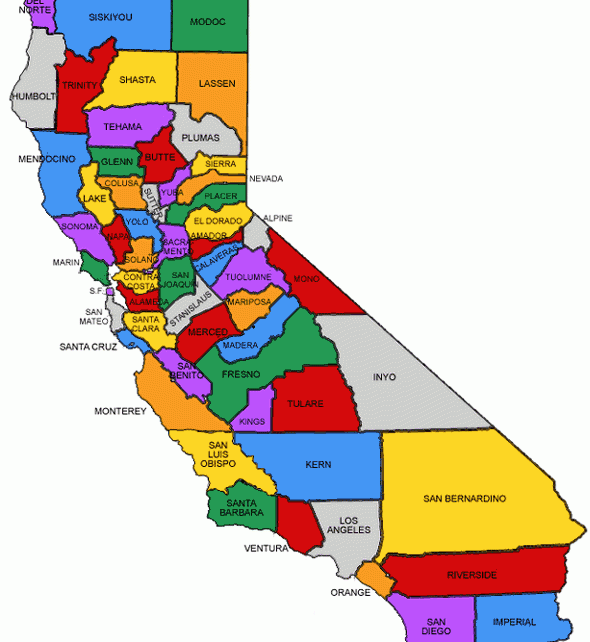
Think of each county as a mini-destination within the grand destination of California. While some counties are vast and sparsely populated, offering rugged wilderness and outdoor adventures, others are densely packed urban centers teeming with world-class dining, arts, and entertainment. From the sprawling desert expanses of San Bernardino County to the compact, iconic hills of San Francisco County, the diversity is astounding. Recognizing these divisions allows travelers to craft more focused itineraries, dive deeper into local cultures, and discover hidden gems that lie beyond the most famous landmarks. It empowers visitors to move beyond a superficial understanding of California to genuinely engage with its regional identities.
Navigating Diversity: Grouping California’s Counties for Travel
Given the sheer number and varied nature of California’s counties, it’s often helpful for travelers to think of them in larger regional groupings. This approach simplifies itinerary planning and highlights the distinct experiences available across the state.
Southern California’s Iconic Landscapes
This region is perhaps the most globally recognized, synonymous with entertainment, sun, and sand. It includes densely populated counties like Los Angeles County, home to Hollywood and endless urban attractions; Orange County, famous for its pristine beaches and theme parks like Disneyland Resort; and San Diego County, offering a vibrant city, historic sites, and beautiful coastlines. Further inland, Riverside County and San Bernardino County extend into the desert, providing access to unique ecosystems and national parks such as Joshua Tree National Park. Travelers to this region can expect a mix of bustling city life, family-friendly attractions, and tranquil desert retreats.
Central California: From Valleys to Coasts
Often overlooked in favor of its northern and southern counterparts, Central California offers a diverse range of experiences. Coastal counties like Santa Barbara County and San Luis Obispo County boast stunning beaches, charming towns, and burgeoning wine regions. Monterey County is renowned for its dramatic coastline along Highway 1 and the iconic Monterey Bay Aquarium. Moving eastward, the Central Valley counties, including Fresno County and Kern County, are the agricultural heartland, offering farm-to-table experiences and serving as gateways to spectacular national parks like Yosemite National Park, Sequoia National Park, and Kings Canyon National Park.
Northern California’s Charms and Wilderness
Northern California encompasses a wide array of attractions, from world-famous cities to ancient redwood forests. San Francisco County is a cultural hub, while Marin County, Sonoma County, and Napa County are synonymous with premium wine production and scenic vineyards. Further north, counties like Humboldt County and Shasta County are home to the majestic Redwood National and State Parks, pristine lakes, and volcanic landscapes, including Lassen Volcanic National Park. This region appeals to those seeking a mix of sophisticated urban experiences and rugged outdoor adventures amidst breathtaking natural beauty.
The Eastern Sierra and Mountainous Regions
The eastern side of the Sierra Nevada mountain range, primarily composed of Mono County and Inyo County, offers a stark contrast to the state’s coastal regions. This area is a haven for outdoor enthusiasts, with world-class skiing destinations like Mammoth Lakes, challenging hikes to peaks like Mount Whitney, and serene alpine lakes. Lake Tahoe, straddling the California-Nevada border, is accessible via counties like Placer County and El Dorado County, offering year-round recreation. This region provides an escape into high-altitude wilderness, perfect for hiking, fishing, skiing, and stargazing.
Beyond the Number: The County’s Role in Your California Itinerary
Understanding California’s 58 counties goes far beyond memorizing a number; it fundamentally shapes how a traveler experiences the state. County lines aren’t just administrative boundaries; they often demarcate significant shifts in local governance, cultural nuances, and available resources, all of which directly impact a travel experience.

Local Regulations & Resources
Travelers might encounter different regulations for everything from hiking permits in wilderness areas to specific alcohol sales laws or even noise ordinances, depending on the county. Knowing which county you’re in can help you quickly find relevant local government websites or tourist information centers for specific advice. For instance, obtaining a permit to hike certain trails in Inyo County might differ significantly from planning a beach bonfire in San Diego County. These local distinctions ensure a smooth and respectful visit.
Distinctive Local Flavor
Each county often cultivates its own unique identity and traditions. The bustling tech innovation of Santa Clara County stands in stark contrast to the rural ranching culture and vast open spaces of Modoc County in the far northeast. These differences manifest in local festivals, culinary specialties, artistic expressions, and the general pace of life. Exploring these county-specific nuances allows for a richer, more authentic travel experience, moving beyond the well-trodden tourist paths to discover the heart of California’s diverse communities.
Accessibility & Infrastructure
Major transportation hubs, such as international airports and major freeway interchanges, are predominantly located in certain counties, influencing travel logistics. While Los Angeles County and San Francisco County boast extensive public transit systems, many rural counties rely almost entirely on private vehicles. Understanding this can help travelers plan for rental cars, assess driving times, and factor in the availability of services like gas stations and accommodations, especially when venturing into less populated areas.
Planning by County: A Practical Approach
When planning a multi-stop California road trip, referencing a county map can be incredibly beneficial. It allows travelers to efficiently group destinations, minimize travel time between points of interest, and ensure a variety of experiences. For example, a wine enthusiast might focus on a journey through Napa County and Sonoma County, while an outdoor adventurer might prioritize sequential visits to Mono County and Inyo County for mountain pursuits. This granular level of planning reveals less obvious, yet equally rewarding, experiences often found slightly off the main tourist circuits but well within a particular county’s unique offering.
Discovering California’s True Breadth: From Smallest to Largest
The 58 counties of California are not uniform in size or population, and this variation significantly impacts the travel experience. Understanding these extremes provides a deeper appreciation for the state’s vastness and the distinct adventures each region offers.
The Giants: Sprawling Landscapes and Diverse Offerings
San Bernardino County stands as the largest county by area in the contiguous United States, encompassing over 20,000 square miles. This colossal size means travelers navigating it will encounter a bewildering range of landscapes, from the arid desert of Mojave National Preserve to the alpine forests of the San Bernardino Mountains. A journey across this county can involve hours of driving, emphasizing the need for meticulous planning, especially concerning fuel and accommodation. Its sheer scale means that even within a single county, travelers can switch from desert solitude to mountain recreation in a day.
In contrast, Los Angeles County, while large in area, is predominantly defined by its immense population, making it the most populous county in the U.S. It is a microcosm of California itself, offering an endless array of urban and cultural attractions, diverse neighborhoods, and a vibrant arts scene. Travel here involves navigating bustling cities, extensive freeway systems, and a density of attractions that require careful scheduling to avoid overwhelming oneself. The scale of both its offerings and its urban sprawl means a traveler could spend weeks here and still only scratch the surface.
The Compact Gems: Concentrated Experiences
On the other end of the spectrum, San Francisco County is the smallest county by area in California, yet it is arguably one of the most famous. Its compact size means that iconic landmarks like the Golden Gate Bridge, Alcatraz Island, and bustling neighborhoods are all within a relatively short distance, often walkable or easily accessible by public transport. This density allows for a concentrated, immersive urban experience without the need for extensive travel between sites.
Other smaller counties, often more rural and less populated, offer niche travel opportunities. For instance, Sierra County and Alpine County in the Sierra Nevada mountains are renowned for their unspoiled wilderness, ideal for hikers, campers, and those seeking true solitude. These counties, while small, offer intense, focused experiences for specific types of travelers who value nature and quiet over urban amenities.
Understanding these vast differences in county size and character is crucial for managing travel expectations and logistics. Whether planning a grand tour that traverses multiple counties or a focused deep dive into one specific region, recognizing the distinct nature of each of California’s 58 counties is the foundation for an unforgettable and well-executed travel adventure.
LifeOutOfTheBox is a participant in the Amazon Services LLC Associates Program, an affiliate advertising program designed to provide a means for sites to earn advertising fees by advertising and linking to Amazon.com. Amazon, the Amazon logo, AmazonSupply, and the AmazonSupply logo are trademarks of Amazon.com, Inc. or its affiliates. As an Amazon Associate we earn affiliate commissions from qualifying purchases.