
The allure of global cuisines is a cornerstone of any enriching travel experience. For many, exploring local food culture is as vital as visiting landmarks or engaging in unique activities. Sushi, with its delicate flavors and artistic presentation, has transcended its origins in Japan to become a global culinary phenomenon. Among its myriad forms, the California Roll holds a unique place, especially for travelers navigating diverse food scenes. Understanding the nutritional profile of such popular dishes is not merely about diet; it’s about making informed choices that enhance the overall tourism journey, allowing for both indulgence and well-being.

The California Roll in the Context of Culinary Tourism
The California Roll is more than just a dish; it’s a testament to culinary fusion and adaptation, embodying how food travels and evolves. For tourists, it often serves as an accessible entry point into the world of sushi, especially in regions outside of Japan. Its widespread availability, from high-end sushi restaurants in bustling cities like Los Angeles or New York to casual eateries and supermarket delis worldwide, makes it a frequent consideration for travelers seeking a quick, delicious, and often perceived as healthy, meal option. However, its simplicity belies a caloric reality that can vary significantly.
A Culinary Bridge: From Japan to the United States
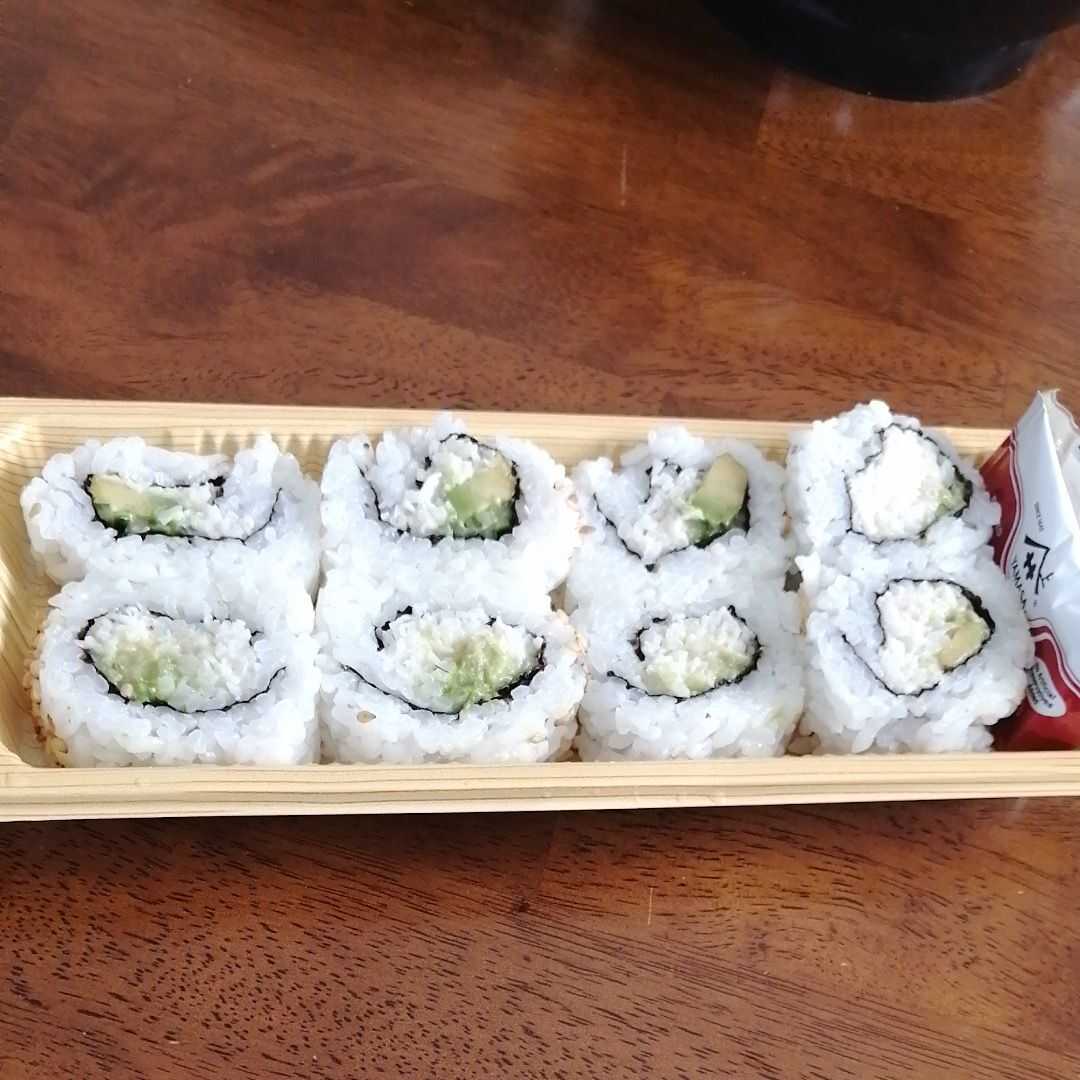
While often associated with Japanese cuisine, the California Roll is a prime example of culinary innovation that emerged in the United States during the 1960s or 70s. It was designed to appeal to Western palates, shying away from raw fish and instead utilizing cooked or imitation crab, avocado, and cucumber, all rolled inside-out with rice on the exterior. This innovation made sushi more approachable, removing perceived barriers for newcomers and contributing significantly to its global popularization. For tourists, it represents a bridge—a familiar flavor profile that can ease them into more traditional or adventurous sushi experiences as they explore different destinations. This accessibility makes it a common choice, but also one whose nutritional implications warrant closer inspection.
Decoding the California Roll: Core Ingredients
At its heart, a standard California Roll typically consists of:
- Sushi Rice: This forms the bulk of the roll. It’s seasoned with rice vinegar, sugar, and salt, which adds flavor but also contributes to its carbohydrate and caloric content.
- Imitation Crab Meat (Krab): Often made from surimi, a processed fish paste, seasoned and shaped to resemble crab. While lower in fat than real crab, its processing can introduce added sugars and sodium.
- Avocado: A creamy, nutrient-dense fruit rich in healthy monounsaturated fats, adding a significant amount of calories and flavor.
- Cucumber: Provides a refreshing crunch and is low in calories.
- Nori (Seaweed): The wrapper, rich in minerals, that typically holds the ingredients together, though in an inside-out roll, it’s usually inside the rice.
- Mayonnaise/Other Sauces: Many variations include a drizzle of spicy mayonnaise or other creamy sauces, which can substantially increase fat and calorie counts.
The combination of these ingredients, particularly the rice and avocado, along with any added sauces, determines the overall caloric load, a critical detail for travelers mindful of their dietary intake while enjoying the diverse culinary offerings of their destinations.
Understanding Nutritional Impact for the Discerning Traveler
For the health-conscious traveler, understanding the caloric content of a California Roll is key to balancing enjoyment with dietary goals. While sushi often has a reputation for being a healthy meal, the truth is that not all rolls are created equal, and the California Roll is a prime example of how ingredients can influence nutritional value.
Caloric Breakdown: What to Expect
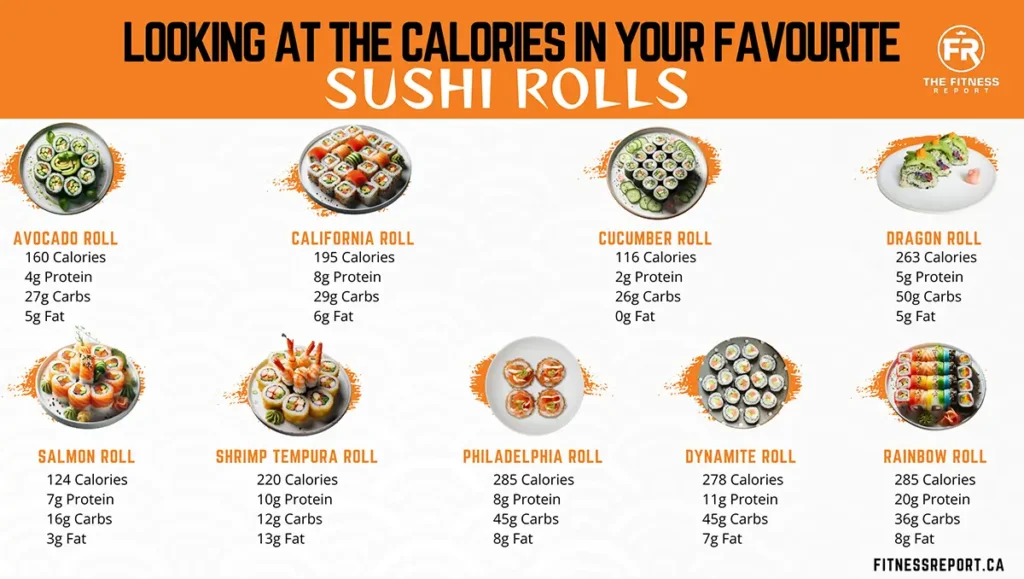
On average, a standard California Roll contains about 250 to 350 calories. This estimate is based on a roll comprising 6-8 pieces. To break this down further:
- Rice: The biggest contributor, with seasoned sushi rice providing roughly 150-200 calories per roll due to carbohydrates and sugar.
- Avocado: A moderate amount of avocado (around 1/4 to 1/3 of a medium avocado) can add 80-100 calories, primarily from healthy fats.
- Imitation Crab: This typically contributes a modest 20-40 calories.
- Cucumber/Nori: Negligible caloric contribution.
- Sauces: This is where calories can unexpectedly climb. A drizzle of spicy mayo can add an additional 50-100 calories per roll, depending on the quantity.
Therefore, a seemingly innocent six-piece roll can easily add up to a significant portion of a daily caloric intake, especially if it’s part of a larger meal or accompanied by other dishes and drinks, a common scenario for tourists indulging in a local culinary tour.
Factors Influencing Calorie Count
Several variables can cause the caloric content of a California Roll to fluctuate:
- Size of the Roll: Larger rolls or more pieces naturally mean more calories.
- Rice-to-Filling Ratio: Some establishments use more rice than others, increasing the carbohydrate and calorie count.
- Amount of Avocado: A generous portion of avocado, while healthy, adds more calories due to its fat content.
- Type and Quantity of Sauce: As mentioned, creamy, oil-based sauces can be calorie bombs.
- Preparation Method: Deep-fried elements or tempura can dramatically increase calories and unhealthy fats. While not standard for a classic California Roll, variations exist, especially in Westernized sushi restaurants.
- Restaurant Specifics: Each sushi establishment may have its own recipe and portion sizes, making it difficult to give an exact universal number.
Travelers should be mindful of these variations, especially when dining in diverse culinary landscapes where recipes might differ significantly from what they are accustomed to.
Balancing Indulgence and Health on the Go
For tourists who view food as an integral part of their journey, the goal isn’t necessarily to avoid calories, but to consume them mindfully. When enjoying a California Roll or any other local delicacy, consider the following:
- Portion Control: Opt for smaller rolls or share larger ones.
- Sauce Awareness: Ask for sauces on the side to control the amount you consume, or skip them altogether.
- Balanced Meals: Pair your roll with lighter options like edamame, miso soup, or a simple seaweed salad to create a more balanced meal.
- Activity Level: Factor in your daily activity. A day spent exploring a city on foot can justify a more calorically dense meal than a sedentary day.
This approach allows travelers to savor the culinary delights of a destination without derailing their health goals, ensuring energy levels remain optimal for exploration.
Navigating Sushi Menus: Beyond the California Roll
While the California Roll is a popular choice for tourists, the world of sushi offers a vast array of options. Understanding the nuances between different types can empower travelers to make more informed choices that align with their dietary preferences and cultural curiosity.
Traditional vs. Contemporary Sushi for Tourists
For travelers, the distinction between traditional and contemporary sushi is often critical for both cultural immersion and nutritional management.
- Traditional Sushi (Nigiri, Sashimi, Maki): In destinations like Japan, sushi often refers to nigiri (sliced fish over a small mound of rice) or sashimi (just sliced fish). These options are typically lower in calories and fat, especially sashimi, which is primarily lean protein. Traditional maki rolls often use less rice and simpler fillings (e.g., tuna, cucumber), making them generally lighter than their Westernized counterparts.
- Contemporary/Westernized Rolls: Beyond the California Roll, many restaurants in the United States and other Western countries offer “specialty rolls” which can be elaborate creations. These often include multiple types of fish, cream cheese, tempura-fried elements, generous amounts of rice, and decadent sauces, significantly increasing their caloric and fat content. While delicious and innovative, they require a discerning eye from the health-conscious tourist.
Embracing traditional options can often lead to a more authentic culinary experience while simultaneously offering a healthier profile.
Tips for Health-Conscious Sushi Choices While Traveling
To truly enjoy sushi as part of a balanced travel diet, consider these tips:
- Opt for Sashimi or Nigiri: These showcase the freshness of the fish with minimal rice, offering high protein and lower calories.
- Choose Simpler Maki Rolls: Rolls with single-ingredient fillings like cucumber (kappa maki) or tuna (tekka maki) are lighter.
- Beware of Cream Cheese and Tempura: These ingredients are common in many specialty rolls and are significant calorie additions.
- Limit Spicy Mayonnaise and Other Creamy Sauces: Ask for these on the side or avoid them entirely.
- Focus on Fish Variety: Enjoying a range of fish provides diverse nutrients. Fatty fish like salmon and tuna offer healthy omega-3s but are also higher in calories.
- Hydrate with Water or Green Tea: Avoid sugary drinks that add empty calories.
By implementing these strategies, tourists can navigate any sushi menu, from the humble California Roll to more adventurous options, with confidence and control.
Cultural Immersion Through Informed Food Choices
Culinary tourism is about more than just eating; it’s about understanding culture, local customs, and the stories behind the food. Making informed decisions about what we consume, including understanding calorie counts, is not about deprivation but about enhancing the overall experience.
Enhancing the Tourism Experience
When travelers are aware of the nutritional aspects of their food choices, it allows for a more intentional and enjoyable journey. Knowing, for example, that a California Roll typically contains between 250-350 calories helps in planning meals for the day, ensuring energy levels are sustained for exploring, sightseeing, and engaging with the local environment. This awareness reduces the likelihood of feeling sluggish or regretful, enabling a more vibrant and fulfilling cultural immersion. It empowers tourists to participate actively in the food culture without compromising their personal well-being.
Sustainable and Mindful Eating Practices
Beyond individual health, informed food choices align with principles of mindful and sustainable tourism. By being aware of ingredients, preparation methods, and nutritional values, travelers can also develop a deeper appreciation for the effort that goes into their food. Choosing fresh, locally sourced options, understanding portion sizes, and being conscious of what goes into popular dishes like the California Roll fosters a more respectful and engaged relationship with the destinations visited. It turns a simple meal into an opportunity for greater understanding and a more responsible way to travel.
LifeOutOfTheBox is a participant in the Amazon Services LLC Associates Program, an affiliate advertising program designed to provide a means for sites to earn advertising fees by advertising and linking to Amazon.com. Amazon, the Amazon logo, AmazonSupply, and the AmazonSupply logo are trademarks of Amazon.com, Inc. or its affiliates. As an Amazon Associate we earn affiliate commissions from qualifying purchases.