
California, a state synonymous with diverse landscapes, vibrant cities, and unparalleled natural beauty, stretches across a formidable distance from its northern border with Oregon to its southern frontier with Mexico. For travelers planning an epic adventure, understanding this vast expanse is not merely a matter of trivia but a crucial element in crafting an unforgettable journey. The answer to “How many miles is California from north to south?” reveals the sheer scale of experiences awaiting discovery, from ancient redwood forests to sun-drenched desert oases and everything in between.
The Golden State’s Grand Scale: Pinpointing the Distance
The exact north-to-south measurement of California can vary slightly depending on whether one calculates the shortest straight line or follows the natural contours of its borders and coastlines. Generally, California extends approximately 770 to 800 miles from its northernmost point, near the town of Smith River along the Oregon border, to its southernmost point, near the bustling border crossing of San Ysidro adjacent to Tijuana, Mexico.
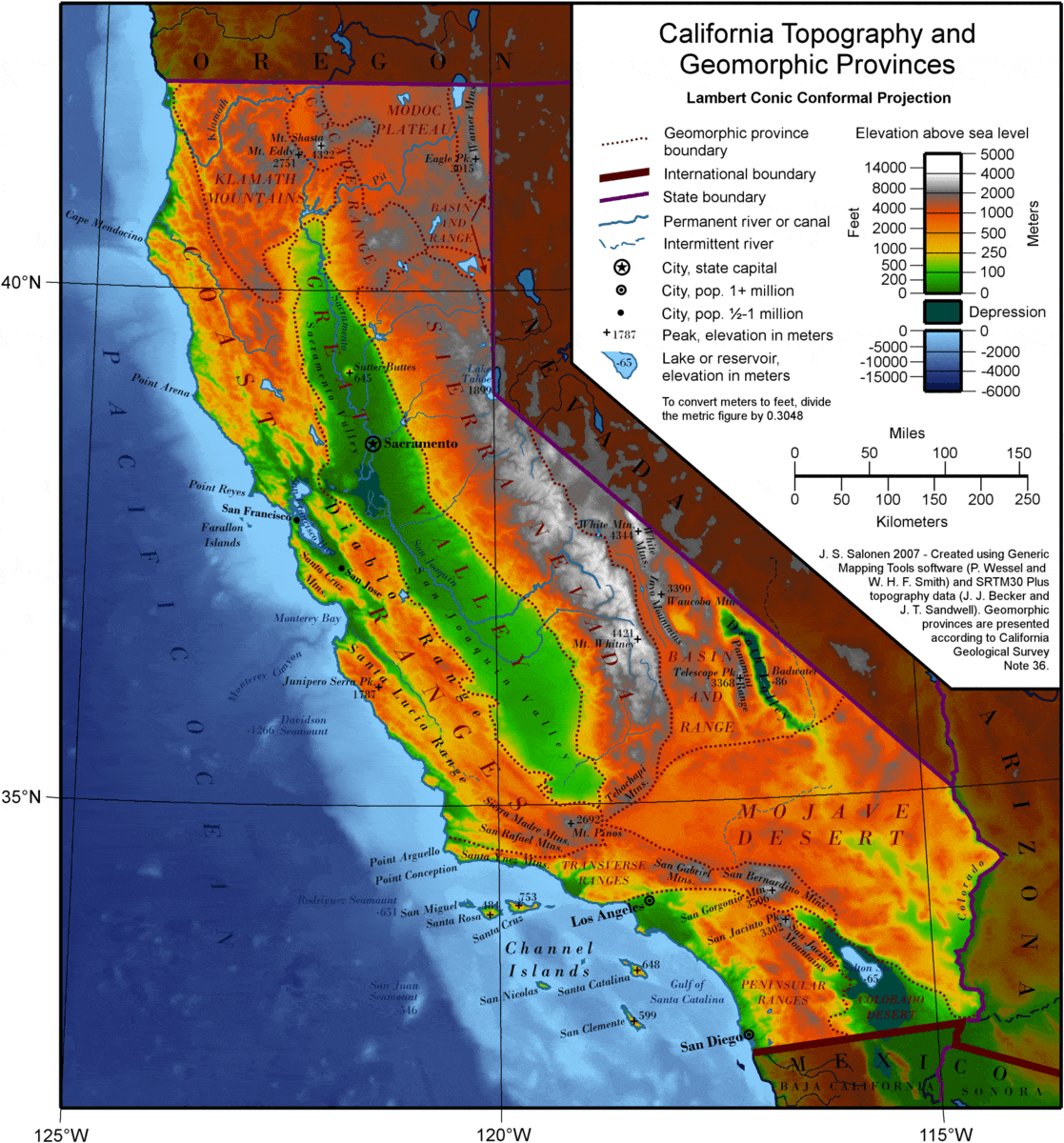
This remarkable length makes California the third-largest state by area in the United States (excluding Alaska and Texas), encompassing an incredible diversity of geographical features and climatic zones. To put this into perspective, traveling this distance would take approximately 12-14 hours of non-stop driving on the most direct routes, such as Interstate 5. However, to truly experience the state’s breadth and depth, such a journey demands days, if not weeks, of exploration. It’s a testament to California’s grandeur that a single state can offer such a profound range of environments and attractions along a single axis.
A Journey Through Diverse Landscapes: What 800 Miles Means
Traversing California from north to south is akin to embarking on an odyssey across multiple distinct regions, each boasting its own unique charm and natural wonders. This 800-mile stretch means encountering dramatic shifts in scenery, climate, and culture.
From Redwood Giants to Volcanic Peaks
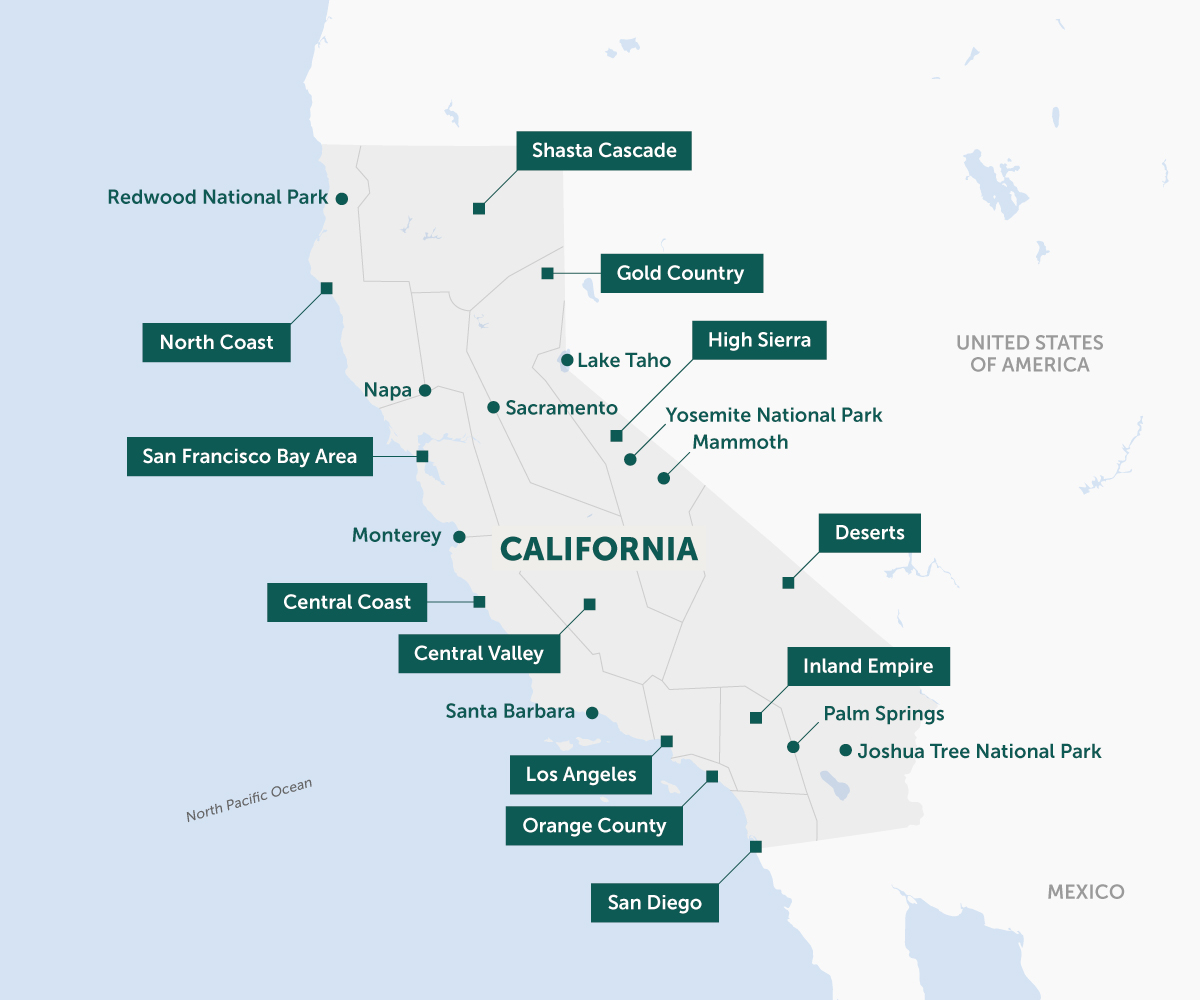
Beginning in Northern California, near the Oregon border, travelers are immediately immersed in the awe-inspiring majesty of the Redwood National and State Parks. Here, ancient groves of coast redwoods, the tallest trees on Earth, create an ethereal, mist-shrouded environment. Moving southward, the landscape transitions into the rugged wilderness of the Shasta Cascade region, dominated by the majestic, snow-capped peak of Mount Shasta and dotted with pristine lakes and volcanic formations like Lassen Volcanic National Park.
Coastal Beauty and Agricultural Heartlands
Further south, the iconic Pacific Coast Highway (Highway 1) begins to weave its way along a dramatic coastline, offering breathtaking ocean views, charming seaside towns like Mendocino and Carmel-by-the-Sea, and the world-renowned San Francisco Bay Area. Inland, the vast Central Valley unfolds, a fertile agricultural powerhouse that feeds much of the nation. Flanking the Central Valley to the east are the towering peaks of the Sierra Nevada mountain range, home to legendary national parks such as Yosemite, Sequoia, and Kings Canyon, where granite cliffs, ancient giant sequoias, and pristine alpine lakes await.
Southern Shores and Desert Wonders
As the journey continues into Southern California, the climate becomes warmer and drier. Urban sprawl gives way to the vibrant energy of Los Angeles and the relaxed coastal vibe of San Diego. Inland, the arid beauty of the Mojave Desert and Colorado Desert regions dominate, encompassing surreal landscapes like those found in Joshua Tree National Park and the extreme heat and stark beauty of Death Valley National Park, the lowest point in North America. This incredible geographical variance within 800 miles is precisely what makes California a dream destination for travelers seeking diverse experiences.
Epic Road Trips: Traversing California’s Length
The substantial north-to-south distance makes California an ideal destination for an epic road trip, offering multiple routes that cater to different travel styles and preferences.
The Iconic Coastal Route: Highway 1
For those prioritizing scenic beauty and charming stops, the Pacific Coast Highway (Highway 1) is the quintessential choice. While not a direct north-to-south artery for the entire state, it covers significant portions of the central and southern coastlines, offering unparalleled vistas of the Pacific Ocean. Travelers can wind through the dramatic cliffs of Big Sur, visit the famous Monterey Bay Aquarium, explore the artistic enclave of Carmel-by-the-Sea, and enjoy the laid-back elegance of Santa Barbara. This route is slower, often requiring significant detours and multiple days to appreciate fully, but the rewards are immeasurable. Sections of Highway 1 can be subject to closures due to landslides, so checking current road conditions is always essential.
The Inland Expressway: Interstate 5
For efficiency and speed, Interstate 5 offers the most direct path through the state, traversing the length of the Central Valley. While less scenic than the coastal drive, I-5 is practical for getting from Northern California to Southern California quickly. It provides a glimpse into California’s agricultural backbone and serves as a gateway to mountain parks like Yosemite and Sequoia via east-west connectors. This route is best for travelers whose primary goal is to cover ground and reach specific destinations, with potential for detours to attractions off the main highway.
The Blended Journey: Combining Routes
Many savvy travelers opt for a combination of routes. For instance, one might drive Interstate 5 for a stretch to save time and then veer off to explore the coast on Highway 1 or venture into the Sierra Nevada mountains. A complete north-to-south road trip, including significant stops and experiences, would ideally span 7 to 14 days, allowing ample time to soak in the beauty and diversity of the landscape without feeling rushed.
Key Stops Along the Way: North, Central, and South California Highlights
Embarking on a north-to-south journey through California allows travelers to stitch together an incredible tapestry of experiences.
Northern Charms
Starting in the far north, the aforementioned Redwood National and State Parks are a must-see. Further south, the rugged Mendocino Coast offers dramatic cliffs and charming villages. The sophisticated cultural hub of San Francisco, with its iconic Golden Gate Bridge, Alcatraz Island, and diverse neighborhoods, is an essential stop. Just north of San Francisco lies California’s renowned Wine Country, featuring the world-famous Napa Valley and Sonoma regions, perfect for tastings and picturesque drives.
Central California Wonders
Moving into Central California, the serene beauty of Lake Tahoe on the eastern border provides year-round recreation. The central coast is dotted with gems like Monterey and Carmel-by-the-Sea, celebrated for their natural beauty and cultural attractions. The legendary Big Sur coastline offers some of the most dramatic ocean views imaginable, with stops like Bixby Bridge. Inland, the majestic Yosemite National Park beckons with its towering granite formations, powerful waterfalls, and ancient sequoia groves. Nearby, Sequoia National Park and Kings Canyon National Park showcase some of the largest trees on Earth.
Southern California Icons
Finally, Southern California presents a vibrant array of attractions. The sprawling metropolis of Los Angeles offers everything from Hollywood glamour and world-class museums to beautiful beaches like Santa Monica and Malibu. Theme park enthusiasts will find Disneyland in Anaheim and Universal Studios Hollywood. Further south, San Diego charms visitors with its historic Gaslamp Quarter, Balboa Park, and pristine beaches. For a desert escape, Palm Springs offers mid-century modern architecture and relaxation, while the surreal landscape of Joshua Tree National Park provides unique hiking and stargazing opportunities.
Planning Your North-South California Adventure: Logistics and Considerations
Embarking on a journey across 800 miles of California requires thoughtful planning to maximize enjoyment and minimize stress.
Best Time to Travel
Spring (April-May) and Fall (September-October) are generally considered the best times for a north-to-south road trip. The weather is typically mild across most of the state, crowds are thinner than in summer, and the natural scenery is often at its peak (wildflowers in spring, fall colors in the mountains). Summer brings sunshine but also higher temperatures, especially inland, and can mean more tourists and higher prices. Winter can be beautiful, particularly in the mountains for snow sports, but coastal rain and potential road closures (e.g., Highway 1, mountain passes like Tioga Pass into Yosemite) require careful monitoring.
Vehicle Choice and Pacing
A reliable rental car is essential for this journey. Consider a vehicle with good fuel economy and ample luggage space. For a more adventurous experience, an RV can offer flexibility. Crucially, resist the urge to rush. While the distance can be covered in two long driving days, dedicating at least 7-10 days, and ideally 14 or more, will allow for meaningful stops, hikes, and exploration without feeling constantly behind the wheel. Budgeting for fuel, accommodation, food, and entrance fees for parks and attractions is also vital, as California can be a relatively expensive state to travel through.
Accommodation and Bookings
Especially during peak seasons, popular destinations like San Francisco, Yosemite, Big Sur, and San Diego can have limited and costly accommodation. Booking hotels, campsites, or other lodging well in advance is highly recommended. For national parks, campsite reservations can be competitive and often require booking months in advance.

Flexibility and Preparedness
Despite meticulous planning, flexibility is key. Road conditions can change rapidly, especially in mountainous or coastal areas. Always check for current road closures, particularly if traveling off major interstates or attempting routes like Highway 1 or mountain passes. Pack layers of clothing suitable for diverse climates, comfortable walking shoes, sun protection, and a camera to capture the stunning vistas.
The 800-mile stretch of California from north to south is not just a measurement; it’s an invitation to a grand adventure, a testament to the state’s incredible geographical and cultural richness. Each mile unveils a new landscape, a new experience, and a new reason to fall in love with the Golden State.
LifeOutOfTheBox is a participant in the Amazon Services LLC Associates Program, an affiliate advertising program designed to provide a means for sites to earn advertising fees by advertising and linking to Amazon.com. Amazon, the Amazon logo, AmazonSupply, and the AmazonSupply logo are trademarks of Amazon.com, Inc. or its affiliates. As an Amazon Associate we earn affiliate commissions from qualifying purchases.