
The vast and diverse landscape of California is home to an array of natural wonders, iconic architecture, and historical sites, each telling a piece of the state’s complex story. Among these are some of the most striking examples of industrial infrastructure, structures that, while not always celebrated for their aesthetic beauty, stand as powerful modern landmarks. Nuclear power plants, with their imposing scale and distinctive architectural forms, certainly fit this description. They represent significant chapters in human ingenuity, energy policy, and the indelible mark left on the environment. Understanding their presence—both past and present—offers a unique perspective on California’s industrial heritage and its evolving relationship with energy production.
California’s Energy Landscape: A Brief History of Nuclear Power as Landmark Architecture
For decades, nuclear power was seen as the future of energy, a clean and powerful solution to growing demands. California, a state at the forefront of technological advancement, naturally embraced this vision, commissioning several plants that would become significant features of its coastline and interior. These facilities, characterized by their massive containment domes, towering cooling towers, and intricate network of industrial buildings, were not just power generators; they were monumental expressions of mid-20th-century engineering prowess. Their construction often transformed local economies and reshaped skylines, establishing them as recognizable, albeit sometimes controversial, landmarks.
The Early Days: Ambition and Expansion
The mid-20th century saw a surge in nuclear power plant construction across the United States, and California was no exception. The state’s burgeoning population and booming industries created an insatiable demand for electricity. Nuclear energy, with its promise of abundant and reliable power, seemed like the perfect answer. Early plants were often designed with a sense of modernist grandeur, their concrete and steel forms reflecting a belief in progress and human mastery over nature. These early installations, such as the Humboldt Bay Power Plant, were pioneering efforts, pushing the boundaries of technology and establishing new types of industrial architecture. They became symbols of their era, embodying the ambition and optimism that defined post-war California.
Shifting Tides: Public Opinion and Regulation
As the decades progressed, public perception of nuclear power began to shift. Concerns about safety, environmental impact, and waste disposal grew, particularly in the wake of incidents like Three Mile Island and Chernobyl. In California, a politically active and environmentally conscious state, these concerns led to increased regulation, protests, and eventually, the planned closure of several facilities. This shift highlights how landmarks, even industrial ones, are not static entities but rather reflect changing societal values and historical contexts. The massive structures remained, but their symbolic meaning evolved, transforming from symbols of progress to objects of debate and, ultimately, historical markers of a bygone energy era.
The Remaining Sentinel: Diablo Canyon Power Plant
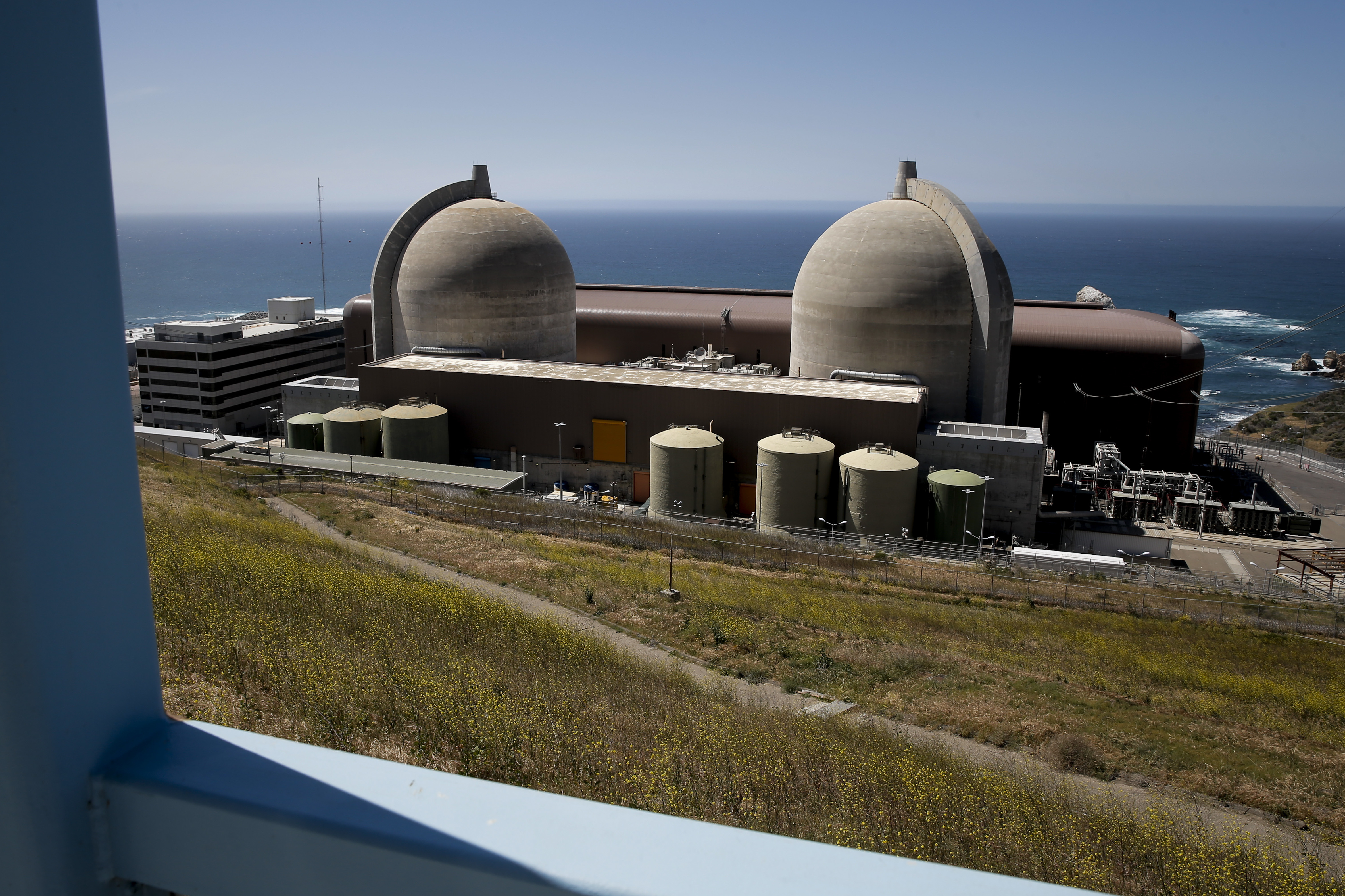
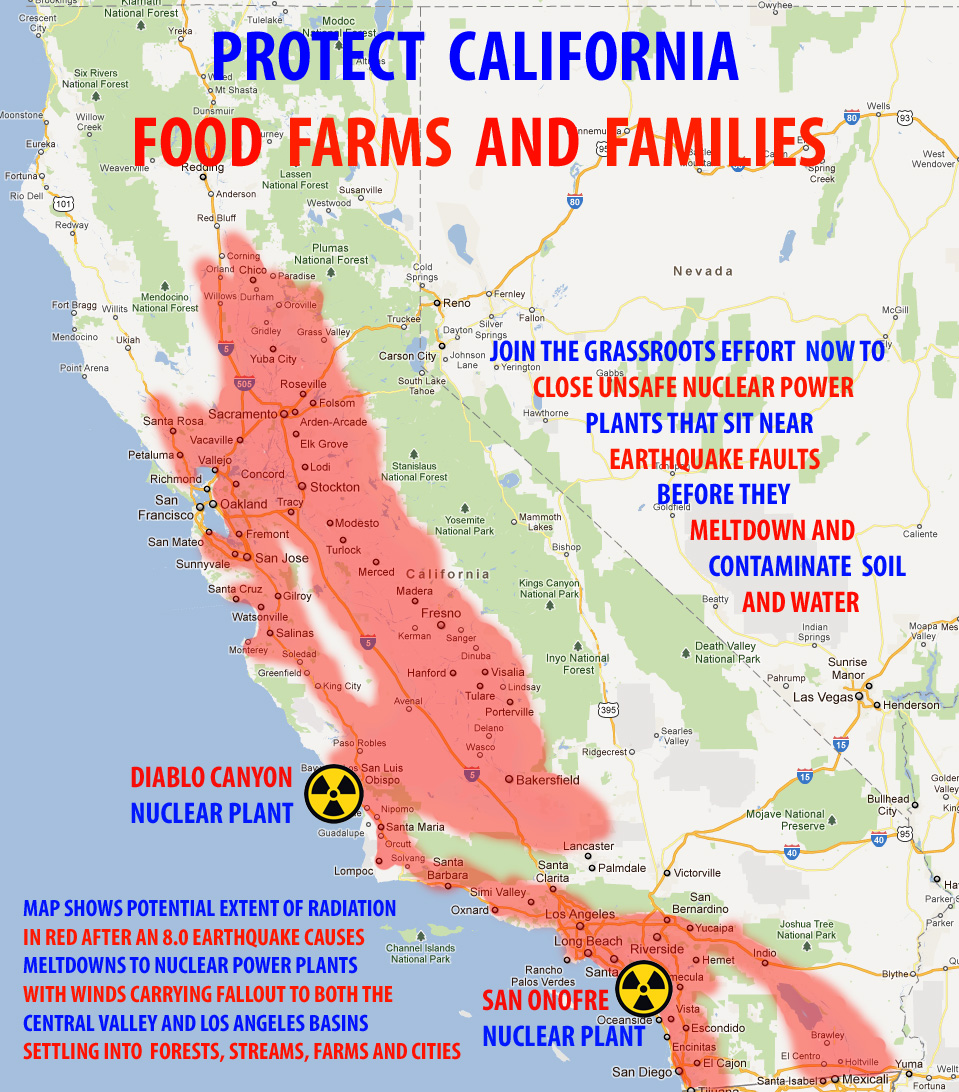
Today, as many of its predecessors have been decommissioned, only one operational nuclear power plant remains in California: the Diablo Canyon Power Plant. Situated on a remote stretch of coastline in San Luis Obispo County, this facility stands as the state’s last active nuclear landmark, a towering testament to nuclear engineering and a significant contributor to the state’s energy grid. Its future, like its past, is a subject of ongoing discussion, but its physical presence is undeniably impactful.
Location and Significance
The Diablo Canyon Power Plant is strategically located on some 750 acres of land, a placement chosen for its access to ocean water for cooling and its proximity to major transmission lines. Its remote setting adds to its imposing nature, making it a prominent feature along the rugged Central Coast. For many in the region, its iconic twin containment domes are a familiar sight, visible from various vantage points and serving as a navigational beacon for local mariners. Owned and operated by Pacific Gas and Electric Company (PG&E), Diablo Canyon has been a crucial source of carbon-free electricity for over 35 years, providing roughly 8% of California’s power. This long-standing contribution firmly establishes it not only as an industrial landmark but also as a historically vital component of the state’s infrastructure.
Architecture and Industrial Grandeur
The architecture of Diablo Canyon Power Plant exemplifies the brutalist and utilitarian design common to large-scale industrial facilities of its era. Its two pressurized water reactors are housed within massive, reinforced concrete containment domes, which are perhaps its most recognizable features. These domes, along with the adjacent turbine buildings, switchyards, and cooling water intake/discharge structures, create a complex of significant scale. The sheer size and robustness of these buildings are awe-inspiring, a clear demonstration of the colossal forces they are designed to contain and the immense power they harness. From an architectural perspective, Diablo Canyon is a prime example of functional design meeting monumental purpose, a stark and powerful visual statement etched into the California coastline.
Its Role as a Modern Landmark
While not a tourist attraction in the traditional sense, the Diablo Canyon Power Plant holds undeniable landmark status. It is a known point of reference, a topic of local and state-wide discussion, and a highly visible piece of infrastructure that has shaped both the physical and political landscape of California. Its historical significance, engineering marvel, and prominent location contribute to its identity as a modern landmark, much like a dam or a large bridge. It represents a particular era of energy development and stands as a physical manifestation of a crucial debate about energy independence, environmental impact, and technological risk. Even as its operational years draw to a close, its imposing presence will likely continue to spark conversation and hold a place in California’s industrial lore.
Decommissioned Giants: Remembering California’s Past Nuclear Landmarks
Beyond Diablo Canyon, California was once home to several other nuclear power plants, each with its own story and its own lasting physical footprint. Though no longer generating electricity, these sites remain significant landmarks, reminders of the state’s past energy ambitions and the complex process of deconstruction and environmental remediation. Their former structures, or the absence of them, tell a compelling story of technological evolution and societal shifts.
San Onofre Nuclear Generating Station
Perhaps the most visually striking and widely recognized of California’s decommissioned plants is the San Onofre Nuclear Generating Station (SONGS), located in San Diego County between the coastal cities of Oceanside and San Clemente. Famous for its distinctive twin containment domes, which resembled enormous breasts (earning it the affectionate nickname “nuclear nipples” from locals), SONGS was an iconic landmark along Interstate 5, visible to millions of travelers annually. Operated by Southern California Edison, it ceased operations in 2012. The subsequent demolition of its domes in 2020 was a highly publicized event, marking the end of an era. Though the domes are gone, the site itself, with its spent fuel storage and ongoing decommissioning work, remains a historical and environmental landmark, a testament to the cycles of industrial development and closure.
Rancho Seco Nuclear Generating Station
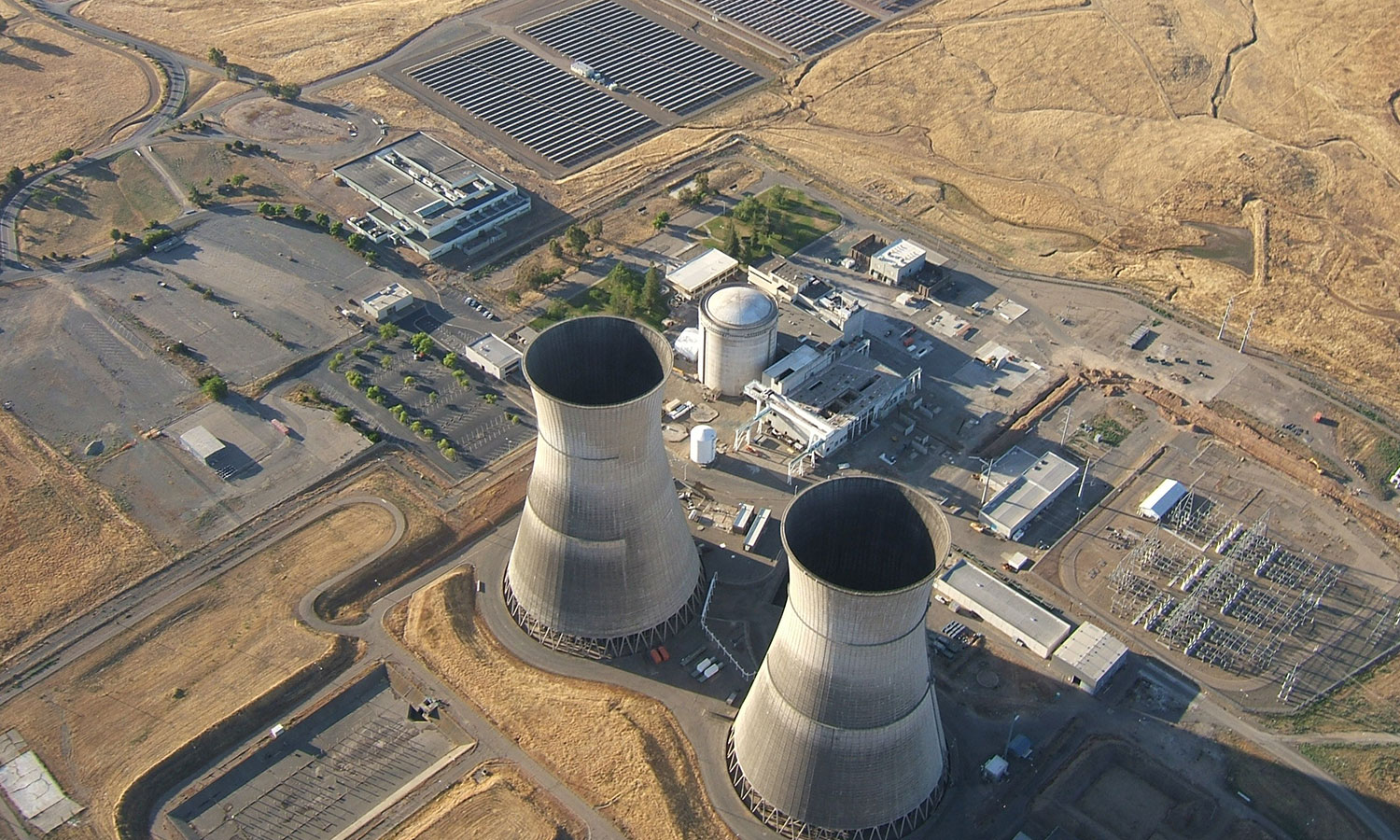
Inland, southeast of Sacramento in Sacramento County, lies the site of the Rancho Seco Nuclear Generating Station. Operated by the Sacramento Municipal Utility District (SMUD), this plant had a relatively short operational life, closing down in 1989 after a local ballot measure. While its reactor and associated structures have largely been dismantled, the site itself, now repurposed partly as a solar farm and a recreation area (Rancho Seco Park), still holds significance as a historical landmark. The remaining administrative buildings and infrastructure ghost a past industrial purpose, offering a unique example of adaptive reuse where the memory of a powerful nuclear facility is integrated into a public park setting, contrasting its former monumental presence with tranquil recreation.
Humboldt Bay Power Plant
The earliest commercial nuclear power plant in California was the Humboldt Bay Power Plant, located near Eureka in Humboldt County. This pioneering boiling water reactor unit, operated by Pacific Gas and Electric Company, operated from 1963 to 1976. Due to seismic concerns and economic factors, it was shut down and subsequently underwent a lengthy decommissioning process, becoming a national model for safely dismantling a nuclear facility. While the original nuclear components are no longer visible, the site is an important landmark for its historical role as a vanguard of nuclear technology in the state. Its unique architecture, particularly its containment vessel, was significant for its time, and the entire complex, even in its dismantled state, represents a foundational moment in California‘s energy history. The lessons learned from its decommissioning contribute to the understanding of how such industrial landmarks transition post-operation.
The Future of Nuclear Landmarks in California
The narrative of nuclear power plants in California is one of ambitious beginnings, evolving public discourse, and inevitable transformation. While the number of operational plants has dwindled to just one, the physical and historical significance of these sites endures. As Diablo Canyon Power Plant approaches its planned retirement, the state will face further questions about how to manage these industrial behemoths once their primary function ceases.
Preservation of Industrial Heritage
The structures of nuclear power plants, whether operational or decommissioned, are an integral part of California’s industrial heritage. They represent monumental engineering achievements and significant historical investments. The question of how to preserve or commemorate these sites as landmarks is increasingly relevant. While complete preservation of active components is impractical and unsafe, the historical significance of these locations, their unique architecture, and their impact on the surrounding communities warrant consideration. Future plans might involve interpretive centers, historical markers, or the integration of remaining structures into new uses, much like the adaptive reuse seen at Rancho Seco. This approach allows the legacy of these landmarks to continue, educating future generations about the ambitious energy choices of the past.
Educational and Scientific Importance
Beyond their physical presence, these nuclear sites hold immense educational and scientific value. They serve as tangible examples of large-scale infrastructure projects, illustrating complex engineering principles and the challenges of managing powerful technologies. For scientists, engineers, and policymakers, the decommissioning processes at Humboldt Bay and San Onofre provide invaluable case studies for future industrial closures and environmental remediation efforts. As landmarks, they offer a unique lens through which to examine California’s journey through industrialization, its relationship with advanced technology, and its ongoing pursuit of sustainable energy solutions. These sites, whether imposing or subtly integrated into the landscape, are more than just power generators; they are enduring markers of human ambition and adaptation.
LifeOutOfTheBox is a participant in the Amazon Services LLC Associates Program, an affiliate advertising program designed to provide a means for sites to earn advertising fees by advertising and linking to Amazon.com. Amazon, the Amazon logo, AmazonSupply, and the AmazonSupply logo are trademarks of Amazon.com, Inc. or its affiliates. As an Amazon Associate we earn affiliate commissions from qualifying purchases.