
Understanding the demographic landscape of a destination is often the first step in truly appreciating its character and planning an insightful visit. San Jose, California, stands as a prime example, with its substantial population defining much of its identity, infrastructure, and unique appeal as a travel destination. As the largest city in Northern California by population and a cornerstone of the global technology hub, Silicon Valley, its nearly one million residents sculpt an urban experience unlike any other.
The most recent official estimates place San Jose’s population at roughly 971,233 as of 2023, according to the U.S. Census Bureau. This figure firmly establishes it as the third-largest city in California (after Los Angeles and San Diego) and the 10th most populous in the United States. This impressive density not only reflects its economic vibrancy but also shapes the breadth of its cultural offerings, the efficiency of its public services, and the overall ambiance a traveler experiences. For visitors, San Jose’s population size translates into a city that is simultaneously sprawling and intimate, buzzing with innovation yet grounded in community.

San Jose’s Population: A Snapshot of Silicon Valley’s Core
The sheer volume of people calling San Jose home immediately positions it as a major metropolitan area. Situated at the southern tip of San Francisco Bay, San Jose serves as the economic, political, and cultural epicenter of Silicon Valley. This high concentration of residents is a direct consequence of its thriving tech industry, which has attracted talent and families from across the globe for decades. The consistent growth, even amid the ebbs and flows of the tech economy, underscores its enduring appeal as a place to live, work, and visit.
For travelers, this population density creates a dynamic environment. Unlike some older, more vertically built cities, San Jose offers a more spread-out urban landscape. Its expansive footprint means that while the city is large, specific neighborhoods maintain distinct identities. From the bustling Downtown San Jose to the upscale shopping of Santana Row and the historic charm of JapanTown, each area provides a different facet of the city’s character. Understanding the scale of its population helps travelers appreciate the extensive infrastructure—from a comprehensive public transit system to numerous parks and recreational facilities—designed to serve its many inhabitants. It also hints at the diverse range of services, dining options, and cultural venues that thrive in a city of this size.
Demographic Tapestry: What the Numbers Mean for Travelers
The story of San Jose’s population is not just about its numbers but also about its composition. The city is renowned for its remarkable diversity, a direct reflection of its role as a global magnet for innovation. This rich demographic tapestry profoundly influences the traveler’s experience, offering a vibrant mosaic of cultures, cuisines, and community events.
A Hub of Innovation and Diversity
San Jose’s population is incredibly diverse, with significant Asian, Hispanic, and White communities, alongside a substantial representation of other ethnic groups. This blend of cultures is evident in nearly every aspect of daily life and travel. For instance, the culinary scene in San Jose is a direct beneficiary of its diverse residents. Travelers can embark on an authentic gastronomic journey, savoring everything from exquisite Vietnamese pho in Little Saigon to traditional Mexican fare in the East Side and delectable Japanese ramen in JapanTown. Each neighborhood proudly showcases its heritage through family-run restaurants, specialty markets, and annual festivals.
Beyond food, this diversity fuels a rich calendar of cultural events throughout the year. Visitors might stumble upon a vibrant Dia de los Muertos celebration, an energetic Lunar New Year parade, or a lively San Jose Jazz Festival. These events are not merely tourist attractions but authentic expressions of the communities that call San Jose home, offering travelers a deeper, more meaningful engagement with the local culture. The presence of major educational institutions like San Jose State University further enriches this dynamic, bringing a youthful energy and academic perspective to the city’s intellectual and social life.
Urban Sprawl vs. Concentrated Cores
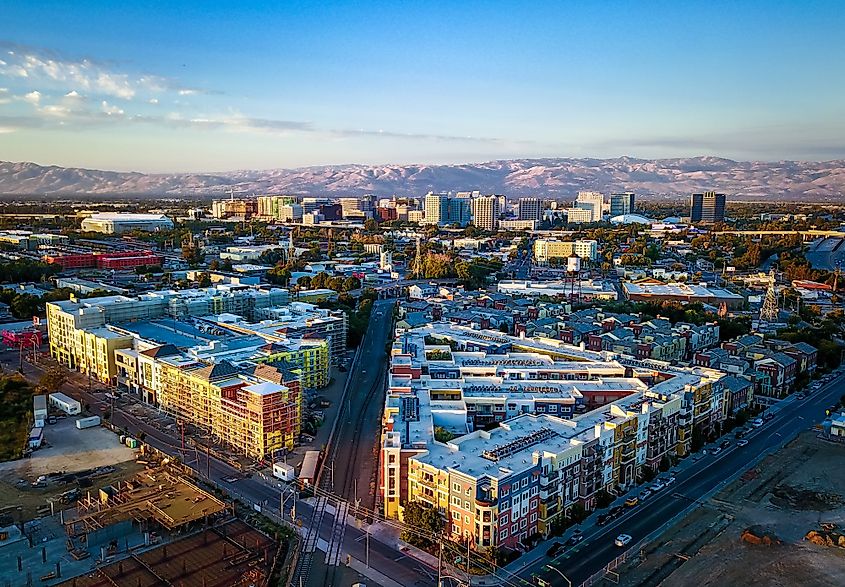
A city with nearly a million people can often feel overwhelming, but San Jose’s urban design cleverly balances widespread residential areas with several concentrated activity cores. The city’s large geographical area—covering over 180 square miles—allows its significant population to spread out, resulting in a less claustrophobic feel than one might expect from a city of its size.

However, key areas like Downtown San Jose serve as bustling hubs for entertainment, business, and cultural institutions. Here, high-rise buildings mingle with historic architecture, offering travelers an urban core complete with theaters, museums, and a thriving nightlife. Other commercial and lifestyle centers, such as Santana Row, provide pedestrian-friendly environments with upscale shops, fine dining, and lively patios. Understanding this balance helps travelers navigate the city effectively, allowing them to choose between exploring quiet residential neighborhoods with hidden gems or immersing themselves in the vibrant energy of its commercial districts.
Navigating San Jose: Population Density and Visitor Experience
The population size and distribution significantly impact how visitors experience San Jose. From transportation to the sheer volume and variety of attractions, the city’s demographics are inextricably linked to the practicalities and pleasures of travel.
Getting Around
With a population approaching one million, efficient transportation is paramount. While many residents rely on personal vehicles, leading to the familiar Bay Area traffic during peak hours, San Jose also boasts a well-developed public transportation network. The Valley Transportation Authority (VTA) operates an extensive system of buses and light rail that connects various parts of the city and links to regional services like Caltrain, which provides commuter rail service up the Peninsula to San Francisco.
For travelers, leveraging public transit can be an excellent way to explore, especially within Downtown San Jose and to key attractions without the hassle of parking. Ride-sharing services are also readily available, offering convenient point-to-point travel. Those planning to explore the broader Silicon Valley or take scenic drives will likely opt for a rental car, but it’s essential to factor in potential traffic delays due to the high volume of daily commuters.
Attractions for Every Interest
A city of nearly a million people supports a vast array of attractions and activities catering to diverse tastes and demographics. San Jose’s size ensures there’s something for everyone, whether traveling solo, with family, or on business.
For tech enthusiasts and curious minds, The Tech Interactive offers hands-on science and technology exhibits. Art lovers can explore the impressive collections at the San Jose Museum of Art, while history buffs will be captivated by the enigmatic Winchester Mystery House, a sprawling mansion with a fascinating past. Families with children will find delight at Happy Hollow Park & Zoo, offering rides, animal encounters, and play areas.
Beyond these staples, the city’s large population has fostered niche attractions and vibrant community spaces. The historic Rose Garden provides a serene escape, while various urban parks offer green spaces for relaxation and recreation. The sheer scale of the population guarantees a constant turnover of new restaurants, shops, and entertainment venues, ensuring that even frequent visitors will always find something fresh to discover. This rich ecosystem of attractions is a direct result of the large and diverse residential base that supports and demands such variety.
San Jose’s Future: Growth and Its Implications for Travel
San Jose’s population has shown remarkable resilience and growth over the decades, driven by its status as a global technology hub. While growth rates can fluctuate, the general trend points towards continued expansion, albeit at a potentially slower pace compared to past boom periods. This ongoing evolution has significant implications for future travel experiences.
Continuous population growth will likely spur further infrastructure development, potentially leading to enhanced public transit options, new commercial districts, and expanded cultural facilities. As more people choose to call San Jose home, the demand for diverse services and entertainment will only increase, enriching the options available to travelers. The city’s commitment to urban planning and sustainability will guide this growth, aiming to maintain its quality of life while accommodating a larger populace.
For travelers, this means San Jose will remain a dynamic and evolving destination. New hotels, innovative dining concepts, and perhaps even more specialized cultural institutions will emerge, mirroring the changing demographics and interests of its residents. Staying abreast of these developments will be key for those seeking to experience the cutting edge of Silicon Valley’s lifestyle and culture. The city’s population isn’t just a number; it’s a living, breathing force that continually shapes San Jose into the compelling and multifaceted destination it is today and will be tomorrow.
LifeOutOfTheBox is a participant in the Amazon Services LLC Associates Program, an affiliate advertising program designed to provide a means for sites to earn advertising fees by advertising and linking to Amazon.com. Amazon, the Amazon logo, AmazonSupply, and the AmazonSupply logo are trademarks of Amazon.com, Inc. or its affiliates. As an Amazon Associate we earn affiliate commissions from qualifying purchases.