
Understanding the financial landscape for professors in California is a complex endeavor, reflective of the state’s diverse economy, varied academic institutions, and notoriously high cost of living. For many considering an academic career, or those already within the ivory towers of the Golden State, salary is a critical component of their overall lifestyle and financial well-being. California boasts some of the world’s leading universities, attracting top talent, but it also presents unique economic challenges that frame how professorial salaries translate into actual purchasing power and quality of life.
Understanding the Academic Landscape in California
California’s higher education system is vast and multifaceted, broadly categorized into three main types of institutions: the University of California (UC) system, the California State University (CSU) system, and a significant number of private universities, alongside an extensive network of community colleges. Each of these systems has a distinct mission, funding structure, and, consequently, different salary scales for its faculty.

The University of California system, comprising ten campuses including renowned institutions like UC Berkeley, UCLA, and UC San Diego, is primarily research-focused. Faculty members are often expected to maintain active research agendas, secure grants, and publish extensively, in addition to teaching responsibilities. This emphasis on research and global prominence typically translates to higher salary structures compared to other public institutions.
The California State University system, with 23 campuses such as San Diego State University, San Francisco State University, and Cal Poly San Luis Obispo, is the largest four-year public university system in the United States. Its mission is predominantly teaching-oriented, focusing on undergraduate and master’s level education to meet the state’s workforce needs. While research is encouraged, the primary emphasis is on instruction and student success, leading to a different salary framework.
Private universities like Stanford University and the University of Southern California operate independently, with their own endowments, funding models, and highly competitive hiring practices. Salaries at these institutions can vary significantly, often reflecting their prestige, financial resources, and the market demand for specific disciplines. Finally, California’s community college system provides accessible education and vocational training, with faculty salaries generally lower than four-year universities but still offering competitive compensation packages for teaching-focused roles.
Several factors influence a professor’s salary within these systems: their academic rank (Assistant, Associate, or Full Professor), their discipline or field of expertise, years of experience, and the specific campus location. Furthermore, administrative duties, additional grants, and external consulting opportunities can supplement base salaries, making the overall compensation picture quite dynamic.
Salary Ranges Across California’s Higher Education Systems
Professorial salaries in California exhibit considerable variation based on the institution type and academic position. Understanding these ranges is key for anyone evaluating an academic lifestyle in the state.
University of California (UC) System Salaries
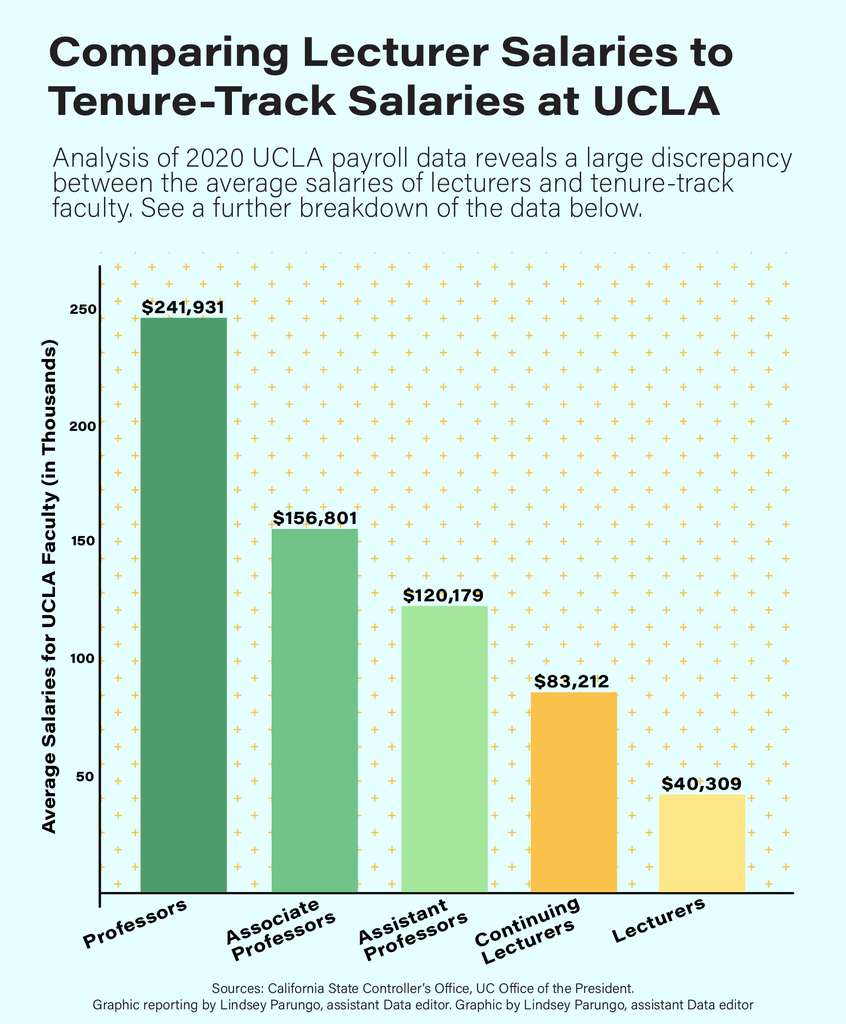
The University of California system generally offers the highest salaries for professors among public institutions in California. This is largely due to its research-intensive focus, its global reputation, and its ability to attract leading scholars. For instance, a full professor at a major UC campus like UC Berkeley or UCLA might command an average base salary ranging from $150,000 to over $250,000 annually, depending on their department, experience, and any endowed positions. Assistant Professors, typically in their probationary period, might start in the range of $80,000 to $120,000, while Associate Professors, who have achieved tenure, could earn between $100,000 and $180,000. These figures can be significantly higher in high-demand fields such as medicine, engineering, computer science, and business, where professors can earn well over $300,000. Campuses like UC San Francisco, which is entirely dedicated to health sciences, often see even higher averages for its medical faculty.
[California State University](https://lifeoutofthe Lizzy.com/california-state-university) (CSU) System Salaries
The California State University system, with its teaching-centric mission, offers competitive but generally lower salaries compared to the UC system. A full professor at a CSU campus like San Diego State University or California State University Long Beach might earn an average base salary between $100,000 and $160,000. Assistant Professors typically start in the $60,000 to $90,000 range, while Associate Professors can expect to make between $80,000 and $130,000. While these figures are lower than their UC counterparts, they still represent a respectable income, especially when considering the significant impact CSU faculty have on regional development and student success. Salary variations within the CSU system can also exist based on location, with campuses in more expensive areas like San Jose State University sometimes offering slightly higher compensation to attract and retain talent.
Private Universities and Community Colleges
Private universities in California, such as Stanford University, the University of Southern California, and the California Institute of Technology (Caltech), often boast some of the highest professorial salaries in the state, and indeed, the nation. Compensation at these institutions can be exceptionally competitive, especially for top-tier researchers and leaders in specialized fields. Full professors at institutions like Stanford can easily earn upwards of $200,000 to $350,000, with some superstar professors, particularly in engineering, business, or medicine, exceeding $500,000 or more, often supplemented by significant research grants and consulting opportunities. These figures, however, represent a highly selective segment of the academic market.
Community college professors in California generally earn salaries that are lower than those at four-year universities but are often quite competitive within the teaching-focused sector. A full-time tenured community college professor can expect to earn an average annual salary ranging from $70,000 to $120,000, with experienced faculty in certain high-demand vocational fields potentially earning more. These positions primarily involve teaching and student advising, with less emphasis on research.
The Role of Discipline and Rank in Professor Salaries
Beyond the type of institution, a professor’s field of expertise and their academic rank are crucial determinants of their earning potential in California.
High-Demand Fields
Salaries for professors are not uniform across all academic disciplines. Fields that are in high demand in the industry, or those that generate significant research funding, tend to offer much higher compensation. STEM (Science, Technology, Engineering, and Mathematics) disciplines consistently lead the pack. Professors in computer science, electrical engineering, bioengineering, and data science can expect substantially higher salaries due to the intense competition for talent from the technology sector and the vast research opportunities available. Similarly, faculty in Business Schools, particularly those specializing in finance, marketing, or entrepreneurship, often command premium salaries, especially at prestigious institutions located near major economic hubs like San Francisco or Los Angeles. Law and Medical school professors, especially those with clinical appointments or specialized expertise, are also among the highest earners.
In contrast, professors in the humanities, social sciences, and arts generally face more constrained salary ranges. While invaluable to a well-rounded education, the market demand and external funding opportunities for these fields often don’t match those of STEM or professional schools, leading to lower average salaries. For example, an English professor might earn considerably less than a computer science professor, even at the same institution and rank.
Assistant, Associate, and Full Professor Compensation
The progression through academic ranks—Assistant, Associate, and Full Professor—is typically accompanied by significant salary increases.
- Assistant Professors are entry-level, typically pre-tenure positions. Their salaries are foundational, reflecting their potential and initial contributions to teaching and research. They are expected to build their research portfolio and establish themselves in their field.
- Associate Professors have achieved tenure, a critical milestone signifying job security and a proven track record of teaching, research, and service. Their salaries reflect this increased responsibility and commitment to the institution, often seeing a notable jump from their assistant professorship.
- Full Professors are at the pinnacle of their academic careers. They have demonstrated sustained excellence in all aspects of their profession, often holding leadership roles, securing significant grants, and making substantial contributions to their field. Their salaries are the highest, reflecting their vast experience, reputation, and ongoing impact.
Beyond these base salaries, professors can also increase their overall compensation through various avenues. These include summer research stipends, administrative supplements for roles like department chair or dean, successful grant acquisition that often comes with a portion allocated for the principal investigator’s salary, and consulting work outside the university.
Cost of Living vs. Professor Salaries in California
While professor salaries in California can appear impressive on paper, particularly at the UC and private institutions, it’s impossible to discuss compensation without addressing the state’s extraordinarily high cost of living. This is perhaps the most significant factor influencing a professor’s lifestyle and financial comfort in the Golden State.
High Cost of Living Areas
Regions like the San Francisco Bay Area, Los Angeles, and San Diego are among the most expensive places to live in the United States. Housing costs, in particular, are astronomical. For example, buying a median-priced home in many parts of the Bay Area can easily exceed $1.5 million, requiring a substantial down payment and hefty monthly mortgage payments. Even renting an apartment can consume a significant portion of a professor’s salary.
Beyond housing, everyday expenses such as groceries, utilities, transportation, and childcare are also considerably higher than the national average. California also has a progressive state income tax structure, meaning higher earners will pay a larger percentage of their income in taxes. These factors can significantly erode the purchasing power of even a high professorial salary. A professor earning $150,000 in San Francisco might find their disposable income comparable to or even less than a professor earning $90,000 in a lower cost-of-living state. This disparity often forces faculty, especially junior professors, to live further from their campuses, enduring long commutes, or to make significant lifestyle adjustments.
Regional Variations
The cost of living is not uniform across all of California. While coastal metropolitan areas are the most expensive, inland regions, such as the Central Valley (e.g., Fresno, Sacramento, UC Davis areas) or some parts of Southern California away from the immediate coast (e.g., UC Riverside), offer a relatively lower cost of living. Campuses in these areas, while still commanding competitive salaries, might see their faculty enjoy a higher quality of life for the same income level compared to their counterparts in Los Angeles or Berkeley. For instance, a professor at UC Merced might have more financial flexibility in the local housing market than a professor at UCLA, even if their base salaries are different. This regional disparity means that the “lifestyle” afforded by a professorial salary can vary dramatically depending on the specific campus location.

Beyond Base Salary: Total Compensation and Lifestyle
Evaluating a professor’s earnings in California requires looking beyond just the base salary to the total compensation package and the intrinsic benefits of the academic lifestyle.
Universities typically offer a robust benefits package that significantly adds to a professor’s overall compensation. This usually includes comprehensive health insurance for the professor and their family, generous retirement plans (e.g., defined benefit pensions or 403(b) matching contributions), tuition remission or fee waivers for dependents attending the same university system, and sometimes relocation assistance or housing support programs in high-cost areas. These benefits can easily add tens of thousands of dollars to the effective annual compensation.
Moreover, the academic lifestyle in California comes with unique, often intangible, benefits. Professors enjoy a high degree of intellectual freedom and the opportunity to engage in cutting-edge research and impactful teaching. Access to state-of-the-art research facilities, extensive library resources, and a vibrant intellectual community are significant draws. The availability of sabbaticals allows for extended periods of research and scholarly development, which is a highly valued perk. For many, the ability to shape young minds, contribute to knowledge, and pursue their intellectual passions in a dynamic environment outweighs purely financial considerations.
Furthermore, California’s diverse cultural landscape, natural beauty (from beaches to mountains), and generally pleasant climate contribute to a desirable quality of life. For professors, the opportunity to live and work in proximity to major cultural centers like San Francisco and Los Angeles, or natural wonders like Yosemite National Park and the Pacific Coast, adds considerable value to their lifestyle.
In conclusion, while professors in California can earn substantial salaries, especially at prestigious institutions and in high-demand fields, the high cost of living, particularly housing, presents a significant challenge to their financial well-being. The true picture of a professor’s lifestyle in California emerges from balancing their often generous compensation and comprehensive benefits with the unique economic realities and the invaluable intellectual and personal rewards of an academic career in one of the world’s most dynamic states.
LifeOutOfTheBox is a participant in the Amazon Services LLC Associates Program, an affiliate advertising program designed to provide a means for sites to earn advertising fees by advertising and linking to Amazon.com. Amazon, the Amazon logo, AmazonSupply, and the AmazonSupply logo are trademarks of Amazon.com, Inc. or its affiliates. As an Amazon Associate we earn affiliate commissions from qualifying purchases.