
Retiring in California is a dream for many, conjuring images of sun-drenched beaches, vibrant cultural scenes, and diverse natural landscapes. From the bustling metropolises of Los Angeles and San Francisco to the serene vineyards of Napa Valley and the rugged beauty of the Sierra Nevada, the Golden State offers an unparalleled quality of life. However, this idyllic vision comes with a significant price tag. Understanding the financial requirements is paramount to turning this dream into a sustainable reality. Retiring in California isn’t just about choosing a destination; it’s about curating a specific lifestyle, and that lifestyle demands careful financial planning.
Understanding California’s Cost of Living
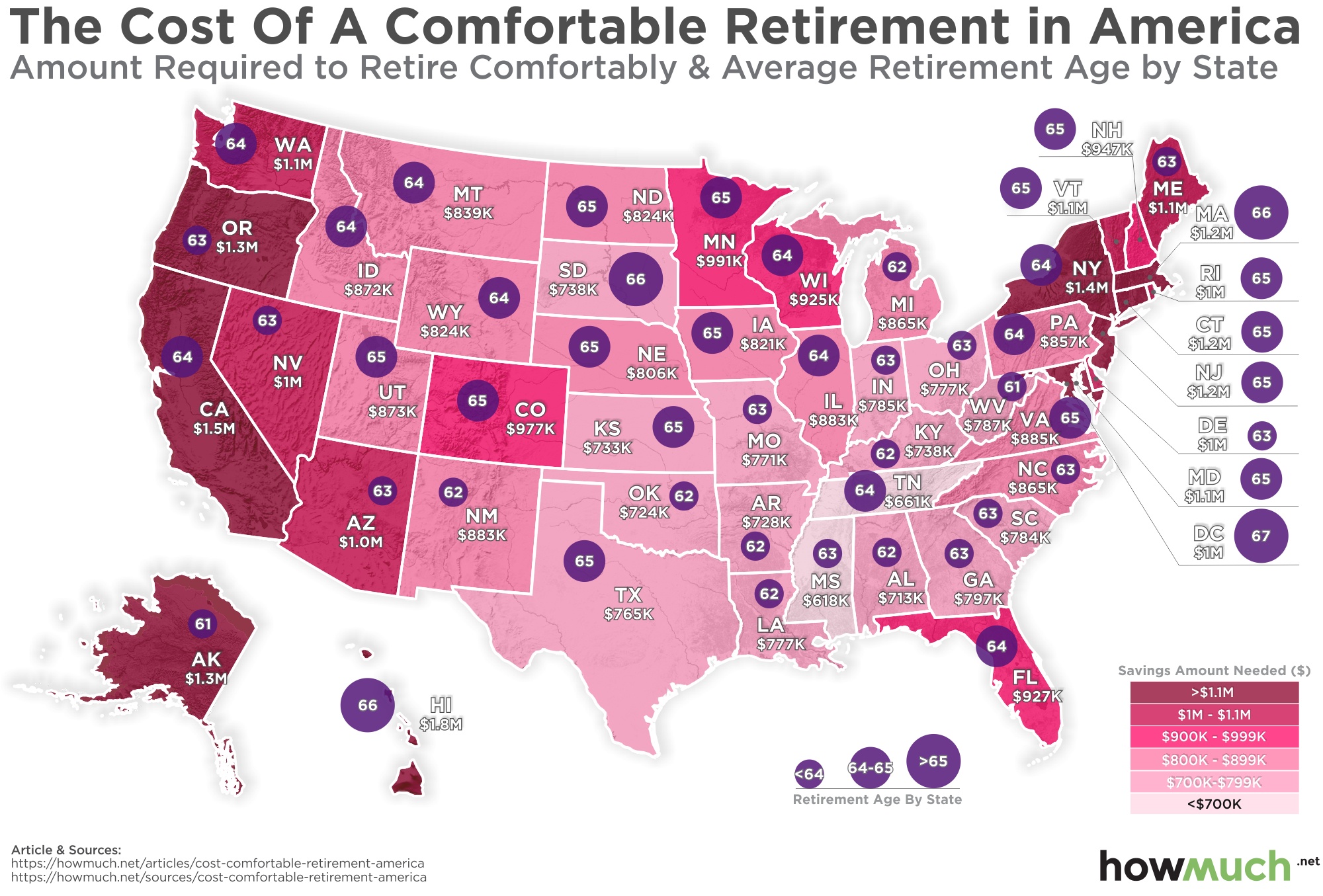
California’s reputation for high living costs is well-earned, and it’s the primary factor dictating how much you’ll need for retirement. While the state boasts the fifth-largest economy in the world, its expenses, particularly in certain sectors, can be daunting for those on a fixed income.
Housing: The Dominant Factor
Housing is unequivocally the most substantial expense in California and will heavily influence your overall retirement budget. Median home prices across the state consistently rank among the highest in the nation. In areas like San Francisco, Silicon Valley, and Orange County, a modest home can easily command seven figures. Even in more affordable regions like parts of the Central Valley or the inland empire, prices often exceed the national average.
If you plan to rent, expect to allocate a significant portion of your retirement income. A one-bedroom apartment in a desirable urban area can cost upwards of $2,500-$3,500 per month, while even in smaller towns, it might still hover around $1,500-$2,000. For those considering homeownership, factor in not just the purchase price but also substantial property taxes (which vary by county and Proposition 13 limits) and often higher homeowner’s insurance premiums, especially in areas prone to wildfires or earthquakes. Your housing choice alone can swing your necessary retirement nest egg by hundreds of thousands, if not millions, of dollars.
Everyday Expenses: Beyond the Mortgage
Beyond housing, nearly every other category of expense in California tends to be higher than the national average. Groceries, while varying by store and location, are generally more expensive. Utility costs, including electricity, gas, and water, can add up, particularly with California’s push towards renewable energy and its energy demands for air conditioning in hot climates or heating in cooler regions.
Transportation costs are another significant consideration. Gasoline prices are notoriously high in the state due to various taxes and environmental regulations. If you plan to drive frequently, this will be a recurring budget item. Car insurance premiums can also be elevated. While public transportation options exist in major metropolitan areas like Los Angeles (METRO) and the San Francisco Bay Area (BART, Muni), they may not be comprehensive enough for all your needs, especially in more suburban or rural retirement spots. Don’t forget California’s statewide sales tax, which applies to most goods and can range from 7.25% to over 10% in some localities.
Healthcare Considerations
Healthcare expenses in retirement are a universal concern, but in California, they can be particularly pronounced. While access to world-class medical facilities and specialists is abundant, especially in major cities, the costs can be substantial. Even with Medicare, supplemental insurance is often necessary to cover deductibles, co-pays, and services not fully covered. Prescription drug costs are also a factor.
For those planning for potential long-term care needs, the price of assisted living facilities or in-home care services in California ranks among the highest in the country. A semi-private room in a nursing home can average over $10,000 per month, making long-term care insurance or a significant dedicated savings pool essential for many retirees. Proximity to medical centers, the availability of specialized care, and the cost of maintaining a healthy lifestyle (gym memberships, organic foods) should all be factored into your healthcare budget.
Crafting Your Retirement Budget
Determining your “magic number” for retirement in California requires a personalized approach, moving beyond broad averages to focus on your specific desires and anticipated expenses.
The “Magic Number” Myth vs. Reality
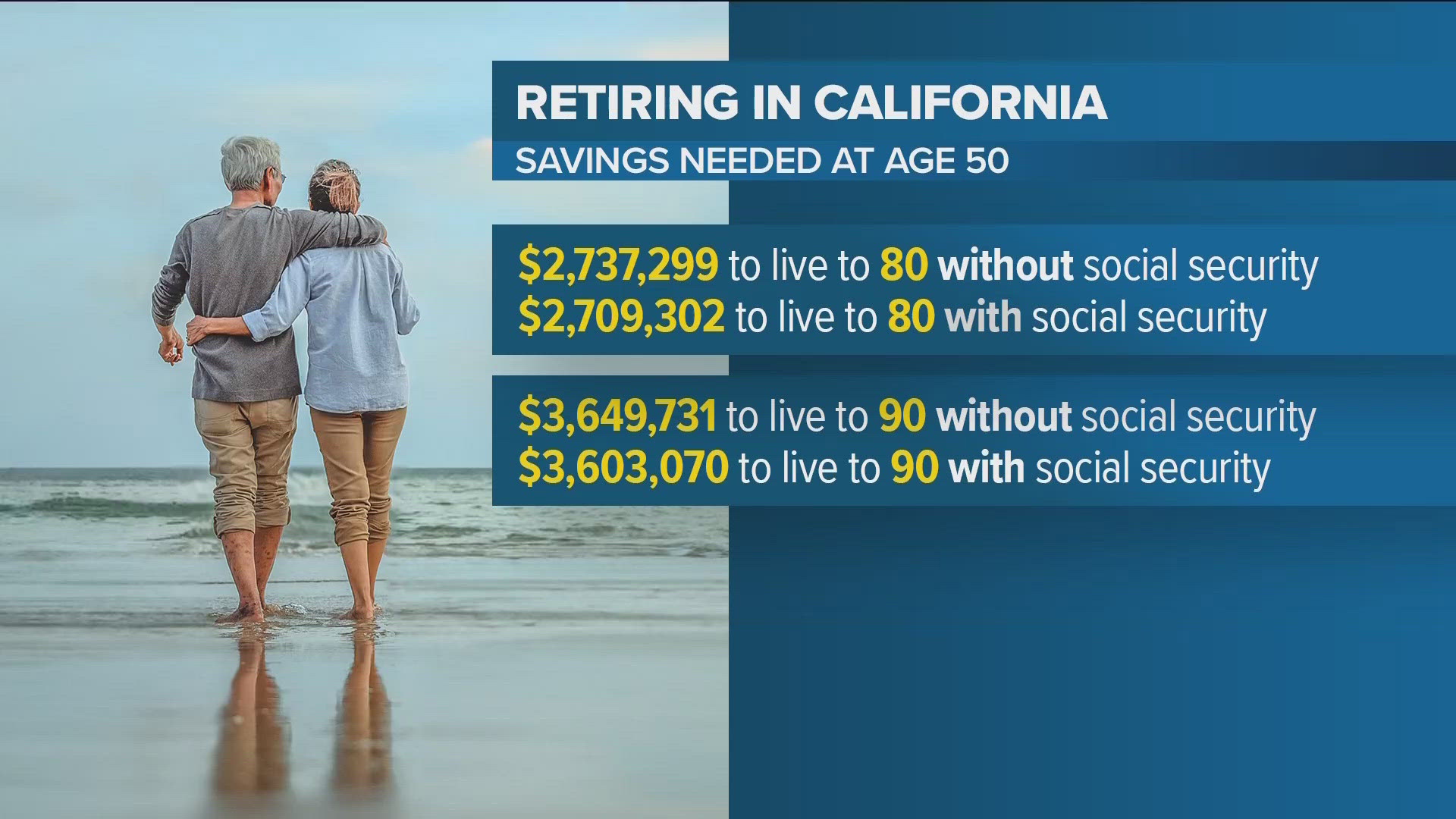
Forget the simplistic advice of needing a fixed sum like $1 million or $2 million. For a comfortable retirement in California, particularly in popular coastal areas, that figure could easily be $3 million, $4 million, or even more, depending on your desired lifestyle. A common guideline is the 4% rule, suggesting you can withdraw 4% of your savings annually without running out of money. If you aim for $120,000 in annual income, that implies a nest egg of $3 million. However, the 4% rule is a guideline, and many financial planners now recommend a more conservative 3-3.5% withdrawal rate, especially in an unpredictable economic climate, which would require an even larger sum. The reality is that your “magic number” is unique to your spending habits, health status, and whether you own your home outright or still have mortgage payments.
Income Sources and Strategies
Your retirement income will likely come from a combination of sources: Social Security benefits, pension plans, 401(k)s, IRAs, and other investment accounts. For many, Social Security will only cover a fraction of California’s high living costs, making substantial personal savings critical. Consider strategies such as delaying Social Security benefits to maximize monthly payouts, converting traditional IRAs to Roth IRAs to enjoy tax-free withdrawals in retirement, or exploring annuities for guaranteed income streams.
Some retirees choose to supplement their income with part-time work or consulting, which can not only boost finances but also provide mental stimulation and social engagement. Rental income from properties, dividends from investments, and even reverse mortgages (if you own a home) can also play a role in creating a robust income portfolio for your California retirement.
Lifestyle Choices and Their Impact
Your desired lifestyle will be the ultimate determinant of your retirement costs. Do you envision frequent dining out, international travel, country club memberships, and luxury vehicles? Or do you prefer a more modest existence, focused on home-cooked meals, local parks, and public libraries? The difference between these two extremes could easily be tens of thousands of dollars annually.
Consider your hobbies and interests. Golfing, boating, skiing in the Lake Tahoe region, or pursuing art classes all have associated costs. California offers a plethora of activities, but many come with a premium price. Being realistic about your lifestyle expectations and budgeting accordingly is crucial. Prioritize what truly brings you joy and allocate resources there, while finding cost-effective alternatives for less critical expenditures.
Navigating California’s Diverse Regions
California’s vast geography means that the cost of retirement can vary dramatically from one region to another. Choosing your specific location wisely can have a profound impact on your financial viability.
Coastal vs. Inland: A Stark Contrast
Generally, coastal areas, particularly those in Southern California (like San Diego, Santa Barbara, or parts of Orange County) and the San Francisco Bay Area (including Marin County or the Peninsula), boast the highest costs of living. The allure of ocean views, milder climates, and vibrant cultural scenes drives up housing prices and everyday expenses significantly.
Moving inland, particularly to the Central Valley (cities like Sacramento, Fresno, or Bakersfield) or the desert communities around Palm Springs, can offer a more affordable retirement. While temperatures can be more extreme, and access to certain amenities might require a drive, the savings on housing alone can be substantial. These areas might also offer different recreational opportunities, such as agriculture tourism or desert hiking.
Northern vs. Southern California
The cultural and economic differences between Northern California and Southern California also play a role. Northern California, dominated by the tech industry and the San Francisco Bay Area, tends to have some of the highest costs globally. Cities like San Jose, Oakland, and San Francisco demand significant financial resources.
Southern California, while also expensive, offers a broader range of options. While Los Angeles and San Diego are pricey, inland cities in the Riverside County and San Bernardino County areas can provide more budget-friendly alternatives without completely sacrificing access to coastal attractions within a reasonable drive. Understanding these regional nuances is key to finding a spot that aligns with both your financial capacity and your desired retirement lifestyle.
Unexpected Retirement Havens
Beyond the well-known hotspots, California has smaller, often overlooked towns that offer a high quality of life at a more manageable cost. Think of communities in the Gold Country, the foothills of the Sierra Nevada, or certain parts of the North Coast that are further removed from major metropolitan centers. These areas might provide a slower pace of life, strong community ties, and access to outdoor recreation at a fraction of the cost of their urban counterparts. Exploring these “hidden gems” through extensive research and perhaps short-term rentals before making a permanent move can uncover surprising opportunities for a fulfilling and affordable California retirement.
Financial Planning for a Golden State Retirement
Achieving your California retirement dream requires more than just saving; it demands meticulous financial planning tailored to the state’s unique economic landscape.
The Role of Professional Advice
Navigating the complexities of retirement finances in a high-cost state like California is best done with the guidance of a qualified financial advisor. A professional can help you assess your current assets, project future expenses, optimize your investment portfolio for growth and income, and create a sustainable withdrawal strategy. They can also provide insights into specific California financial considerations, such as property tax implications or state-specific investment opportunities. Look for advisors who are fiduciaries, meaning they are legally obligated to act in your best interest.
Tax Implications for Retirees
California is known for its relatively high state income tax rates, which apply to various forms of retirement income, including pensions, 401(k) withdrawals, and IRA distributions. Unlike some other states, California does not exempt Social Security benefits from state income tax, making tax planning an even more critical component of your retirement strategy.
Understanding your effective tax rate, exploring tax-efficient investment vehicles, and considering tax-loss harvesting strategies can help preserve your nest egg. Estate planning is also vital, as California has specific probate laws and regulations that can impact how your assets are distributed. Consulting with a tax professional specializing in retirement income and California tax law can help you minimize your tax burden and maximize your retirement income.
Long-Term Care and Estate Planning
As discussed, long-term care costs in California are substantial. Incorporating a plan for potential long-term care needs is a non-negotiable aspect of retirement planning. This could involve purchasing long-term care insurance while you are still healthy, self-funding through dedicated savings, or exploring hybrid policies that combine life insurance with long-term care benefits.
Furthermore, comprehensive estate planning ensures your wishes are honored and your assets are protected and distributed efficiently. This includes establishing a will, trusts, power of attorney, and healthcare directives. Given the complexities of California law, working with an estate planning attorney is highly recommended to ensure your plan is legally sound and effectively addresses your specific circumstances.
Making Your California Retirement a Reality
Retiring in California is an ambitious but achievable goal, provided you approach it with realistic expectations and thorough preparation.
Early Planning and Projections
The earlier you begin planning for your California retirement, the better. Start by creating a detailed budget based on your desired lifestyle in your preferred region of the state. Use online cost-of-living calculators, but also engage in real-world research by visiting potential retirement locations and speaking with locals about actual expenses. Project your income sources, factoring in inflation and potential market fluctuations.
Regularly review and adjust your financial plan as your circumstances change and as economic conditions evolve. A dynamic plan allows for flexibility and adaptation, which is crucial for a retirement that could span decades. Consider stress-testing your plan against various scenarios, such as a market downturn or unexpected healthcare costs, to ensure its resilience.

Adapting to Economic Changes
California’s economy, while robust, is not immune to national or global economic shifts. Be prepared to adapt your retirement plan to changes in inflation, interest rates, and investment returns. This might mean adjusting your spending, delaying certain large purchases, or even exploring part-time work if needed.
The dream of retiring in California is within reach for those who are diligent, strategic, and willing to make informed financial decisions. It requires a significant nest egg and careful ongoing management, but the rewards of a California lifestyle – from its natural beauty and diverse culture to its opportunities for recreation and relaxation – can make it a truly golden retirement.
LifeOutOfTheBox is a participant in the Amazon Services LLC Associates Program, an affiliate advertising program designed to provide a means for sites to earn advertising fees by advertising and linking to Amazon.com. Amazon, the Amazon logo, AmazonSupply, and the AmazonSupply logo are trademarks of Amazon.com, Inc. or its affiliates. As an Amazon Associate we earn affiliate commissions from qualifying purchases.