
Living and working in the Golden State offers an unparalleled lifestyle, from the vibrant urban centers of Los Angeles and San Francisco to the serene landscapes of its national parks. However, this coveted lifestyle comes with a financial reality that often starts before your paycheck even lands in your bank account: taxes. For anyone considering moving to California, or current residents looking to better understand their finances, grasping how much California taxes your paycheck is crucial for effective budgeting, financial planning, and ultimately, shaping your desired lifestyle within this dynamic state.
The California Income Tax Landscape: A Lifestyle Factor
California is known for having one of the highest state income tax rates in the nation. This directly impacts disposable income, which in turn dictates the kind of lifestyle one can afford, from housing choices to leisure activities. Understanding this foundational element is the first step in financial clarity.
Progressive Rates and Their Real-World Impact
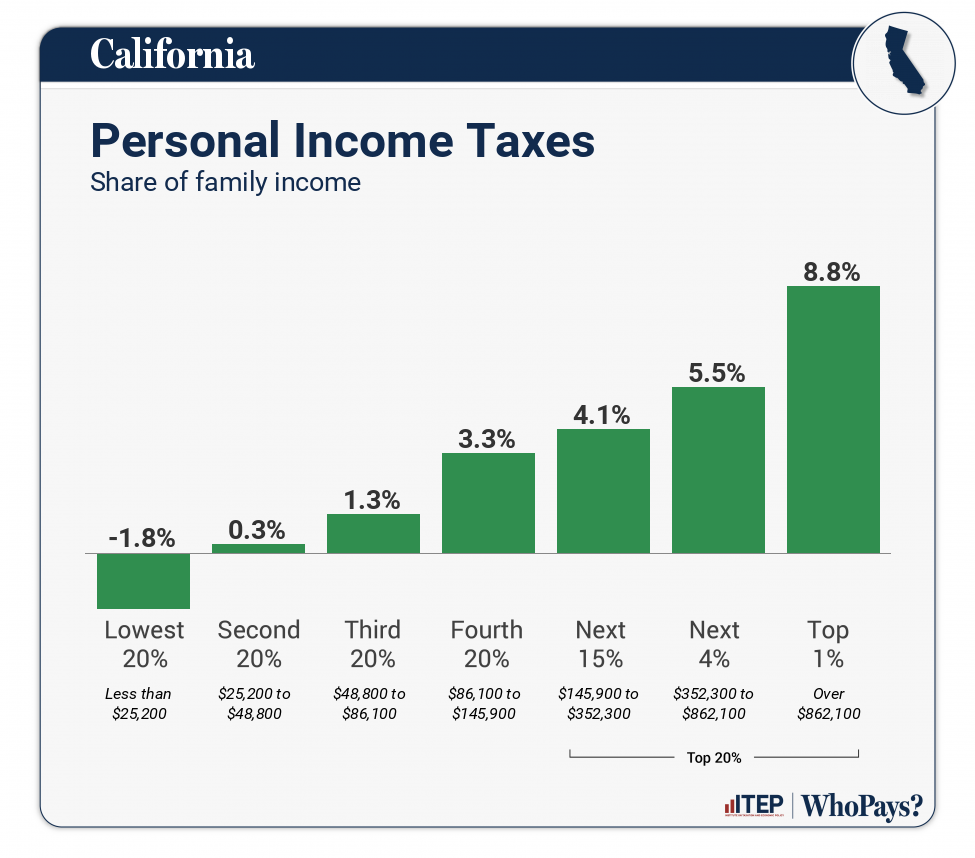
California employs a progressive income tax system, meaning that as your income increases, so does the percentage of tax you pay on additional income. The state’s tax brackets are numerous and can reach up to 13.3% for the highest earners, which includes a 1% surcharge on incomes over $1 million for mental health services. This structure means that a significant portion of a high earner’s income is allocated to state taxes, influencing decisions around career advancement, entrepreneurial ventures, and even the desirability of staying in the state for certain high-income professions.
For instance, a tech professional in Silicon Valley earning a substantial salary will see a much larger percentage of their overall income go to state taxes compared to someone earning a modest wage in a less affluent part of the state. This disparity directly affects their ability to save, invest, or spend on luxury goods and services, profoundly shaping their personal and family lifestyle. It also prompts many to evaluate the net benefit of a higher gross salary versus the take-home amount, impacting job mobility and location preferences within the broader job market.
State vs. Federal: A Combined View
While federal income tax is a universal deduction for most American workers, the California state income tax is an additional layer that significantly reduces net pay. When combined, federal and state income taxes can take a substantial bite out of a paycheck. This dual impact demands careful consideration when budgeting for high cost-of-living areas like San Francisco, Los Angeles, or San Diego. The interplay between federal and state tax liabilities can also influence decisions regarding tax-advantaged retirement accounts, charitable contributions, and other financial strategies aimed at reducing taxable income. Understanding how these two systems interact is key to maximizing one’s financial position and maintaining a desired lifestyle.
Understanding Your Tax Bracket
Your tax bracket determines the rate at which different portions of your income are taxed. It’s crucial to remember that only the income within a specific bracket is taxed at that rate, not your entire income. However, with California’s relatively steep brackets, even middle-income earners can find themselves facing state tax rates that significantly impact their budgeting for essentials like housing, food, and transportation. For families, the number of dependents and filing status can further complicate this, necessitating careful planning to ensure sufficient disposable income for family-oriented lifestyles, including education expenses, childcare, and recreational activities. For single individuals, understanding their effective tax rate helps them plan for discretionary spending on travel, entertainment, or savings goals.
Beyond Income Tax: Payroll Deductions Shaping Your California Lifestyle
Beyond the headline-grabbing state income tax, several other mandatory payroll deductions contribute to the overall reduction in your take-home pay. While some of these offer benefits, they are still a significant factor in your overall financial lifestyle within California.
State Disability Insurance (SDI) and Paid Family Leave (PFL)
California mandates contributions to its State Disability Insurance (SDI) program, which also funds Paid Family Leave (PFL). These are employee-paid payroll taxes deducted from your wages up to a certain annual limit. While these deductions reduce your immediate paycheck, they provide vital safety nets, offering partial wage replacement if you become unable to work due to a non-work-related illness or injury, or if you need to take time off to care for a seriously ill family member or bond with a new child.
From a lifestyle perspective, these programs provide a level of security that can be invaluable. Knowing you have access to paid leave can reduce financial stress during life events that would otherwise severely disrupt income, enabling a more stable family life and better work-life balance. For new parents, PFL allows for crucial bonding time without complete loss of income, supporting a desired family lifestyle. For individuals facing health challenges, SDI offers peace of mind, contributing to overall well-being and mitigating the financial impact of unforeseen circumstances.
Other Potential Withholdings
While California does not generally have local income taxes (unlike some other states), your paycheck may include other deductions. These commonly include Social Security and Medicare taxes (federal mandates), and potentially voluntary deductions such as contributions to 401(k) or 403(b) retirement plans, health insurance premiums, life insurance, or flexible spending accounts.
These voluntary deductions, while reducing your net pay, are often crucial components of a desired lifestyle. Retirement contributions fund your future self, ensuring a comfortable post-working life. Health insurance is a non-negotiable for many, safeguarding against medical expenses that could devastate personal finances. These choices reflect a proactive approach to financial well-being and long-term lifestyle planning, even if they shrink your current take-home pay.

The Cost of Doing Business in the Golden State
The cumulative effect of state income taxes and other payroll deductions contributes to the overall “cost of doing business” as an individual worker in California. This reality influences everything from the competitiveness of salaries needed to attract talent to the state, to an individual’s personal financial calculations for major life decisions. The higher tax burden means that, all else being equal, a California resident needs to earn more gross income than someone in a lower-tax state to achieve the same net disposable income and thus the same lifestyle. This economic reality is a critical component of the financial planning required for a sustainable and comfortable life in the Golden State.
The Tangible Impact on Your California Lifestyle
The various taxes and deductions on your paycheck aren’t just numbers on a stub; they have a profound, tangible impact on your daily life, your long-term goals, and the overall quality of your California lifestyle.
Budgeting for the California Dream
High taxes, coupled with the state’s famously high cost of living, necessitate meticulous budgeting. Housing, especially in metropolitan areas like San Francisco, Los Angeles, and San Diego, consumes a significant portion of many residents’ incomes. After taxes, the remaining disposable income must stretch further to cover essentials and desired lifestyle elements. This often means making trade-offs: perhaps a smaller apartment further from the city center, or fewer lavish dinners out. Budgeting in California isn’t just about tracking expenses; it’s about strategic financial allocation to maintain a quality of life amidst unique economic pressures. It impacts choices related to vehicle ownership, dining habits, entertainment, and even clothing purchases, shaping one’s everyday existence.
Disposable Income and Lifestyle Choices
Your disposable income, the money left after all mandatory deductions and taxes, is the direct determinant of your lifestyle choices. In California, a higher tax burden means less disposable income compared to a similar gross salary in a lower-tax state. This directly affects everything from the frequency of your domestic or international travels to your ability to invest in hobbies, pursue higher education, or save for significant life events like purchasing a home or having children.
For those aiming for a luxury lifestyle, high taxes mean a considerably higher gross income is required to achieve that goal. For individuals focused on a more budget-conscious existence, every dollar counts, and the impact of taxes can significantly limit discretionary spending. The choices people make regarding their free time, their consumption habits, and their personal development are all intrinsically linked to their post-tax income.
Career and Residency Decisions
The cumulative effect of California’s tax policies on paychecks can undeniably influence significant life decisions. Some individuals may opt for careers with higher earning potential specifically to offset the tax burden, while others might explore remote work opportunities that allow them to earn a California salary while residing in a lower cost-of-living, lower-tax state.
Furthermore, the tax environment is a perennial factor in the decision of whether to remain a resident of the state, particularly for those approaching retirement or considering business ventures. The desire for a specific lifestyle, often tied to financial freedom and stability, can drive individuals and families to evaluate the trade-offs between California’s amenities and its financial demands. This often leads to comparisons with states like Texas, Florida, or Nevada, which boast no state income tax, making the “lifestyle calculation” a complex one.
Strategies for Navigating California’s Tax Landscape for a Better Lifestyle
While California’s tax rates are fixed, there are proactive strategies residents can employ to optimize their financial situation, thereby enhancing their overall lifestyle and financial well-being.
Maximizing Deductions and Credits
One of the most effective ways to reduce your tax liability is by taking advantage of all eligible deductions and credits. California offers various state-specific deductions and credits, alongside federal ones, that can lower your taxable income. Common examples include mortgage interest deduction (if you own a home), student loan interest, certain medical expenses, and contributions to traditional IRAs. Additionally, credits for dependents, low-income earners, or specific educational expenses can directly reduce your tax bill, leaving more money in your pocket for your desired lifestyle. Staying informed about these opportunities and tracking eligible expenses throughout the year is crucial.
Understanding Retirement and Investment Accounts
Utilizing tax-advantaged accounts is a powerful strategy for reducing current taxable income while simultaneously building wealth for future lifestyle goals. Contributions to a traditional 401(k) or IRA are often pre-tax, meaning they reduce your taxable income for the current year. Health Savings Accounts (HSAs) offer a triple tax advantage: tax-deductible contributions, tax-free growth, and tax-free withdrawals for qualified medical expenses. These accounts not only defer or eliminate taxes on investment growth but also reduce your immediate tax burden, allowing more flexibility for current lifestyle needs while planning for a secure financial future.
Professional Financial Planning
Given the complexity of California’s tax system and its significant impact on personal finances, consulting with a qualified tax professional or financial planner is highly recommended. These experts can help tailor tax strategies to your specific income, family situation, and lifestyle goals. They can identify overlooked deductions, advise on optimal investment strategies, and assist with long-term financial planning that considers the unique tax environment of the Golden State. Professional guidance ensures that you’re not leaving money on the table and are making informed decisions that support your desired California lifestyle now and in the future. Their expertise can provide clarity and peace of mind, transforming what seems like a daunting tax landscape into a navigable path toward financial success.
LifeOutOfTheBox is a participant in the Amazon Services LLC Associates Program, an affiliate advertising program designed to provide a means for sites to earn advertising fees by advertising and linking to Amazon.com. Amazon, the Amazon logo, AmazonSupply, and the AmazonSupply logo are trademarks of Amazon.com, Inc. or its affiliates. As an Amazon Associate we earn affiliate commissions from qualifying purchases.