
Navigating the complexities of health insurance can be a daunting task, especially when considering options outside of traditional employer-sponsored plans. In California, the landscape of individual and family health insurance plans is diverse, with the Covered California marketplace serving as a central hub for accessing these options. Among the prominent providers available through this platform is Cobra, though it’s crucial to understand how “Cobra insurance” is typically understood in the context of California and the United States.
Understanding COBRA and Its California Context
COBRA, which stands for the Consolidated Omnibus Budget Reconciliation Act, is a federal law that allows eligible employees and their dependents to continue their employer-sponsored health insurance coverage for a limited period after leaving their job. This continuation coverage is typically identical to the plan they had while employed, offering a crucial safety net for individuals transitioning between jobs or facing other qualifying life events.
COBRA vs. Covered California Plans
It is important to differentiate between true COBRA coverage and the plans available through Covered California. While both provide health insurance, they operate under different frameworks and often have different cost structures.
- COBRA: This is a direct continuation of your previous employer’s group health plan. The premiums for COBRA coverage are typically paid entirely by the individual, as the employer’s contribution is no longer in effect. This can often lead to significantly higher monthly costs compared to plans purchased through an exchange. The law mandates that employers with 20 or more employees offer COBRA.
- Covered California Plans: These are health insurance plans that are compliant with the Affordable Care Act (ACA) and are sold through the state’s official health insurance marketplace. Many of these plans are offered by private insurance companies, and their premiums are often subsidized by the federal government based on household income. This can make them a more affordable option for many Californians.
Therefore, when individuals inquire about “Cobra insurance in California,” they are often referring to either the actual federal COBRA continuation coverage or, more commonly, the broader range of health insurance plans available through Covered California that might serve a similar purpose of providing health coverage outside of an employer’s group plan.
The Cost of True COBRA Coverage
The cost of COBRA coverage is determined by the employer’s group health plan. Under COBRA, you are generally required to pay the full premium, plus a small administrative fee (up to 2%). This means you’ll be paying both your portion and your former employer’s portion of the monthly premium.
To estimate the cost of true COBRA coverage in California, you would need to:
- Identify your former employer’s health plan: This includes the specific insurance carrier (e.g., Blue Cross, Kaiser Permanente, Anthem) and the plan type (e.g., PPO, HMO).
- Determine the total monthly premium: This is the amount the employer and employee collectively paid for the coverage.
- Calculate your COBRA premium: Add up to 2% of the total monthly premium.
For example, if your former employer’s family plan cost $1,200 per month in total premiums, your COBRA premium could be around $1,224 per month. Individual plans can vary widely, but this illustrates the potential for substantial costs.
Exploring Affordable Alternatives Through Covered California
Given the potentially high cost of true COBRA, many Californians explore the options available through Covered California as a more budget-friendly alternative. Covered California offers a variety of health plans from different insurance companies, and the premiums are heavily influenced by several factors.
Factors Influencing Covered California Plan Costs
The cost of health insurance through Covered California is determined by several key factors:
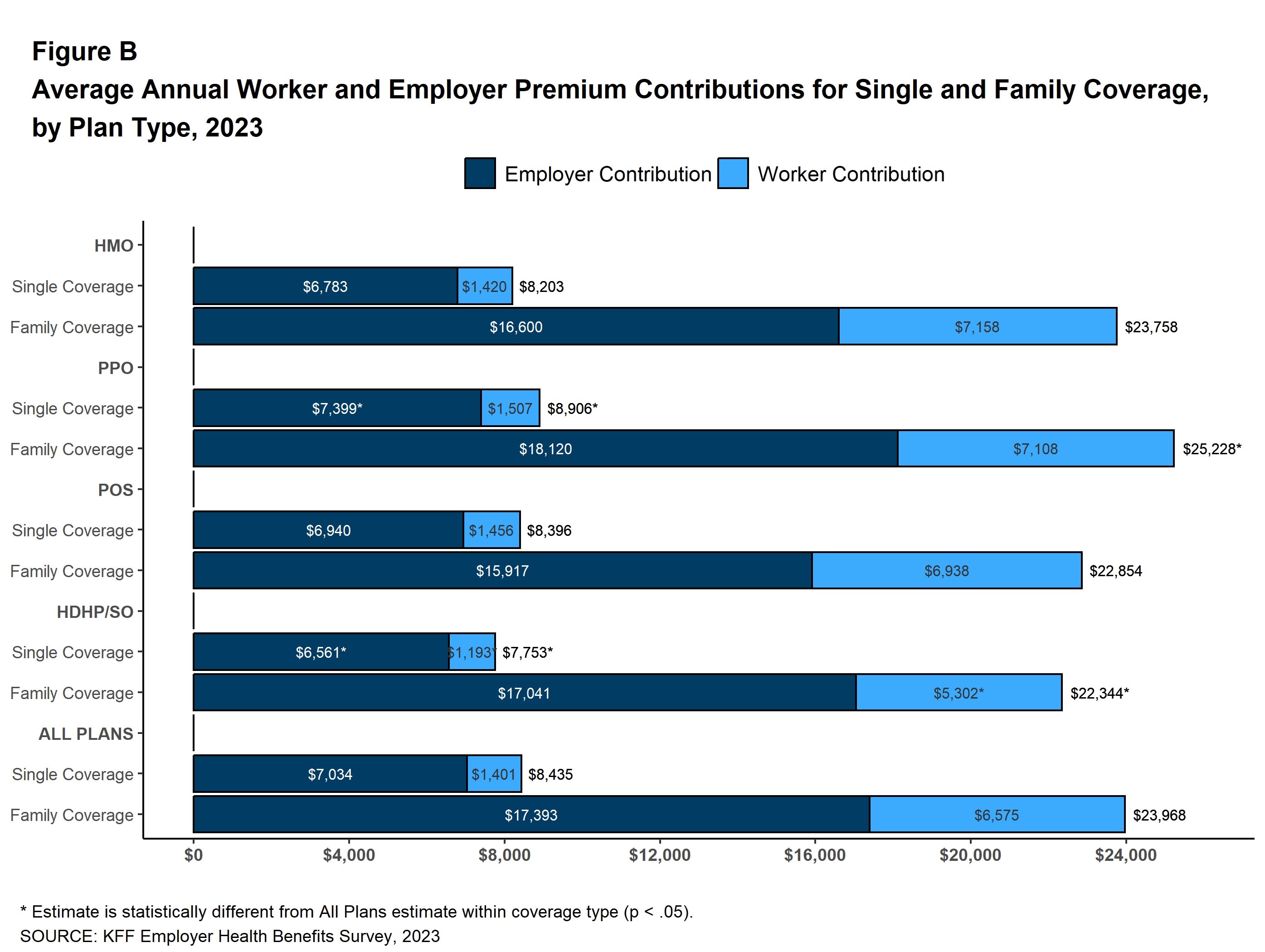
- Household Income: This is the most significant factor for determining affordability. If your household income falls within certain ranges, you may qualify for:
- Premium Tax Credits (Subsidies): These credits directly reduce your monthly premium, making health insurance much more affordable. The amount of the subsidy is based on a percentage of your income.
- Cost-Sharing Reductions (CSRs): If you choose a Silver plan and your income is below a certain threshold, you may also qualify for CSRs, which lower your out-of-pocket costs like deductibles, copayments, and coinsurance.
- Plan Tier: Covered California offers plans in different metal tiers (Bronze, Silver, Gold, Platinum). These tiers reflect the level of coverage and, consequently, the cost:
- Bronze: Lowest monthly premium, highest out-of-pocket costs. Good for healthy individuals who don’t anticipate needing much medical care.
- Silver: Moderate premium, moderate out-of-pocket costs. This is the only tier eligible for Cost-Sharing Reductions.
- Gold: Higher premium, lower out-of-pocket costs.
- Platinum: Highest monthly premium, lowest out-of-pocket costs. Ideal for those with significant or chronic healthcare needs.
- Age: Older individuals generally pay higher premiums than younger ones.
- Location: Premiums can vary slightly depending on the geographic rating area within California.
- Tobacco Use: Insurers can charge a surcharge of up to 50% for tobacco users.
- Number of People Covered: The more individuals covered on a plan, the higher the total premium will be.
Typical Premium Ranges in California
Without specific income and demographic details, it’s impossible to provide an exact quote for Covered California plans. However, to give a general idea, here are some illustrative monthly premium ranges for an individual before any subsidies are applied. These figures are estimates and can fluctuate:
- Bronze Plans: $200 – $400 per month
- Silver Plans: $250 – $500 per month
- Gold Plans: $350 – $600 per month
- Platinum Plans: $450 – $700+ per month
For families, these costs would be higher. However, the power of subsidies through Covered California can dramatically reduce these figures. For instance, a family with an income of $60,000 might pay a significantly reduced premium for a Silver plan, potentially well under $300 per month due to premium tax credits.
How to Determine Your Specific Costs
The most accurate way to determine how much health insurance will cost you in California, whether considering COBRA or Covered California plans, is to get personalized quotes.
Getting a COBRA Quote
If you are eligible for COBRA and are considering it, your former employer is legally obligated to provide you with a General Notice of Continuation Coverage within a specific timeframe after your qualifying event (usually 14-45 days). This notice will detail:
- The length of your COBRA coverage (typically 18 months).
- The premiums you will have to pay.
- The procedures for electing COBRA coverage.
- Your rights and responsibilities.
It is essential to carefully review this notice. If you have already left your job and haven’t received this notice, contact your former employer’s HR department immediately.
Using the Covered California Marketplace
For Covered California plans, the process is straightforward:
- Visit the Official Website: Go to Covered California’s official website.
- Use the Shop and Compare Tool: The website features a tool where you can enter your ZIP code, household size, estimated income, and ages of family members.
- View Plan Options and Costs: The tool will then display a list of available health plans from various carriers, along with their monthly premiums, estimated out-of-pocket costs, and summaries of benefits. It will also clearly show any subsidies you qualify for, dramatically reducing the quoted premiums.
- Enroll: You can then choose a plan and enroll directly through the marketplace during the open enrollment period or if you qualify for a special enrollment period.

Key Considerations When Comparing Plans
When comparing true COBRA continuation coverage with plans available through Covered California, consider the following:
- Cost: As highlighted, COBRA is often more expensive due to the lack of subsidies.
- Network of Providers: Ensure your preferred doctors and hospitals are in the network of any plan you choose. COBRA plans retain the network of your former employer’s plan.
- Coverage Benefits: Review deductibles, copayments, coinsurance, annual out-of-pocket maximums, and prescription drug coverage.
- Duration of Coverage: COBRA typically lasts for 18 months, after which you may need to secure new coverage. Covered California plans are typically renewed annually.
- Ease of Enrollment: COBRA requires electing coverage within a specific timeframe. Covered California has open enrollment periods and special enrollment periods for qualifying life events.
In California, while the term “Cobra insurance” might be used colloquially, understanding the distinction between federal COBRA continuation and the ACA-compliant plans available through Covered California is vital for making informed decisions about your health coverage and managing your healthcare costs effectively. For most individuals, exploring Covered California will likely reveal more affordable and comprehensive options.
LifeOutOfTheBox is a participant in the Amazon Services LLC Associates Program, an affiliate advertising program designed to provide a means for sites to earn advertising fees by advertising and linking to Amazon.com. Amazon, the Amazon logo, AmazonSupply, and the AmazonSupply logo are trademarks of Amazon.com, Inc. or its affiliates. As an Amazon Associate we earn affiliate commissions from qualifying purchases.