
The American alligator (Alligator mississippiensis) stands as an undisputed emblem of Florida’s wild heart. From the sprawling Everglades National Park to the tranquil cypress swamps and even suburban retention ponds, these ancient reptiles are an integral part of the state’s natural landscape. For visitors drawn to Florida’s unique ecosystems and residents alike, a common question arises: are alligators protected in Florida? The answer is a nuanced one, reflecting a remarkable conservation success story, ongoing management efforts, and a critical need for human-wildlife coexistence. Understanding the legal status, ecological role, and behavioral patterns of Florida’s alligators is not just about appreciating wildlife; it’s essential for safe travel, responsible tourism, and preserving the delicate balance of one of the world’s most vibrant natural environments.
This comprehensive guide will delve into the history of alligator protection, current management strategies, and practical advice for navigating encounters with these fascinating creatures, ensuring both their safety and yours. Whether you’re planning a family trip to the Sunshine State, exploring its diverse landmarks and natural attractions, or considering long-term stay options, knowledge about Florida’s alligators is paramount to an enriching and secure experience.
The American Alligator: A Florida Icon and Conservation Triumph
The story of the American alligator in Florida is one of resilience and a testament to effective conservation. Once teetering on the brink of extinction, this apex predator has made a dramatic comeback, thanks to dedicated protection efforts. Today, it thrives across the state, serving as both a keystone species in its ecosystem and a major draw for nature tourism.
From Endangered to Thriving: A Conservation Success Story
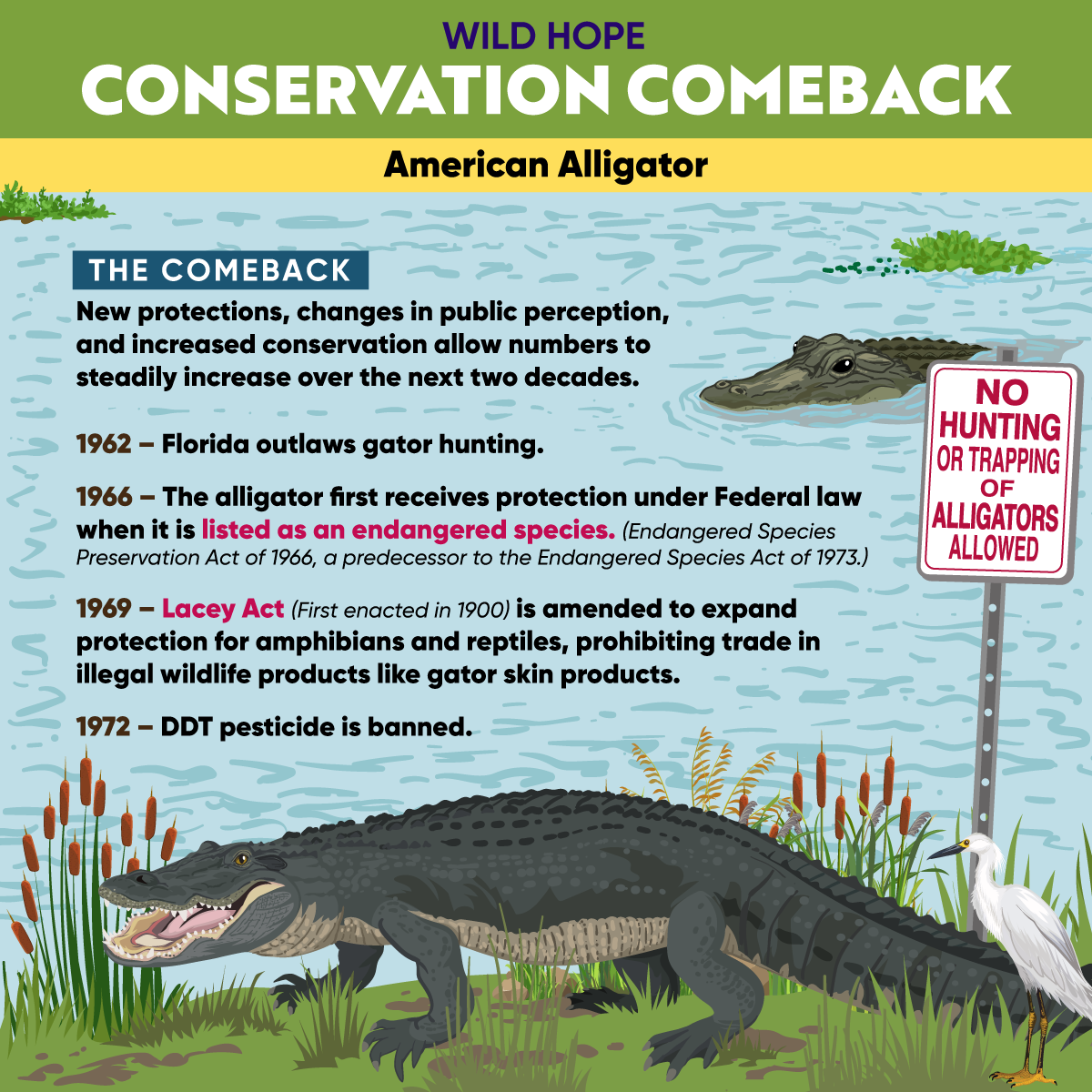
For centuries, American alligators faced intense pressure from unregulated hunting, primarily for their valuable skin and meat. By the mid-20th century, their populations had plummeted to critically low levels, particularly in the early 1960s. Recognizing the dire situation, the American alligator was listed as an endangered species under the federal Endangered Species Act in 1967. This landmark legislation provided crucial protection, making it illegal to hunt, kill, or harass alligators.
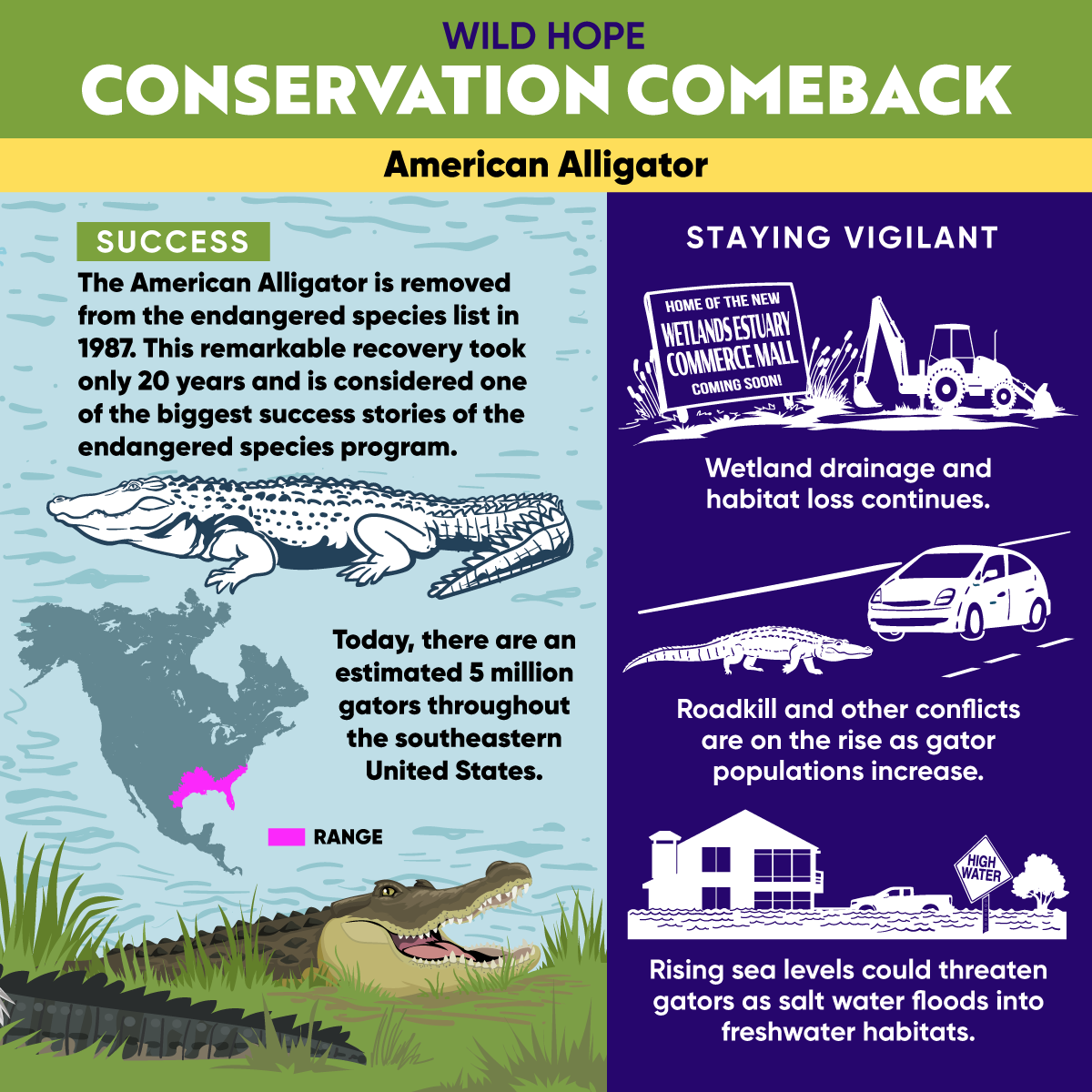
The federal listing, coupled with stringent state laws enforced by organizations like the Florida Fish and Wildlife Conservation Commission (FWC), marked a turning point. Habitat protection, law enforcement, and public education campaigns played vital roles. Within just two decades, the American alligator population recovered so remarkably that it was removed from the endangered species list in 1987. This rapid recovery is often cited as one of the most successful wildlife conservation efforts in history. Today, the American alligator is classified as a species of “least concern” by the International Union for Conservation of Nature (IUCN), though it remains a federally protected species listed as “threatened due to similarity of appearance” to other protected crocodilians. This means that while they are abundant, regulations are still in place to prevent confusion with species like the much rarer American crocodile.
This conservation success means that visitors to Florida now have an excellent chance of encountering these magnificent creatures in their natural habitat, contributing to the state’s vibrant wildlife tourism sector.
Where to See Alligators in Florida
For many tourists, seeing an alligator in the wild is a highlight of their Florida experience. While they can be found in virtually every county, some destinations offer unparalleled viewing opportunities.
The undisputed capital for alligator viewing is the Everglades National Park. Spanning 1.5 million acres of wetlands, this UNESCO World Heritage Site is a prime habitat for a vast population of alligators. Airboat tours are a popular activity, offering thrilling close-up encounters (from a safe distance, of course) while guided walks along trails like the Anhinga Trail at Royal Palm often reveal alligators basking or swimming in the canals. Other significant natural areas include Big Cypress National Preserve, Myakka River State Park near Sarasota, and numerous state parks and wildlife refuges across Central Florida and South Florida.
Beyond wild encounters, there are also dedicated attractions that provide guaranteed viewing and educational experiences. Gatorland in Orlando, often dubbed the “Alligator Capital of the World,” offers up-close views, educational shows, and even alligator wrestling demonstrations (performed by trained professionals). Similarly, St. Augustine Alligator Farm Zoological Park provides an extensive collection of alligators and crocodiles from around the globe. These attractions are excellent options for those seeking a controlled environment for observation, making them perfect for family trips with younger children. When booking accommodations or planning activities, consider proximity to these landmarks if alligator viewing is a priority for your Florida itinerary.
Understanding Alligator Protection and Management in Florida
While the American alligator is no longer endangered, it remains a protected species in Florida. This means specific regulations govern how humans interact with them, ensuring both the species’ long-term health and public safety. The Florida Fish and Wildlife Conservation Commission (FWC) is the primary agency responsible for managing the state’s alligator population.
Are Alligators Hunted?
Despite their protected status, alligators are indeed hunted in Florida, but under strictly controlled conditions. This might seem contradictory, but it’s part of a robust wildlife management strategy. The FWC oversees a statewide alligator harvest program designed to manage the population, provide recreational opportunities, and prevent overpopulation in certain areas.
The annual alligator harvest is highly regulated. Participants must apply for a permit, which is often distributed through a lottery system due to high demand. Hunters are assigned specific harvest areas and quotas, and strict rules dictate hunting methods and seasons. This isn’t a free-for-all; it’s a carefully managed program based on scientific data to maintain healthy alligator populations and minimize human-alligator conflicts. The revenue generated from permit sales also contributes to conservation efforts and wildlife management programs across the state. Therefore, while individual alligators are protected from indiscriminate killing, a regulated, sustainable harvest is an approved part of their management.
The Role of the Florida Fish and Wildlife Conservation Commission (FWC)
The Florida Fish and Wildlife Conservation Commission (FWC) plays a crucial role in balancing alligator conservation with public safety. Their responsibilities extend far beyond managing the hunting program. The FWC is the primary authority for all wildlife issues in Florida, including the extensive alligator population.
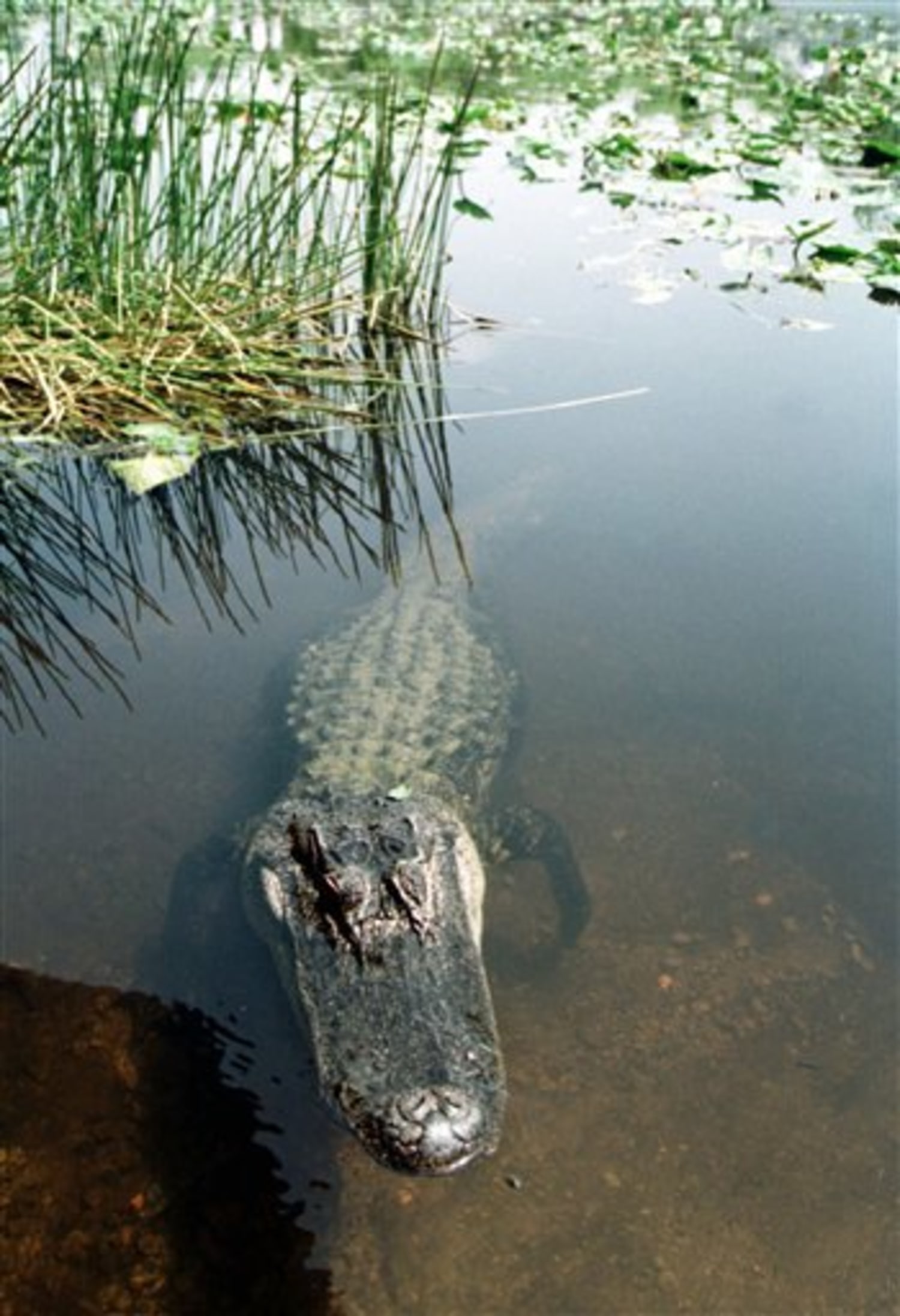
One of their most significant programs is the Statewide Nuisance Alligator Program (SNAP). This program addresses situations where alligators pose a threat to people, pets, or property. If an alligator is deemed a “nuisance” – typically an alligator that is at least four feet in length and exhibits aggressive behavior or is found in an inappropriate location (like a swimming pool or crowded public area) – the FWC dispatches a contracted nuisance alligator trapper. These trappers remove the alligator, often euthanizing it, as relocating large, problematic alligators can simply transfer the problem to another area or result in the alligator attempting to return to its original territory. This pragmatic approach prioritizes public safety while acknowledging the alligator’s territorial nature.
The FWC also conducts extensive research on alligator populations, habitat, and behavior. This scientific understanding informs their management decisions, ensuring that policies are effective and sustainable. They are also heavily involved in public education, providing essential guidelines for safe coexistence with alligators, which is particularly vital for Florida’s thriving tourism industry. For anyone living in or traveling through Florida, understanding the FWC’s role and guidelines is key to a safe and enjoyable experience.
Coexisting with Alligators: Safety Tips for Residents and Tourists
Given the American alligator’s widespread presence and protected status in Florida, encountering one is not a matter of “if,” but “when” for many. While serious alligator attacks are rare, they do occur, often as a result of human carelessness or misunderstanding alligator behavior. Responsible coexistence is paramount for both human safety and the continued well-being of these magnificent reptiles.
Essential Safety Guidelines for Visitors and Locals
Whether you’re a first-time visitor staying in a luxury resort in Miami or a local living near a freshwater canal, adhering to basic safety precautions can prevent dangerous encounters. The FWC provides clear, consistent advice that everyone should follow:
- Never Feed Alligators: This is the most crucial rule. Feeding alligators makes them lose their natural fear of humans and associate people with food. This habituation is the leading cause of nuisance alligators and can lead to aggressive behavior. It’s illegal and incredibly dangerous. Even disposing of fish scraps into the water where alligators live can be considered feeding.
- Keep Your Distance: Always maintain a safe distance from alligators, especially if they are basking on the shore or swimming in the water. Alligators can move incredibly quickly on land and in water. A general rule is to stay at least 30 feet (about 9 meters) away.
- Swim Only in Designated Areas During Daylight Hours: Alligators are most active between dusk and dawn. Avoid swimming, wading, or letting pets near the water’s edge, especially in unsupervised areas or during low-light conditions. Always use caution in any freshwater body, as alligators can be present even in seemingly calm ponds or canals.
- Keep Pets on a Leash and Away from the Water: Pets, particularly small dogs, resemble the natural prey of alligators. Never let your dog swim or drink from waters where alligators might be present, and keep them on a short leash when walking near shorelines.
- Supervise Children Closely: Small children are especially vulnerable. Ensure they are always supervised when near any body of water in Florida, even seemingly benign residential ponds.
- Be Aware of Your Surroundings: Alligators are expert at camouflage. Look carefully before entering or approaching water. Be cautious around vegetation near the water’s edge, where alligators often hide.
- Report Nuisance Alligators: If you see an alligator that you believe poses a threat to people, pets, or property (e.g., it’s larger than four feet and approaching people, or found in an unusual place), contact the FWC’s Nuisance Alligator Hotline at 866-FWC-GATOR (866-392-4286). Do not attempt to deal with it yourself.
Following these guidelines ensures that visitors can enjoy Florida’s natural beauty and iconic wildlife safely, while also respecting these apex predators in their natural habitat.
Alligators and Florida’s Tourism Landscape
Alligators play a dual role in Florida’s vibrant tourism landscape. On one hand, they are a powerful draw, a quintessential Florida experience that entices millions of visitors annually. Airboat tours in the Everglades, educational visits to Gatorland, and the thrill of spotting a wild gator are significant components of Florida’s appeal as a travel destination. Many hotels and resorts, particularly those near natural water bodies in Orlando, Tampa, or Southwest Florida, actively promote wildlife viewing opportunities, often with safety information readily available for their guests.
On the other hand, the presence of alligators necessitates careful management and public awareness to ensure visitor safety. A single negative incident can create adverse publicity, potentially impacting tourism. Therefore, local authorities, tour operators, and accommodation providers have a vested interest in educating tourists about safe practices. From safety signage at public parks to informational brochures in hotel lobbies, the message of responsible coexistence is consistently reinforced. This integrated approach ensures that the allure of Florida’s wildlife can be enjoyed safely, contributing positively to the state’s economy and its reputation as a premier travel destination. When selecting accommodations, especially those offering natural surroundings, it’s wise to check for amenities and information regarding local wildlife and safety protocols.
Alligators and Florida’s Ecosystem and Economy
Beyond their protected status and the need for public safety, American alligators play a fundamental role in maintaining the health of Florida’s wetland ecosystems and contribute significantly to the state’s economy, especially through tourism and scientific research.
Ecological Importance
As apex predators, alligators are a keystone species in Florida’s freshwater ecosystems. Their presence helps control populations of prey species, preventing overgrazing or disease outbreaks. More uniquely, alligators are “ecosystem engineers.” During dry seasons, they dig “gator holes” to escape drought conditions. These depressions retain water, creating crucial refugia for fish, insects, turtles, and other wildlife during periods of extreme dryness. When the rains return, these gator holes help to redistribute water and aquatic life across the landscape. This activity is vital for the survival of countless species in wetland habitats, particularly in areas like the Everglades.
Furthermore, alligator nests, built from mounds of vegetation, often become elevated islands in flooded areas, providing nesting sites for other species, such as turtles and birds. The consistent ecological role of the American alligator ensures the biodiversity and health of wetlands, which in turn are critical for Florida’s water quality, flood control, and overall environmental stability. Protecting alligators, therefore, means protecting the entire intricate web of life within these unique habitats.
Economic Impact through Tourism and Research
The allure of the American alligator translates directly into economic benefits for Florida. Millions of tourists from around the globe are drawn to the state specifically for wildlife viewing opportunities. Airboat tours, guided swamp walks, and visits to wildlife parks generate substantial revenue, supporting a wide range of tourism-related businesses including hotels, restaurants, tour operators, and retail establishments. This direct economic impact supports thousands of jobs and contributes significantly to the state’s GDP, reinforcing Florida’s status as a top travel destination.
Beyond tourism, the American alligator’s protected status has also spurred extensive scientific research. Universities, state agencies like the FWC, and non-profit organizations conduct studies on alligator biology, ecology, and population dynamics. This research not only enhances our understanding of these incredible animals but also contributes to broader ecological knowledge and informs wildlife management practices worldwide. The sustainable management of alligators, including the regulated harvest, also generates revenue through permit fees and the commercial utilization of alligator products (meat and hide), further supporting the state’s economy and conservation initiatives.
In conclusion, the answer to “Are alligators protected in Florida?” is a resounding yes, albeit with specific management strategies that allow for sustainable interaction. Their journey from endangered to thriving is a powerful narrative of successful conservation. For anyone exploring Florida, from luxurious resorts to rugged national parks, understanding and respecting these ancient inhabitants is key to a memorable, safe, and responsible travel experience. By following simple safety guidelines and appreciating their vital role in the ecosystem, visitors and residents alike can ensure that Florida’s iconic alligators continue to thrive for generations to come.