
The allure of the balisong, often known as a butterfly knife, is undeniable. Its intricate design, the mesmerizing art of flipping, and its historical ties to self-defense and martial arts have captivated enthusiasts worldwide. However, the legal landscape surrounding these unique blades is as complex and nuanced as their manipulation. For residents and visitors alike, particularly in a state as vast and diverse as California, understanding the specific laws governing balisongs is not just a matter of curiosity, but a critical component of responsible ownership and travel. The Golden State, celebrated for its iconic landmarks, vibrant cities like Los Angeles and San Francisco, and unparalleled natural beauty, also maintains some of the most stringent knife laws in the United States. This makes navigating the legality of balisongs a particularly pressing concern for anyone considering owning, carrying, or even just appreciating these fascinating tools within the state’s borders.

The question “Are balisongs illegal in California?” isn’t one with a simple yes or no answer, as it hinges on specific interpretations of state statutes, blade length, and the intent of possession. The implications extend beyond just collectors, impacting travelers who might inadvertently carry a legally owned item from another state, individuals interested in martial arts, or even tourists seeking unique souvenirs. Our exploration delves into the specifics of California’s knife laws, shedding light on how balisongs are classified, the penalties for non-compliance, and essential advice for ensuring your journey through the diverse landscapes of California remains trouble-free and enjoyable.
Decoding California’s Knife Laws: The Balisong Conundrum
California’s approach to knife regulation is rooted in public safety concerns, categorizing certain types of knives as inherently dangerous. This classification often leads to confusion, particularly with items like balisongs, which don’t fit the traditional mold of a fixed-blade or folding knife. To truly understand their legality, one must delve into the precise language of the California Penal Code.
The Legal Definition of a “Switchblade” and Balisongs
At the heart of the balisong’s legal status in California lies its interpretation under the state’s switchblade laws. California Penal Code Section 21510 defines a switchblade knife as any knife having a blade that is two inches or more in length, and which can be released automatically by a spring device or other mechanism, or “which has a blade that opens by the force of gravity or centrifugal force and, when open, is locked into place by a button or lever.” While balisongs are not typically spring-loaded automatic knives, they are often classified under the “gravity knife” or “centrifugal force” clause due to their unique opening mechanism. The rapid deployment of a balisong, relying on the user’s wrist movement and the knife’s design, can easily be seen by law enforcement and the courts as falling under this “centrifugal force” umbrella.
The critical factor here is the blade length. If a balisong has a blade that measures two inches or longer, it is very likely to be considered an illegal switchblade in California. This distinction immediately renders many standard balisongs, which typically feature blades exceeding this length, as contraband. It’s important to note that the law focuses on the potential for rapid deployment through centrifugal force or gravity, rather than solely on a spring-assisted mechanism. This broad interpretation captures balisongs, which can be flicked open quickly.
There’s a common misconception that if a knife isn’t “automatic” in the traditional sense, it’s legal. However, California’s law is more expansive. For example, some assisted-opening knives might evade the switchblade definition if they require an initial manual push, but balisongs, with their free-swinging handles, are generally harder to argue against this classification once the two-inch blade length threshold is crossed. This strict definition impacts everything from casual ownership to the very act of carrying such a knife in public.
Possession vs. Carry: Nuances and Grey Areas
The discussion of balisong legality in California isn’t complete without distinguishing between mere possession and actively carrying the knife. For many other types of knives, simple possession within one’s home might be permissible, while carrying it in public, especially concealed, would be illegal. With balisongs, however, the “switchblade” classification often blurs this line significantly.
If a balisong meets the definition of an illegal switchblade (blade two inches or longer), then possessing it at all can be problematic. This means keeping it in your home, your car, or even a hotel room could expose you to legal risks. While enforcement might focus more on public display or carry, the statute doesn’t explicitly grant a “home possession” exception for illegal knives.
For knives that are legal to own (e.g., folding knives with blades under two inches, or other types of legal knives), California further regulates how they can be carried. Generally, it’s illegal to carry a concealed dirk or dagger, which refers to any knife that can be used as a stabbing weapon, even if it’s otherwise legal to own. While a balisong is a folding knife, if it’s classified as a switchblade, the “concealed carry” argument becomes secondary to the primary illegality of the knife itself.
Furthermore, there are specific locations where carrying any knife, regardless of its legality elsewhere, is strictly prohibited. These include:
- School grounds (K-12 and some university campuses)
- Government buildings
- Courthouses
- Airports (beyond security checkpoints)
- Federal buildings
- Polling places
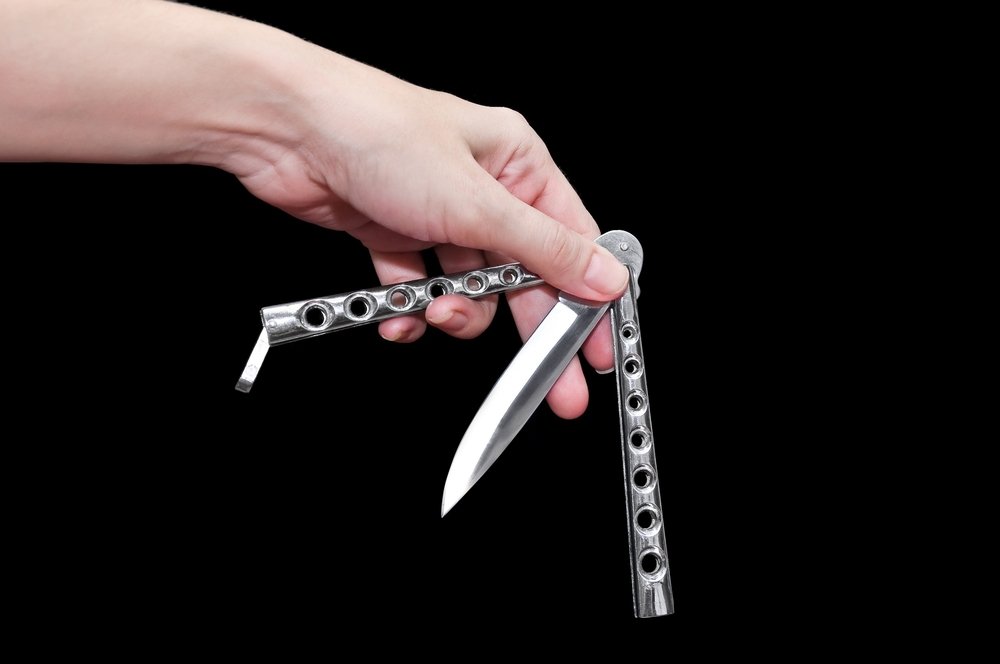
Even if a balisong trainer (a dull, unsharpened version) is possessed, the visual resemblance to a live blade can still cause concern for law enforcement, leading to stops, searches, and potential legal complications, even if ultimately deemed legal. The grey area truly lies in the perception and the quick judgment of officers on the ground, making any form of balisong possession a potentially risky endeavor in California.
Implications for Travelers, Tourists, and Collectors in the Golden State
California is a prime destination for travelers from across the globe, drawn to its diverse attractions ranging from the urban sprawl of Los Angeles and the iconic Golden Gate Bridge in San Francisco to the serene majesty of Yosemite National Park and the otherworldly landscapes of Joshua Tree National Park. For those who carry knives as part of their lifestyle, hobby, or profession, understanding California’s specific regulations is paramount to avoiding unforeseen legal troubles that could derail a carefully planned vacation or business trip.
Navigating California’s Diverse Landscapes with Knives
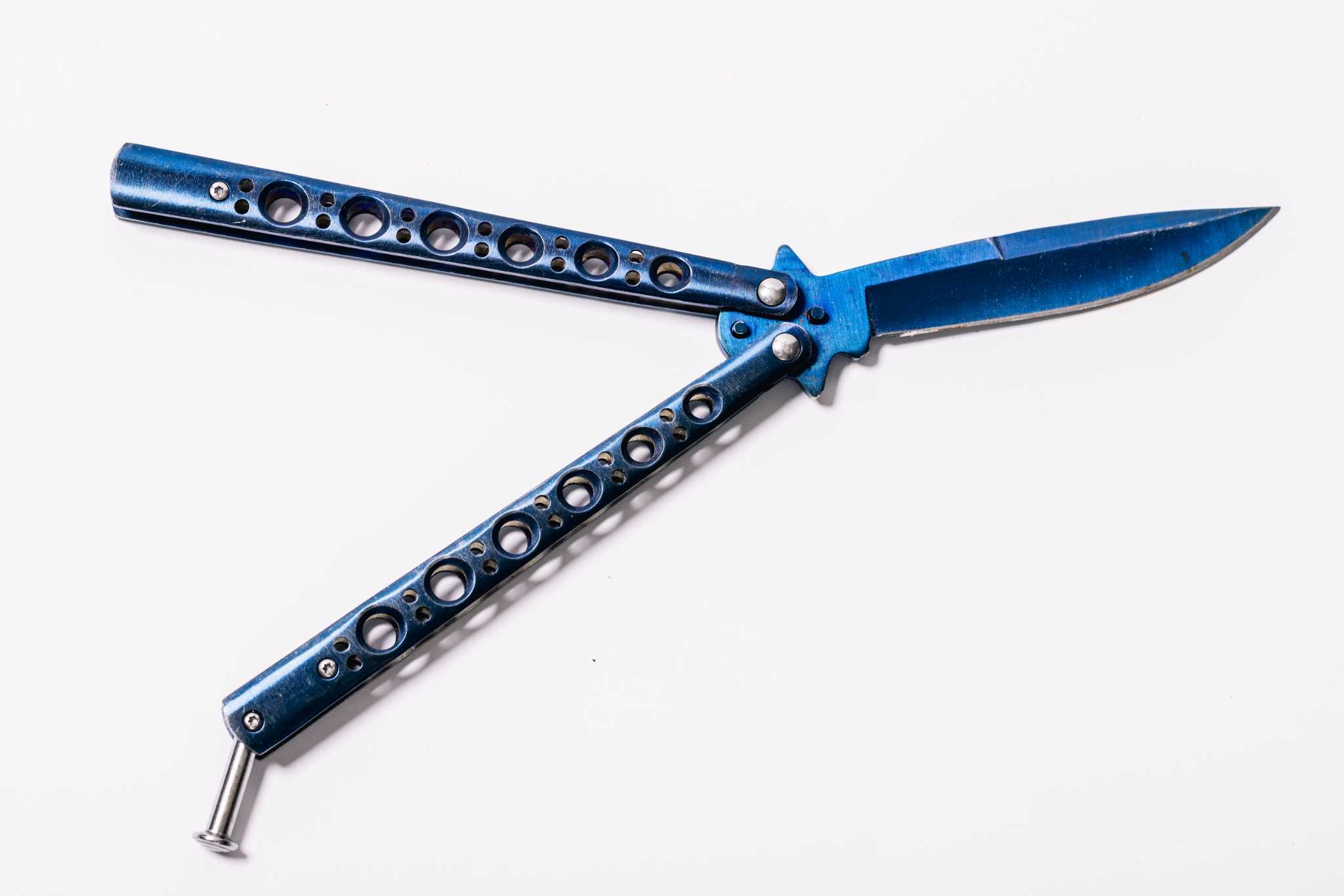
Traveling through California with a balisong, even one that might be perfectly legal in your home state, poses significant risks. Many states have more lenient knife laws, and tourists might unknowingly transport an illegal item across state lines. This is particularly relevant for road trips or individuals moving to California. Ignorance of the law is generally not a valid defense, and legal consequences can be severe.
Consider a traveler driving from Arizona or Nevada into California. A balisong legally owned and carried in Las Vegas could become illegal contraband the moment it crosses the California border. This applies not only to personal vehicles but also to luggage on trains, buses, or even checked baggage on domestic flights landing in California airports like LAX or SFO.
For outdoor enthusiasts planning adventures in the Sierra Nevada mountains, exploring the redwood forests, or camping along the Pacific Ocean coastline, multi-tool knives or fixed-blade knives used for utility are generally permissible, provided they are not carried concealed as a dirk or dagger. However, if a balisong is mistakenly brought along as a utility knife, it immediately falls under the “switchblade” classification, irrespective of its intended use. The safest approach for travelers is to research and comply with California’s knife laws before entering the state and to leave any questionable items at home.
Balisongs as Collectibles and the “Lifestyle” Aspect
Beyond their utility or perceived danger, balisongs are a significant part of a distinct collecting and enthusiast lifestyle. Many individuals appreciate the craftsmanship, the history, and the skill involved in flipping these knives. The art of balisong manipulation, often seen in martial arts demonstrations or as a hobby for improving dexterity, has fostered a dedicated community. For these enthusiasts, California’s strict laws present a considerable challenge.
The primary legal avenue for balisong enthusiasts in California often revolves around balisong trainers. These are non-sharpened, dull versions of the knives designed specifically for practicing flipping techniques without the risk of injury or legal repercussions associated with live blades. Trainers are generally legal to possess and carry, as they do not meet the “blade” definition of a weapon. However, even with trainers, it’s wise to exercise caution in public spaces. The visual similarity to a real balisong can still draw unwanted attention from law enforcement, leading to potential stops and questioning. While eventually clarified, such encounters can be inconvenient and stressful.
Collectors of historical or artistic balisongs with blades two inches or longer face the most significant legal hurdle. While some knife laws in other states might offer exemptions for antique items or items kept solely as part of a collection and not carried, California’s switchblade statute is generally less forgiving. The safest legal advice for collectors in California with live balisongs over two inches is to ensure they are never possessed or displayed in a manner that could be construed as intent to carry, or to consider rehoming such pieces outside of the state. The joy of collecting must be balanced against the very real risks of legal action. This challenges the “lifestyle” aspect for serious collectors within the state.
Accommodation and Public Spaces: What to Expect
When booking accommodation in California, whether it’s a luxury suite at the Ritz-Carlton, a family-friendly stay at a Hilton Hotel, or a cozy apartment rental, guests are expected to adhere not only to hotel policies but also to local and state laws. While hotels generally don’t have specific “no balisong” policies, any item that is illegal under state law, such as a balisong classified as a switchblade, would naturally be prohibited. Discovery of such an item during a room search (if legally warranted) or in response to a disturbance could lead to police involvement, independent of hotel policy violations.
Beyond hotels, public spaces across California are under constant vigilance regarding prohibited items. Tourist attractions like Disneyland, Universal Studios Hollywood, the Santa Monica Pier, or even bustling downtown areas in San Diego and Oakland often have explicit rules against weapons or items that can be perceived as such. Security checks at major events, concerts, or sports venues will undoubtedly lead to the confiscation and potential legal issues if an illegal balisong is found. The best practice for any visitor or resident is to assume that any item legally classified as an illegal weapon should never be carried in public spaces, even if concealed. This applies to luggage in airports, items in rental cars, and even personal belongings left in plain sight. Ensuring a smooth and enjoyable experience in California means prioritizing legal compliance in all aspects of travel and daily life.
Consequences and Responsible Conduct
Understanding the nuances of California’s knife laws, particularly concerning balisongs, is only half the battle. Equally important is being aware of the potential consequences for violations and adopting responsible conduct to avoid legal entanglements. The state takes its weapons laws seriously, and infractions can have significant and long-lasting repercussions.
Penalties for Violations
Possession or carry of an illegal switchblade (which, as established, includes most balisongs with blades two inches or longer) in California is typically classified as a misdemeanor offense. A conviction for a misdemeanor can carry serious penalties, including:
- Jail Time: Up to six months in county jail.
- Fines: Up to $1,000.
- Probation: A period of supervised release, often with specific conditions.
- Confiscation: The illegal knife will be confiscated and destroyed.
While a misdemeanor is less severe than a felony, it still results in a criminal record. This record can have far-reaching implications, affecting:
- Employment opportunities: Many employers conduct background checks.
- Housing applications: Landlords may be hesitant to rent to individuals with criminal records.
- Professional licenses: Certain professions may have restrictions for individuals with convictions.
- Travel: While not usually impacting international travel as severely as a felony, a criminal record can complicate some travel plans or visa applications.
Furthermore, if the balisong is involved in any other criminal activity, or if there’s an alleged intent to use it as a weapon in a threatening manner, the charges can be elevated to felonies, carrying much harsher penalties, including state prison time. For minors, the consequences might involve juvenile detention, substantial fines, and an impact on their future. The legal costs associated with defending against such charges can also be substantial, adding another layer of financial burden to an already stressful situation.
Best Practices for Enthusiasts and the Curious Tourist
Given the strict regulatory environment in California, adopting a cautious and informed approach is essential for anyone interested in balisongs or traveling with knives.
- “When in Doubt, Don’t”: This golden rule is perhaps the most critical. If you are unsure about the legality of a specific knife, especially a balisong, it is always safer to err on the side of caution and leave it at home or refrain from acquiring it within California.
- Verify Local Laws: Before traveling to California or moving between different counties within the state, take the time to research and understand the current knife laws. Laws can sometimes be updated, and interpretations can vary slightly. Reliable legal resources or direct consultation with a legal professional are recommended for definitive answers.
- Consider Legal Alternatives: For balisong enthusiasts, trainers offer a safe and legal way to practice flipping techniques without violating California law. These unsharpened tools allow for skill development and enjoyment of the hobby without the associated legal risks.
- Transporting Knives Responsibly: For legal knives (e.g., standard folding knives with blades under two inches or fixed blades for outdoor use), ensure they are transported securely. In a vehicle, this often means storing them in a locked container, inaccessible to passengers, or in the trunk. Never carry any knife concealed if its nature as a dirk or dagger is questionable or if local ordinances prohibit it.
- Respect Law Enforcement: If you are stopped by law enforcement and questioned about a knife, remain calm, polite, and cooperative. Clearly state that you understand their concerns and are willing to comply with their instructions. Avoid making sudden movements or arguing about the law on the spot.
- Stay Informed About Your Rights: While cooperating, remember your rights. You generally do not have to consent to a search without a warrant or probable cause. However, refusing a search can complicate an interaction, so understand the potential implications.
Ultimately, navigating the legal landscape of balisongs in California requires vigilance and a proactive approach. By understanding the stringent laws, appreciating the potential consequences, and adhering to best practices, enthusiasts and travelers can ensure their exploration of California’s incredible attractions, from the vibrant streets of San Jose to the serene shores of Lake Tahoe, remains enjoyable and free from legal complications. The beauty of the Golden State is best experienced when peace of mind is paramount.