
For any traveler embarking on a journey to the diverse landscapes of Texas, understanding local laws and customs is as crucial as planning your itinerary. From the bustling metropolises of Dallas and Houston to the serene beauty of Big Bend National Park, the Lone Star State offers a tapestry of experiences. However, amidst the excitement of exploring new destinations, practical considerations, such as the legality of carrying certain items, often arise. One common question, particularly for knife enthusiasts, outdoor adventurers, or even curious tourists, revolves around the legality of butterfly knives, also known as balisongs, in Texas. The answer, like many legal matters, involves understanding the specific statutes that govern knife possession and carry within this vast state. This article aims to demystify Texas knife laws, focusing on butterfly knives, and provide essential insights for anyone visiting or residing in the state, ensuring your travel and lifestyle choices remain within legal bounds.

Understanding Texas Knife Laws: A Traveler’s Essential Guide
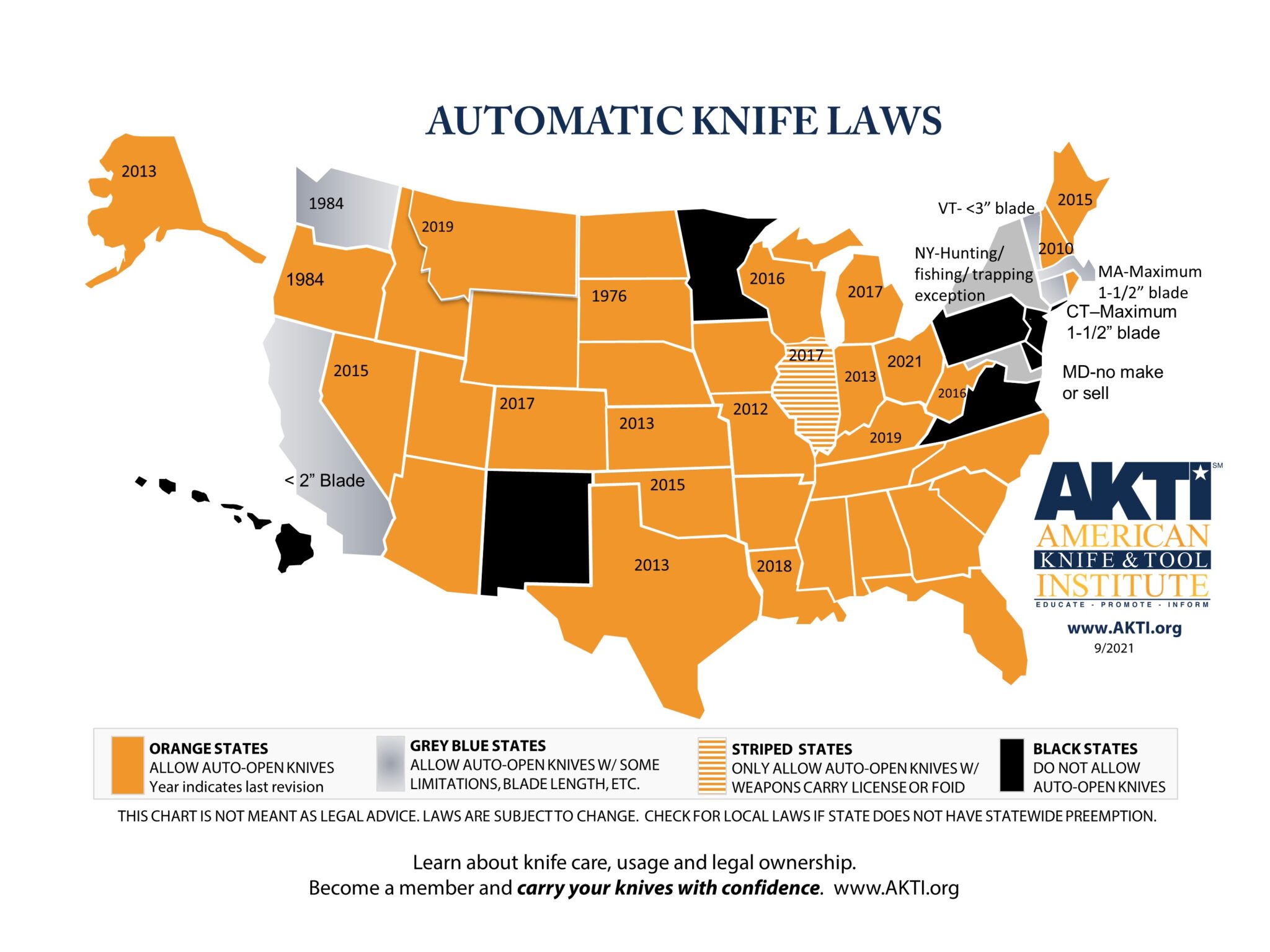
The legal landscape surrounding knives in Texas has undergone significant changes in recent years, particularly with the implementation of House Bill 1935 in 2017. Before this landmark legislation, Texas had a more restrictive approach, categorizing certain knives as “illegal knives” and prohibiting their carry. This often led to confusion for residents and tourists alike, as what constituted an “illegal knife” wasn’t always immediately clear. The 2017 changes marked a substantial shift, largely liberalizing knife laws and aligning Texas with a more permissive stance compared to many other states in the United States.
The Evolution of Knife Legislation in the Lone Star State
Prior to September 1, 2017, Texas Penal Code § 46.01 defined “illegal knives” to include items such as switchblades, daggers, stilettos, bowie knives, and swords, among others. Carrying these knives, especially outside of one’s own premises or vehicle, was generally prohibited. This older framework often made it challenging for travelers to discern what was permissible, leading to concerns about inadvertent legal infractions. The historical context reflects a legislative intent to control weapons perceived as inherently dangerous, often without considering their practical utility or the varying intentions of carriers.
The passage of House Bill 1935 fundamentally altered this landscape. The bill effectively removed the category of “illegal knives” from Texas statutes. This means that, for the most part, adults (individuals 18 years or older) can now legally carry almost any type of knife, openly or concealed, in most places. This sweeping reform was a significant win for knife rights advocates and has made knife ownership and carry far less complicated for the average citizen and visitor. However, it’s crucial to understand that “most places” does not mean “all places,” and specific restrictions still apply.
Defining a Butterfly Knife Under Texas Law
A butterfly knife, or balisong, is a folding knife characterized by two handles counter-rotating around the tang in such a way that, when closed, the blade is concealed within grooves in the handles. These knives are often associated with tricks and martial arts dueencing to their unique opening mechanism. In many jurisdictions, their perceived ability for rapid deployment led them to be categorized alongside switchblades or gravity knives as “forbidden weapons.”
Under the current Texas law (after the 2017 changes), butterfly knives are not explicitly classified as “prohibited weapons” simply by virtue of their design or opening mechanism. This is a critical point. Unlike the previous law that targeted specific knife types, the new legislation focuses more on the intent and the location of carry. Therefore, an adult (18 years or older) can legally possess and carry a butterfly knife in Texas, much like they can a folding pocket knife or a fixed-blade hunting knife. The key is understanding where you carry it and ensuring it is not used in an unlawful manner. This liberality provides a level of freedom for travelers and residents that might not be found in other states, allowing for broader enjoyment of outdoor activities, collecting, or self-defense preparation within the legal framework.
Key Provisions for Knife Carriers: What Every Visitor Needs to Know
While butterfly knives are generally legal to carry for adults in Texas, there are still “prohibited places” where carrying any knife, regardless of type, is unlawful. These restrictions are paramount for travelers to remember. Carrying a knife in these specific locations, even if otherwise legal, can lead to serious legal consequences.
The list of prohibited places includes, but is not limited to:
- Schools and Educational Institutions: This extends to K-12 schools, colleges, and universities, and applies whether the knife is carried on the premises or at a school-sponsored event.
- Polling Places: During voting periods, carrying weapons, including knives, is restricted at designated polling locations.
- Courthouses and Government Meetings: Facilities where judicial proceedings or official government meetings are conducted are typically off-limits for weapons.
- Airports: Beyond the TSA checkpoints, even in areas accessible to the public, airport terminals often have restrictions on weapons.
- Correctional Facilities: Jails and prisons are strictly prohibited areas for any weapons.
- Hospitals and Nursing Homes: While specific regulations can vary, many healthcare facilities restrict weapons.
- Sporting Events: Venues hosting high school, collegiate, or professional sporting events often prohibit weapons.
- Bars and Establishments Derived Primarily from the Sale of Alcoholic Beverages: This is a significant one for travelers enjoying the nightlife in cities like Austin’s Sixth Street or San Antonio‘s Riverwalk. If an establishment derives 51% or more of its income from alcohol sales, knives are generally prohibited.
Furthermore, it is always illegal to carry any knife with the intent to commit a crime, or to brandish it in a threatening manner. While the focus in Texas has shifted away from the type of knife, the responsible and lawful use of any knife remains a critical consideration. Visitors should always exercise caution and discretion, especially when traversing public spaces, to ensure a pleasant and legally compliant journey.
Carrying Knives Across Texas: What You Need to Know When Exploring
Texas is a state of immense geographic and cultural diversity, offering a plethora of experiences from vibrant city life to rugged wilderness. For travelers, understanding how knife carry laws interact with different types of destinations is crucial for a worry-free trip. Whether you’re an urban explorer, an outdoor enthusiast, or simply passing through, knowing the specific nuances of knife carry can make all the difference.
Urban Adventures and Knife Carry: Austin, Dallas, Houston, and Beyond
Cities like Austin, Dallas, Houston, San Antonio, El Paso, and Fort Worth are major tourist hubs, each with its unique attractions. In these urban environments, while carrying a butterfly knife (or most other knives) is generally legal for adults, the “prohibited places” list becomes highly relevant.
Imagine you’re exploring the historic Alamo in San Antonio or wandering through the Dallas Arts District. These are considered public places and generally do not prohibit knife carry, but nearby schools, courthouses, or establishments primarily selling alcohol would. If you’re planning a night out in Austin, known for its live music scene, remember the 51% rule for bars. A Texas State Capitol tour in Austin would also likely fall under government building restrictions.
For those staying in hotels, whether it’s a luxury suite at the Hotel ZaZa Dallas or a quaint boutique hotel in Fredericksburg, storing your knife safely within your accommodation is always a good practice, especially if you plan to visit a prohibited location. While a hotel room is considered private property, exercising caution in public areas of the hotel, and certainly when heading out, is always advisable. The key for urban adventurers is to be situationally aware and to check local signage, as some private businesses may also have their own “no weapons” policies.
Outdoor Pursuits and Wilderness Expeditions: Big Bend National Park and Palo Duro Canyon
For nature lovers and outdoor enthusiasts, Texas offers incredible opportunities, from hiking the dramatic landscapes of Big Bend National Park to exploring the vastness of Palo Duro Canyon State Park. In these settings, a knife often serves as a valuable tool for camping, hiking, and survival.
Generally, carrying a butterfly knife or any other knife for legitimate outdoor purposes is well within the bounds of Texas law in these wilderness areas. There are no specific state-level restrictions against knives in state parks or national parks within Texas that aren’t already covered by the general “prohibited places” list. However, visitors should always check the specific regulations of any park or wilderness area they plan to visit, as federal lands or specific park rules might have additional guidelines, although these are typically less restrictive regarding knives than other types of weapons. For instance, while carrying a knife is generally fine, federal properties like visitor centers or administrative buildings within a national park might have their own restrictions. The utility of a robust knife for outdoor adventures, from cutting rope to preparing food, is widely recognized and supported by the current Texas legal framework.
Special Considerations: Airports, Public Gatherings, and Educational Institutions
When it comes to travel, airports present a unique and universally strict environment. The Transportation Security Administration (TSA) has clear regulations prohibiting knives, including butterfly knives, in carry-on luggage. While they can often be transported in checked luggage, it’s crucial to declare them and ensure they are securely sheathed or packaged. Attempting to bring a knife through a security checkpoint can lead to confiscation and potentially fines or legal trouble, regardless of state law. This is a federal jurisdiction that supersedes state carry laws.
Large public gatherings, such as festivals, concerts, or major sporting events (e.g., a football game at AT&T Stadium or an event at Space Center Houston), often have their own security protocols and “no weapons” policies. Even if the event isn’t in a specifically “prohibited place” under state law, organizers have the right to deny entry to individuals carrying weapons. It’s always best to check the event’s specific rules beforehand.
Educational institutions, from elementary schools to universities like the University of Texas at Austin or Rice University in Houston, are strictly off-limits for knife carry. This prohibition applies universally and is one of the most emphasized “prohibited places” under Texas law. For families traveling with students or visiting campuses, this is a critical rule to observe. Adherence to these specific restrictions ensures not only legal compliance but also contributes to the safety and comfort of all visitors and residents in these diverse settings across Texas.
Lifestyle and Legality: Integrating Knife Ownership into Your Texas Experience
Beyond the legal technicalities, the way knife ownership integrates into various lifestyles in Texas speaks to the state’s culture of self-reliance and outdoor living. From dedicated collectors to individuals who view a knife as an everyday carry tool, the revised laws reflect a broader acceptance of knives as legitimate instruments. However, with this freedom comes the responsibility to understand the nuances and ensure compliance, especially when traveling or engaging in diverse activities.
From Collectors to Culinary Enthusiasts: Diverse Uses and Legalities
The liberalized knife laws in Texas have had a positive impact on knife collectors and enthusiasts. Individuals who appreciate the craftsmanship of a butterfly knife, or any other unique blade, can now openly possess and display their collections without fear of legal repercussions for merely owning an “illegal” type of knife. This extends to buying, selling, and trading, fostering a vibrant community around knife collecting. Events and expos that cater to these interests can thrive, drawing visitors who share a passion for blades.
For culinary enthusiasts and professionals, specialized knives are essential tools. Whether it’s a high-carbon chef’s knife or a unique filleting blade, carrying these tools for work or recreational cooking classes is generally permissible. Similarly, in the vast ranchlands and rural areas of Texas Hill Country or the Panhandle, a sturdy fixed-blade knife is often an indispensable utility item for daily tasks, from field dressing game to general farm work. The law now generally supports the carrying of such tools without arbitrary restrictions based on blade length or opening mechanism, acknowledging their functional role in many Texas lifestyles.
Best Practices for Responsible Knife Ownership and Travel
Even with liberal laws, responsible knife ownership is paramount. This includes:
- Awareness of Surroundings: Always be mindful of where you are. Even if a place isn’t explicitly prohibited by law, brandishing a knife in a crowded public area could cause alarm and attract unwanted attention from law enforcement.
- Secure Carry: For safety and discretion, carry your knife in a way that is secure. Whether it’s in a sheath, a pocket, or a specialized pouch, ensure it’s not prone to accidentally opening or falling out. While open carry is legal for most knives for adults, concealed carry is often preferred for discretion.
- Understanding Intent: Never carry a knife with the intent to harm someone or commit a crime. The law differentiates between carrying a tool and carrying a weapon with malicious intent.
- Age Restrictions: Remember, the relaxed laws apply to adults (18 years and older). Minors generally face more restrictions regarding knife carry.
- Staying Informed: Laws can change. While the 2017 reform was significant, it’s wise to stay updated on any potential future legislative adjustments, especially if you are a frequent traveler to Texas or other states.
Navigating Local Ordinances and Staying Informed
While Texas state law is generally permissive, it’s essential to remember that some cities or municipalities might have local ordinances that add a layer of complexity. Although state law typically preempts local laws regarding knife carry, specific zoning or local regulations might exist, particularly concerning businesses or specific events. Always exercise due diligence by checking for any unique local rules in the particular Texas cities or counties you plan to visit, though for the most part, adherence to state law is sufficient. For instance, a city like Galveston, a popular coastal destination, might have specific rules for beach areas or boardwalks, although these would typically align with state prohibitions. By adopting these best practices, residents and visitors alike can enjoy the freedom of knife ownership and carry responsibly within the broad legal framework of Texas.
Beyond the Blade: Essential Travel Tips for Your Texas Journey
While understanding knife laws is important for a specific segment of travelers, enjoying Texas to its fullest involves a much broader array of planning and preparation. Our site, Life Out of the Box, is dedicated to helping you craft unforgettable travel experiences, and Texas certainly offers a wealth of opportunities across destinations, accommodation, and diverse lifestyles.
Planning Your Stay: Accommodation Choices in Texas
Texas offers an incredible range of accommodation options to suit every taste and budget. From luxurious resorts like the JW Marriott San Antonio Hill Country Resort & Spa to charming bed and breakfasts in small towns like Grapevine, you’ll find the perfect base for your adventures. Consider whether you prefer the vibrant energy of a downtown hotel, the tranquility of a lakeside villa, or the rustic charm of a cabin in a state park. Our guides on hotels, suites, resorts, apartments, and villas can help you compare amenities, read reviews, and book the ideal long-term or short-term stay. Ensure your accommodation is conveniently located for the attractions you wish to visit, whether that’s an art gallery in Houston or a vineyard in the Texas Hill Country.
Exploring Iconic Texas Landmarks
No trip to Texas is complete without experiencing its rich history and natural wonders. Wander through the historic grounds of The Alamo in San Antonio, delve into space exploration at Space Center Houston, or immerse yourself in the natural grandeur of Big Bend National Park. Other must-see Texas landmarks include the Riverwalk, Palo Duro Canyon State Park, and the architectural marvels of Downtown Dallas. Our travel guides offer detailed insights into these attractions, helping you plan your visits to make the most of your time and embrace the local culture.
Ensuring a Smooth and Enjoyable Trip
Beyond the specifics of knife laws, a smooth Texas trip involves practical planning. Factor in the vast distances you might cover, and consider renting a car for maximum flexibility. Research local cuisine – Texas BBQ and Tex-Mex are not to be missed! Pack according to the season, as Texas weather can vary dramatically from scorching summers to surprisingly chilly winters, especially in the northern parts. Staying hydrated, particularly during warmer months, is also essential. By combining legal awareness with comprehensive travel planning, you can ensure your visit to Texas is both enjoyable and free from unexpected complications.

Conclusion: Responsible Travel and Legal Awareness in Texas
In conclusion, for those wondering, “Are butterfly knives illegal in the State of Texas?” the answer for adults (18+) is generally no, thanks to the significant legislative changes in 2017. Butterfly knives are not inherently prohibited by Texas state law. However, this freedom comes with crucial caveats, primarily regarding “prohibited places” where carrying any knife is unlawful, and the universal responsibility to use knives lawfully and safely. For travelers and residents alike, understanding these nuances is key to navigating the Lone Star State without legal issues.
Beyond the specificities of knife laws, Texas offers an incredible array of travel and lifestyle experiences. From exploring its vibrant cities and iconic Texas landmarks to immersing yourself in its diverse natural beauty, planning your trip with awareness and preparation will enhance your journey. By staying informed about state and local regulations, choosing appropriate accommodation, and embracing the rich culture of Texas, you can ensure a memorable and legally compliant adventure. Always prioritize safety, respect local customs, and enjoy the unique charm that Texas has to offer.