
In the vibrant tapestry of global cuisine, where every destination offers a unique culinary adventure, few dishes have transcended cultural boundaries quite like sushi. And within the expansive world of sushi, the California roll stands as an undisputed icon. Often the first foray into Japanese-inspired cuisine for many Western palates, its familiar combination of flavors and textures has made it a ubiquitous presence, from bustling airport lounges to gourmet restaurants in Tokyo. But as travelers embark on journeys around the globe, seeking out new experiences and flavors, a common question arises amidst the excitement of exploration: “Are California rolls healthy?”
This isn’t just a casual query; it’s a reflection of a broader trend towards mindful eating and healthier lifestyle choices, even when on the move. For those who prioritize wellness without sacrificing the joy of discovery, understanding the nutritional profile of this popular roll is key. Whether you’re planning a luxurious escape to a five-star resort in Maui, navigating the vibrant street food scene of Bangkok, or simply looking for a quick and convenient meal between connecting flights, the California roll often appears as a seemingly light and wholesome option. But does it truly live up to this perception?
This article delves into the origins, ingredients, and nutritional aspects of the California roll, offering insights for discerning travelers and food enthusiasts alike. We’ll explore how this roll fits into the broader context of food tourism and healthy living, helping you make informed decisions as you savor the culinary delights of your adventures.

The Global Phenomenon of the California Roll: A Culinary Journey
The California roll’s journey from a niche delicacy to a global staple is a testament to its adaptability and universal appeal. It’s a dish that symbolizes the fusion of cultures, a culinary bridge between East and West. For many, it’s the gateway to appreciating the nuanced art of sushi, paving the way for more adventurous culinary explorations.
From Los Angeles to Global Palates: A Brief History
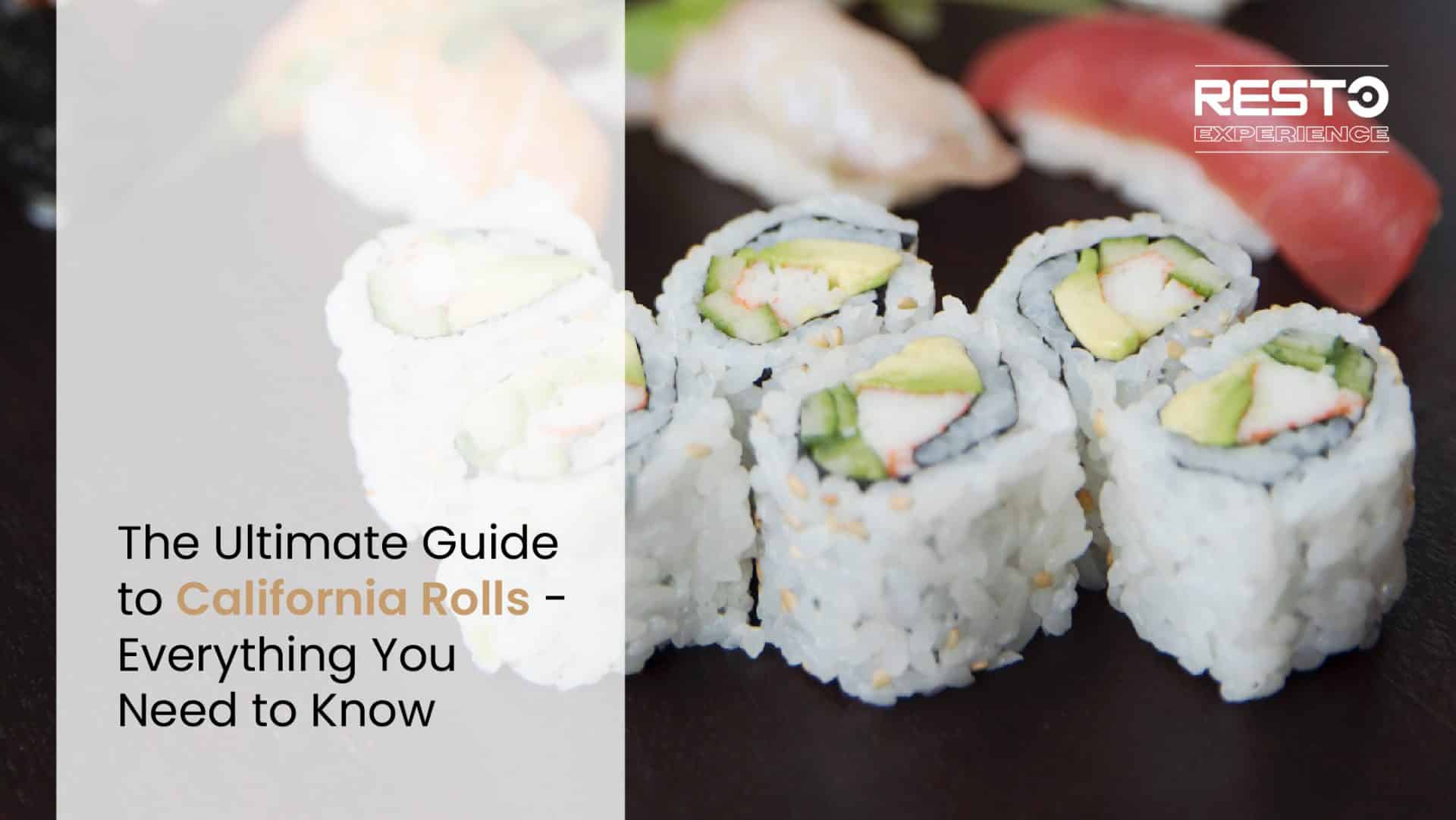
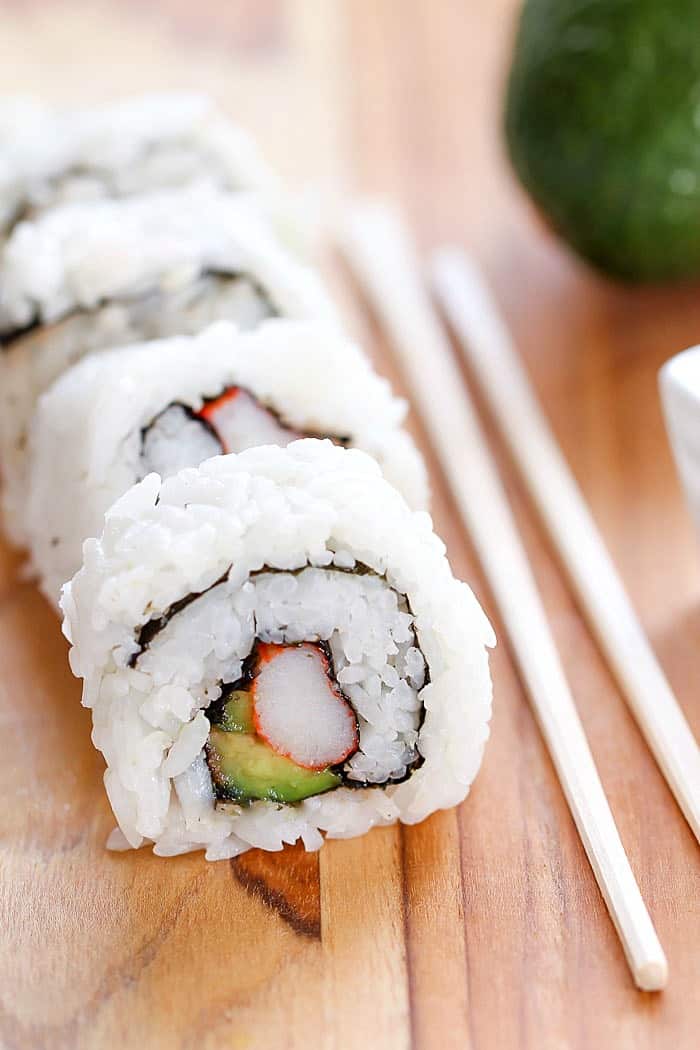
The exact origins of the California roll are debated, but the most widely accepted theory credits a chef named Ichiro Mashita at the Tokyo Kaikan restaurant in Los Angeles in the late 1960s or early 1970s. Facing a clientele unfamiliar with raw fish and the traditional seaweed-wrapped nori on the outside, Mashita innovated by placing the nori on the inside, thus creating an “inside-out” roll known as uramaki. He also substituted fatty tuna, which was difficult to source fresh, with avocado, and used imitation crab (surimi) for its palatable texture and availability. This ingenious combination of avocado, cucumber, and imitation crab meat, wrapped in rice and nori, quickly became a sensation.
Another theory points to Hidekazu Tojo, a chef in Vancouver, Canada, who claims to have created a similar inside-out roll with crab and avocado in the early 1970s, which he later called the “Tojo Maki.” Regardless of its precise birthplace, the roll’s widespread popularity in North America led to its international recognition as the “California roll.”
This roll’s success was largely due to its approachability. It circumvented the Western aversion to raw fish, offered familiar flavors, and was aesthetically pleasing with the rice on the outside. It became a stepping stone, introducing countless people in the United States and beyond to the world of sushi, setting the stage for more traditional and avant-garde sushi creations to gain acceptance.
Why the California Roll Became a Travel Staple
The California roll’s rapid ascent to a global travel staple can be attributed to several factors that resonate strongly with the needs and preferences of modern travelers. Its convenience is unparalleled. Found in airport food courts, hotel cafes, pre-packaged at supermarkets, and on restaurant menus from London to Sydney, it offers a quick, portable, and often relatively clean eating option when navigating new environments.
For travelers who might be wary of unfamiliar local cuisines or have dietary restrictions, the California roll provides a safe and recognizable choice. Its ingredients are generally mild and its preparation is usually consistent across different establishments. This familiarity offers a sense of comfort and reliability, especially important when language barriers make ordering complex or when time is of the essence. Moreover, in many urban centers, sushi bars and Japanese restaurants are abundant, making the California roll an accessible option for a mid-day meal or a light dinner after a day of sightseeing at famous landmarks. Its reputation as a “healthier” fast-food alternative also aligns with the growing trend of health-conscious tourism, where travelers seek to maintain their wellness routines even while indulging in new experiences.
Deconstructing the California Roll: A Nutritional Deep Dive for Travelers
To truly answer the question of whether California rolls are healthy, we must break down their individual components and understand their nutritional contributions. For travelers, this insight allows for more informed choices, whether dining in a casual eatery or a luxury resort restaurant.
Key Ingredients and Their Health Benefits (or Concerns)
A standard California roll typically consists of several core ingredients, each contributing to its overall nutritional profile:
- Sushi Rice: The base of any sushi roll, sushi rice is usually white rice seasoned with vinegar, sugar, and salt. While it provides a quick source of carbohydrates for energy—much needed after a long flight or an active day of exploring a new city like Paris—it’s also high in refined carbs. The added sugar and salt contribute to the calorie count. Choosing brown rice is an excellent option often available at quality sushi establishments, significantly boosting fiber content and offering a more sustained energy release.
- Nori (Seaweed): The dark green wrapper (often on the inside) is a nutritional powerhouse. Nori is rich in iodine, essential for thyroid function, and contains vitamins A, C, E, and K, as well as B vitamins. It’s also a good source of minerals like calcium, magnesium, and iron. Its low-calorie, nutrient-dense profile is definitely a health benefit.
- Avocado: This creamy green fruit is one of the healthiest components. Avocado is packed with monounsaturated fats, known for their heart-healthy benefits, and is a good source of fiber, potassium, and vitamins K, C, B6, and E. It adds a luxurious texture and a significant nutritional boost to the roll.
- Cucumber: Primarily water, cucumber provides hydration and a refreshing crunch. It’s low in calories and offers some vitamins and minerals, including vitamin K. Its role is largely to add texture and freshness without significantly impacting the calorie count.
- Imitation Crab (Surimi): This is where some health concerns arise. Imitation crab is typically made from surimi, a paste primarily composed of white fish (often pollock), starches, egg whites, sugar, salt, and artificial flavorings and colors. While it does provide some protein, it’s often high in sodium and contains added sugars and less desirable additives compared to real crab meat. Opting for rolls with real crab meat (often labeled “real crab” or “snow crab”) is a healthier choice, albeit usually more expensive.
- Mayonnaise/Spicy Mayo: Many California rolls, especially those with a “spicy” variant, include a generous dollop of mayonnaise. Traditional mayonnaise is high in fat and calories, and spicy mayo often compounds this with additional oils and seasonings. While delicious, this ingredient significantly increases the calorie and fat content of the roll, potentially turning a light snack into a heavier meal.
Comparing Sushi Varieties: How California Rolls Stack Up
When evaluating the healthfulness of a California roll, it’s helpful to compare it to other popular sushi options and even common travel foods.
- Against Traditional Sushi (Nigiri/Sashimi): A simple piece of nigiri (fish over rice) or sashimi (just fish) is generally much healthier. These options focus on lean protein (fish) and often contain less rice, no imitation crab, and no mayonnaise. The raw fish in traditional sushi is usually rich in omega-3 fatty acids, which are highly beneficial for heart and brain health.
- Against Other Rolls: Rolls like a tuna or salmon maki (fish and rice, often with nori on the outside) are also typically healthier, again due to leaner protein and absence of heavy sauces or imitation ingredients. Vegetable rolls, filled with avocado, cucumber, carrots, and other fresh produce, are excellent low-calorie, nutrient-dense alternatives.
- Against Fast Food: Compared to a burger and fries or a fried chicken meal, a California roll can certainly be a healthier choice. It contains fresh vegetables, some lean protein (even if imitation), and complex carbohydrates. However, if heavily laden with mayo or made with excessive rice, its calorie count can quickly rival that of a less healthy fast-food option.
- Against Other Travel Snacks: When weighing options at an airport convenience store or gas station, a California roll is often a better choice than sugary snacks, highly processed chips, or pastries, offering more sustained energy and nutrients.
The key takeaway is that the “healthiness” of a California roll is relative. It’s not inherently unhealthy, but its nutritional value can vary significantly based on ingredients and preparation, making mindful choices crucial for travelers.
Making Healthier Choices: Enjoying California Rolls While Exploring
For the health-conscious traveler, the good news is that you don’t have to forgo the pleasure of a California roll entirely. With a few smart modifications and mindful eating habits, it can remain a part of your balanced diet, even when experiencing the culinary diversity of a city like Rome or Mexico City.
Smart Swaps and Customizations on the Go
When ordering a California roll, especially at a dedicated sushi restaurant, you often have the flexibility to make it a healthier choice:
- Opt for Brown Rice: This is perhaps the easiest and most impactful swap. Brown rice provides more fiber, which aids digestion, helps you feel fuller for longer, and stabilizes blood sugar levels. Many sushi restaurants, especially those in hotels or popular tourist areas, now offer this option.
- Ask for Real Crab Meat: If available, choose rolls made with real crab meat instead of imitation crab. Real crab is a lean source of protein and doesn’t contain the added starches, sugars, and artificial ingredients found in surimi.
- Go Easy on the Mayo (or Skip It): Mayonnaise, especially spicy mayo, significantly increases the fat and calorie content. Requesting “light mayo” or “mayo on the side” allows you to control the portion, or even better, skip it altogether. The natural creaminess of avocado often provides enough richness.
- Load Up on Veggies: While California rolls already contain cucumber and avocado, consider adding extra vegetables like carrots, bell peppers, or spinach to boost fiber and nutrient intake. Many establishments allow for customization.
- Pair with Edamame or Miso Soup: Instead of ordering multiple rolls, complement your California roll with a side of edamame (steamed soybeans, a great source of plant-based protein and fiber) or a light miso soup (fermented soybean paste, rich in probiotics and minerals). These additions provide nutrients and satiety without heavy calories.
- Mind Your Soy Sauce: While a delicious accompaniment, soy sauce can be very high in sodium. Use it sparingly, or opt for low-sodium soy sauce if available, especially important for travelers monitoring blood pressure.
Balancing Your Culinary Adventures
Healthy eating on a trip isn’t about rigid restrictions; it’s about balance and mindfulness. Enjoying a California roll should be part of a broader strategy to maintain wellness while embracing local culture and cuisine.
- Listen to Your Body: Pay attention to hunger and fullness cues. Don’t feel compelled to finish an entire platter of rolls if you’re already satisfied.
- Diversify Your Meals: If you have a California roll for lunch, perhaps opt for a lighter, vegetable-rich dinner, or choose lean proteins and fresh produce for other meals. This ensures a broad spectrum of nutrients throughout your day.
- Stay Hydrated: Water is crucial, especially when traveling. It helps with digestion, energy levels, and can sometimes be mistaken for hunger. Keep a reusable water bottle handy as you explore.
- Incorporate Physical Activity: Travel often involves a lot of walking, which naturally helps burn calories. Whether it’s exploring a bustling city on foot, hiking a scenic trail, or swimming in your hotel’s pool, staying active complements your healthy eating choices.
- Embrace Local, Healthy Options: While the California roll offers familiarity, don’t miss out on the genuinely healthy and delicious local fare. Many destinations offer fresh seafood, abundant fruits and vegetables, and traditional dishes that are naturally wholesome. For instance, in Southeast Asia, fresh spring rolls or grilled fish can be excellent choices.
By integrating these practices, a California roll can be a delightful and reasonable component of your travel diet, rather than a deviation from your health goals.
Beyond the Roll: Experiencing Food and Wellness on Your Travels
The discussion around the California roll extends beyond its immediate nutritional value; it touches upon the broader philosophy of how we approach food and wellness while exploring the world. Travel is an opportunity for growth, discovery, and self-care, and food plays a pivotal role in this holistic experience.
Exploring Local Cuisines and Healthy Options Worldwide
One of the greatest joys of travel is immersing oneself in the local culture, and food is often at the heart of this immersion. While the California roll offers a comfortable fallback, actively seeking out and experiencing authentic local cuisines can be incredibly rewarding, both culinarily and nutritionally.
In Italy, savor fresh pasta with vibrant tomato sauces or lean grilled meats and abundant salads. In Greece, indulge in the Mediterranean diet’s bounty of fresh vegetables, olive oil, and seafood. Even in countries known for richer fare, there are always healthier options to discover. For instance, a hearty lentil soup in Turkey or steamed dumplings in China can be both culturally enriching and nutritionally sound. Websites dedicated to food tourism often provide guides to healthy eating in various destinations, highlighting restaurants and markets that prioritize fresh, wholesome ingredients.
Many accommodations, from boutique hotels to expansive resorts, are also increasingly catering to health-conscious guests. You might find organic breakfast buffets, farm-to-table dining experiences, or even cooking classes that teach you how to prepare healthy local dishes. This growing trend in the hospitality sector means that maintaining a healthy lifestyle while traveling has become easier and more enjoyable than ever before.
Travel, Lifestyle, and Mindful Eating
Ultimately, the question “Are California rolls healthy?” is best answered within the context of a mindful approach to travel and lifestyle. A single California roll won’t derail your health goals, just as a single salad won’t instantly make you healthy. It’s the cumulative choices that matter.
Mindful eating involves being present with your food, understanding its components, and enjoying it in moderation. It means savoring the flavors, textures, and aromas, rather than mindlessly consuming. When traveling, this mindset allows you to fully appreciate the culinary landscape of your destination, making intentional choices that nourish both your body and your adventurous spirit. Whether it’s choosing a California roll with brown rice and real crab, or opting for a vibrant salad at a Parisian café, each decision contributes to a balanced and fulfilling travel experience.
Travel is a journey of discovery, and this extends to our relationship with food. By making informed, conscious choices about what we eat, we enhance our well-being, deepen our cultural understanding, and create lasting memories that are as nourishing for the soul as they are for the body. So, next time you encounter a California roll on your travels, you’ll be equipped not just to enjoy it, but to enjoy it wisely, contributing to a healthier, more enriching travel lifestyle.
LifeOutOfTheBox is a participant in the Amazon Services LLC Associates Program, an affiliate advertising program designed to provide a means for sites to earn advertising fees by advertising and linking to Amazon.com. Amazon, the Amazon logo, AmazonSupply, and the AmazonSupply logo are trademarks of Amazon.com, Inc. or its affiliates. As an Amazon Associate we earn affiliate commissions from qualifying purchases.