
Florida, often referred to as the Sunshine State, beckons millions of travelers each year with its pristine beaches, vibrant cities, world-class theme parks, and rich cultural experiences. From the magical enchantment of Walt Disney World in Orlando to the Art Deco splendor of Miami’s South Beach and the historic charm of Key West, there’s an adventure waiting for every type of visitor. As travel trends evolve, so does the landscape of legal substances, with cannabis products like edibles gaining increasing attention. For those planning a trip to this popular United States destination, understanding the legality of edibles in Florida is crucial for a hassle-free and enjoyable vacation.
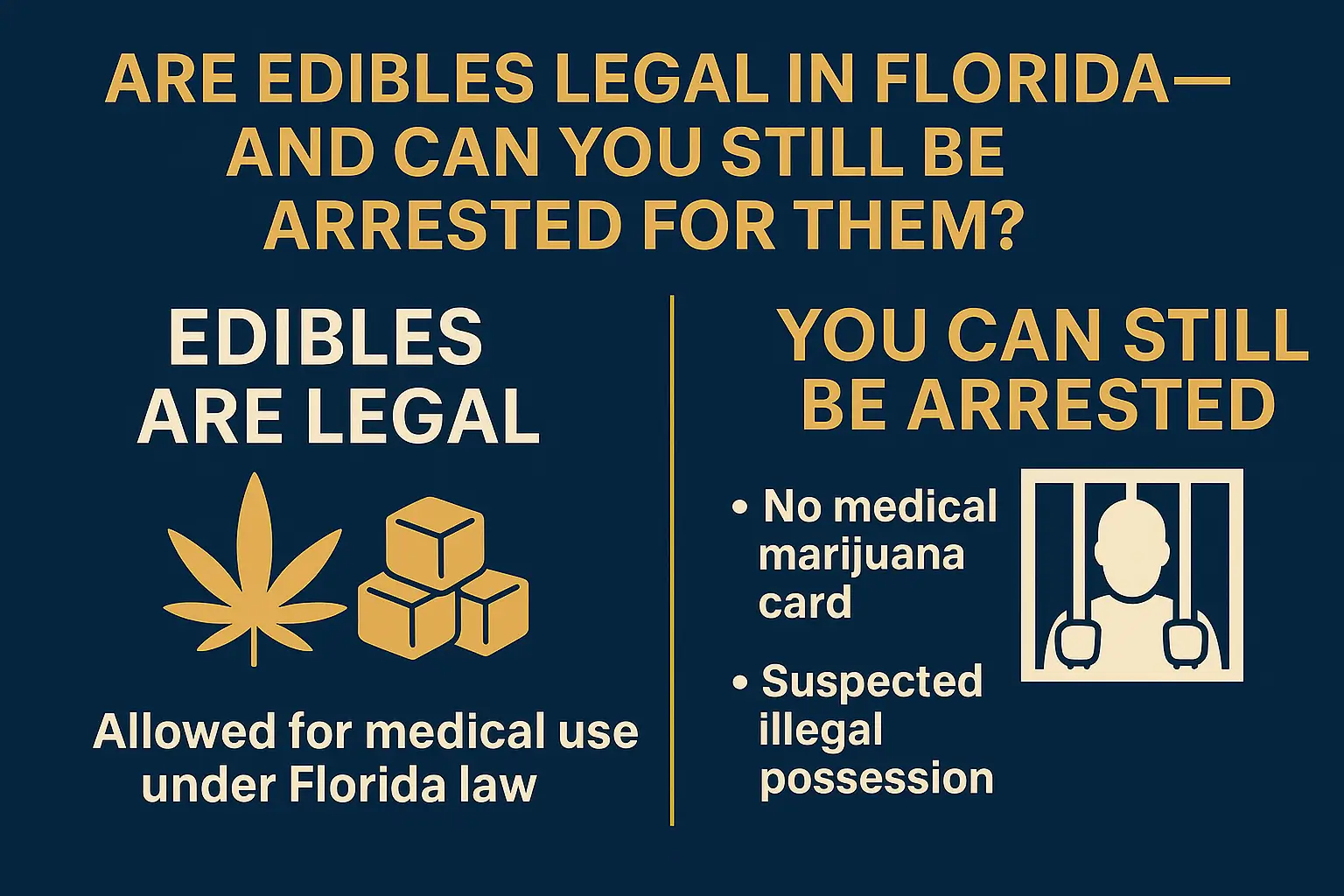
Navigating the nuances of cannabis laws, especially concerning edibles, can be complex. Unlike states like Colorado or California where recreational marijuana is legal, Florida operates under a more restrictive framework. This guide aims to clarify the current legal status of edibles, outlining what visitors need to know before they pack their bags and head for the Sunshine State. Whether you’re a registered medical marijuana patient, curious about CBD products, or simply want to stay informed, we’ll delve into the regulations, potential pitfalls, and practical advice to ensure your Florida journey is memorable for all the right reasons.
The Current Legal Landscape: Medical vs. Recreational Use
The legality of edibles in Florida hinges entirely on whether they are intended for medical or recreational use. Florida’s approach to cannabis is predominantly medical, with strict regulations governing its cultivation, distribution, and consumption. This distinction is paramount for travelers, as misunderstanding it can lead to severe legal consequences.
Understanding Medical Marijuana in Florida
In 2016, Florida voters approved Amendment 2, significantly expanding the state’s medical marijuana program. This landmark decision paved the way for qualifying patients to legally access cannabis, including edibles, for therapeutic purposes. To be eligible, an individual must be a permanent or seasonal Florida resident and have been diagnosed with a qualifying medical condition by a state-licensed physician. These conditions include cancer, epilepsy, glaucoma, HIV/AIDS, PTSD, ALS, Crohn’s disease, Parkinson’s disease, multiple sclerosis, and other debilitating conditions of the same kind or class.
Once a patient receives a physician’s recommendation, they must register with the Florida Medical Marijuana Use Registry to obtain a medical marijuana use registry identification card. This card is the official document that allows patients to purchase and possess medical cannabis products, including a variety of edibles such as gummies, chocolates, capsules, and tinctures, from licensed Medical Marijuana Treatment Centers (MMTCs), commonly known as dispensaries. For visitors, it’s crucial to understand that out-of-state medical marijuana cards are generally not recognized in Florida. Therefore, even if you are a registered patient in another state, you cannot legally purchase or consume medical marijuana in Florida without going through the state’s specific certification and registration process, which is often impractical for short-term visitors.
The Status of Recreational Edibles
The answer to whether recreational edibles are legal in Florida is unequivocally no. Unlike the medical program, which has clearly defined pathways for access, the sale, possession, and use of THC-containing cannabis for recreational purposes remain illegal across the Sunshine State. This includes all forms of recreational cannabis products, whether they are smoked, vaped, or consumed as edibles.
Possession of even small amounts of recreational cannabis can lead to significant penalties, ranging from misdemeanor charges with fines and potential jail time to felony charges for larger quantities or intent to distribute. These legal repercussions can severely disrupt travel plans, result in substantial legal fees, and even impact future travel opportunities to the United States. It is essential for all travelers to respect Florida’s laws and avoid any involvement with illegal cannabis products. The state strictly enforces these regulations, and ignorance of the law is not considered a valid defense.
Navigating Edibles as a Florida Visitor
For travelers venturing to Florida, understanding how to navigate the landscape of edibles, whether for medical needs or simply curiosity about legal alternatives, is vital. The state’s unique regulations require careful consideration to ensure compliance and a stress-free trip.
For Medical Patients: Accessing Your Edibles
If you are a medical marijuana patient from another state, unfortunately, your out-of-state medical card will not grant you immediate access to medical cannabis in Florida. As previously mentioned, Florida’s program requires specific residency and registration with the Florida Medical Marijuana Use Registry. For long-term visitors or “snowbirds” who spend several months in the state, it might be feasible to establish seasonal residency and complete the necessary steps to become a qualifying patient. This involves consulting with a Florida-licensed physician who can certify your condition and submitting an application to the state for a medical marijuana card.
Once registered, patients can visit any of the numerous licensed Medical Marijuana Treatment Centers (MMTCs) located throughout cities like Tampa, Orlando, and Miami. These dispensaries offer a wide array of medical edibles, including precisely dosed gummies, chocolates, cookies, and capsules, all clearly labeled with THC content and ingredients. However, even with a medical card, patients must adhere to purchasing limits and consumption guidelines, which prohibit public consumption and restrict transportation across state lines. Bringing medical cannabis from your home state into Florida, or vice-versa, is strictly illegal due to federal laws governing interstate commerce and controlled substances.
For Recreational Users: Understanding the Risks
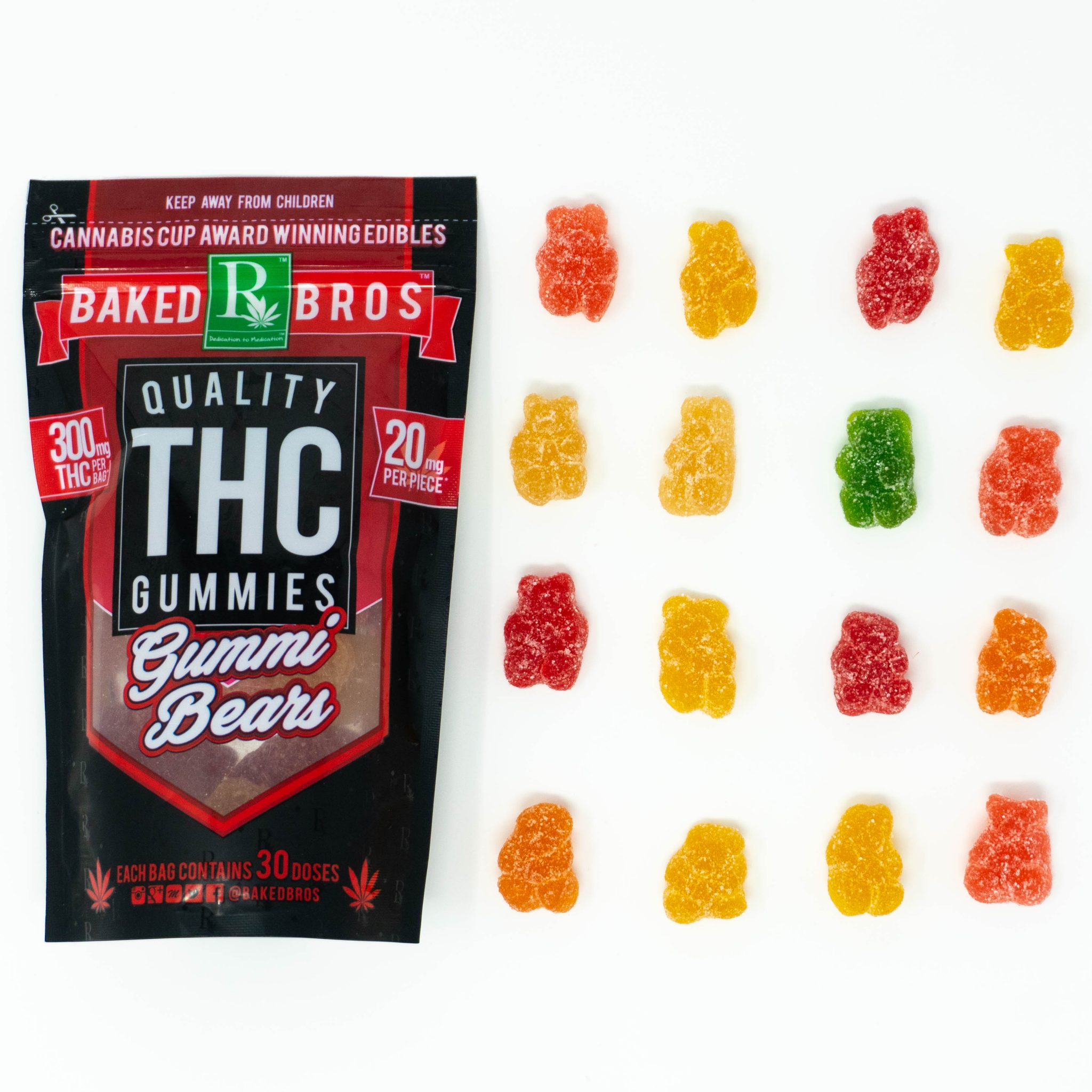
For those accustomed to legal recreational cannabis in their home states or countries like Canada or Mexico, the temptation to seek out edibles in Florida might exist. However, the risks associated with recreational THC edibles in the Sunshine State are substantial and far outweigh any potential benefits. Purchasing cannabis from unlicensed sources is not only illegal but also dangerous, as these products are unregulated and may contain harmful contaminants or inaccurate dosages.
Penalties for possession of illegal THC products vary depending on the amount. Possession of 20 grams or less of cannabis (which can equate to a significant number of edibles) is a first-degree misdemeanor, punishable by up to a year in jail and a $1,000 fine. Larger quantities can lead to felony charges, carrying longer prison sentences and heavier fines. These legal troubles can quickly turn a dream vacation into a nightmare, impacting not only your freedom but also your finances and future travel. It is always best to err on the side of caution and completely avoid recreational THC products while visiting Florida.
The Rise of CBD Edibles: A Legal Alternative
For travelers seeking potential wellness benefits without the psychoactive effects of THC, CBD edibles offer a legal and readily available alternative. Following the 2018 Farm Bill, hemp-derived CBD products containing less than 0.3% THC by dry weight are federally legal in the United States, and Florida has adopted similar regulations. This means that CBD gummies, chocolates, beverages, and other infused products are widely available in health food stores, dedicated CBD shops, pharmacies, and even some grocery stores across the state.
CBD is non-intoxicating and is often used by individuals seeking relief from stress, anxiety, sleep issues, or minor aches and pains, making it a popular choice for travelers looking to enhance their relaxation or manage travel-related discomfort. When purchasing CBD edibles, look for products from reputable brands that provide third-party lab testing results (Certificate of Analysis) to ensure product quality, purity, and accurate THC content (confirming it’s below the 0.3% legal limit). While CBD edibles are legal, it’s still advisable to consume them discreetly, particularly in public spaces, to avoid any confusion or unwanted attention.
Practical Considerations for Travel and Accommodation
Travel planning involves more than just booking flights and choosing the perfect hotel; it also means understanding local laws, especially concerning substances like edibles. For Florida visitors, several practical considerations come into play regarding transportation and accommodation.
Edibles and Transportation in Florida
One of the most critical aspects for travelers to understand is the intersection of edibles and transportation. Federal law classifies cannabis as a Schedule I controlled substance, which means it is illegal under federal jurisdiction, regardless of state laws. This has profound implications for air travel. The Transportation Security Administration (TSA), while primarily focused on security threats, will refer any suspected violations of law, including possession of marijuana, to law enforcement. Therefore, attempting to carry any THC-containing edibles, even medical ones, through airports like Orlando International Airport, Miami International Airport, or Fort Lauderdale-Hollywood International Airport, is highly risky and illegal. Even flying from one legal state to another through Florida can lead to federal charges if discovered.
When traveling by car within Florida, while medical cannabis is permitted for registered patients, consumption while driving is strictly illegal and subject to DUI laws. Furthermore, even if you are a medical patient, public consumption of edibles is generally prohibited. This includes parks, beaches, and other public areas. Discretion is key. If you are a medical patient, store your edibles securely and out of reach, preferably in their original, child-resistant packaging, and only consume them in private settings where permitted.
Hotel Policies and Vacation Rentals
The question of consuming edibles in your chosen accommodation is another vital consideration. While Florida has a medical marijuana program, most private businesses, including hotels and resorts, maintain a strict no-cannabis policy. This is often due to federal prohibitions, insurance liabilities, or simply to maintain a family-friendly environment. Major hotel chains like Marriott, Hilton, and Hyatt typically prohibit all forms of cannabis use on their properties, regardless of its legal status in the state. Attempting to consume edibles in a hotel room might lead to fines, eviction, or even legal trouble.
For vacation rentals booked through platforms like Airbnb or VRBO, policies can vary significantly. Some owners may explicitly prohibit cannabis use, while others might be more lenient, particularly for medical patients. It is always best to check the specific property rules or communicate directly with the host before your arrival. If cannabis use is prohibited, respect the policy. Edibles, by their nature, are more discreet than smoking, reducing the likelihood of detection through odor. However, exercising caution and discretion is paramount to avoid issues with property management or law enforcement.
The Future of Cannabis in the Sunshine State
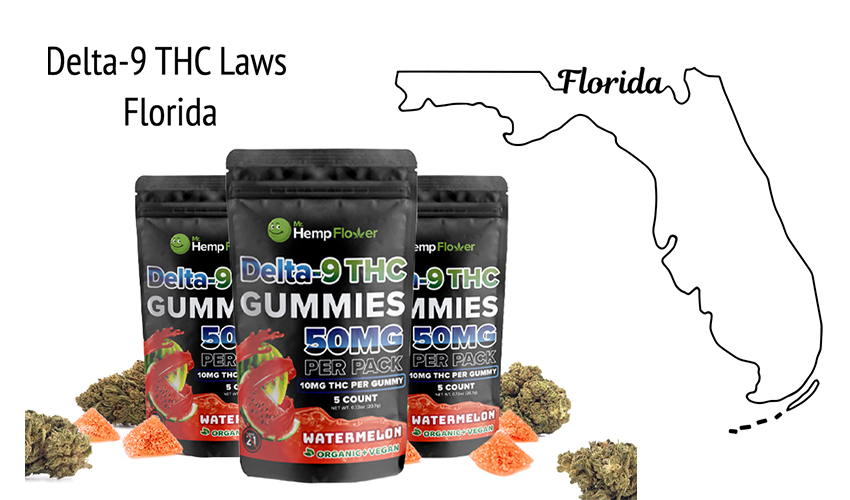
The legal landscape surrounding cannabis is continually evolving in the United States, and Florida is no exception. While recreational cannabis remains illegal, there are ongoing efforts and ballot initiatives aimed at legalizing adult-use marijuana in the Sunshine State. Activist groups and political figures frequently campaign for the issue, citing potential tax revenue, criminal justice reform, and individual liberties. If recreational cannabis were to be legalized, it would undoubtedly transform Florida tourism and the state’s economy, potentially mirroring the success seen in states like Nevada or New York.
Such a change would not only expand access to THC edibles for adults but also necessitate the establishment of a robust regulatory framework for production, sale, and consumption, similar to existing alcohol laws. This could lead to the emergence of cannabis tourism, with specialized dispensaries, lounges, and cannabis-friendly accommodations catering to a new demographic of travelers. However, until such legislation passes and is fully implemented, the current laws remain firmly in place. Travelers should always consult the most up-to-date legal information from official Florida government sources or legal experts, as laws can change rapidly. Staying informed ensures compliance and contributes to a safe and enjoyable travel experience in this beautiful and dynamic state.
In conclusion, while Florida offers a plethora of unforgettable experiences for every type of traveler, understanding its specific laws regarding edibles is paramount. Recreational THC edibles are illegal, carrying serious penalties. Medical THC edibles are only accessible to registered Florida medical marijuana patients. CBD edibles, however, are a legal and widely available alternative. Always prioritize safe, responsible, and informed travel decisions to ensure your visit to the Sunshine State is nothing short of spectacular.
LifeOutOfTheBox is a participant in the Amazon Services LLC Associates Program, an affiliate advertising program designed to provide a means for sites to earn advertising fees by advertising and linking to Amazon.com. Amazon, the Amazon logo, AmazonSupply, and the AmazonSupply logo are trademarks of Amazon.com, Inc. or its affiliates. As an Amazon Associate we earn affiliate commissions from qualifying purchases.