
For many, the crackle and boom of fireworks are synonymous with celebration, marking momentous occasions like New Year’s Eve or Independence Day. When planning a trip to the Sunshine State, whether for a relaxing beach vacation, an exhilarating theme park adventure, or a cultural exploration, visitors often wonder if they can bring their own sparkle to the festivities. The question, “Are fireworks legal in Florida?” is surprisingly complex, often leading to confusion for both tourists and long-time residents alike. The state’s statutes have a unique approach that differentiates between certain types of pyrotechnics, creating a nuanced legal landscape that can catch even the most well-intentioned individual off guard. Understanding these regulations is paramount not only for staying on the right side of the law but also for ensuring the safety of yourself, your loved ones, and the vibrant communities and delicate ecosystems that make Florida such a popular destination.
As a premier destination for travel, Florida welcomes millions of visitors annually, drawn to its diverse attractions ranging from the magical realms of Walt Disney World Resort in Orlando to the historic charm of St. Augustine and the pristine beaches of the Florida Keys. These visitors often book stays in various forms of accommodation, from luxurious resorts and boutique hotels in Miami Beach to cozy vacation villas in Naples or apartments in Tampa. The desire to celebrate with personal fireworks, particularly around major holidays, is a natural inclination. However, the unique legal framework in Florida means that what might be permissible in one state could be strictly forbidden here. This guide aims to demystify Florida’s fireworks laws, provide essential safety tips, and offer insights into how these regulations impact your travel experience and the overall tourism landscape of the state.
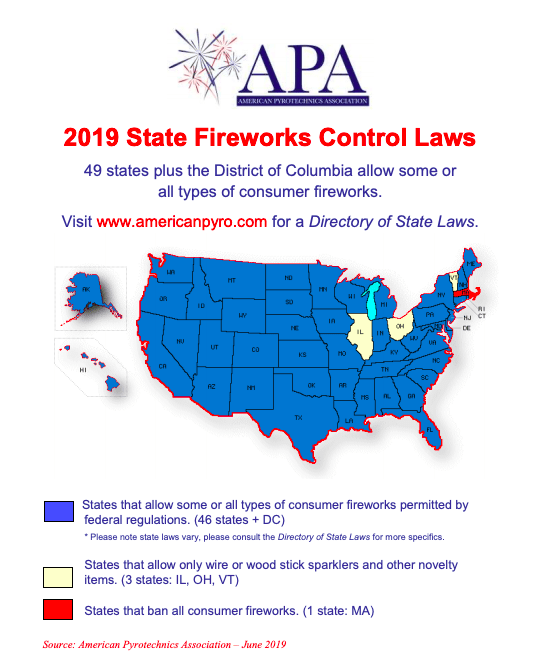
Navigating Florida’s Fireworks Landscape: The Nuances of the Law
At first glance, Florida Statute 791.02 appears to prohibit most consumer fireworks, declaring it unlawful for any person, firm, co-partnership, or corporation to offer for sale, expose for sale, sell, or discharge any fireworks without a permit. This broad prohibition often leads people to believe that all fireworks are illegal in the state. However, the legal reality is far more intricate, hinging on specific definitions and historical amendments that have created a unique “sparkler loophole.” This legal quirk has allowed a thriving industry to exist, selling what are commonly perceived as fireworks, while technically adhering to the letter of the law. For travelers exploring destinations like Fort Lauderdale or Sarasota, understanding this distinction is key to enjoying festivities responsibly.
Understanding the “Sparkler” Loophole
The crux of Florida’s fireworks law lies in its definition of what constitutes a “firework.” While devices that explode, launch into the air, or provide a spectacular aerial display are generally prohibited for consumer use, the statute makes a significant exception for “sparklers.” Specifically, Florida Statute 791.01 (4) defines sparklers as “compositions of pyrotechnic materials designed to produce a shower of sparks upon burning, not containing any explosive or propellant materials, and not designed to produce a report (bang) or to travel horizontally or vertically under its own power.” This definition allows for the legal sale and use of items such as traditional sparklers, novelty items that produce smoke or glow, and certain ground-based fountains that do not leave the ground or explode.

The loophole becomes apparent when vendors, often roadside stands that pop up around holidays, require customers to sign a waiver stating they intend to use the purchased items for agricultural purposes, such as frightening birds from crops or controlling wildlife. This waiver, while seemingly absurd for someone buying a box of bottle rockets, is a legal maneuver designed to comply with a clause in Florida law that permits the sale of otherwise prohibited fireworks for specific, non-recreational uses. Tourists visiting areas like Daytona Beach or Pensacola might encounter these stands, and it’s crucial to understand that signing such a waiver does not legalize the recreational use of prohibited fireworks. It merely allows the vendor to sell them without penalty. The responsibility for legal use still falls squarely on the consumer.
The Legal Definition of a “Firework” in Florida
To clarify further, Florida law distinguishes between “sparklers” and “fireworks” based on their composition and behavior. Anything that explodes, launches into the air, or travels across the ground or into the sky under its own power, and produces an audible report (a bang), is generally classified as a prohibited firework for consumer use without a permit. This includes items like firecrackers, Roman candles, bottle rockets, and aerial shells. The legal distinction aims to prevent the hazards associated with these more powerful devices, which have a greater potential for causing fires, injuries, and property damage.
For example, a tourist staying at a beachfront condominium in Clearwater Beach might legally purchase ground spinners or simple sparklers. However, setting off a Roman candle purchased from a roadside stand, even after signing an “agricultural waiver,” would be a violation of the law. This differentiation highlights the importance of not just what you buy, but how you intend to use it. Many visitors to Florida’s landmarks and destinations are unaware of this nuance, leading to potential fines or even arrests, especially in densely populated areas like Miami or Jacksonville, where local law enforcement actively patrols for illegal firework use during peak holiday periods.

When and Where Can You Ignite the Sky? Legal Dates and Designated Zones
Even with the “sparkler loophole,” Florida’s legislature recognized the public’s desire to celebrate with more substantial pyrotechnics during specific holidays. To accommodate this, the law was amended to designate particular dates on which the use of otherwise prohibited fireworks is permissible for all adults. This provides a limited window for recreational use, making it crucial for anyone planning celebrations in Florida to be aware of these specific legal exceptions and any accompanying local regulations.
Key Dates for Permissible Firework Use
Under Florida Statute 791.012, adults are legally allowed to discharge fireworks otherwise prohibited by law on three specific dates each year:
- New Year’s Eve (December 31st): From 12:00 PM (noon) on December 31st until 1:00 AM on January 1st.
- New Year’s Day (January 1st): From 1:00 AM on January 1st until 11:59 PM on January 1st.
- Independence Day (July 4th): From 12:00 AM on July 4th until 11:59 PM on July 4th.
This means that for the vast majority of the year, outside of these specific windows, the recreational use of aerial fireworks or those that explode remains illegal for consumers. This exception is a significant consideration for those planning a festive lifestyle experience or a memorable family trip to Florida around these holidays. For example, if you’re staying at a boutique hotel in Key West during New Year’s Eve, you could legally set off consumer fireworks. However, doing the same during a spring break trip in March would be against the law, regardless of how you purchased the items.
Local Ordinances and Community Considerations
While Florida state law provides these specific dates for firework use, it is crucial to remember that local ordinances can impose additional restrictions. Cities and counties across Florida have the authority to regulate noise, fire safety, and environmental protection, which can impact where and how fireworks can be discharged. For instance, many municipalities, especially those with dense populations or significant natural areas like Everglades National Park, might prohibit fireworks entirely within certain zones or require permits even on the state-sanctioned dates.
Before purchasing or planning to use any fireworks, tourists and residents are strongly advised to check with the local fire department or municipal government where they intend to celebrate. A tourist staying at an exclusive resort in Palm Beach or a quaint bed and breakfast in St. Petersburg should inquire about local rules. Miami-Dade County, for example, might have different regulations than a more rural county in the Panhandle. These local rules often address concerns about fire hazards, especially during dry seasons, and the impact of noise on pets and residents. Compliance with both state and local laws ensures a safer and more enjoyable experience for everyone, contributing positively to the overall tourism environment.
Prioritizing Safety: Essential Guidelines for a Dazzling Display
Regardless of legality, fireworks are inherently dangerous and require extreme caution. Every year, thousands of individuals nationwide suffer severe injuries, and millions of dollars in property damage and wildfires are attributed to improper firework use. Given Florida’s often dry conditions and abundance of sensitive natural areas, prioritizing safety is not just a recommendation—it’s a critical responsibility for anyone handling pyrotechnics. This is especially true for visitors who may be unfamiliar with the local environment and its specific vulnerabilities.
Best Practices for Handling Consumer Fireworks
For those legally permitted to use sparklers or more substantial fireworks on designated holidays, adhering to strict safety guidelines is non-negotiable. Travel guides and local visitor centers often provide information on public safety, and these guidelines extend to firework use.
- Read and Follow Instructions: Always read the warning labels and instructions on each firework device.
- Supervise Children: Never allow young children to handle fireworks, including sparklers, which can burn at temperatures hot enough to melt glass. Older children should only use them under direct adult supervision.
- Maintain Distance: Keep spectators at a safe distance from the discharge site.
- Clear Area: Use fireworks in a clear, open area away from homes, dry grass, flammable materials, and other structures. Avoid areas near hotels, resorts, or apartment complexes where sparks could ignite balconies or vegetation.
- Water Source Nearby: Always have a bucket of water or a garden hose readily available in case of a mishap or fire.
- Dispose Properly: After use, douse all spent fireworks in water before disposing of them to prevent rekindling.
- Never Relight Duds: If a firework fails to ignite, do not attempt to relight it. Wait 20 minutes, then douse it with water.
- Avoid Alcohol: Never use fireworks while under the influence of alcohol or drugs.
These guidelines are not merely suggestions; they are vital for preventing serious accidents. A tourist enjoying a stay in a beautiful villa overlooking the Gulf of Mexico should be particularly mindful of dry foliage and coastal winds when considering firework use.
The Dangers of Illegally Acquired or Homemade Devices
The “sparkler loophole” sometimes leads individuals to mistakenly believe that all consumer fireworks are safe to use if purchased from a roadside stand. This misconception is dangerous. Illegally acquired fireworks—those that explode or fly and are sold outside of licensed retail stores, often without proper safety testing—pose significant risks. These devices may be improperly manufactured, unstable, or contain unknown compounds, making them highly unpredictable.
Furthermore, homemade fireworks are an extreme hazard and should never be attempted. The risks of severe injury, dismemberment, or even death from homemade devices are incredibly high. For visitors seeking unique experiences in Florida, experimenting with dangerous pyrotechnics is not part of a responsible travel guide. The excitement of a bright display is never worth the potential for tragedy, especially when considering the potential impact on emergency services in busy tourist areas like Orlando or Tampa during peak seasons. Focusing on safe, legal alternatives, such as enjoying professional displays, is always the smarter choice.
Enforcement, Penalties, and Responsible Tourism
Florida’s strict stance on consumer fireworks, outside of the specific legal dates and the sparkler exception, means that law enforcement takes violations seriously. Whether you’re a long-term resident or a visitor enjoying a luxury travel experience, understanding the consequences of illegal firework use is essential for responsible tourism and maintaining a harmonious environment. The aim is not to stifle celebration but to protect public safety and the state’s natural resources.
Consequences of Violating Florida’s Firework Statutes
Discharging illegal fireworks in Florida can lead to significant penalties. Violations are typically classified as a misdemeanor, which can result in:
- Fines: Monetary penalties can range from hundreds to thousands of dollars, depending on the severity of the offense and any accompanying damages.
- Arrest and Jail Time: In more serious cases, especially those involving property damage, injury, or repeated offenses, individuals could face arrest and potential jail time.
- Property Damage Liability: If your illegal firework use causes a fire or damage to property, you could be held civilly liable for the costs of repairs, medical expenses, and even environmental remediation. This could include damage to neighboring hotels, natural areas, or personal accommodation rentals.
- Eviction/Hotel Penalties: For tourists staying in resorts, villas, or vacation rentals, violating local firework policies could lead to immediate eviction, loss of deposits, or additional fees.
Local law enforcement agencies, such as the Orange County Sheriff’s Office near Orlando or the Miami Beach Police Department, are particularly vigilant during peak holidays. They prioritize responding to calls about illegal fireworks, as these often coincide with calls about potential fires or injuries. Choosing to obey the law not only keeps you safe from legal repercussions but also contributes to a safer and more enjoyable atmosphere for everyone visiting or living in Florida.
Public Displays and Professional Alternatives
For those who love the spectacle of fireworks without the inherent risks or legal complexities, Florida offers numerous opportunities to enjoy professional firework displays. These displays are conducted by licensed pyrotechnicians who adhere to stringent safety protocols, making them a safe and breathtaking way to celebrate. Many popular destinations and attractions host impressive shows:
- Theme Parks: Walt Disney World Resort, Universal Studios Florida, and SeaWorld Orlando are famous for their nightly or seasonal firework and laser shows, often synchronized with music. These are meticulously planned experiences that are a highlight for many visitors.
- Coastal Cities: Many Florida cities, especially those along the Atlantic Ocean and the Gulf of Mexico, organize spectacular public displays over the water or from piers during Independence Day and New Year’s Eve. Think of the dazzling displays over South Beach in Miami or along the St. Johns River in Jacksonville.
- Local Festivals: Throughout the year, various towns and communities host festivals that often conclude with a professional firework display, adding to the local culture and activities available to tourists.
Choosing to attend these professional shows not only guarantees a safer viewing experience but also supports local tourism and allows you to enjoy truly grand spectacles that far outshine anything a consumer can legally or safely produce. This approach aligns perfectly with responsible travel and a relaxed lifestyle while exploring the best of what Florida has to offer.
Beyond the Boom: Exploring Florida’s Festive Atmosphere
Florida’s appeal extends far beyond firework displays. The state is a mosaic of natural beauty, diverse culture, and endless recreational opportunities, making it a prime destination for various lifestyle preferences, from budget travel to luxury travel. Understanding and respecting the local environment, including its wildlife and fire-prone landscapes, is part of being a conscientious visitor or resident.
Family-Friendly Celebrations and Attractions
For families traveling with children, Florida offers an incredible array of safe and engaging ways to celebrate without the need for personal fireworks. Theme parks like Busch Gardens Tampa Bay offer thrilling rides and animal encounters, while the Kennedy Space Center Visitor Complex provides an awe-inspiring educational experience. Many cities host family-friendly events with live music, food vendors, and entertainment that create a festive atmosphere without the risks associated with consumer pyrotechnics.
Consider spending New Year’s Eve at a themed dinner at a fine restaurant in Disney Springs or enjoying a special holiday meal at a renowned hotel in South Beach. During Independence Day, many beach towns offer daytime parades and evening concerts, culminating in professional fireworks over the Atlantic Ocean or the Gulf of Mexico, which can be enjoyed from the comfort of your accommodation or a designated viewing area. These organized events provide a stress-free way to experience the celebratory spirit while ensuring the safety and enjoyment of all ages.
Respecting Florida’s Natural Beauty and Wildlife
Florida’s unique natural environment, encompassing everything from the fragile ecosystem of the Everglades to the pristine beaches of the Emerald Coast, is one of its greatest assets and a major draw for tourism. Illegal firework use poses a significant threat to this delicate balance. Wildfires sparked by errant fireworks can devastate forests, marshlands, and coastal areas, harming wildlife and destroying habitats. The noise and bright flashes can also disorient and distress local wildlife, including migratory birds, sea turtles, and various terrestrial animals, particularly during nesting seasons.
Responsible tourism involves minimizing your environmental footprint and respecting local ecosystems. This means avoiding littering, staying on marked trails in state parks like Myakka River State Park, and being mindful of fire safety, especially in dry conditions. By choosing to abstain from illegal fireworks and supporting professional displays, visitors and residents alike contribute to the preservation of Florida’s unparalleled natural beauty, ensuring that future generations can continue to enjoy its wonders, from the vibrant marine life of the Florida Keys National Marine Sanctuary to the majestic bald cypress trees of the Big Cypress National Preserve. This conscious choice aligns with the broader ethos of sustainable travel and responsible engagement with landmarks and natural attractions around the globe.
In conclusion, while the question “Are fireworks legal in Florida?” elicits a complex answer, the overarching message for anyone visiting or residing in the state should be one of caution and compliance. Beyond the nuances of the “sparkler loophole” and the specific legal dates for use, the emphasis must always remain on safety and adherence to both state and local regulations. Florida offers an incredible array of festive experiences, from world-class theme park spectacles to community celebrations, all of which provide a safe and spectacular way to enjoy the spirit of celebration without risking injury, legal penalties, or harm to the environment. By making informed decisions, visitors can ensure their Florida travel is filled with joyous, memorable, and safe moments, contributing positively to the state’s vibrant tourism industry and preserving its cherished natural landmarks.