
California, renowned for its breathtaking landscapes, vibrant cities, and innovative spirit, consistently ranks high on travelers’ lists worldwide. From the sun-kissed beaches of Southern California to the majestic redwoods of the north, and from the bustling urban sprawl of Los Angeles to the iconic skyline of San Francisco, the Golden State offers an unparalleled array of destinations and experiences. However, for many visitors, especially those from regions with different legal frameworks, questions might arise regarding specific aspects of local law and culture. Among these, a common query, particularly for those accustomed to more permissive environments, revolves around gun laws: “Are guns legal in California?”

The simple answer is yes, firearms are legal in California, but the nuance is critical. California boasts some of the strictest gun control laws in the United States, making it essential for residents and visitors alike to understand the complex regulations. For travelers planning a trip, whether it’s a serene escape to Napa Valley, a family adventure to Disneyland Resort in Anaheim, or a business stay in Sacramento, knowing these laws is paramount to ensuring a smooth, safe, and lawful visit. This comprehensive guide aims to demystify California’s gun laws through the lens of a traveler, touching upon what you need to know about carrying, transporting, and understanding firearms within the state, all while maintaining the focus on your travel and lifestyle experiences.
Navigating California’s Strict Gun Laws as a Traveler
California’s approach to firearms is markedly different from many other states in the USA. The state has long been at the forefront of gun control legislation, enacting numerous laws aimed at reducing gun violence. This robust regulatory environment impacts everything from firearm sales and ownership to carry permits and transportation. For a traveler, these distinctions are not merely legal technicalities; they dictate what is permissible when visiting California, whether you intend to bring a firearm or simply want to understand the safety landscape. The focus here is not on detailed legal advice, but rather on providing an overview to inform your travel plans and ensure compliance with state and local statutes.
Understanding the Basics: Open vs. Concealed Carry
One of the most fundamental aspects of California gun law is its stance on carrying firearms in public. Generally speaking, both open carry (carrying a visible firearm) and concealed carry (carrying a hidden firearm) of handguns in public are prohibited for the vast majority of individuals.
- Open Carry: California law generally bans the open carry of loaded or unloaded handguns and long guns in most public places. There are very limited exceptions, such as private property with permission, or in unincorporated areas where shooting is permitted. However, for a tourist navigating urban or populated areas, open carry is effectively off-limits and can lead to immediate legal trouble.
- Concealed Carry: To carry a concealed firearm in California, an individual must possess a Concealed Carry Weapon (CCW) permit issued by a local sheriff or police chief. These permits are notoriously difficult to obtain for residents, requiring a “good cause” statement and extensive training. For non-residents, obtaining a California CCW permit is virtually impossible, as the state does not recognize CCW permits from other states. This means if you have a concealed carry permit from Arizona or Texas, it is not valid in California.
This distinction is crucial for anyone considering traveling to California with a firearm. The default assumption for a visitor should be that carrying a firearm in public, either openly or concealed, is not permitted.
Non-Residents and Interstate Travel with Firearms
Travelers from outside California face particular challenges when it comes to firearms. Even if you are legally permitted to own and carry a firearm in your home state, those rights generally do not extend across state lines into California’s jurisdiction. The state does not have reciprocity agreements with other states regarding CCW permits.
The Federal Gun Control Act of 1968 does allow for the interstate transportation of unloaded firearms in a locked container, not readily accessible, when traveling from one place where you may legally possess and carry a firearm to another place where you may legally possess and carry it. However, this is a narrow exception. Once inside California, the firearm must comply with all state and local laws, including specific restrictions on certain types of firearms and high-capacity magazines.
For instance, if you are driving through California from Nevada to Oregon with a firearm, it must be unloaded and locked in a hard-sided container in your trunk or a compartment inaccessible from the passenger area. Ammunition must be stored separately. If your firearm itself is considered an “assault weapon” under California law, or if you possess magazines with a capacity greater than 10 rounds, merely transporting them through the state can be illegal. This complexity emphasizes the need for caution and thorough research before considering bringing any firearm into the state for your travel or tourism plans.
Key Regulations Impacting Visitors to the Golden State
Beyond the fundamental rules about carrying, California has a host of other regulations that can catch an unsuspecting traveler off guard. These laws often relate to the specific characteristics of firearms, where they can be taken, and how they must be stored when not in transit. Understanding these nuances is vital for anyone traveling through or staying in popular areas like San Diego, Orange County, or the wilderness of Yosemite National Park.
Prohibited Places: Where You Can’t Bring a Firearm
California designates numerous locations as “gun-free zones,” where firearms are strictly prohibited, regardless of whether you have a permit (even if you were a rare resident who possessed one). For tourists, these prohibitions cover many of the very landmarks and attractions you’d likely want to visit:
- Schools and Universities: This includes K-12 schools, colleges, and universities. Many California cities, such as Berkeley or Davis, are home to major university campuses.
- Government Buildings: State and local government offices, courthouses, and election polling places are typically off-limits.
- Airports and Public Transportation: While federal law governs firearms on aircraft (requiring them to be unloaded, declared, and in locked baggage), carrying firearms within airport terminals, beyond the security checkpoints, or on public transit systems like BART in the San Francisco Bay Area or Metro in Los Angeles, is generally prohibited.
- State Parks and National Parks: While specific rules vary, many state and national parks like Joshua Tree National Park or Sequoia National Park have regulations regarding firearms, often prohibiting loaded firearms or open carry in developed areas. Always check the specific park’s regulations before visiting.
- Polling Places, Public Meetings, and Demonstrations: Areas where large public gatherings occur often have restrictions.
- Private Establishments: Many businesses, restaurants, and entertainment venues (such as Universal Studios Hollywood or professional sports stadiums in Oakland) may also prohibit firearms on their premises, often indicated by signage.
The broad scope of these prohibitions means that if a traveler brings a firearm into California, finding a lawful place to carry it would be exceedingly difficult, if not impossible, in most common tourist settings.
Specific Firearm Types and Ammunition Restrictions
California also places significant restrictions on the types of firearms and ammunition that are legal within its borders. What might be considered a standard firearm in another state could be illegal in California.
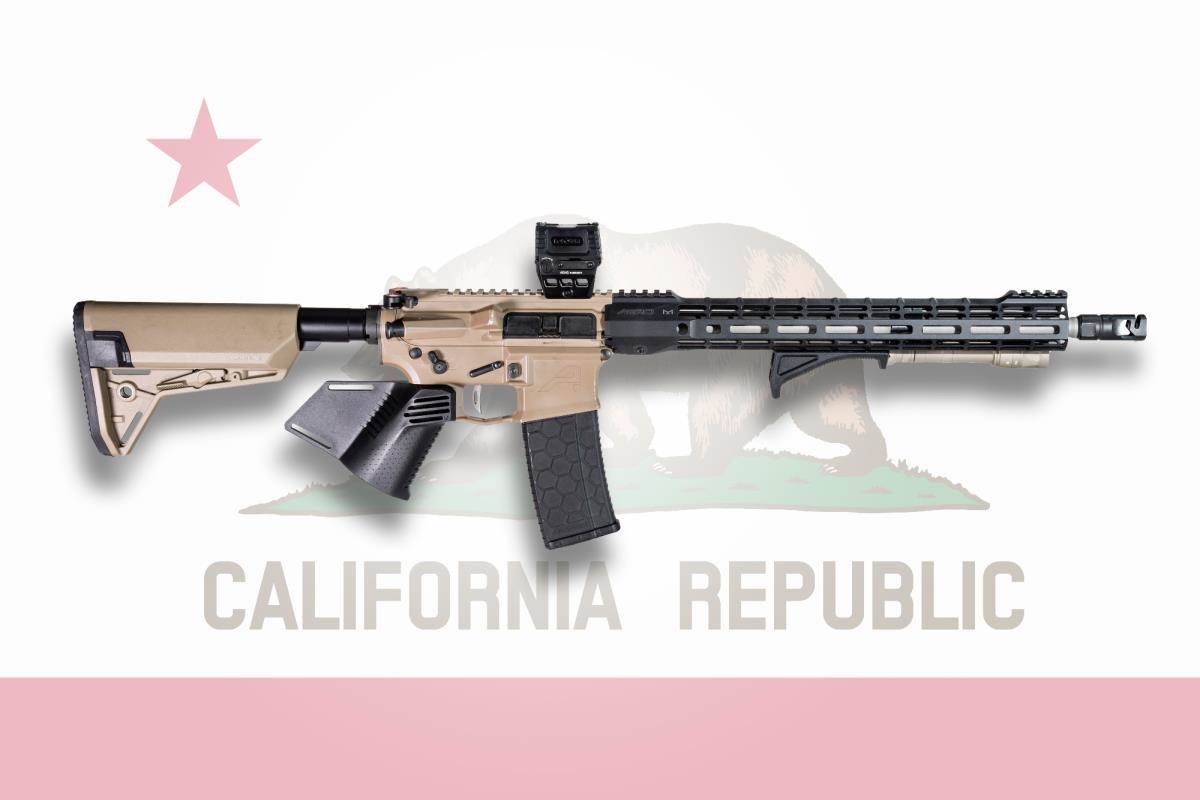
- “Assault Weapons”: California’s definition of an “assault weapon” is broad and includes many semi-automatic rifles, shotguns, and pistols with certain cosmetic features (e.g., pistol grips, telescoping stocks, flash suppressors) or those that can accept detachable magazines. Many common firearms like AR-15 style rifles are considered “assault weapons” and are generally prohibited for sale, possession, or import into the state unless specifically registered, a process not available to non-residents.
- High-Capacity Magazines: Magazines capable of holding more than 10 rounds are generally illegal to import, acquire, or possess in California. This is a critical point for travelers, as many standard capacity magazines for popular firearms exceed this limit.
- Handgun Roster: California maintains a roster of handguns certified for sale in the state. Only handguns on this roster can generally be sold by licensed dealers. While this primarily affects sales, it reflects the state’s strict control over firearm types.
- Ammunition Sales: As of 2018, all ammunition sales in California must go through a licensed vendor, and purchasers must undergo a background check. It is generally illegal to import ammunition into the state if you are not a licensed vendor, meaning travelers cannot simply bring large quantities of ammunition with them for personal use.

These restrictions mean that even if you’re legally transporting a firearm unloaded and locked, it must also be a type of firearm and use magazines that are legal in California. Ignoring these details can lead to severe penalties.
Storage Requirements: When Not Carrying
For those who do legally bring a firearm into California (e.g., for specific competitive shooting events, or traveling through with a compliant firearm), proper storage is paramount. When a firearm is not being lawfully carried (which, as discussed, is rare for a visitor), it must be stored in a way that prevents unauthorized access.
- Locked Container: When transporting a handgun in a vehicle, it must be unloaded and stored in a locked container or the vehicle’s trunk. For long guns, they must also be unloaded, but do not necessarily require a locked container if stored in a vehicle.
- Secure Storage at Accommodation: If you are staying at a hotel, resort, or rental property, any firearms must be stored securely to prevent access by minors or other unauthorized persons. Many hotels or vacation rentals may have their own policies regarding firearms, which could range from requiring them to be locked in a safe to outright prohibiting them on the premises. Always check with your accommodation provider in advance. A boutique hotel in Carmel-by-the-Sea or a luxury villa in Palm Springs might have different approaches than a roadside motel.
Practical Considerations for Your California Journey
Given the intricate web of California’s gun laws, most travelers will find it impractical, if not impossible, to legally carry a firearm while enjoying their visit. The best approach for the vast majority of tourists is to leave firearms at home. However, understanding how these laws intersect with common travel scenarios can further inform your decisions.
Flying into California with a Firearm
If you absolutely must fly with a firearm into California, you must adhere to strict TSA regulations, as well as California state law. The TSA requires firearms to be unloaded, declared to the airline, and placed in a hard-sided, locked container as checked baggage. Ammunition must be in original manufacturer packaging or securely packed in a container designed for ammunition, also in checked baggage.
However, even if you comply with TSA rules, your firearm must also be legal to possess in California upon arrival. This means checking if your specific firearm (e.g., “assault weapon” definition) or magazines (10-round capacity limit) are compliant. Arriving at Los Angeles International Airport or San Francisco International Airport with a non-compliant firearm can lead to immediate arrest and confiscation, turning your vacation into a legal nightmare. The best practice for air travel is to thoroughly review both TSA and California specific laws well in advance.
Accommodation Policies: Hotels and Resorts
When planning your accommodation, whether it’s a bustling hotel in downtown San Jose, a luxury resort in Laguna Beach, or an apartment rental in Hollywood, remember that private property owners have the right to set their own policies regarding firearms. Even if you theoretically could legally transport an unloaded, locked firearm to your room, many hotels or resorts may have a “no firearms” policy.
It’s always advisable to contact your hotel directly if you have questions about their specific rules. While a chain hotel like a Marriott or Hilton might have a general policy, smaller, independent establishments or bed and breakfasts might vary. Respecting these private property rules is part of being a responsible traveler and ensuring a harmonious stay. For most travelers, the convenience and peace of mind of not having to navigate these complexities far outweigh any perceived benefit of bringing a firearm.
Ensuring a Smooth and Safe Trip: Tips for Travelers
For an enriching California experience, our primary advice for travelers is to focus on the myriad of attractions and activities the state offers, rather than worrying about firearm regulations.
- Leave Firearms at Home: Unless you have a specific, lawful reason and have thoroughly researched and complied with all California laws, the safest and simplest option is to leave your firearms at home.
- Prioritize Safety and Awareness: California is generally a safe state for tourists, especially in well-known destinations. Focus on general travel safety tips: be aware of your surroundings, secure your valuables, and use reputable transportation services.
- Consult Legal Resources if Necessary: If you have an unusual circumstance that absolutely requires you to travel with a firearm to or through California, consult with a California-licensed attorney specializing in firearm law well before your trip. Do not rely on advice from social media or out-of-state sources.
- Enjoy the Golden State: Immerse yourself in the unique culture, natural beauty, and vibrant lifestyle that California offers. From world-class dining in San Francisco to exploring the stunning coastlines near Big Sur or enjoying theme parks in Southern California, there’s an abundance of positive experiences awaiting.
Beyond the Law: California’s Approach to Safety and Tourism
California’s strict gun laws are a reflection of its broader commitment to public safety and a particular civic philosophy that shapes the state’s social fabric. This approach influences not only legal statutes but also the general atmosphere and expectations in public spaces, which can be a distinct aspect of the California experience for visitors.
The Impact on Local Culture and Tourist Perception
For many residents and regular visitors, the state’s strong gun control measures contribute to a sense of relative safety and a different kind of public environment compared to regions with more prevalent firearm visibility. While no place is entirely free of crime, California’s legislative stance aims to reduce the likelihood of gun violence in daily life. This can impact the perception of safety for international tourists and families, who may appreciate the lower visibility of firearms in public spaces.
When you stroll along the Santa Monica Pier, explore the museums in Balboa Park in San Diego, or hike trails in Lake Tahoe, the public expectation is generally one of peaceful enjoyment, largely free from the open presence of firearms. This contributes to the state’s appeal as a premier tourism destination, fostering an environment where visitors can relax and fully engage with their surroundings. The emphasis is on experiencing California’s natural wonders, cultural landmarks, and diverse cuisine, rather than navigating complex self-defense considerations that might arise in less regulated environments. This focus allows for an uninterrupted immersion into the local culture and all the unique activities California has to offer.
Resources for Responsible Travel
For those planning a trip, comprehensive resources are readily available to help ensure a smooth and enjoyable visit. Official state websites and reputable travel guides provide valuable tips on navigating everything from transportation to attractions. When it comes to specific legal questions, always refer to the official California Department of Justice website or consult a qualified legal professional.
Ultimately, “Are guns legal in California?” is a question with a multi-layered answer. While legal, the conditions for possession, carry, and type are so stringent that for the average traveler, the practical reality is that it’s highly improbable to legally carry a firearm in public or easily transport one into the state. By understanding and respecting these laws, visitors can ensure their focus remains on creating unforgettable memories amidst the stunning beauty and vibrant energy of the Golden State. Embark on your California adventure with confidence, knowing you’re well-informed and prepared for a seamless journey.
LifeOutOfTheBox is a participant in the Amazon Services LLC Associates Program, an affiliate advertising program designed to provide a means for sites to earn advertising fees by advertising and linking to Amazon.com. Amazon, the Amazon logo, AmazonSupply, and the AmazonSupply logo are trademarks of Amazon.com, Inc. or its affiliates. As an Amazon Associate we earn affiliate commissions from qualifying purchases.