
Florida, often lauded as the Sunshine State, beckons millions of travelers each year with its pristine beaches, vibrant cities, and lush natural landscapes. From the theme park magic of Orlando to the Art Deco allure of Miami and the tranquil beauty of the Florida Keys, this peninsular paradise offers an unparalleled array of destinations and experiences. Tourists flock to soak up the sun, explore iconic landmarks like Everglades National Park, indulge in world-class dining, and discover unique local cultures. However, amidst the palm trees and ocean breezes, a rather striking green creature has become an increasingly common sight, prompting a curious question from both residents and visitors alike: “Are iguanas native to Florida?”
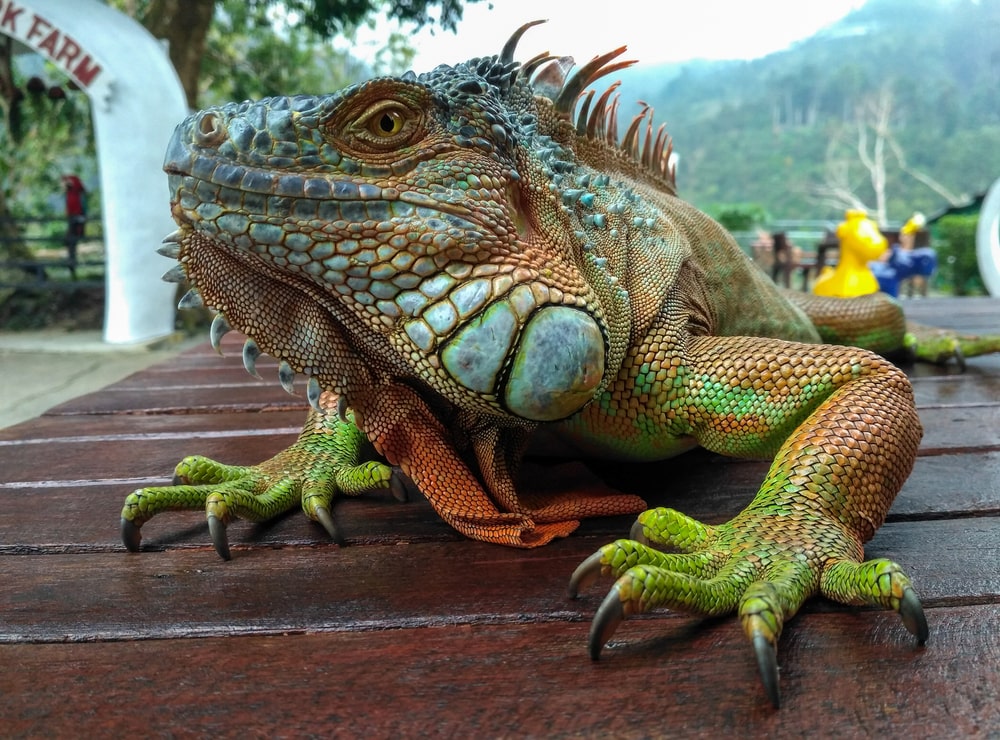
The simple answer is a resounding no. The iguanas that have become ubiquitous across South Florida are not indigenous to the region. They are an invasive species, primarily the green iguana (Iguana iguana), which hails from Central and South America, as well as some Caribbean islands. Their presence in the state is a complex narrative intertwining the exotic pet trade, accidental releases, and an environment perfectly suited for their proliferation. For anyone planning a trip to this popular United States destination, understanding the story of Florida’s iguanas is not just a matter of biological curiosity but an essential part of appreciating the state’s ecological challenges and the evolving landscape of its tourism and lifestyle.
The Unwelcome Green Guests: How Iguanas Arrived in Florida
The journey of the green iguana from its tropical homelands to the sun-drenched shores of Florida is a classic example of how human activities can inadvertently introduce invasive species, dramatically altering local ecosystems. What began as a fascinating exotic pet trend rapidly evolved into an ecological issue that now impacts everything from residential gardens to the infrastructure supporting the state’s thriving tourism industry.
A Tale of Exotic Pets and Unintended Releases
The primary vector for the introduction of green iguanas into Florida can be traced directly back to the pet trade. For decades, these reptiles were popular choices for exotic pet enthusiasts due to their striking appearance and relatively docile nature when young. Pet stores and breeders across the state, particularly in heavily populated areas like Miami-Dade County, Broward County, and Palm Beach County, sold thousands of young iguanas annually.
However, as iguanas grow, they can reach impressive sizes—up to five feet in length, including their tails—and develop powerful claws and tails, requiring specialized care and large enclosures. Many pet owners, unprepared for the commitment or overwhelmed by the reptile’s size and needs, made the unfortunate decision to release their pets into the wild. This practice, though often well-intentioned (believing they were “setting them free”), proved catastrophic for Florida’s delicate ecosystem. Additionally, hurricanes and other severe weather events have been known to damage outdoor enclosures, allowing captive iguanas to escape and join the burgeoning wild population. These initial introductions, starting as early as the 1960s, laid the groundwork for the widespread presence we see today.
The Ideal Climate for an Invasive Takeover
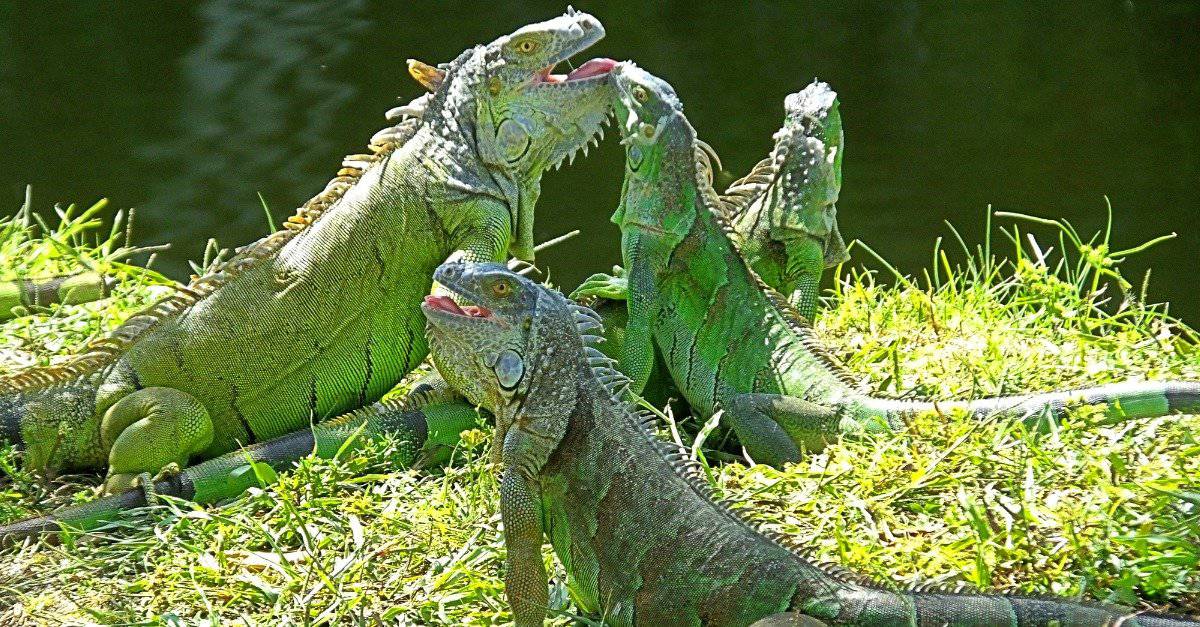
Once released, green iguanas found Florida to be a remarkably hospitable environment, mirroring many aspects of their native habitats. The state’s subtropical to tropical climate, particularly in South Florida, provides the warmth and humidity that these reptiles require to thrive. Unlike many temperate regions where cold winters would naturally limit their spread, Florida’s mild winters allow them to reproduce and flourish year-round. While occasional cold snaps can cause iguanas to become temporarily stunned and fall from trees—a phenomenon that often garners local headlines—these events rarely decimate the population significantly, as many recover once temperatures rise.
Furthermore, Florida’s diverse landscape offers an abundance of food sources and suitable habitats. Iguanas are primarily herbivorous, feeding on a wide variety of leaves, fruits, and flowers. From the lush foliage of residential gardens, golf courses, and botanical gardens to the abundant vegetation surrounding canals and waterways, Florida presents an all-you-can-eat buffet for these voracious eaters. Their arboreal nature allows them to easily navigate trees and dense vegetation, while their excellent swimming skills enable them to cross canals and expand their range, further cementing their status as established, albeit unwelcome, residents. This combination of human introduction and environmental suitability has led to an explosion in their population, making them a fixture in the Sunshine State’s visual tapestry, though one with significant ecological ramifications.
The Impact on Florida’s Ecosystem and Infrastructure
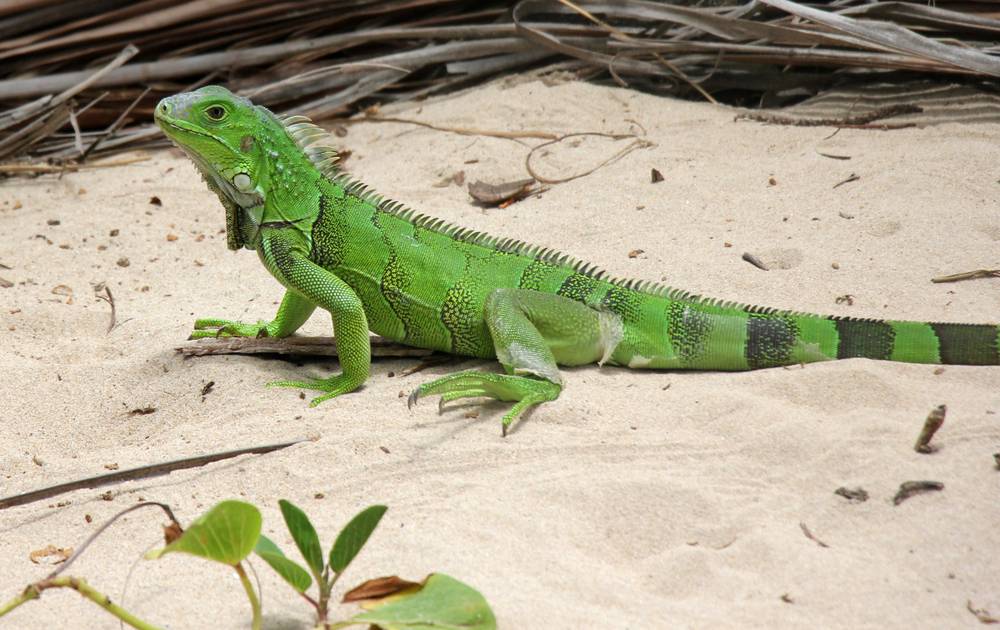
The proliferation of non-native green iguanas in Florida is far more than just a quirky visual for tourists; it represents a serious threat to the state’s ecological balance and has tangible economic consequences for residents, businesses, and the tourism sector. Their adaptable nature and lack of natural predators in the region have allowed them to establish large populations, leading to extensive damage that affects both natural habitats and man-made structures.
Ecological Concerns: Threat to Native Wildlife and Flora
Iguanas, though primarily herbivorous, are opportunistic eaters. Their diet often includes the leaves, flowers, and fruits of native plants, leading to significant defoliation and damage, particularly to rare and endangered species. They can strip gardens, affecting the aesthetic appeal of resorts and boutique hotels that rely on lush landscaping to attract guests. Beyond plant damage, iguanas have been documented consuming bird eggs and hatchlings, especially those nesting on the ground or in low-lying vegetation. This behavior poses a direct threat to native bird populations, including vulnerable species. They also compete with native wildlife, such as the gopher tortoise and burrowing owls, for crucial burrows and nesting sites, displacing indigenous animals from their established homes. The introduction of an animal with no natural population control mechanisms in the local food web creates a ripple effect, disrupting the delicate balance of Florida’s unique biodiversity.
Infrastructure Woes: Damage to Property and Public Spaces
Perhaps one of the most visible and costly impacts of the iguana invasion is the damage they inflict on infrastructure and private property. Iguanas are avid burrowers, creating extensive tunnel systems for shelter and nesting. These burrows are often dug beneath sidewalks, seawalls, foundations of homes and businesses, roads, and even airport runways. The structural integrity of these constructions can be severely compromised, leading to cracks, collapses, and expensive repairs. For property owners, including those managing vacation rentals, private villas, and large-scale hotels, this translates into significant maintenance costs and potential safety hazards.
Beyond structural damage, iguanas are notorious for their waste. Their droppings can contaminate pools and pool decks, patios, and outdoor dining areas, creating unhygienic conditions and requiring constant cleaning, particularly at establishments that cater to tourists. They can also chew through electrical wires and pool pumps, causing breakdowns and costly repairs. Golf courses are another common target, where iguanas can damage greens and fairways with their burrowing and feeding habits. In areas like the Florida Keys, where properties are often directly adjacent to water bodies, the damage to seawalls is a constant concern, exacerbating issues related to erosion and sea-level rise. The cumulative effect of this damage impacts property values, increases operational costs for businesses, and detracts from the overall appeal of public spaces, potentially influencing tourism experiences.
Iguanas and the Tourist Experience: A Florida Paradox
For many visitors to Florida, encountering an iguana can be a truly novel experience. These large, prehistoric-looking reptiles often evoke initial curiosity and fascination. However, as their populations have grown, their interactions with tourists have shifted from mere spectacle to, at times, a significant nuisance, creating a unique paradox in the state’s tourism narrative.
From Curiosity to Nuisance: Visitor Encounters
Initially, the sight of a vibrant green iguana sunning itself on a palm tree or scurrying across a garden path might be a highlight for many travelers, a photographic opportunity that underscores the exotic charm of South Florida. Children, in particular, are often captivated by these reptilian visitors. Many resorts and attractions, like Fairchild Tropical Botanic Garden or Vizcaya Museum & Gardens in Miami, offer picturesque backdrops where iguanas might be spotted, adding to the allure of the natural environment.
However, the sheer density of iguanas in popular tourist destinations such as Miami Beach, Fort Lauderdale, and Key West can quickly turn curiosity into discomfort. Iguanas are often seen congregating around outdoor restaurant patios, waiting for discarded food, or even venturing into public pools at beachfront hotels. Their droppings can be found on lounge chairs, sidewalks, and pool decks, creating an unsanitary environment. While generally not aggressive, a sudden movement or perceived threat can lead an iguana to lash out with its tail, which can be surprisingly powerful. The constant presence and the mess they create can detract from the serene, luxurious experience many travelers seek, turning a unique wildlife encounter into an unwelcome intrusion.
Navigating Iguana Interactions: Tips for Visitors
For those planning to visit Florida, understanding how to responsibly interact with iguanas is crucial for a pleasant and safe experience. The most important rule is never to feed iguanas. While it might seem harmless, feeding these animals encourages them to associate humans with food, leading to bolder, more aggressive behavior and further perpetuating their presence in populated areas. This also disrupts their natural foraging habits and can lead to unhealthy diets.
When encountering an iguana, it’s best to observe from a distance. Do not try to approach, touch, or handle them. If an iguana is in an undesirable location, such as a restaurant table or pool area, alert staff rather than attempting to remove it yourself. Many hotels and resorts have protocols for dealing with wildlife nuisances. For travelers staying in vacation rentals or private villas with outdoor spaces, being aware of their surroundings is key. Keep doors and screens closed to prevent iguanas from entering indoor areas, and consider iguana-proof fencing for private gardens if the problem is severe. By following these simple guidelines, visitors can minimize negative interactions and contribute to responsible tourism, allowing both humans and, ideally, native wildlife to coexist more harmoniously in the Sunshine State.
Management and Coexistence: Florida’s Approach to the Green Invader
As the scale of the iguana invasion in Florida became undeniably clear, it prompted a concerted effort from state agencies, local governments, conservation groups, and even residents to manage the escalating problem. The approach has been multi-faceted, focusing on control measures, public education, and encouraging responsible practices to mitigate the ecological and infrastructural damage caused by these non-native reptiles.
Conservation Efforts and Control Measures
The Florida Fish and Wildlife Conservation Commission (FWC) has been at the forefront of efforts to manage invasive iguanas. Recognizing their significant impact, the FWC has issued guidelines and permits for humane trapping and removal. In 2019, the commission reclassified green iguanas as a “Conditional Species,” making it illegal to breed, possess, or sell them for personal use without a special permit. This move aims to curb the pet trade source of new introductions and reduce the overall population pressure.
Local governments and private pest control companies also play a crucial role. Many municipalities in South Florida, including West Palm Beach, have initiated trapping and removal programs in public parks, along canals, and in other high-impact areas. These efforts often involve a combination of live trapping, humane euthanasia, and habitat modification to deter iguanas from settling in particular locations. Property owners, from individual homeowners to managers of large resorts and golf courses, are encouraged to implement control measures on their own land, such as installing barriers, removing food sources, and filling in burrows. Public education campaigns also aim to inform residents and visitors about the negative impacts of iguanas and the importance of not feeding them or releasing unwanted pets into the wild.
Responsible Tourism and Local Lifestyle Adaptations
For the tourism sector and local residents, adapting to the presence of iguanas has become an ongoing part of life in Florida. Hotels, resorts, and vacation rentals in affected areas have had to implement regular cleaning schedules, particularly around outdoor dining areas and pools, to manage iguana droppings. Some establishments are investing in iguana-proofing measures, such as mesh barriers or specialized landscaping, to reduce their presence.
For tourists, adopting a mindset of responsible travel extends to understanding and respecting the local environment, including its ecological challenges. This means adhering to guidelines such as not feeding wildlife, disposing of waste properly, and choosing accommodations and attractions that demonstrate a commitment to environmental stewardship. Visitors can actively contribute to the solution by simply being informed and conscious of their actions. Experiencing Florida’s natural beauty comes with a shared responsibility to protect it. While iguanas add an undeniable exotic flair, their non-native status underscores the need for continuous vigilance and proactive management to safeguard the state’s unique biodiversity and preserve the pristine conditions that make it such a beloved global destination.
The Future of Florida’s Green Residents
The question, “Are iguanas native to Florida?”, may have a straightforward answer, but the implications of their non-native status are profoundly complex and far-reaching. These vibrant green reptiles, initially introduced through the exotic pet trade, have found an ideal haven in South Florida, transforming from curious attractions into a significant ecological and infrastructural challenge. Their presence underscores a delicate balance between human activity, environmental susceptibility, and the preservation of a unique natural heritage.
For travelers exploring the diverse attractions of the Sunshine State, from the historic streets of Key West to the bustling metropolis of Miami, iguanas have become an undeniable part of the landscape. While their initial appearance might spark wonder, understanding their impact—from damaging native flora and fauna to undermining critical infrastructure—is crucial. Visitors and residents alike share a responsibility in mitigating their spread, primarily by refraining from feeding them and never releasing pets into the wild.
Florida’s appeal as a premier destination for travel, tourism, and lifestyle remains undiminished. Its hotels and resorts continue to offer world-class accommodations, its landmarks draw global interest, and its natural beauty is simply unparalleled. However, the story of the green iguana serves as a poignant reminder that even in paradise, environmental stewardship is paramount. By remaining informed and actively participating in responsible practices, both tourists and locals can contribute to a future where Florida’s native wildlife thrives, its infrastructure stands strong, and its natural splendor continues to inspire generations of adventurers. The ongoing effort to manage the iguana population is not just about controlling an invasive species; it’s about safeguarding the very essence of what makes Florida a cherished destination for everyone.