
Colorado, a state renowned for its breathtaking natural landscapes and vibrant cities, is also emerging as a focal point for discussions surrounding psychedelic substances. As travelers and residents alike navigate changing social norms and legislative developments, a common question arises: “Are magic mushrooms legal in Colorado?” This article delves into the current legal status of psilocybin mushrooms, commonly known as magic mushrooms, within the Centennial State, exploring the nuances of recent reforms, the impact on tourism and lifestyle, and what visitors and locals should know before considering their use.
Understanding the Legal Landscape of Psilocybin in Colorado
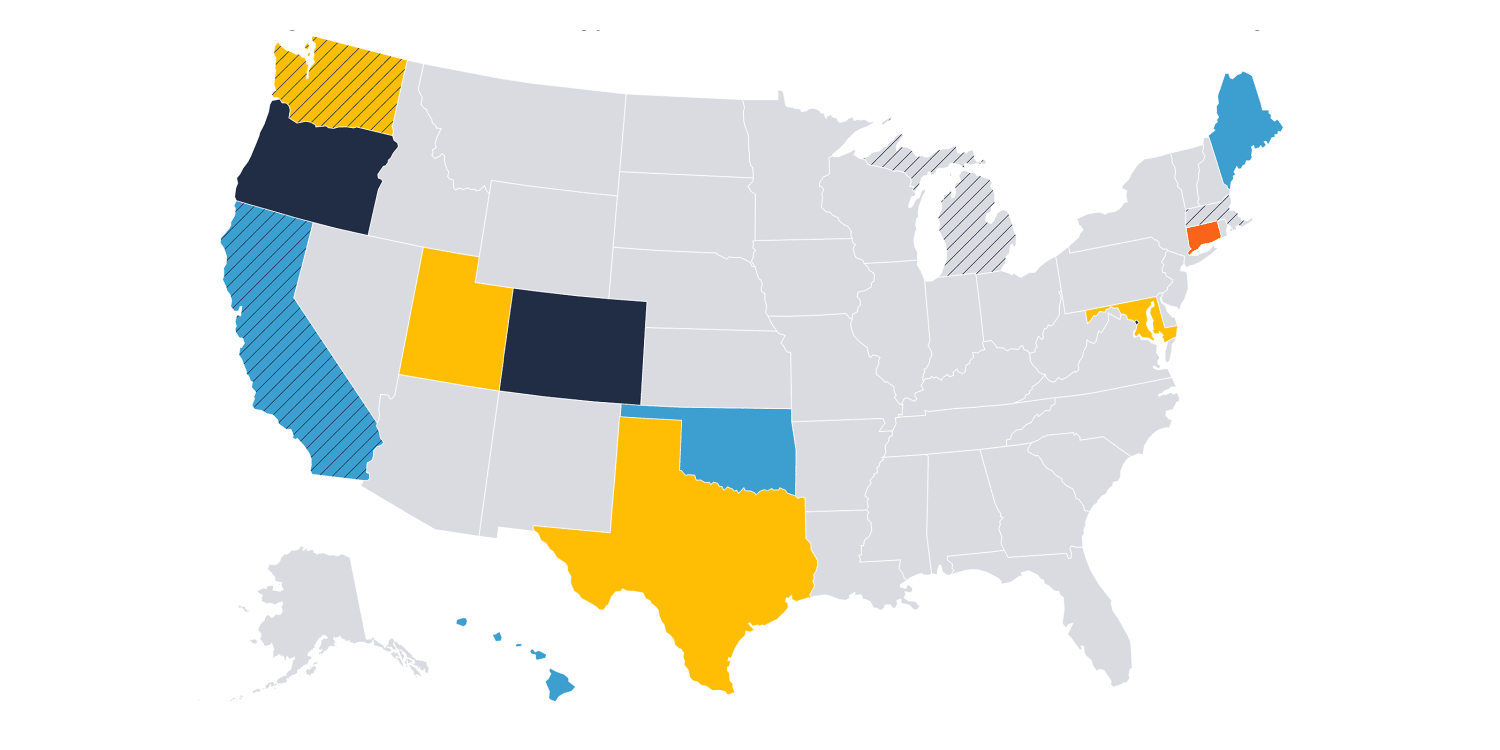
The conversation around magic mushrooms in Colorado has seen significant shifts in recent years. While traditionally classified as a Schedule I controlled substance at the federal level, meaning they are considered to have a high potential for abuse and no currently accepted medical use, several jurisdictions within Colorado have begun to decriminalize or, in some cases, legalize psilocybin for therapeutic and personal use. This evolving legal framework is crucial for anyone planning a trip to destinations like Denver or considering experiences in areas like Boulder.
The Denver Initiative and its Ripple Effects
The pivotal moment in Colorado’s journey towards psilocybin reform was the passage of Initiative 301 in the city of Denver in May 2019. This landmark initiative, approved by voters, made the possession and personal use of psilocybin mushrooms the lowest law enforcement priority for the city. It’s important to understand that Initiative 301 did not legalize magic mushrooms statewide. Instead, it decriminalized them within the city limits of Denver, meaning that adults 21 years of age and older would not be arrested or prosecuted for possessing or cultivating small amounts for personal use.
This move by Denver was historic, making it the first city in the United States to take such a step. The initiative was driven by a desire to shift resources away from minor drug offenses and to explore the potential therapeutic benefits of psilocybin. The success and impact of this local decriminalization have undeniably influenced subsequent discussions and actions at broader levels within Colorado.
Colorado’s Statewide Psilocybin Legalization: Proposition 122
Building upon the momentum generated by Denver’s initiative, Colorado voters approved Proposition 122 in November 2022. This significant legislation, also known as the Natural Medicine Health Act, goes much further than local decriminalization. Proposition 122 legalized psilocybin and psilocin for therapeutic use at the state level for adults 21 years and older. It also decriminalized the personal use, possession, and cultivation of psilocybin, psilocin, dimethyltryptamine (DMT), and ibogaine for adults 21 and older.
Crucially, Proposition 122 establishes a framework for regulated psilocybin services. This means that licensed healing centers will be able to offer psilocybin-assisted therapy under the supervision of trained facilitators. The law mandates that these services must be available to individuals aged 21 and older, regardless of medical condition, though specific therapeutic protocols and potential eligibility criteria for certain treatments might be developed.
The implementation of Proposition 122 is a phased approach. While personal use and cultivation are already decriminalized, the establishment of regulated psilocybin healing centers and services is a more complex process that is expected to roll out over several years. This includes the development of licensing requirements, training standards for facilitators, and regulations for the safe administration of psilocybin.
What This Means for Travelers and Residents
For those planning a visit to Colorado, whether for its renowned ski resorts like Aspen or the natural beauty of Rocky Mountain National Park, understanding the legal status of magic mushrooms is essential.
In summary of the legal status:
- Statewide Decriminalization: Personal use, possession, and cultivation of psilocybin mushrooms (and DMT, ibogaine) are legal for adults 21 and older across Colorado. This means you will not be arrested or prosecuted for possessing small amounts for personal use.
- Therapeutic Legalization: Psilocybin is legal for supervised therapeutic use in licensed healing centers. Access to these services will require navigating a regulatory framework that is still under development.
- No Commercial Sales (yet): Proposition 122 does not legalize the commercial sale of psilocybin mushrooms in the same way that cannabis is sold. While personal cultivation is permitted, you cannot currently walk into a store and buy psilocybin. The regulated healing centers will dispense psilocybin as part of supervised therapeutic sessions.
- Federal Law Still Applies: It is critical to remember that while Colorado has enacted these reforms, psilocybin remains a Schedule I controlled substance under federal law. This means that federal law enforcement agencies can still enforce federal drug laws, although state and local authorities are unlikely to prosecute under these new state laws. Travelers should be aware of this distinction, especially when crossing state lines.
This evolving legal landscape presents new possibilities for those interested in exploring the potential benefits of psilocybin. However, it also necessitates a responsible and informed approach, respecting the guidelines and regulations that are being established.
Exploring Psilocybin Experiences in Colorado: Travel, Tourism, and Lifestyle
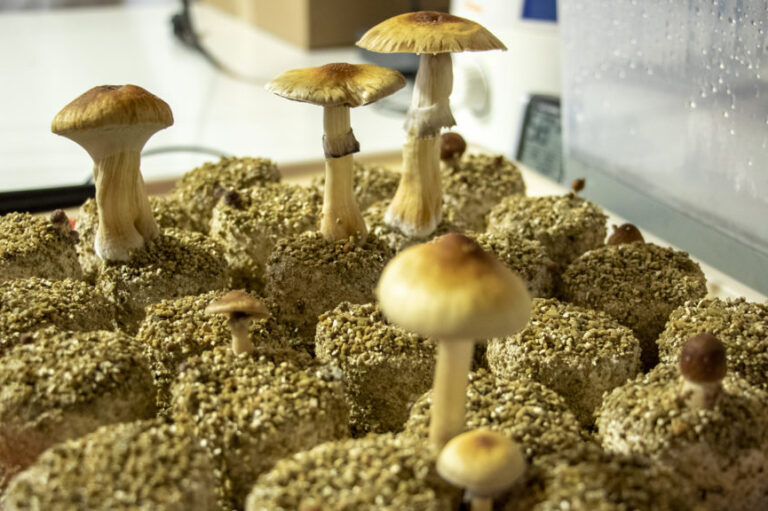
The legal reforms surrounding psilocybin in Colorado have opened up new avenues for exploring this fascinating substance, impacting various aspects of travel, tourism, and lifestyle within the state. As Colorado continues to attract visitors for its outdoor adventures, cultural attractions, and unique experiences, the emergence of psilocybin as a potentially therapeutic and introspective tool adds another layer to its appeal.
Navigating the Travel and Tourism Landscape
For travelers considering a trip to Colorado, the legal status of magic mushrooms means a more open environment for those seeking psilocybin-assisted experiences. However, it is essential to approach this with a clear understanding of the regulations and to prioritize safety and legality.
- Responsible Exploration: While personal use and cultivation are decriminalized, it’s crucial to engage with psilocybin responsibly. This means understanding dosage, potential effects, and having a safe and supportive environment. For many, this might involve connecting with individuals knowledgeable about safe practices or participating in guided retreats that adhere to the new laws, once fully operational.
- Choosing Your Destination Wisely: Cities like Denver and Boulder are at the forefront of these changes, with Denver having a history of decriminalization and Boulder also being part of the statewide reforms. If you are interested in experiencing the therapeutic aspects of psilocybin, staying informed about the development of licensed healing centers in these and other Colorado communities will be key.
- Accommodation and Experiences: When booking accommodation, whether it’s a boutique hotel in downtown Denver, a luxury resort near Aspen, or a secluded cabin offering tranquility, travelers should consider how their chosen environment aligns with their intentions for psilocybin use. While commercial psilocybin sales are not yet established, the decriminalization means that some individuals may choose to cultivate their own for personal use, and responsible consumption can be integrated into a mindful travel experience.
- Integrating Psilocybin with Colorado’s Natural Beauty: Colorado is famous for its stunning natural landmarks. For some, psilocybin experiences might be enhanced by the serene beauty of places like the Garden of the Gods or the vastness of the San Juan Mountains. It is vital, however, to exercise extreme caution and respect for these natural areas. Public consumption of psilocybin, even if decriminalized, may still be subject to local ordinances and can be disrespectful to the environment and other visitors. It is always advisable to consume mind-altering substances in private and safe settings.
Lifestyle and Personal Growth Opportunities
The legalization and decriminalization of psilocybin in Colorado are not just about recreational use; they represent a significant shift towards embracing psychedelics for personal growth, mental well-being, and therapeutic purposes. This has broader implications for the lifestyle choices of residents and the kinds of experiences travelers seek.
- Therapeutic Potential: Proposition 122 paves the way for psilocybin-assisted therapy, which has shown promise in treating conditions such as depression, anxiety, PTSD, and addiction. As licensed healing centers become operational, individuals in Colorado will have access to professionally guided therapeutic sessions, offering a new frontier in mental healthcare. This could attract individuals seeking alternative or complementary treatments.
- Mindful Living and Introspection: For those interested in personal development and introspection, the decriminalization of psilocybin aligns with a growing interest in mindfulness, meditation, and self-discovery. Individuals might incorporate psilocybin into their wellness routines, seeking deeper insights and enhanced creativity. This can be part of a broader lifestyle that values mental and emotional well-being.
- Community and Support: As these changes unfold, communities are forming around psilocybin advocacy and support. This includes educational initiatives, support groups, and resources for safe and responsible use. Engaging with these communities can provide valuable information and a sense of connection for those exploring psilocybin.
- Responsible Consumption Education: As the legal landscape evolves, so does the emphasis on education regarding responsible psilocybin consumption. This includes understanding the risks, potential benefits, contraindications, and the importance of set and setting (one’s mindset and physical environment). Websites and organizations dedicated to psychedelic education are invaluable resources for anyone considering engaging with psilocybin.
The opening of Colorado to regulated psilocybin services and the decriminalization of personal use mark a significant moment. It offers exciting possibilities for wellness, personal growth, and a new dimension to the travel experience, all while emphasizing the importance of responsible engagement and adherence to evolving regulations.
The Future of Psilocybin in Colorado: What to Expect
The legalization and decriminalization of magic mushrooms in Colorado are not endpoints but rather the beginning of a new chapter. The implementation of Proposition 122 is a complex process, and several key developments are expected in the coming years, shaping how residents and visitors interact with psilocybin.
Development of Regulated Psilocybin Services
The most significant ongoing development is the establishment of regulated psilocybin healing centers and services. This process involves:
- Licensing and Regulation: The Colorado Department of Health and Environment and the Colorado Department of Regulatory Agencies are tasked with creating the framework for licensing and regulating psilocybin service providers. This includes setting standards for facility safety, operational procedures, and the types of psilocybin products that can be administered.
- Training for Facilitators: A critical component of Proposition 122 is the requirement for trained and licensed psilocybin facilitators. These individuals will guide clients through psilocybin sessions, ensuring safety, providing support, and helping to integrate the experience. The development of comprehensive training programs is a priority.
- Product Development and Sourcing: While personal cultivation is legal, the regulated healing centers will need a reliable and safe source for psilocybin. This will likely involve specialized cultivation facilities that adhere to strict quality control measures to ensure the purity and potency of the psilocybin used in therapeutic settings.
- Accessibility and Affordability: A key goal of the legislation is to make psilocybin-assisted therapy accessible. However, ensuring affordability and addressing potential barriers to access, particularly for underserved communities, will be an ongoing challenge.
Broader Societal and Cultural Impacts
The changes in Colorado regarding psilocybin are likely to have broader societal and cultural impacts.
- Shifting Perceptions: As psilocybin moves from a stigmatized illicit substance to a regulated therapeutic option, societal perceptions are expected to evolve. Increased awareness of its potential benefits, particularly in mental health, could lead to greater acceptance and further research.
- Economic Opportunities: The development of a regulated psilocybin industry, from cultivation to therapeutic services, presents new economic opportunities. This could include job creation in cultivation, therapy, research, and supporting industries.
- Influence on Other States: Colorado’s pioneering efforts may serve as a model for other states considering similar reforms. The success or challenges encountered in Colorado will undoubtedly inform future legislative decisions across the nation.
- Ongoing Research: The legal framework in Colorado will facilitate further scientific research into the therapeutic applications and potential risks of psilocybin. This will deepen our understanding and potentially lead to more refined treatment protocols.
Important Considerations for the Future
As this field matures, several important considerations will remain paramount:
- Public Health and Safety: Ensuring the safety of individuals engaging with psilocybin, whether for therapeutic or personal use, will be a continuous focus. This involves robust education, clear guidelines, and effective regulatory oversight.
- Ethical Guidelines: The development and implementation of ethical guidelines for psilocybin use and therapy are crucial. This includes informed consent, the prevention of exploitation, and ensuring that services are provided with integrity.
- Harm Reduction: Continued emphasis on harm reduction strategies will be vital. This means providing accurate information and resources to minimize risks associated with psilocybin use, including potential psychological distress or adverse reactions.
Colorado’s bold steps in legalizing and decriminalizing psilocybin offer a glimpse into a future where psychedelics may play a more integrated role in wellness and mental healthcare. For travelers and residents alike, staying informed about these developments will be key to navigating this exciting and evolving landscape responsibly and safely. Whether you are drawn to the majestic peaks of the Rocky Mountains or the urban attractions of Colorado Springs, understanding these changes adds another layer of richness to your Colorado experience.
LifeOutOfTheBox is a participant in the Amazon Services LLC Associates Program, an affiliate advertising program designed to provide a means for sites to earn advertising fees by advertising and linking to Amazon.com. Amazon, the Amazon logo, AmazonSupply, and the AmazonSupply logo are trademarks of Amazon.com, Inc. or its affiliates. As an Amazon Associate we earn affiliate commissions from qualifying purchases.