
The majestic Maine Coon, with its flowing mane, tufted ears, and bushy tail, is a breed renowned for its gentle nature, impressive size, and striking beauty. Often dubbed “gentle giants,” these felines capture the hearts of many, including those who dream of a loyal companion. However, for individuals who suffer from pet allergies, the question inevitably arises: are Maine Coons hypoallergenic? This inquiry isn’t just about welcoming a pet into one’s home; it extends to a broader lifestyle, influencing travel plans, accommodation choices, and the overall experience of living with a furry friend.
Understanding the nuances of pet allergies is crucial, especially when considering a breed like the Maine Coon. The desire to integrate a beloved pet into every aspect of life, from daily routines to exotic getaways, is a significant part of modern pet ownership. For allergy sufferers, this desire is often tempered by practical considerations and the need for careful planning. This article delves into the science behind pet allergies, examines the specific characteristics of the Maine Coon, and provides comprehensive guidance for managing allergies while maintaining a rich travel and lifestyle experience with your feline companion.

Understanding Allergies and the Myth of Hypoallergenic Pets
The term “hypoallergenic” is frequently misunderstood in the context of pets. Many believe it signifies an animal that causes no allergic reactions, which is a misconception. In reality, “hypoallergenic” simply means “less allergenic.” When it comes to cats, the scientific truth is that no breed is truly 100% hypoallergenic because all cats produce the proteins that trigger allergic reactions in sensitive individuals.
The Science Behind Pet Allergies
Pet allergies are not caused by a cat’s fur itself, but by specific proteins found in their dander (flakes of dead skin), saliva, and urine. The primary culprit is a protein called Fel d 1, which is secreted by the cat’s sebaceous glands and present in significant amounts in their saliva. When a cat grooms itself, this protein-laden saliva dries on their fur, eventually flaking off into the environment as dander. This microscopic dander then becomes airborne, settling on furniture, carpets, clothing, and even circulating in the air systems of homes, hotels, and other accommodations.
Allergic reactions occur when a sensitive person’s immune system mistakenly identifies these proteins as harmful invaders, triggering an inflammatory response. Symptoms can range from mild (sneezing, runny nose, itchy eyes, skin rashes) to severe (asthma attacks, difficulty breathing). The severity of these reactions can vary greatly from person to person and may also depend on the level of exposure. This scientific understanding underscores why simply having a cat with “less hair” or “different hair” does not guarantee an allergy-free experience.
Why No Cat is Truly Hypoallergenic
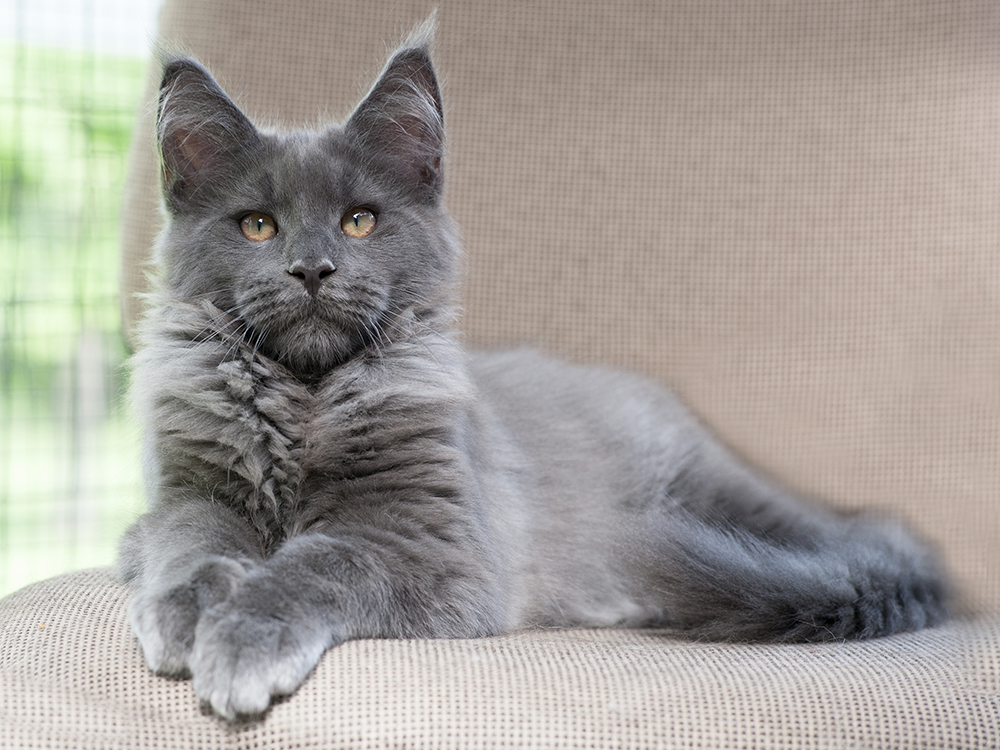
Since all cats, regardless of breed, produce Fel d 1 protein, no cat can be considered truly hypoallergenic. Some breeds are marketed as hypoallergenic due to characteristics that might reduce the dispersal of allergens, such as less shedding or a different coat texture. However, the presence of the Fel d 1 protein is universal. Even hairless breeds like the Sphynx can trigger allergies because they still produce dander and saliva.
The popular perception often links allergies to shedding. While a cat that sheds less might distribute fewer allergen-laden hairs around the home, the dander itself is the main issue. Dander is microscopic and can become airborne easily, regardless of hair shedding. Therefore, while anecdotes and personal experiences might suggest certain breeds are “better” for allergy sufferers, a scientific perspective confirms that caution and proactive management are always necessary. This insight is particularly relevant for those who lead active lifestyles or travel frequently, as managing allergens becomes a continuous effort across various environments.
The Maine Coon’s Allergenic Profile
The Maine Coon’s impressive coat is often a point of discussion when it comes to allergies. Their long, shaggy fur and dense undercoat are beautiful but lead many to assume they are significant allergen producers. While they do shed, and therefore distribute dander, their overall allergen profile is not necessarily worse than other cats, and in some cases, individuals report less severe reactions.
Coat Type, Shedding, and Dander Production
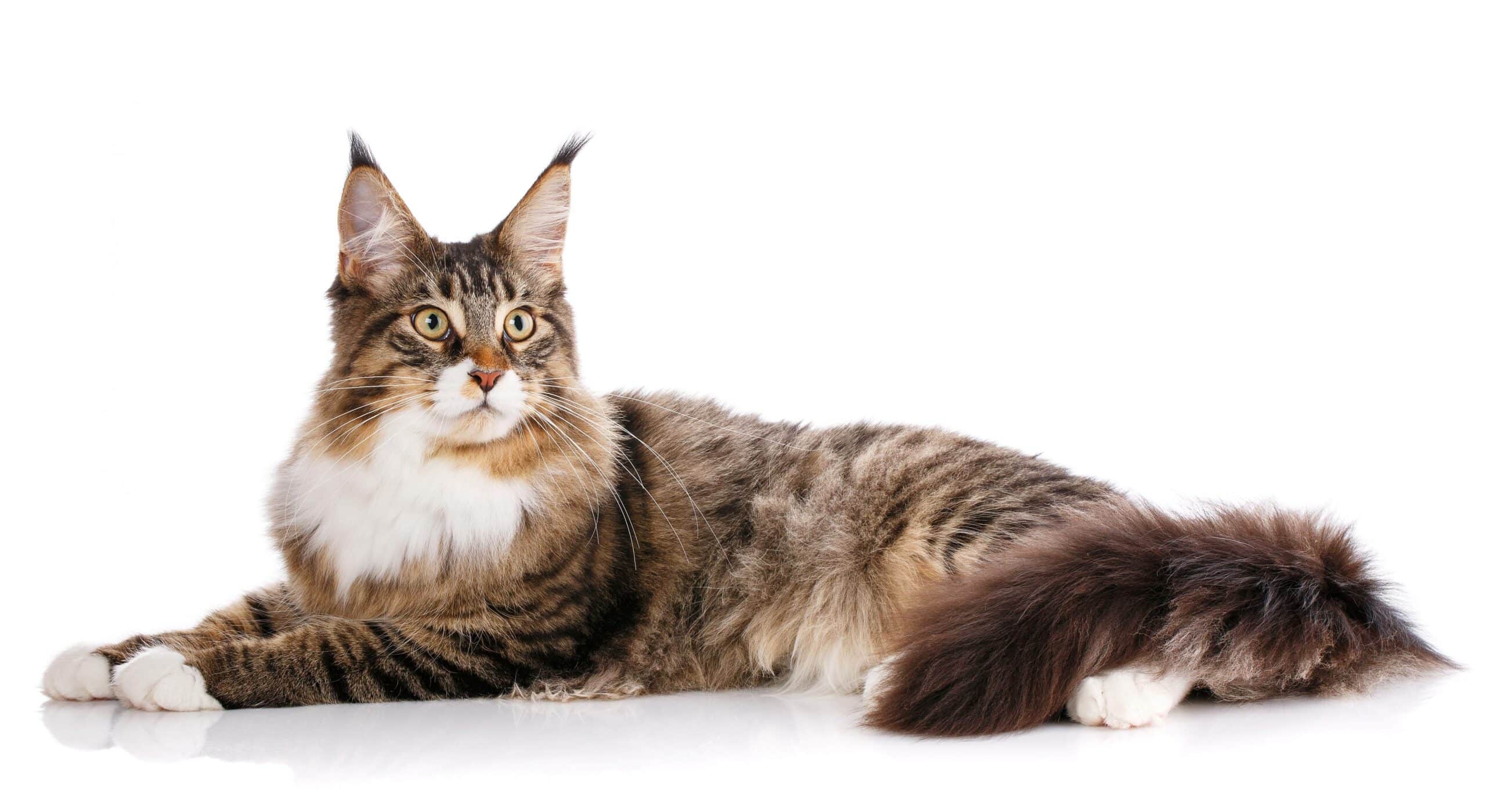
Maine Coons possess a double coat: a soft, insulating undercoat and a longer, water-resistant outer coat. This combination gives them their majestic appearance and protects them from harsh weather, a trait developed in their native Maine, United States. Their fur is prone to shedding, especially seasonally, which means they will deposit allergen-laden dander and hair throughout their environment.
Despite common belief, the length of a cat’s fur doesn’t directly correlate with the amount of Fel d 1 protein produced. However, longer hair can potentially trap more dander and shed it more visibly. Anecdotal evidence suggests that some individuals with mild cat allergies experience fewer symptoms around Maine Coons compared to other breeds. This could be due to variations in individual Fel d 1 protein production, as some cats naturally produce less of the allergen than others, regardless of breed. It could also be attributed to the type of fur, which some speculate might trap dander closer to the skin, thus releasing less into the air. However, these are observations, not scientifically proven breed-wide traits. Therefore, relying solely on breed for allergy compatibility is a gamble; individual testing and proactive management are always recommended.
Managing Allergies with a Maine Coon
For those determined to welcome a Maine Coon into their life, proactive allergy management is key. This is especially true for individuals who travel frequently or plan to integrate their feline companion into their journeys. Effective strategies involve a multi-pronged approach:
- Regular Grooming: Brushing your Maine Coon frequently (daily if possible) can significantly reduce shedding and the dispersal of dander. Ideally, this should be done by a non-allergic family member or outdoors. Regular baths, using a cat-friendly shampoo, can also help wash away dander and Fel d 1 protein.
- Environmental Control: Investing in high-efficiency particulate air (HEPA) filters for your home and even portable ones for travel can dramatically reduce airborne allergens. Regularly vacuuming with a HEPA-filter vacuum cleaner, steam cleaning carpets, and washing bedding and curtains are essential. Designating “allergy-free” zones in the home, such as the bedroom, where the cat is not allowed, can provide a sanctuary for allergy sufferers.
- Diet and Health: A healthy diet contributes to a healthy coat and skin, potentially reducing excessive shedding and dander. Regular veterinary check-ups ensure your cat is healthy, as skin conditions can exacerbate dander production.
- Personal Hygiene: Washing hands immediately after petting your Maine Coon and avoiding touching your face can minimize exposure to allergens.
- Medication: Antihistamines, nasal sprays, and other allergy medications can help manage symptoms, especially during times of higher exposure, such as when preparing for travel or staying in a new environment. Consulting with an allergist for personalized advice and potential immunotherapy is also a viable option for long-term management.
These strategies are not just for home life; they form the foundation for a successful and comfortable travel experience with your furry companion.
Traveling with Your Maine Coon: A Guide for Allergy Sufferers
Integrating a Maine Coon into a travel-centric lifestyle requires careful planning, especially when allergies are a factor. The goal is to ensure both your well-being and your pet’s comfort, whether you’re embarking on a short domestic trip or an international adventure. From selecting the right accommodation to navigating transportation, every detail matters.
Pet-Friendly Accommodation Choices
Finding suitable accommodation is paramount when traveling with a Maine Coon, particularly for allergy sufferers. The landscape of pet-friendly lodging has expanded significantly, offering more options than ever before.
- Hotels and Resorts: Many major hotel chains, such as Hilton, Marriott, and Hyatt, now offer pet-friendly rooms. It’s crucial to call ahead and confirm their specific pet policies, including size restrictions, breed limitations (though Maine Coons are generally well-received due to their temperament), and any additional fees. Some hotels even provide amenities like pet beds, bowls, and welcome treats. For allergy sufferers, it’s worth inquiring about their cleaning protocols for pet-friendly rooms and if they offer specific allergy-friendly rooms that have undergone deeper cleaning or air purification. Asking for a room with hardwood floors rather than carpet can also make a significant difference.
- Apartments and Villas: Platforms like Airbnb and Vrbo offer a vast selection of private accommodations, many of which are explicitly pet-friendly. These options often provide a more home-like environment, which can be less stressful for your cat and offer more space. When booking, always use the pet-friendly filter and communicate directly with the host about your Maine Coon and any allergy concerns. Inquire about cleaning practices between guests and whether the property has an air purification system. Long-term stays in serviced apartments or vacation rentals can be particularly advantageous for extended trips, offering stability and control over the environment.
- Pet-Specific Amenities: Beyond just allowing pets, look for accommodations that offer genuine pet amenities. This could include designated pet relief areas, pet-sitting services, or even special menus. For allergy sufferers, the ability to walk your cat outdoors in safe, designated areas reduces indoor allergen accumulation.
Always read reviews and look for feedback from other pet owners or those with allergies to gauge the true pet-friendliness and cleanliness of a place before booking.
Preparing for Travel with a Maine Coon
Thorough preparation is vital to ensure a smooth and comfortable journey for both you and your Maine Coon.
- Veterinary Check-up: Before any trip, especially international travel, schedule a vet visit. Ensure your Maine Coon is up-to-date on vaccinations, has a clean bill of health, and is microchipped. Discuss any anxiety your cat might experience during travel and explore options like pheromone sprays or mild sedatives if recommended by your vet.
- Travel Carrier: Invest in a comfortable, well-ventilated carrier that is airline-approved if flying. Your Maine Coon’s size necessitates a larger carrier to allow them to stand and turn around comfortably. Acclimate your cat to the carrier at home well in advance of your trip.
- Documentation: Carry all necessary documentation, including vaccination records, health certificates, and pet passports if traveling internationally to countries in Europe, Canada, or Australia. Research the specific entry requirements for your destination country or state far in advance, as rules vary widely.
- Packing Essentials: Pack your Maine Coon’s usual food, water, bowls, litter box, litter, favorite toys, and a blanket that smells of home. This familiarity can reduce stress in new environments. For allergy management, pack any personal allergy medications, portable air purifiers, and grooming tools.
- Transportation:
- Car Travel: Ensure your cat is secured in its carrier for safety. Take frequent breaks for litter box use and water. Never leave your cat unattended in a hot car.
- Air Travel: This is the most complex. Most airlines require cats to travel as cargo if they exceed carry-on size limits, which a Maine Coon almost certainly will. Research airline pet policies meticulously, including climate control in cargo holds, booking procedures, and health requirements. For allergy sufferers, the cabin air filtration system in airplanes is generally good, but prolonged exposure in confined spaces can still be an issue.
- Train/Bus Travel: Policies vary. Some train lines allow small pets in carriers, while others do not. Long-distance buses rarely allow pets. Always verify beforehand.
By meticulously planning and preparing, you can significantly mitigate the challenges of traveling with your Maine Coon while keeping your allergies in check.
Living the Lifestyle: Integrating Maine Coons into Your Travel Adventures
The decision to own a Maine Coon as an allergy sufferer is a lifestyle choice that requires dedication and thoughtful integration. It’s about finding harmony between your love for travel, your pet, and your personal health needs. This commitment opens up a world of shared experiences and unique memories.
Exploring Destinations with Your Feline Companion
While not all tourist attractions or landmarks are pet-friendly, a growing number of destinations are embracing pets, allowing owners to share parts of their adventures with their Maine Coons.
- Pet-Friendly Cities: Many cities across North America, Europe, and Asia are becoming increasingly accommodating to pets. Destinations like New York, Paris, London, Rome, and Tokyo offer pet-friendly parks, cafes, and even boutique shops. While your Maine Coon may not be able to enter the Eiffel Tower or the Colosseum, you can enjoy leisurely strolls through charming neighborhoods, visit outdoor markets, or relax at a pet-welcoming bistro. The key is to research local pet regulations and cultural norms beforehand.
- Nature and Outdoor Adventures: For the more adventurous Maine Coon (and not all are keen on harnesses and leashes!), exploring national parks (where pets are permitted on specific trails), hiking paths, or even beaches can be a wonderful experience. Always prioritize your cat’s safety and comfort, ensuring they are leash-trained and protected from the elements. This type of travel minimizes indoor allergen exposure, which can be beneficial for allergy sufferers.
- Unique Experiences: Seek out unique experiences that cater to pet owners. This could include pet-friendly cruises (limited options exist), car camping trips, or stays at specialized pet resorts that offer spa services or adventure activities. The “lifestyle” aspect here is about curating experiences that enrich both your life and your Maine Coon’s life.
Remember that a Maine Coon might not enjoy all forms of travel. Their comfort and safety should always be the top priority. Assess your cat’s personality and tolerance for new environments before embarking on ambitious journeys.
Practical Tips for a Harmonious Home and Travel Life
Integrating a Maine Coon into your life, especially with allergies and travel aspirations, involves ongoing commitment and smart choices.
- Consistent Allergy Management: Maintain strict allergy management protocols both at home and during travel. This includes regular grooming, diligent cleaning, and consistent use of air purifiers. Don’t let your guard down, as consistent exposure can lead to more severe reactions over time.
- Flexible Travel Planning: Be prepared to adapt your travel plans to accommodate your Maine Coon’s needs and your allergy limitations. This might mean choosing certain types of accommodations over others, opting for car travel instead of flying, or selecting destinations known for their pet-friendliness.
- Budgeting for Pet Travel: Factor in the additional costs associated with pet travel – vet visits, carriers, pet fees at hotels, and potential pet-sitting services. While luxury travel with pets is an option, there are also numerous budget-friendly ways to explore with your feline companion. Comparison shopping for accommodation and transportation that balances cost with pet-friendliness is essential.
- Embrace the Journey: Owning a Maine Coon and managing allergies is a journey, not a destination. There will be challenges, but the rewards of companionship and shared experiences are immeasurable. For those with a love for both travel and these magnificent felines, a well-planned approach makes it possible to enjoy the best of both worlds. Whether it’s a family trip to a cabin in the woods or a business stay requiring pet-friendly apartments, proactive planning and a deep understanding of your Maine Coon’s needs and your own allergies will ensure a harmonious and fulfilling lifestyle.
In conclusion, while no cat, including the beloved Maine Coon, is truly hypoallergenic, managing allergies is entirely possible with the right strategies. For those who dream of exploring the world with their feline companion, a thoughtful approach to pet ownership and travel can unlock a lifetime of adventures.
LifeOutOfTheBox is a participant in the Amazon Services LLC Associates Program, an affiliate advertising program designed to provide a means for sites to earn advertising fees by advertising and linking to Amazon.com. Amazon, the Amazon logo, AmazonSupply, and the AmazonSupply logo are trademarks of Amazon.com, Inc. or its affiliates. As an Amazon Associate we earn affiliate commissions from qualifying purchases.